Kiluvõileib (sprat sandwich)
Spiced sprats, black bread, an egg
- Local name
- Kiluvõileib
- Served with
- Egg, butter, dark rye bread
- Best eaten at
- An Estonian kõrts (tavern)
- Pairs with
- Estonian beer or vodka
What it is
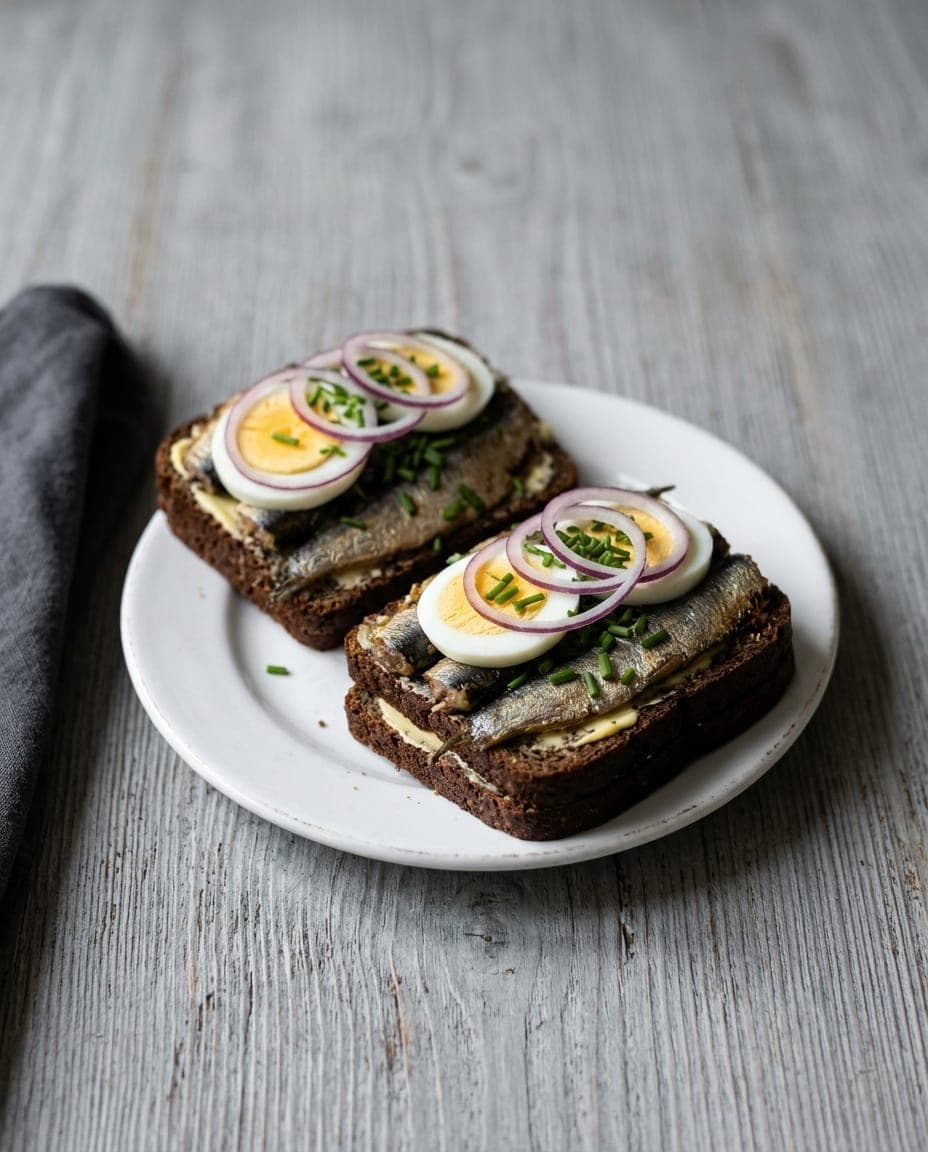
Kiluvõileib is probably the best-known savoury sandwich in Estonia, a staple that appears on tables from family gatherings to wedding receptions and Independence Day parties in February. The name translates directly as "sprat sandwich", referring to kilu, the small Baltic sprat that has been salted and spiced rather than smoked or pickled in vinegar. It is not a delicate thing: dark bread, a thick layer of butter, salt fish and egg, cut into squares and eaten with the fingers.
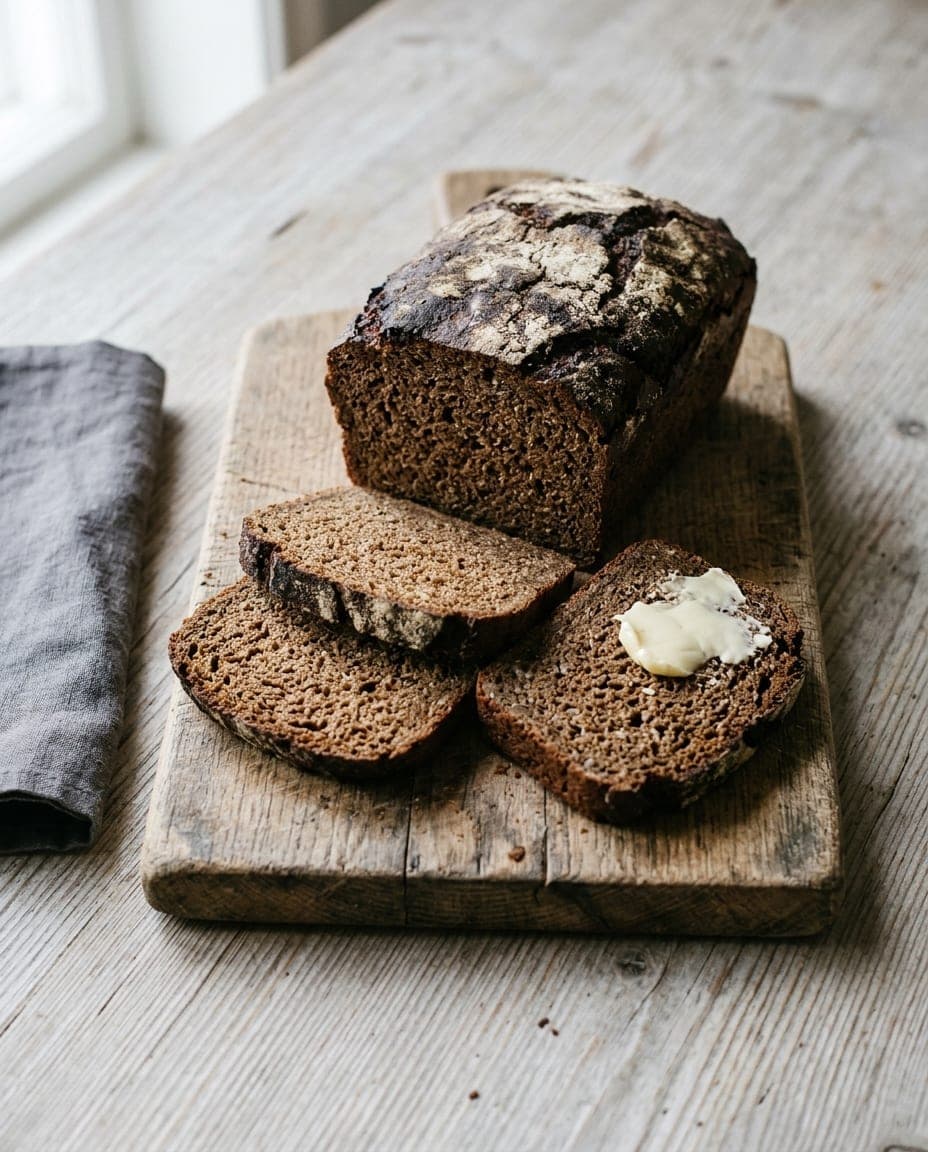
Everything about it depends on the bread, which is rukkileib, the dense black sourdough rye. Butter goes on thickly — it is there to stand between the bread and the fish as much as for taste — then the sprats, laid in rows along the slice, then slices of hard-boiled egg. Nothing is cooked and nothing is dressed.
Where it comes from
The fish is the interesting part. Sprats come out of the Baltic in quantity, and the Estonian way of keeping them is neither smoking nor vinegar but salting with spice: allspice, black pepper, cloves, sometimes a little sugar, packed down and left for a week or more. The result is firm, dark and strongly aromatic, quite unlike a Scandinavian pickled herring.
Packed into tins in Tallinn from the mid-19th century, spiced sprats became an Estonian export of long standing, and historians count them, with kama, among the few foods actually invented in Estonia. At home the sandwich built from them is cheap, quick and filling, which is part of why it has lasted.
How to eat it
Cut into small squares and eaten with the fingers, off a platter in the middle of the table. It is party food above all: the first plate out when people arrive, next to the pickles and the cold cuts, and the thing Estonians put in front of visitors without being asked.
The drink beside it is beer or vodka, and the salt of the fish is why. A sandwich of this kind is not a course and is never the only thing on the table.
What goes into it
Kitchens vary the extras; the base does not change:
- Dark rye bread, dense and slightly sour, providing a sturdy base for the toppings.
- Butter, spread thickly — it softens the bread and keeps the fish oil out of it.
- Spiced sprats, salted with allspice, pepper, cloves, and sometimes sugar, creating a savoury and aromatic flavour.
- Hard-boiled egg, sliced into rounds or halves and laid over the fish.
- Optional additions, such as chives, spring onion or a light layer of mayonnaise, used in some kitchens.
Curious facts
- A home-grown invention. Spiced sprats in tins are one of Estonia's most recognisable foods, and sales jump several-fold in the weeks before Independence Day.
- No smoking involved. Unlike many fish dishes elsewhere, the sprats in kiluvõileib are not smoked; they are preserved solely through salting and spicing.
- Party standard. The sandwich is so common that it is often the first item placed on a table when guests arrive for a celebration or gathering.
- The additions are local. Spring onion, a scrape of mayonnaise or a slice of cucumber turn up in some kitchens; the three essentials are bread, butter and fish.
Where to try it
A kõrts — the Estonian country tavern — anywhere along the western coast or on the islands, where it is on the menu as a snack rather than a course, and in the beer bars and old cafés of Tallinn. The sprats themselves mostly come from the Gulf of Finland and are canned near Tallinn; the tins are sold in every shop in the country.
It is also the easiest Estonian dish to make without a kitchen: a tin of spiced sprats, a dark loaf, butter and a boiled egg, bought in any supermarket in the country.
Where to try it
1 destination
2 regions
 Boat Rentals1 destination
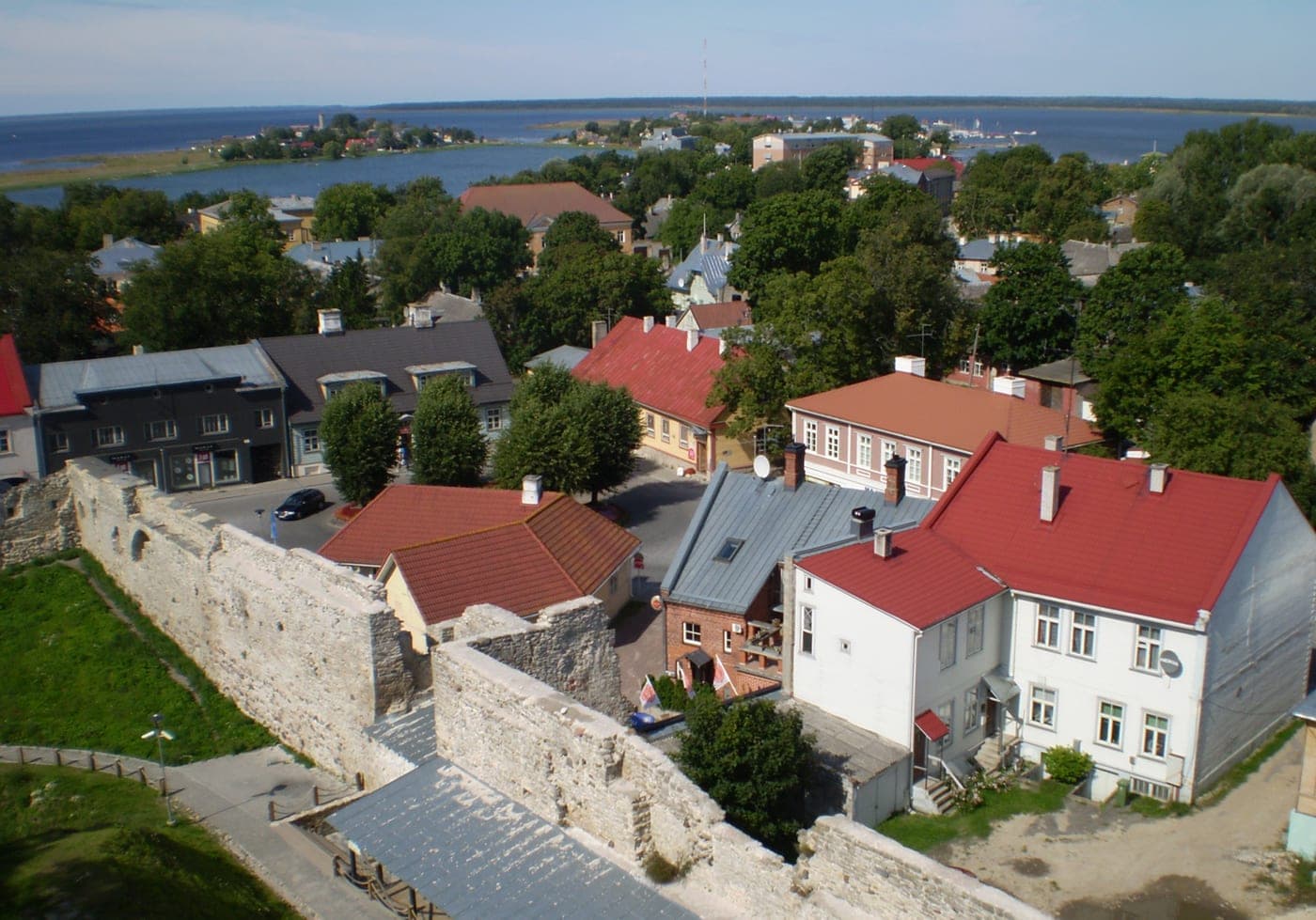
Lääne
Lääne is the smallest region in Estonia, renowned for its stunning coastline along the Baltic Sea. The area is home to Haapsalu, a historic town famous for its wooden architecture and the romantic Haapsalu Castle, which dates back to the 13th century. Visitors can explore the unique cultural heritage of the region, including local folklore and traditional crafts. The region is also known for its diverse nature, with lush forests and bird-rich wetlands, making it ideal for hiking and birdwatching. Lääne hosts several local festivals celebrating Estonian culture, such as the Haapsalu's annual Medieval Days, providing an authentic glimpse into the lifestyle and traditions of the area.
Boat RentalsHiking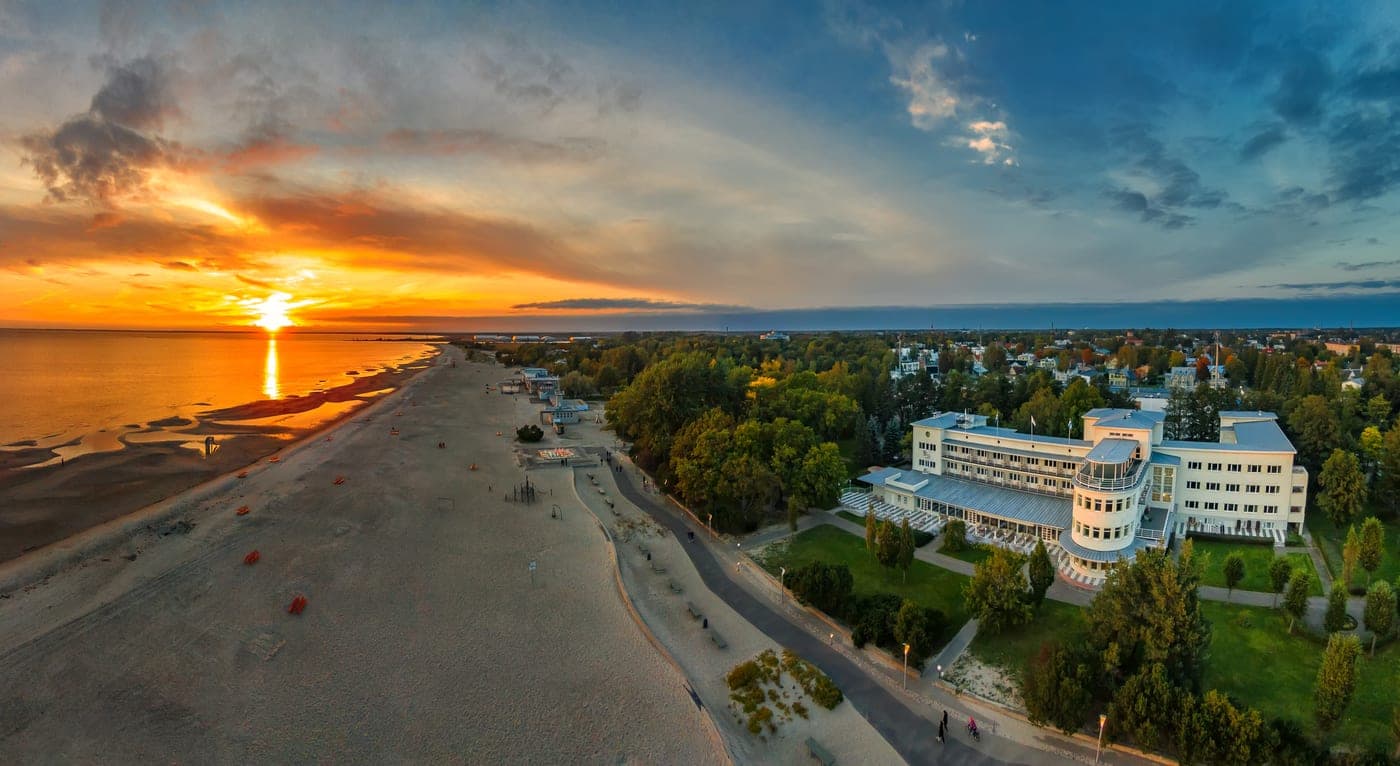 Boat Rentals1 destination
Pärnu
Pärnu is Estonia's summer capital, renowned for its sandy beaches and vibrant cultural scene. This region features Estonia's only coastal city, where visitors can explore the historical old town, known for its wooden architecture and charming cafes. Pärnu is also the gateway to the Pärnu Bay, a UNESCO Biosphere Reserve, rich in birdlife and unique ecosystems. The region hosts various local festivals, including the Pärnu Film Festival, which showcases emerging filmmakers. Nearby, the small towns of Kihnu and Manija offer insights into traditional Estonian life, with unique crafts and customs. Pärnu's spa culture adds to its allure, attracting those looking for wellness and relaxation experiences.
Boat RentalsHiking