Rukkileib (black rye bread)
The loaf Estonians will not throw away
- Vegetarian
- Local name
- Rukkileib
- Served with
- Butter, sprats
- Pairs with
- Kali (bread kvass)
What it is
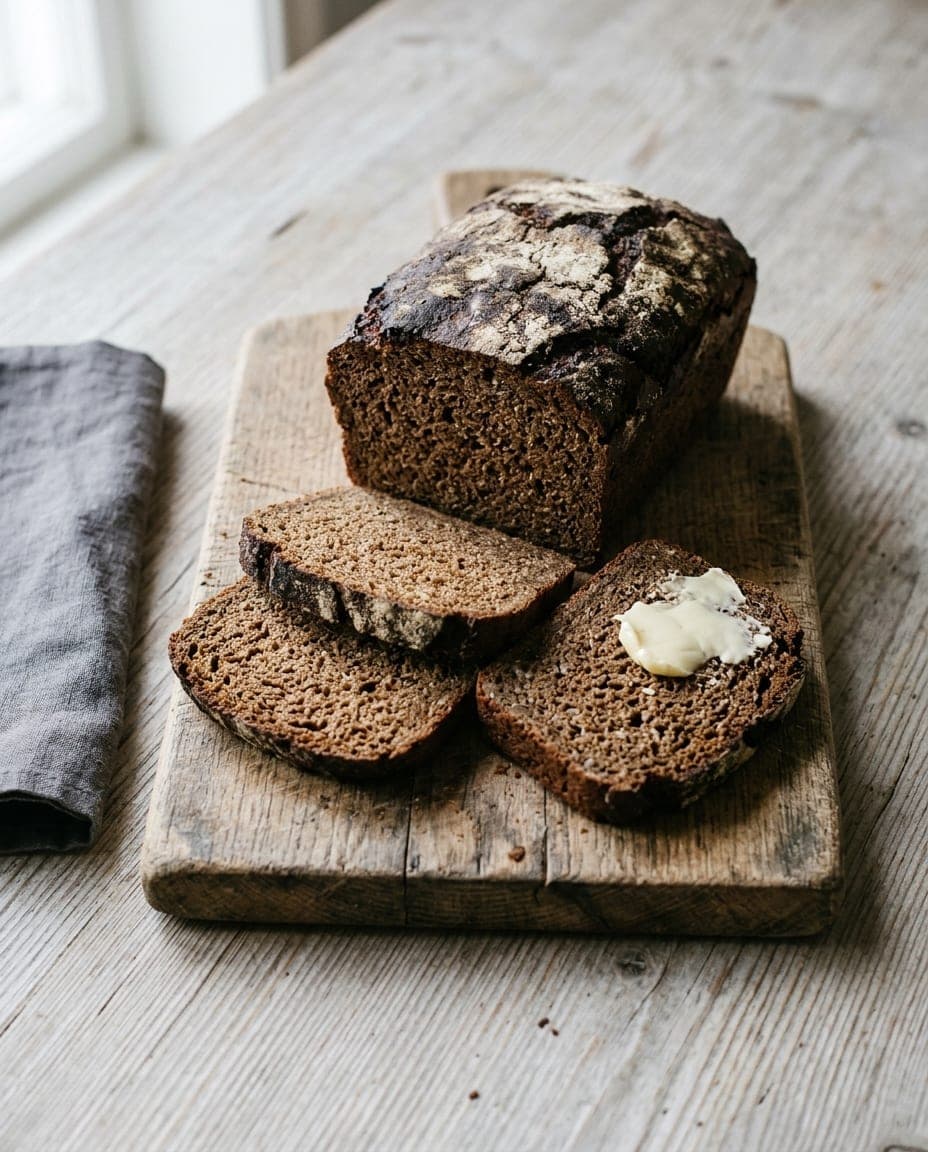
Rukkileib — black bread, in the English Estonians use for it — is the bread of the country. A dense, dark, close-crumbed loaf of wholegrain rye raised on a sourdough culture, sour from the fermentation and faintly sweet from the grain and a little malt.
It is on the table at every meal, and it is not interchangeable with the white bread sold beside it. Two things surprise visitors: the weight of a loaf in the hand, and how long it keeps — a week and more, because the acidity and the close crumb hold off both staleness and mould.
The history of black bread
Rye has been cultivated in the Baltic region for centuries, long before the modern nation of Estonia was formed. The climate is too cool and the soil too poor for reliable wheat harvests in many areas, so rye became the grain that fed the population. Over generations, bakers developed methods to turn this hardy grain into a stable, edible loaf using sourdough cultures rather than commercial yeast.
The tradition of baking rukkileib is deeply woven into rural life. In the past, every farm would maintain its own sourdough starter, often passed down through families or shared between neighbours. A healthy culture was a point of pride, and a household whose starter failed could borrow a little of a neighbour's to keep its bread going.
Loaves differ from bakery to bakery and from farm to farm — more or less malt, a little more water, a longer sour — and every region, the islands included, has its own habits. The principle does not change: rye, a sour culture, salt, time.
What goes into it
The ingredients for rukkileib are simple and few, which makes the result all the more impressive. The primary component is wholegrain rye flour, which contains the bran and germ of the grain. This gives the bread its dark colour and its earthy flavour. Water is added to create a batter that is often thick and sticky before it goes into the oven.
The heart of it is the starter, juuretis, the sour culture kept alive from bake to bake and in many households for decades. It gives the bread its acidity, and the acidity is also what preserves it. Salt goes in for taste and to slow the ferment down.
In many traditional bakeries, a small amount of molasses or malt syrup is included to deepen the colour and add a hint of sweetness that balances the sourness. The batter is poured into round or rectangular tins and baked slowly in a hot oven until the crust is dark and hard. The result is a loaf that can be sliced thinly or torn by hand.
How it is eaten
Estonians treat bread with a seriousness that surprises visitors. A dropped piece is picked up — traditionally kissed before being set back on the table — and not thrown away. Children are told not to play with it. The habit comes from centuries in which rye was the difference between a bearable winter and a hungry one, and it has outlasted the hunger by generations.
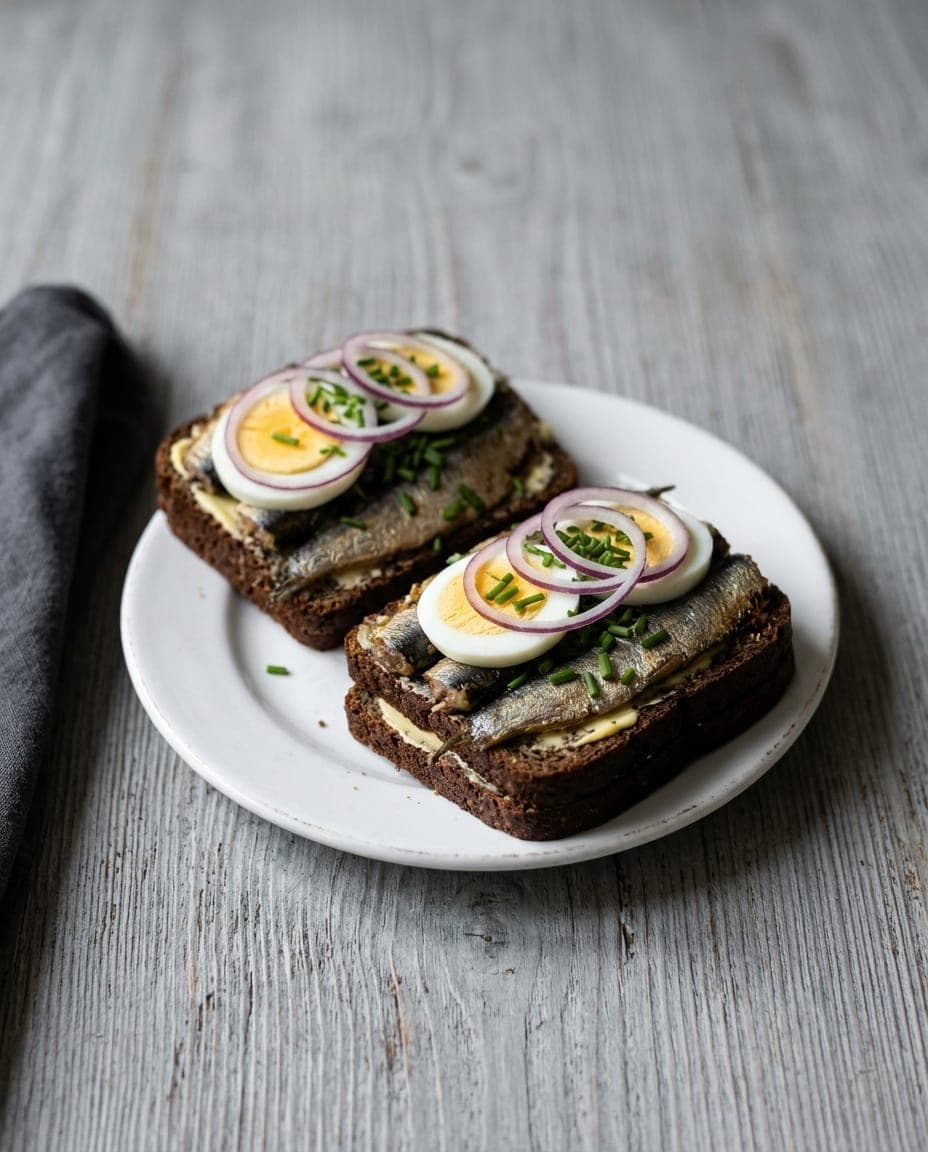
The most common way to eat rukkileib is simply with a generous layer of butter. The cool fat contrasts with the sour crumb. It is also the base for spiced salted sprats (vürtsikilu), usually with a slice of boiled egg, which makes kiluvõileib, the sprat sandwich found at every Estonian party table.
Bread plays a central role in soup as well. A bowl of pea soup or potato soup is rarely eaten without a side of rukkileib to dip into the broth. The dense texture holds up well against liquid, soaking up the flavour without falling apart.
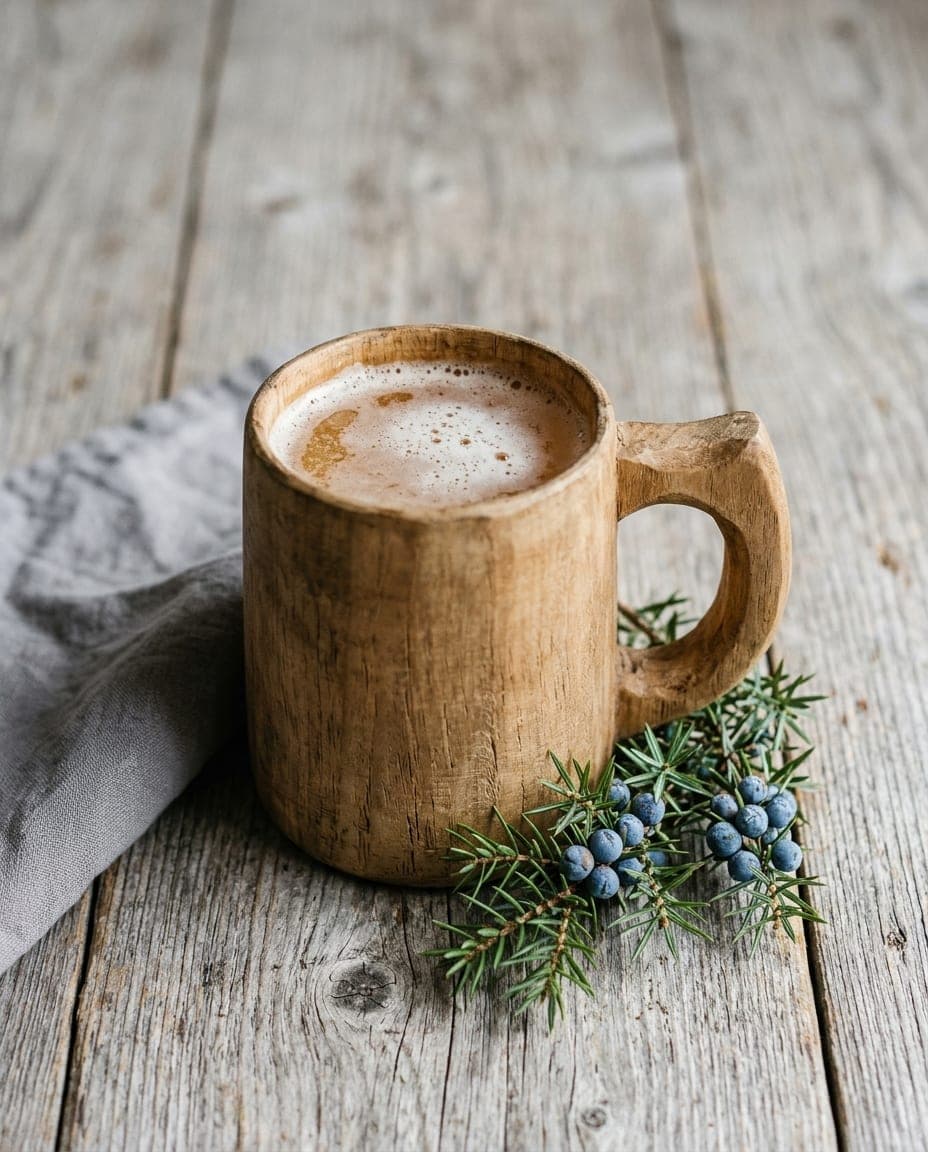
The bread has a second life as a drink. Homemade kali is made by fermenting rye bread in water for a few days — stale loaves, usually — and comes out dark, sour and barely alcoholic. The bottled kali sold in Estonian shops today is mostly made from malt concentrate and carbonated; the homemade kind was the ordinary thirst-quencher of the working day.
Curious facts
- The sourdough culture lasts generations. Many households keep their starter alive for years, adding flour and water regularly to feed it.
- Bread is sacred. Dropping a piece of bread is considered disrespectful in traditional Estonian belief; it is picked up and, by old custom, kissed.
- It keeps for a week and more. The acidity of the sour and the close crumb hold off staleness and mould far longer than a wheat loaf manages.
- A drink from bread. The fermented drink kali is traditionally made from rye bread, turning a solid staple into a liquid refreshment.
- No two bakeries agree. The malt, the water and the length of the sour vary from baker to baker, and Estonians have firm views about which loaf is the right one.
Where to try it
It needs no seeking out: every shop in Estonia sells it, and a bakery counter will have several kinds. The ones worth buying are from the small bakeries that sell the day's bake and nothing older, and from farm shops and market stalls, in the west as elsewhere, where some loaves still come out of wood-fired ovens.
In a restaurant, bread arrives before anything is ordered, and in a rural inn it will be must leib with butter and salt. The one thing worth asking for is a thick slice rather than a thin one; it is a bread that improves with something to bite.
Where to try it
2 regions
 Boat Rentals1 destination
Hiiumaa
Hiiumaa, Estonia's second-largest island, is distinct for its rich maritime history and diverse natural landscapes. Known for its lighthouses, including the iconic Kõpu Lighthouse, one of the oldest in the Baltic Sea, the island offers a blend of coastal charm and rural tranquility. The island features small villages like Käina and the unique, traditional fishing culture of the local population. Hiiumaa is famous for its beautiful nature trails, pristine beaches, and birdwatching opportunities, particularly in the Kihnu Nature Reserve. The island's local cuisine highlights fresh seafood and traditional Estonian dishes. With its low population density and relaxed atmosphere, Hiiumaa encourages exploration at a leisurely pace, making it an ideal spot for those seeking a deeper connection with nature and local culture.
Boat Rentals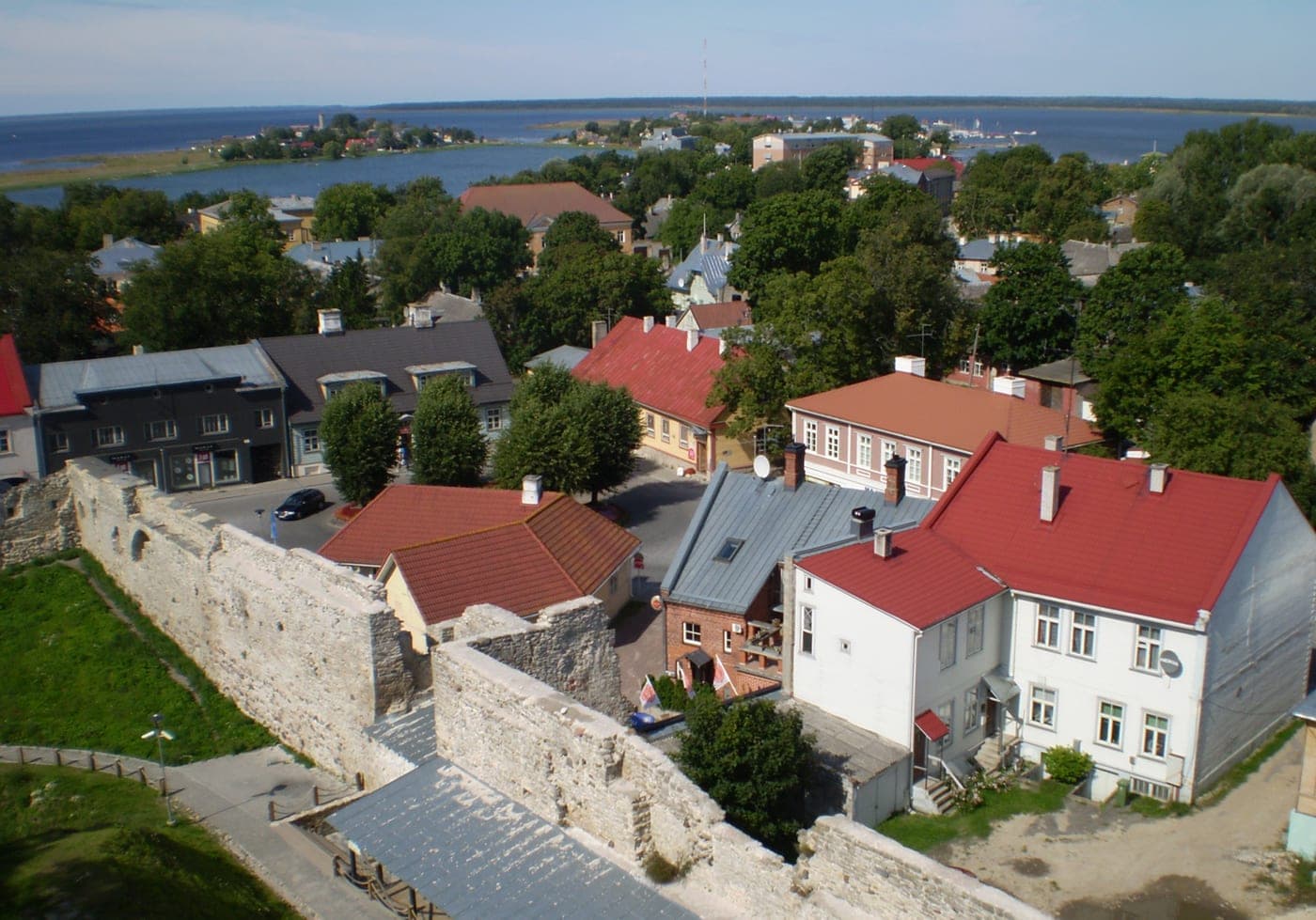 Boat Rentals1 destination
Lääne
Lääne is the smallest region in Estonia, renowned for its stunning coastline along the Baltic Sea. The area is home to Haapsalu, a historic town famous for its wooden architecture and the romantic Haapsalu Castle, which dates back to the 13th century. Visitors can explore the unique cultural heritage of the region, including local folklore and traditional crafts. The region is also known for its diverse nature, with lush forests and bird-rich wetlands, making it ideal for hiking and birdwatching. Lääne hosts several local festivals celebrating Estonian culture, such as the Haapsalu's annual Medieval Days, providing an authentic glimpse into the lifestyle and traditions of the area.
Boat RentalsHiking