Estonian island farmhouse beer (koduõlu)
Raw, juniper-filtered home beer from Estonia's western islands
- Alcoholic
- Local name
- Koduõlu (also taluõlu, 'farm beer')
- Served
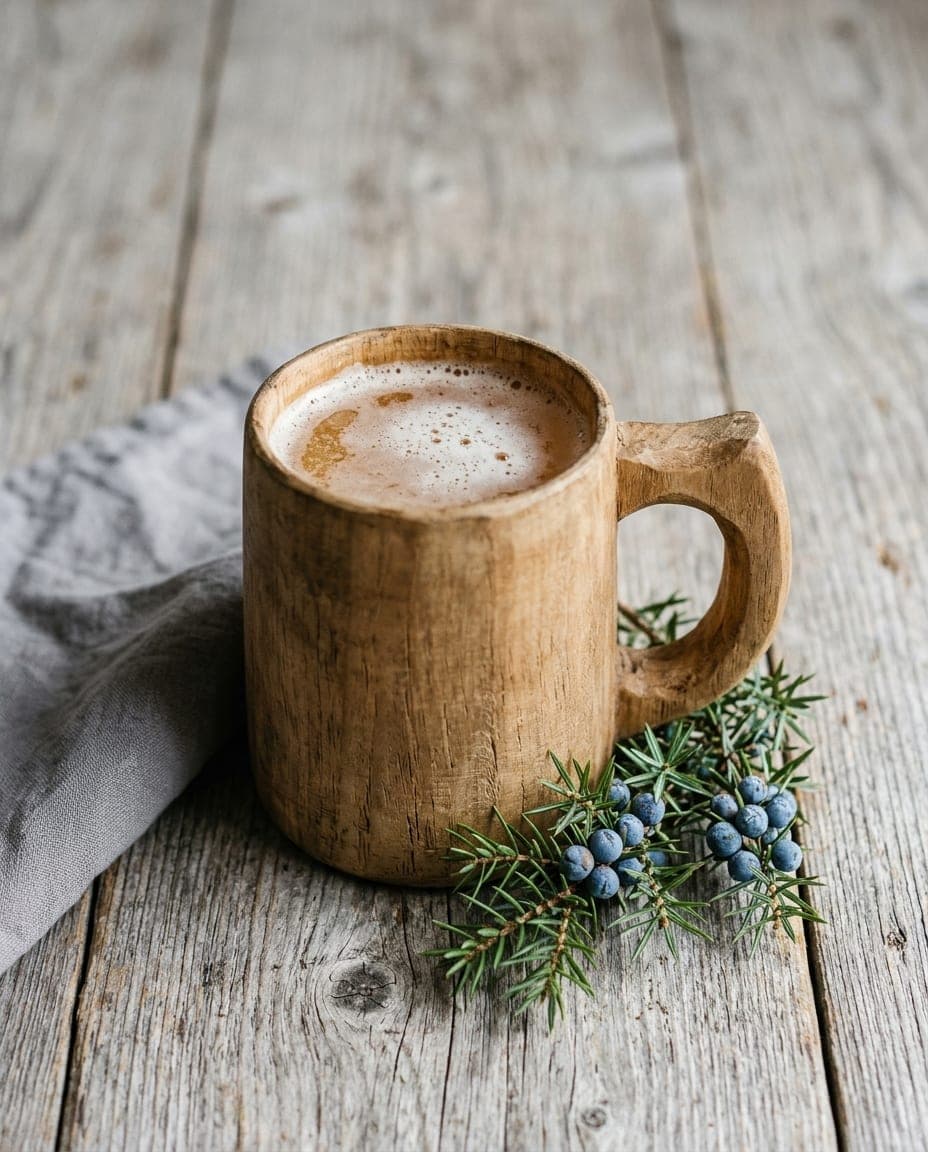
- Fresh and cool, poured from a jug or passed round in a wooden tankard
- Best eaten at
- A farm smokehouse or a small brewery taproom on Saaremaa
- Pairs with
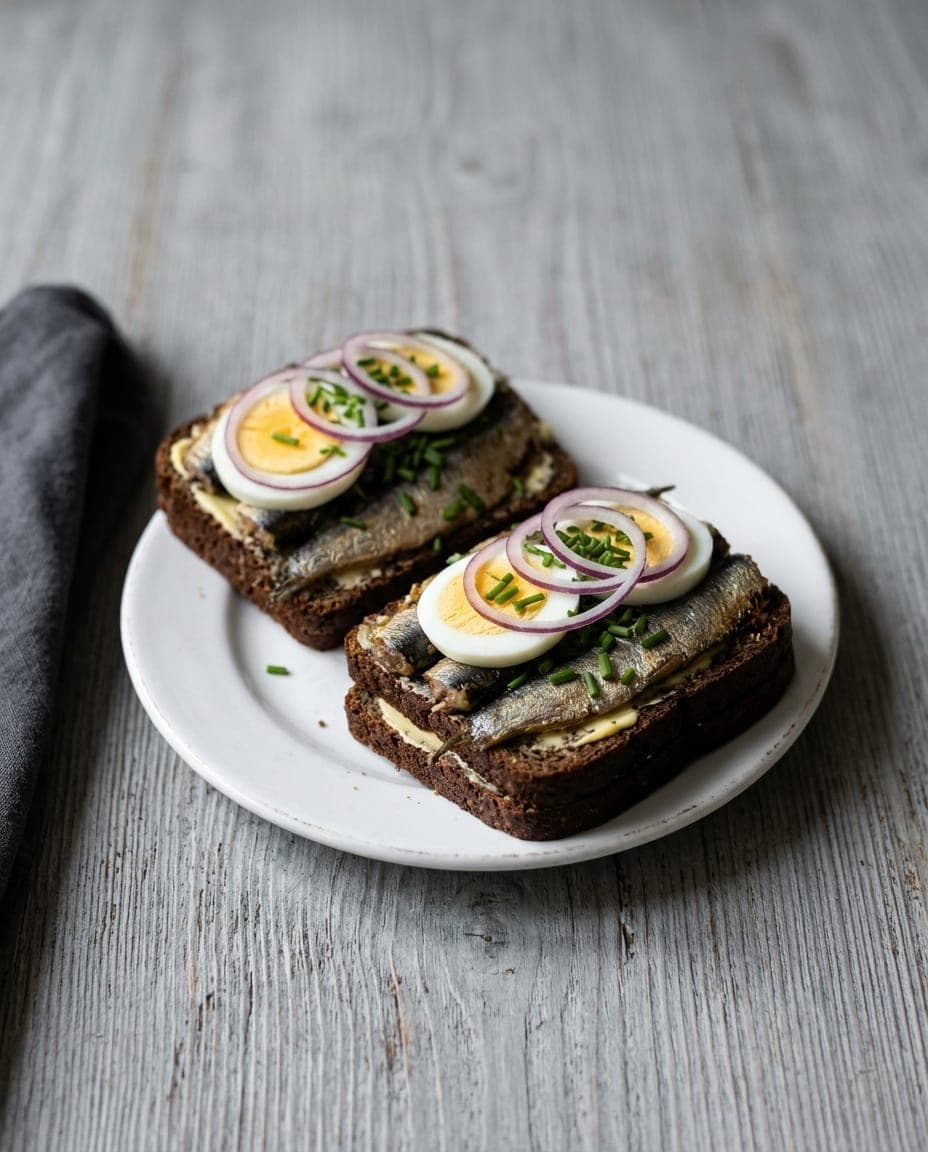
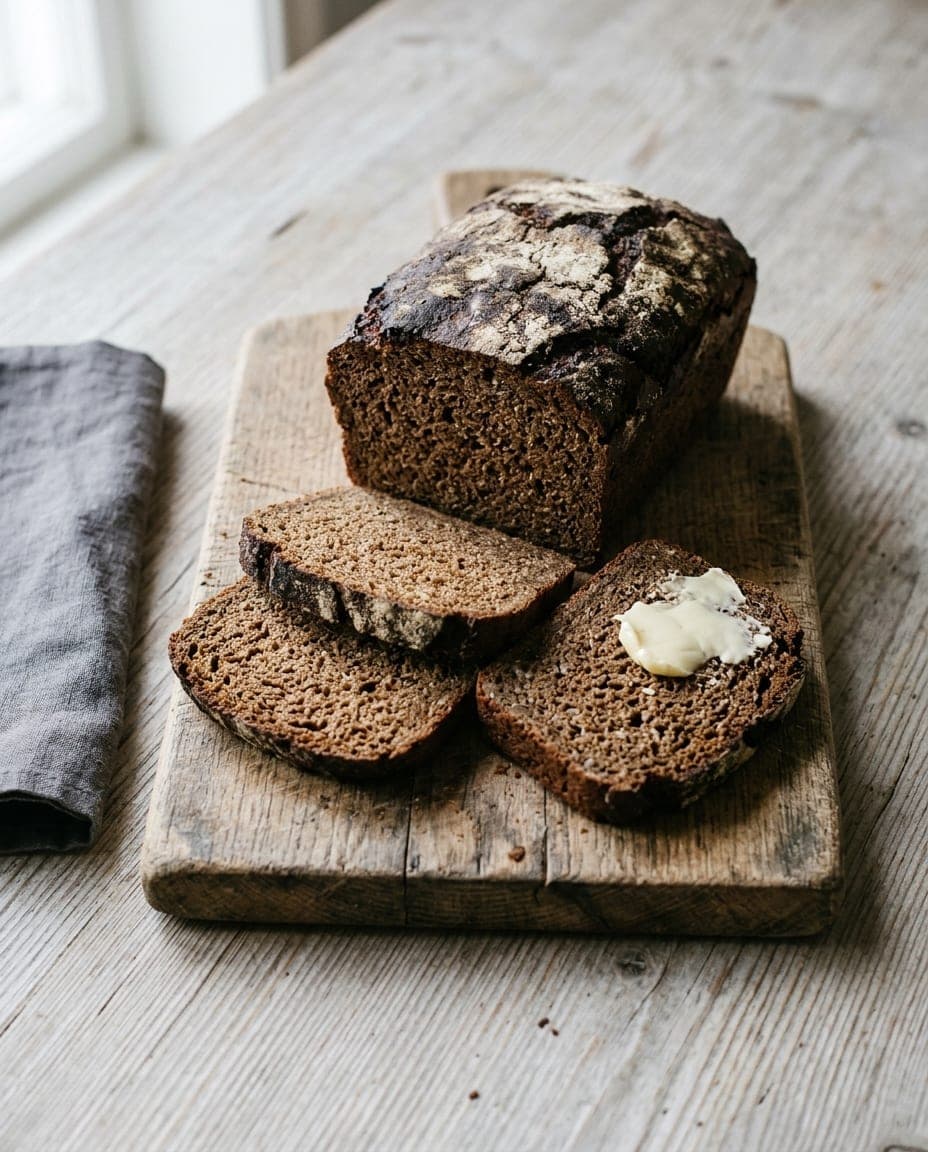
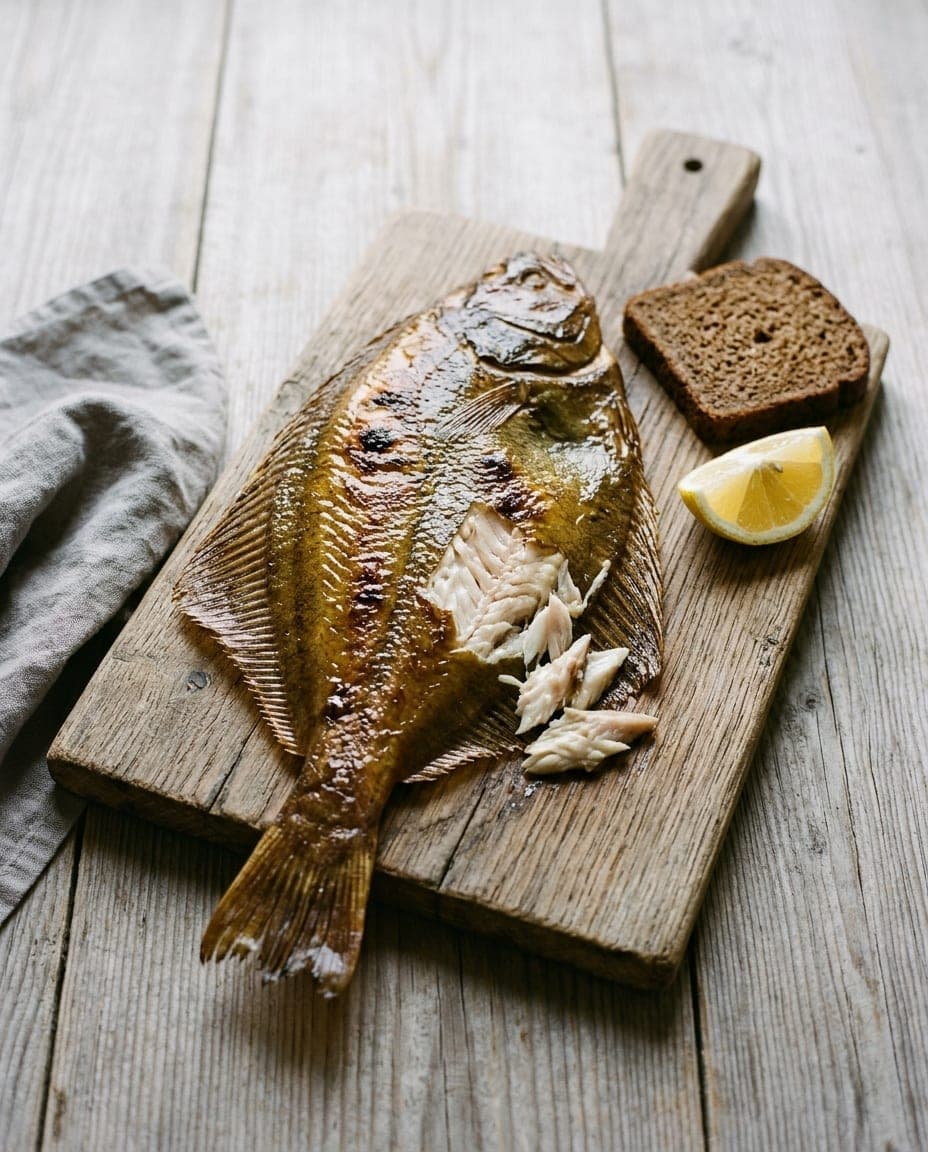
- Hot-smoked fish and dark rye bread
What it is
Koduõlu means simply "home beer". Once it was the name for any beer brewed on an Estonian farm; today it refers above all to the farmhouse ale of the western islands, Saaremaa first and foremost, together with neighbouring Muhu and Hiiumaa. The phrase taluõlu, "farm beer", is used for the same thing.
It is not a beer in the modern, bright-and-fizzy sense. A glass of koduõlu is hazy and usually a pale, opaque yellow, sometimes tending to brown, with very little carbonation. It tastes sweetish and full-bodied, with notes of straw, fresh grain and a faint resin from juniper, and very often a strong smell of banana from the yeast. It is often fairly strong, around 6 to 8 per cent, and meant to be drunk within days of brewing rather than kept.
Where it comes from
Beer has been brewed in what is now Estonia for a very long time; the first written reference to it in the area dates from 1284. For centuries, brewing was an ordinary farm task, like baking bread, and the beer was made for the household and its guests rather than for sale.
On the mainland, this household brewing faded during the twentieth century, and especially in the Soviet decades. The islands were remote enough to keep it: there, brewing carried on in farm outbuildings and saunas, using equipment handed down through families. Some of the wooden vessels still in use are older than the grandparents of the people brewing in them.
The beer was tied to the calendar. Midsummer and Christmas were the great brewing occasions, and Christmas beer was traditionally meant to last until Candlemas at the start of February. Today, few households still bring home-brewed beer to the Christmas table, and in 2025 the Saaremaa folk culture society said it wanted island home beer recognised on Estonia's list of intangible cultural heritage.
From the early 1990s, a few small commercial breweries on Saaremaa began selling beer in the koduõlu style, which is how most visitors meet it now.
How it is made
The method is what sets koduõlu apart from almost every other beer in Europe.
- The malt. Barley is the grain. Some farmers still malt their own, germinating it and drying it gently in an outbuilding; historically, islanders dried malt in the sun on cloth or old sails. Malting takes a week or more and is harder work than the brewing itself, so many brewers now buy pale malt instead.
- The mash. The malt is steeped in hot water for several hours in a wooden tub.
- The juniper. The bottom of the straining vessel is packed with young, green juniper branches, with or without berries, and the sweet liquid, the wort, runs off through them. Some brewers also steep juniper in the rinsing water. The juniper acts as a filter and leaves a resinous edge that stands in for much of the bitterness hops would give.
- No boil. The wort is not boiled. This makes koduõlu a "raw ale", which accounts for its haze, its full body and its green, grainy flavour.
- The hops. Hops are boiled separately into a kind of tea and added to the mash or wort, mainly to stop the beer souring rather than for flavour.
- The yeast. Families once kept their own yeast cultures, passed from batch to batch. When packaged baker's yeast became easy to buy after independence, most switched to it, and one researcher who looked for surviving island yeasts found none. Fermentation is warm and fast, often over within a day or two, and the beer is drunk a few days later.
How it is drunk
At home, koduõlu is served from whatever it was fermented or stored in: a jug, a bucket or a barrel. The traditional island vessel is a large wooden tankard, the õllekapp, which was filled and passed around the table. It is drunk cool rather than ice-cold, and it belongs with food. Smoked fish is the classic companion, along with dark rye bread; the sweetness and body of the beer stand up well to the salt and oil.
Because it is unboiled and only naturally carbonated, koduõlu does not travel or keep well.
Curious facts
- A close cousin of sahti. Finland's farmhouse ale, sahti, is also made with juniper and an unboiled wort, often with rye alongside barley, and it has protected status in the EU. Koduõlu is often described as the closest relative to sahti in flavour, nearer even than Gotland's gotlandsdricka.
- Banana in the glass. The fruity banana aroma common to both comes from baker's yeast fermenting warm.
- Small beer and no beer. Second runnings from the mash can make a weak "small beer", and soured spent grain can make taar, a drink with almost no alcohol.
- Other herbs. Juniper is the signature, but Estonian farm brewers have also used plants such as sweet gale (bog myrtle).
Where to try it
The truest koduõlu is still brewed privately, and the only reliable way to drink it is to be invited to a farm, ideally around Midsummer. For visitors, the more practical options are these.
On Saaremaa, small breweries brewing in the farmhouse style have taprooms in the countryside, and a village in the east of the island has long been the centre of commercial koduõlu. Farm smokehouses and country restaurants sometimes pour home beer with a smoked-fish meal, though it may not be on the menu; it is worth booking ahead and asking. On Hiiumaa, brewpubs make more polished versions of the style. Beer bars in Tallinn occasionally carry Saaremaa farmhouse beer on tap for those who cannot reach the islands.
The islands are a summer place, with fewer ferries and many places closed out of season. Ask for koduõlu or taluõlu by name, and expect it cloudy, flat and fresh.
Where to try it
1 region
 Boat Rentals1 destination
Hiiumaa
Hiiumaa, Estonia's second-largest island, is distinct for its rich maritime history and diverse natural landscapes. Known for its lighthouses, including the iconic Kõpu Lighthouse, one of the oldest in the Baltic Sea, the island offers a blend of coastal charm and rural tranquility. The island features small villages like Käina and the unique, traditional fishing culture of the local population. Hiiumaa is famous for its beautiful nature trails, pristine beaches, and birdwatching opportunities, particularly in the Kihnu Nature Reserve. The island's local cuisine highlights fresh seafood and traditional Estonian dishes. With its low population density and relaxed atmosphere, Hiiumaa encourages exploration at a leisurely pace, making it an ideal spot for those seeking a deeper connection with nature and local culture.
Boat Rentals