
Photo by Hermann A.M. Mucke · license: CC BY 3.0
Celtic roots beneath Weinviertel vines
Roseldorf lies in the Weinviertel, Lower Austria's wine country north of the Danube. Beneath its fields sits one of the most significant Celtic Iron Age settlements found in Austria. Excavations have uncovered settlement remains dating back more than two thousand years, with finds from the dig displayed at a small archaeological museum in the village.
The land around it carries a different, equally old tradition. Vineyards planted mostly with Grüner Veltliner, the grape that defines Weinviertel wine, spread across the low hills. Local Heurigen, seasonal wine taverns, open through the year to pour the current vintage alongside simple, hearty food. Gravel paths link the vineyards, passing close to the excavation grounds and the gentle rises that mark the old settlement's edges.
From the road, Roseldorf's fields look like any other in the Weinviertel until a marker or reconstructed section reveals what lies underneath. That layering of quiet farmland over deep history gives the village its particular place among Lower Austria's wine villages.
 3 km
Village known for its stunning vineyards and traditional wine cellars.
 4 km
Village known for its historic wine cellars and scenic vineyards.
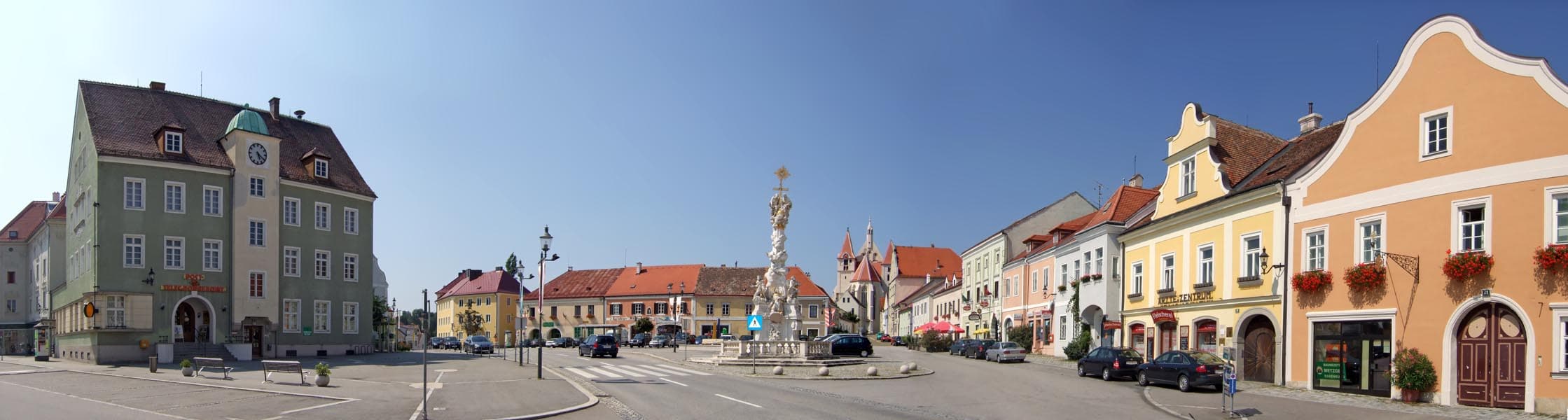 4 km
Medieval walled town with fortifications and Weinviertel wine culture.
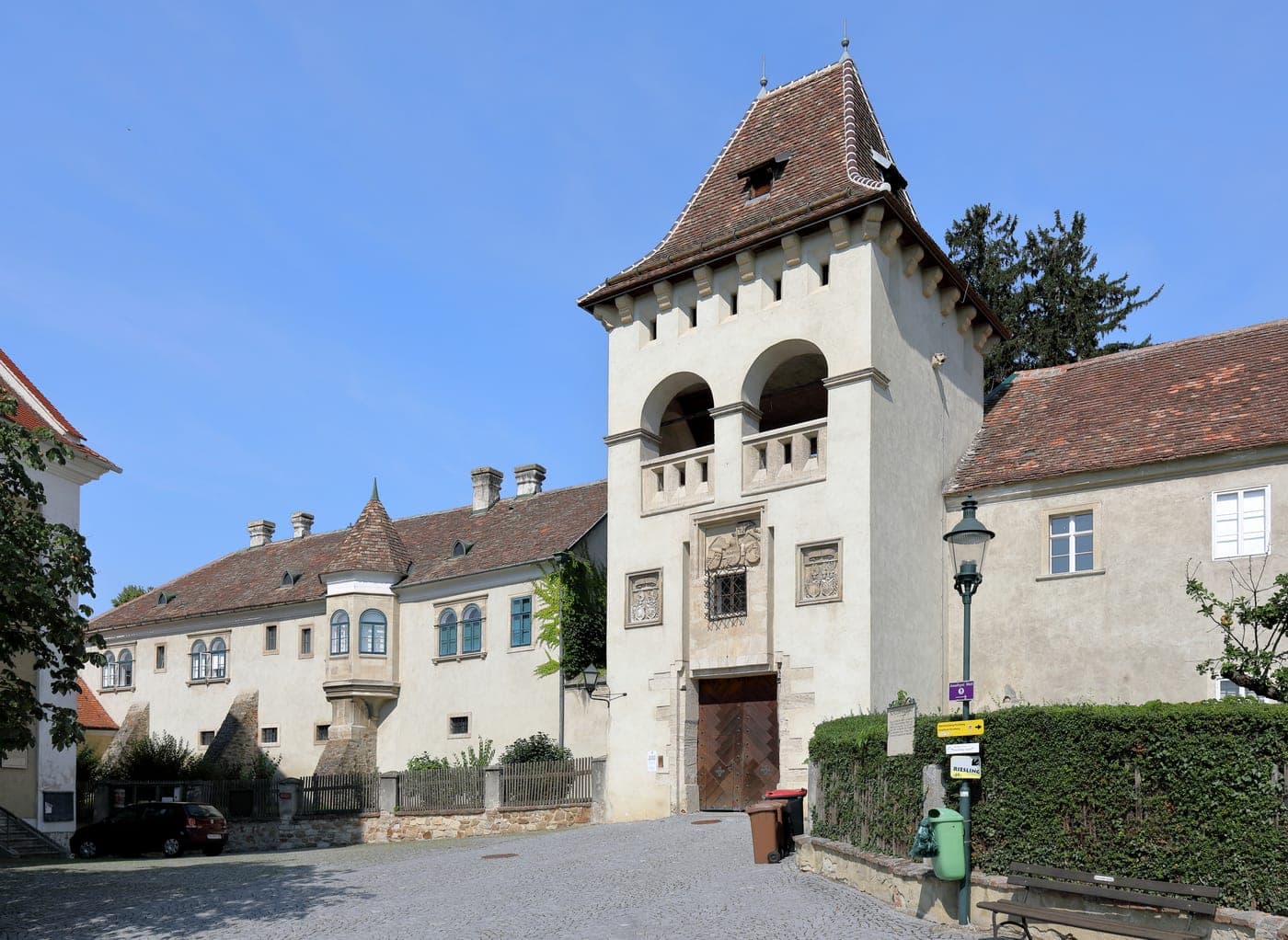 5 km
Amethyst village with historic castle and Weinviertel wine culture.
 6 km
 6 km
Village known for its traditional wine cellars and stunning countryside views.
Drop the places you like into one list. The planner orders them by day and works out the distances.
Get slow travel tips delivered to your inbox
A short message when something worth the trip lands. Reply STOP anytime.
By subscribing, you agree to be contacted via WhatsApp. Privacy policyOccasional letters in your inbox — with recommendations, maps and routes.
By subscribing to newsletter, you agree to our privacy policy.