A Slow Traveller's Guide to Europe in January 2027
New Year concerts, Three Kings processions and the first carnival stirrings.
January in Europe is quiet and local. The big festivals are over, but villages mark the turn of the year with their own small traditions — brass bands playing in the square, Epiphany processions through the streets, the first carnival balls of the season. These are not events built for visitors, which is exactly why they reward the trouble of showing up.
Austria
Austria's January calendar is built around New Year concerts and the first Fasching gatherings, mostly in villages that expect no particular audience.
Advertisements
Neujahrsspiel - Blasmusik Königstetten
1 January · Königstetten, Lower Austria · Official calendar
A brass band playing in a vineyard village on New Year's Day itself, outdoors or in the village hall depending on the weather. This is as small and as local as the genre gets — no program beyond the band's own repertoire, no ticket, no expectation of a crowd. Worth it mainly for the setting: a village surrounded by vineyards, on the first morning of the year, with nothing else open.
Traditionelles Neujahrskonzert des MV Stadtkapelle Güssing
2–3 January · Güssing, Burgenland · Official calendar
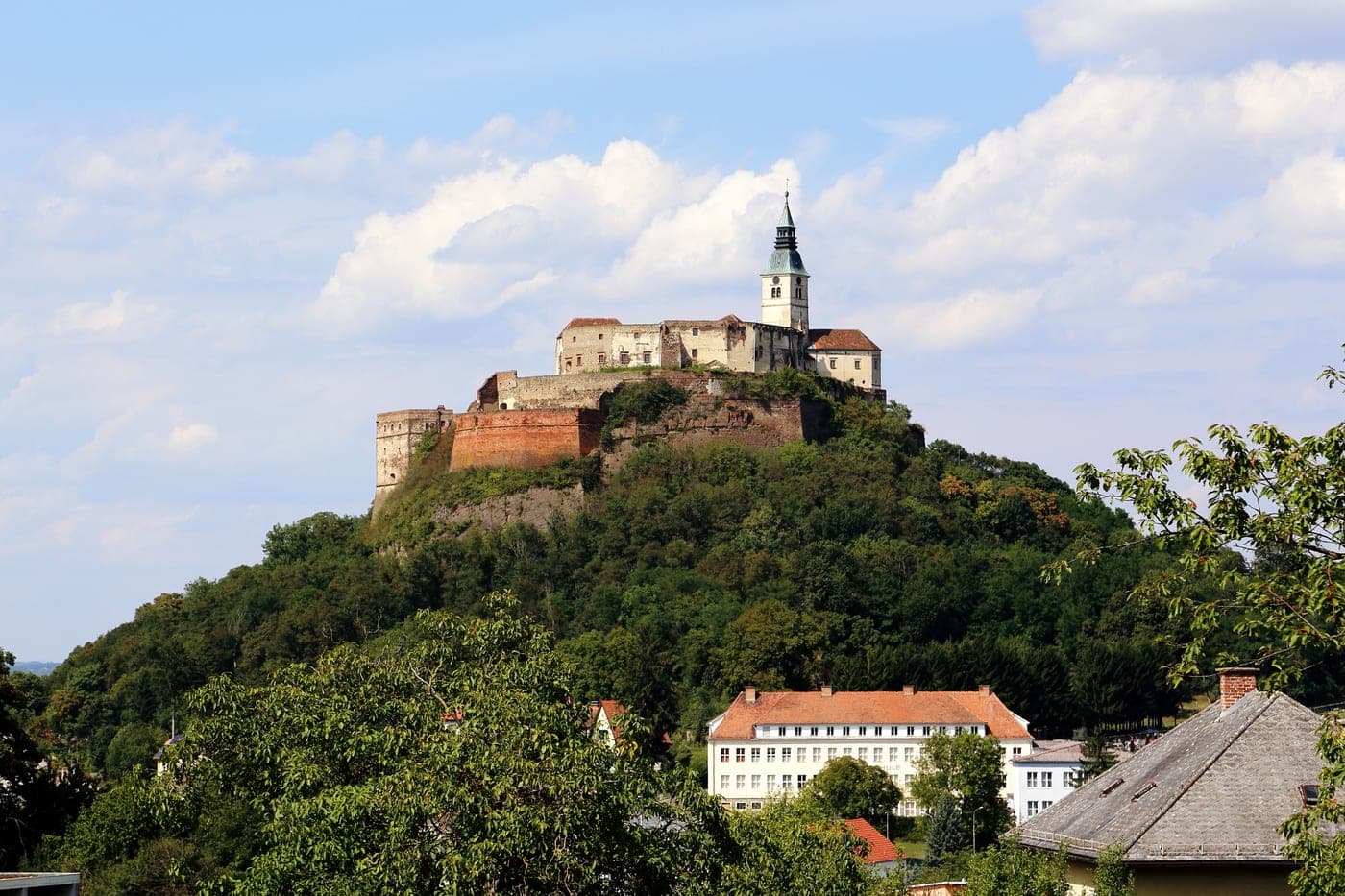
The town band's New Year concert is a fixture rather than an occasion — the kind of event that happens whether or not anyone from outside town turns up. Expect a program of marches, waltzes and local favourites, played in a hall rather than a square, with the hilltop castle visible on the way in and out. It is a good way to see how a small Burgenland town actually spends the first days of the year, away from any New Year's Eve spectacle.
Trachtenball
2 January · Heimschuh, Styria · Official calendar
A costume ball — Tracht meaning traditional dress, not fancy dress — held in a wine village in a landscape often compared to Tuscany. These balls run through the Austrian winter in village halls, with live music, formal dress and a strong sense of occasion for people who have been coming for years. Visitors are welcome, and the wine on offer is the village's own.
Faschingsmarkt
25 January · Bad Radkersburg, Styria · Official calendar
A carnival market strung through the streets of a Renaissance riverside town, with stalls selling food and small goods rather than costumes — the market comes before the main carnival season, a way of marking that it has begun. Bad Radkersburg's preserved old town, with its thermal spa reputation usually drawing a summer crowd, is worth seeing half-empty and under grey January sky. It is open to anyone passing through, with none of the ticketing or performance of a city carnival event.
Fischwochen im Buschenschank Jatschka
29–31 January · Stetten, Lower Austria · Official calendar
A Buschenschank is a rustic wine tavern, typically run by the winemaking family itself, open only at certain times of year. This one runs a fish-themed menu for a few days at the end of January, served alongside the farm's own wine in a converted barn or cellar room. It is worth the detour into the vineyards around Stetten precisely because it is not trying to be anything other than what the family serves at home.
Spain
January in Spain's wine country means two things: the Epiphany cavalcades on the fifth, and the saint's-day feasts that follow through the rest of the month.
Advertisements
Cabalgata de Reyes
5 January · Fuenmayor, La Rioja · Official calendar
The Cabalgata de Reyes — the Three Kings cavalcade — is a fixture of Spanish public life on the fifth of January, when the Three Kings parade through town throwing sweets to children before the following day's gift-giving. Fuenmayor's version threads through a historic Rioja wine town, past bodegas that are normally the main reason to visit. It is loud, communal and entirely for the benefit of local families rather than visitors, which is part of its appeal.
Cabalgata de los Reyes Magos
5 January · Lapuebla de Labarca, Rioja Alavesa · Official calendar
The same Epiphany tradition plays out a short distance away in a medieval walled wine village, the parade winding through streets laid out centuries before cars existed. Seeing both cavalcades in the same January — Fuenmayor's and this one — is a way of noticing how a near-identical tradition takes on a different character depending on the town's shape and history. The walls and the bodegas here make for a tighter, more atmospheric route than most.
Día de San Antón Corumbela
15 January · Sayalonga, Andalusia · Official calendar
San Antón is traditionally the patron of animals, and his feast day in small Spanish villages often involves blessings of pets and livestock alongside the usual procession and local food. In this Moscatel-growing mountain village above Málaga, the day is small, entirely local, and a reason to see a place that otherwise has no particular pull on a traveller's itinerary. The sweet wine the region is known for is a fair consolation if the procession itself runs short.
Fiestas de San Vicente Mártir
22 January · San Vicente de la Sonsierra, La Rioja · Official calendar
The patronal feast of San Vicente Mártir fills the streets of the hilltop village that takes his name, with the castle ruins above providing the obvious vantage point over the whole thing. Expect processions, music and the particular energy of a town celebrating its own saint rather than a tourist calendar. The wine village setting means the feast doubles, informally, as an excuse to taste what the local bodegas have put aside for the occasion.
Germany
Faschingszug mit anschließender Faschingsparty
30 January · Langdorf im Landkreis Regen, Bavaria · Official calendar
Bavarian Fasching at village scale: a short carnival procession through Langdorf, followed by a party that is really the main event. Costumes tend toward the homemade rather than the elaborate, and the crowd is the village itself rather than visitors drawn by spectacle. It is a good early marker of the Fasching season proper, which builds through February, and a chance to see a Bavarian village in its working winter state rather than as a postcard.
Advertisements