Banitsa
Bulgaria's breakfast pastry, and its New Year fortunes
- Local name
- Баница
- Served with
- Plain yogurt
- Best eaten at
- A Bulgarian bakery at breakfast
- Pairs with
- Ayran or boza
What it is
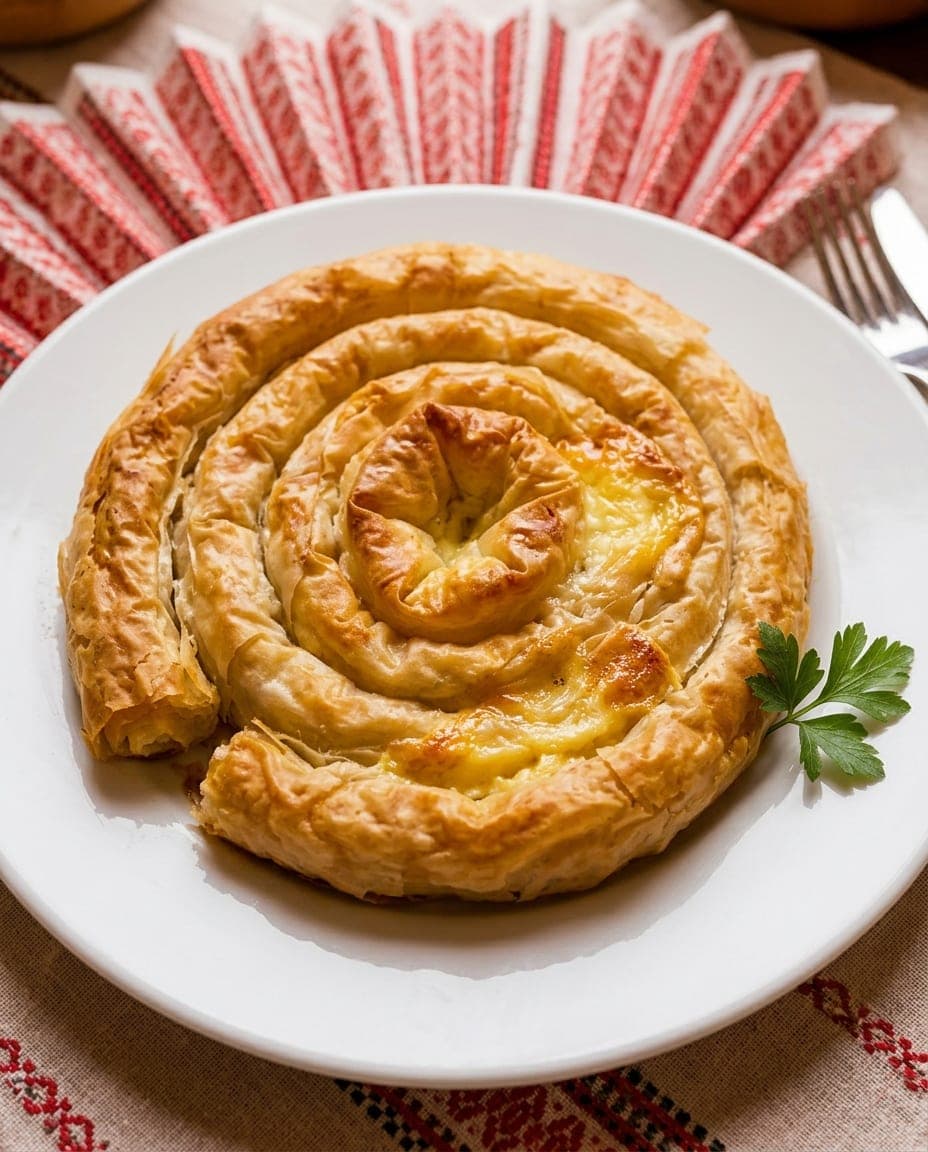
Banitsa is the most familiar pastry in Bulgaria, a savoury dish made from thin sheets of filo dough layered or coiled in a round tin with a filling of sirene, the brined white cheese of the Balkans, beaten with eggs and yogurt. It is baked until the top blisters and turns golden brown, then served warm, usually for breakfast. The pastry was traditionally stretched by hand across a table until it became so thin it seemed to dissolve in the light.
While there are many versions, the classic banitsa relies on a simple rhythm of dough and filling. It is not a cake or a dessert in the Western sense, but a substantial meal that sits comfortably between bread and cheese. In the cities of Burgas and Varna, and across the whole country, it appears at bakeries, markets and home tables from dawn until midday.
The texture is the whole thing: brittle sheets on top, soft and custard-like where the filling has set, salt from the cheese and a faint sourness from the yogurt. It does not keep. An hour out of the oven it is still good and by the afternoon it is a different, sadder pastry.
The making of the layers
The foundation of the dish is kori, the local name for the thin filo pastry sheets. In traditional kitchens, these were not bought in packs but rolled out by hand on a large table dusted with flour. A baker would stretch the dough until it was translucent, then brush it with oil or melted butter before adding the filling. This method created the signature separation of layers that defines the modern version.
Most banitsa today is built from bought sheets, which is not a scandal — the hand-rolled version survives in village kitchens and in a few bakeries, and the difference is in the thinness rather than the taste. The filling is crumbled sirene, salty and briny, beaten with eggs and loosened with yogurt. Some cooks add dill or spring onion; the rest is cheese, egg and oiled pastry.
The assembly usually involves placing a layer of dough in a round tin, spreading a thin coat of filling, adding another sheet, and repeating until the tin is full. The top layer is often brushed with an egg wash or oil to encourage blistering. When baked, the pastry puffs up, creating pockets of steam that separate the sheets into delicate, edible leaves.
A New Year tradition of luck
The most distinctive feature of banitsa in Bulgaria is its role during the New Year celebrations. On New Year's Eve, and in many homes on Christmas Eve as well, a special version called banitsa s kasmeti is baked with lucky charms inside the pastry. Traditionally these were small dogwood twigs with buds, for health and long life; today they are more often coins or paper notes wrapped in foil, hidden within the layers before baking. When the dish is sliced and served, each person receives a piece containing a fortune that predicts their fate for the coming year.
The fortunes vary in tone. Some predict wealth, others travel, marriage or health. A coin found in a slice traditionally promises financial prosperity, while a paper note might contain a specific wish like a new job or a happy family. The act of eating the pastry becomes a communal ritual where everyone waits to see what their slice reveals. This tradition is not limited to one region; it is observed across Bulgaria, though the exact wording of the fortunes may differ from household to household.
The notes are read aloud, which is the point of the whole operation. A household with children will write them to be funny rather than prophetic.
How it is eaten
Banitsa is almost always eaten for breakfast or as a morning snack, often in a Bulgarian bakery at dawn. It is served warm, sometimes still in the tin or transferred to a plate. The pastry is broken by hand into chunks rather than cut with a knife, allowing the layers to separate and reveal the creamy filling inside.
It is rarely eaten dry. A bowl of plain yogurt beside it is standard, and the drink is either ayran, salted yogurt thinned with water, or boza — a thick, barely alcoholic fermented cereal drink, pale brown and sweetish, which visitors either take to immediately or never again. Both are cold and both are there to cut the salt.
On the coast, in Burgas and Varna, the bakeries open before six and sell it by the piece to people on their way to work, wrapped in paper and eaten standing up.
Variants beyond the classic
The cheese version is the default, but the same pastry carries other fillings. Banitsa sas spanak is made with spinach, usually alongside the cheese rather than instead of it, and belongs to spring. Tikvenik is the sweet one: pumpkin with sugar and cinnamon, coiled the same way, eaten as a dessert and at Christmas.
What they share is the method — thin sheets, oil between them, a hot oven — and it is the method rather than the filling that makes something a banitsa.
Curious facts
- The fortune is real. In banitsa s kasmeti, dogwood twigs, coins or paper notes are hidden inside the pastry before baking, and each slice reveals a prediction for the coming year.
- Hand-stretched dough. Traditionally, the filo sheets were rolled out by hand on a table until they were so thin they appeared to dissolve in the light.
- It is a morning pastry. Banitsa belongs above all to breakfast and the mid-morning break; it is rarely thought of as dinner food, festive tables aside.
- Boza is the other half. The thick fermented cereal drink sold beside it in every bakery is the traditional pairing, and it divides visitors sharply.
- The coiled shape is not universal. A round tin of concentric coils and a square tin of flat layers are both banitsa; which one arrives depends on the cook.
Where to try it
A bakery, early, anywhere in Bulgaria — the coastal towns of Burgas and Varna have them open before the first shift — where it is sold by weight from a tray and handed over hot in paper, with a bottle of ayran or boza from the same counter.
The test is temperature. Warm from the tray it is the national breakfast; cold from a chiller cabinet it is a different and much worse pastry, and the queue in front of a bakery at seven in the morning is a reliable sign of which is on sale.
Where to try it
2 regions
 Boat Rentals1 destination
Burgas
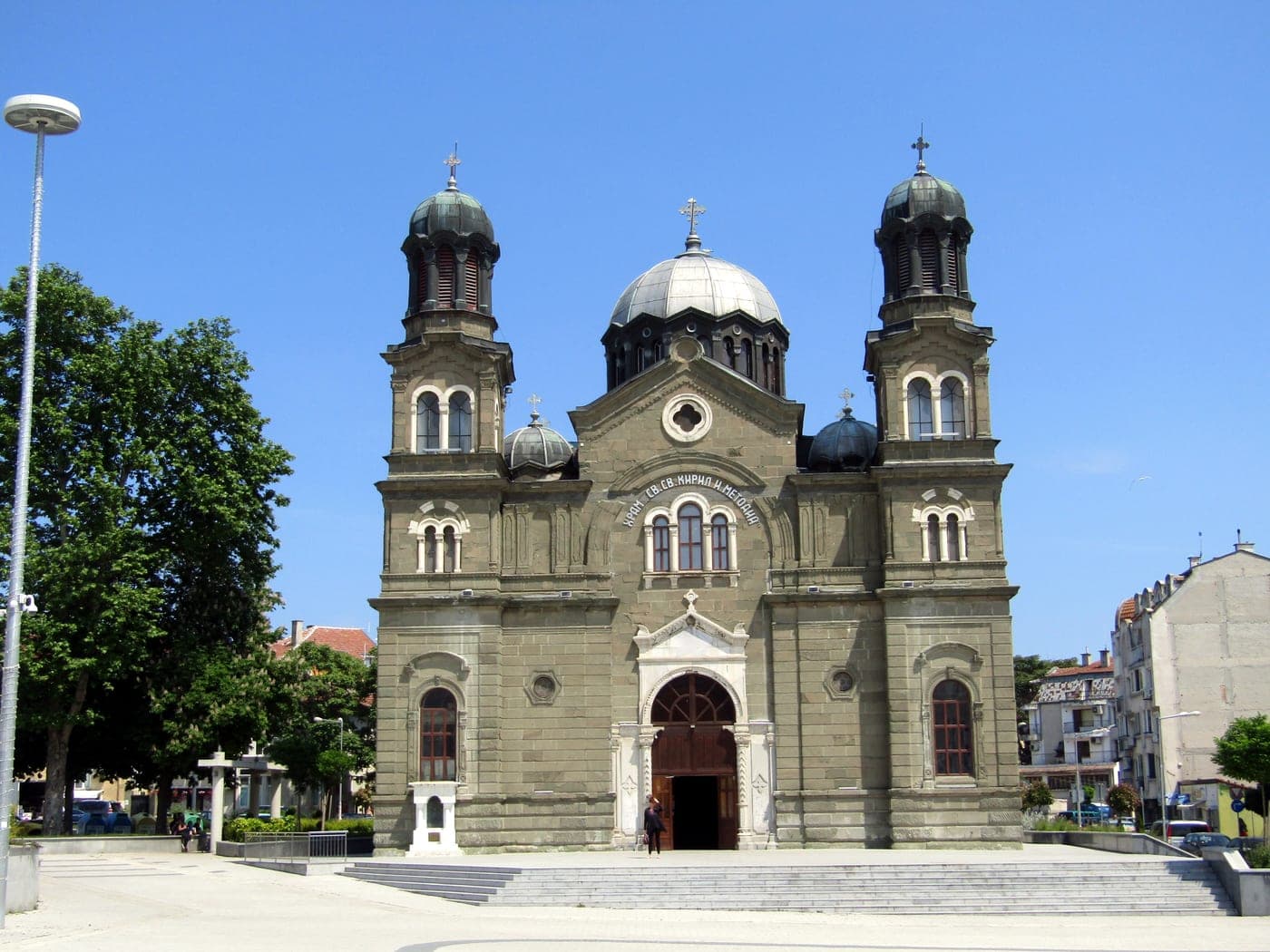
Burgas is the largest city on Bulgaria's Black Sea coast and serves as an important cultural and economic center. Known for its diverse blend of natural beauty and urban life, the region features stunning beaches, lush parks, and the scenic Burgas Lake, attracting bird watchers and nature enthusiasts. The city also hosts the annual Burgas Sand Fest, showcasing intricate sand sculptures. Nearby, the ancient town of Sozopol offers a glimpse into Bulgaria's maritime history with its preserved architecture. This region is unique for its rich folklore and local seafood cuisine, making it a delightful destination for those seeking authenticity away from the crowds.
Boat RentalsHiking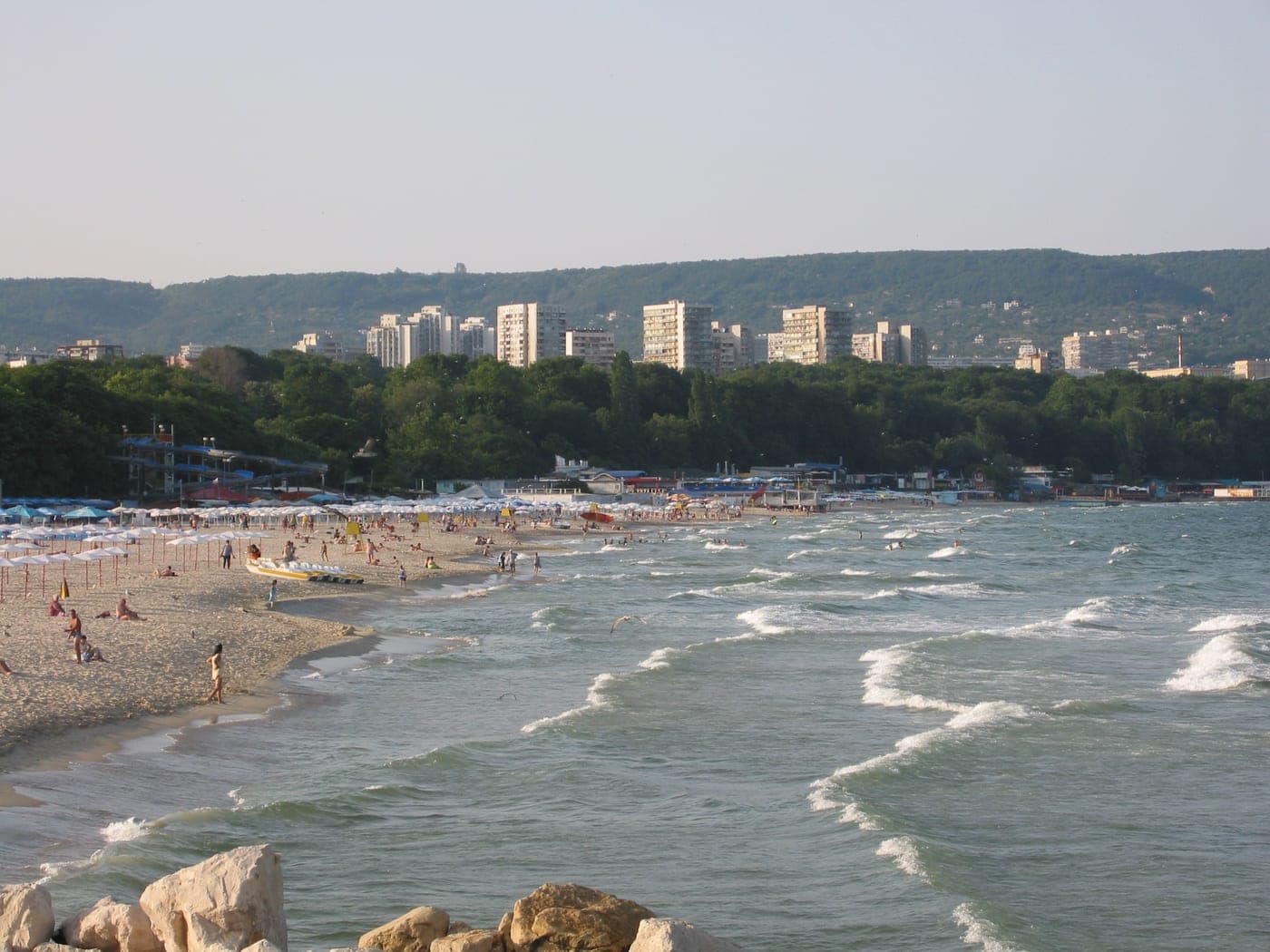 Boat Rentals1 destination
Varna
Varna is Bulgaria's largest coastal city, known for its rich history and diverse cultural heritage. It boasts significant historical sites like the Roman Thermae and the Varna Archaeological Museum, which houses gold artifacts dating back 6,000 years. The city acts as a gateway to the Black Sea, with nearby beaches and resorts, yet also presents opportunities for exploration off the beaten path, such as the charming village of Nessebar and the serene nature of the nearby Golden Sands Nature Park. Varna hosts vibrant local festivals like the Varna Summer International Music Festival, showcasing regional talent and culture. The surrounding countryside offers vineyards and traditional Bulgarian cuisine, making it a delightful region for authentic experiences.
Boat RentalsHiking