Thermal Spas
Roman baths to alpine springs — centuries of unhurried bathing

Where to soak
Austria
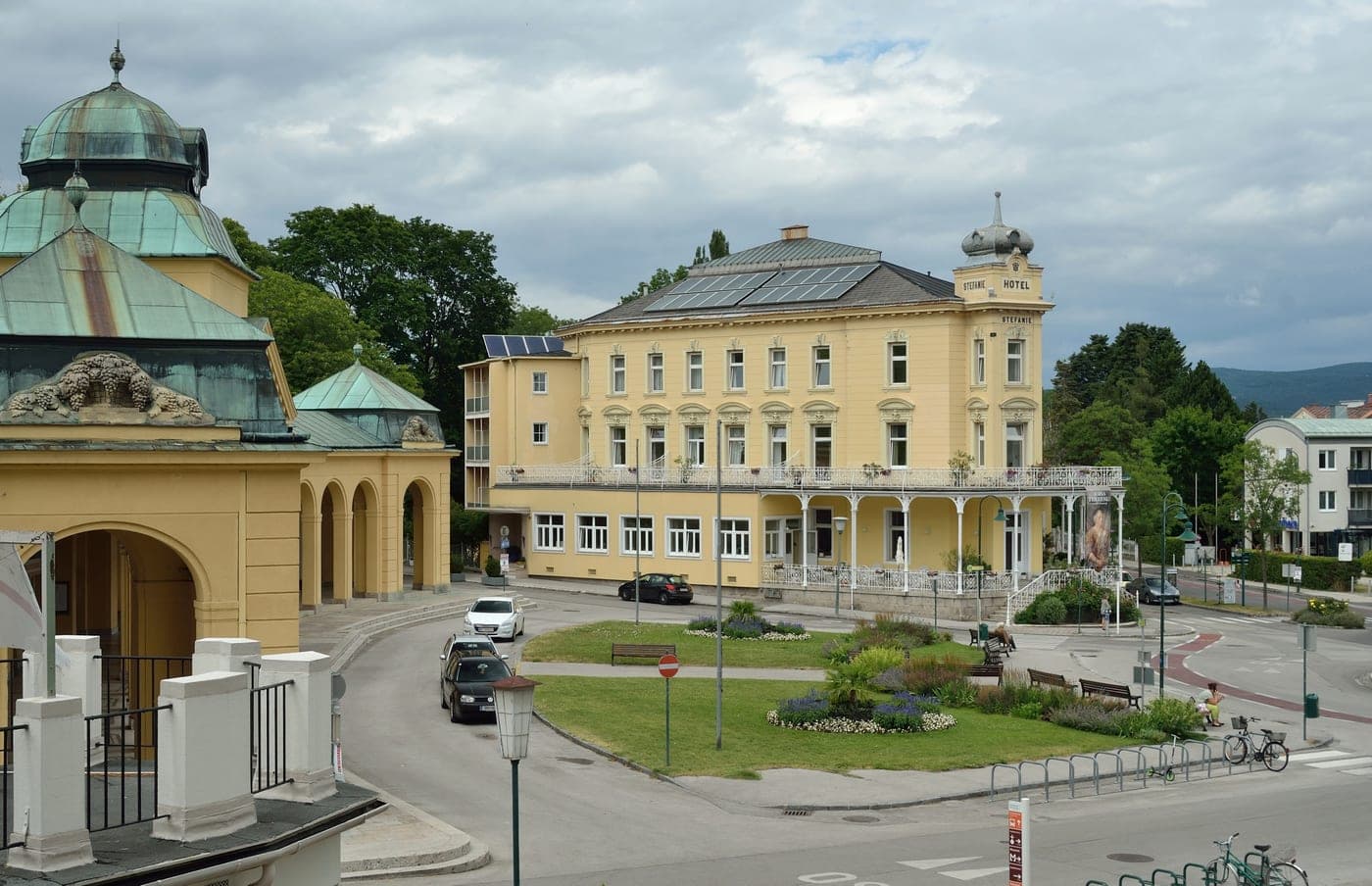
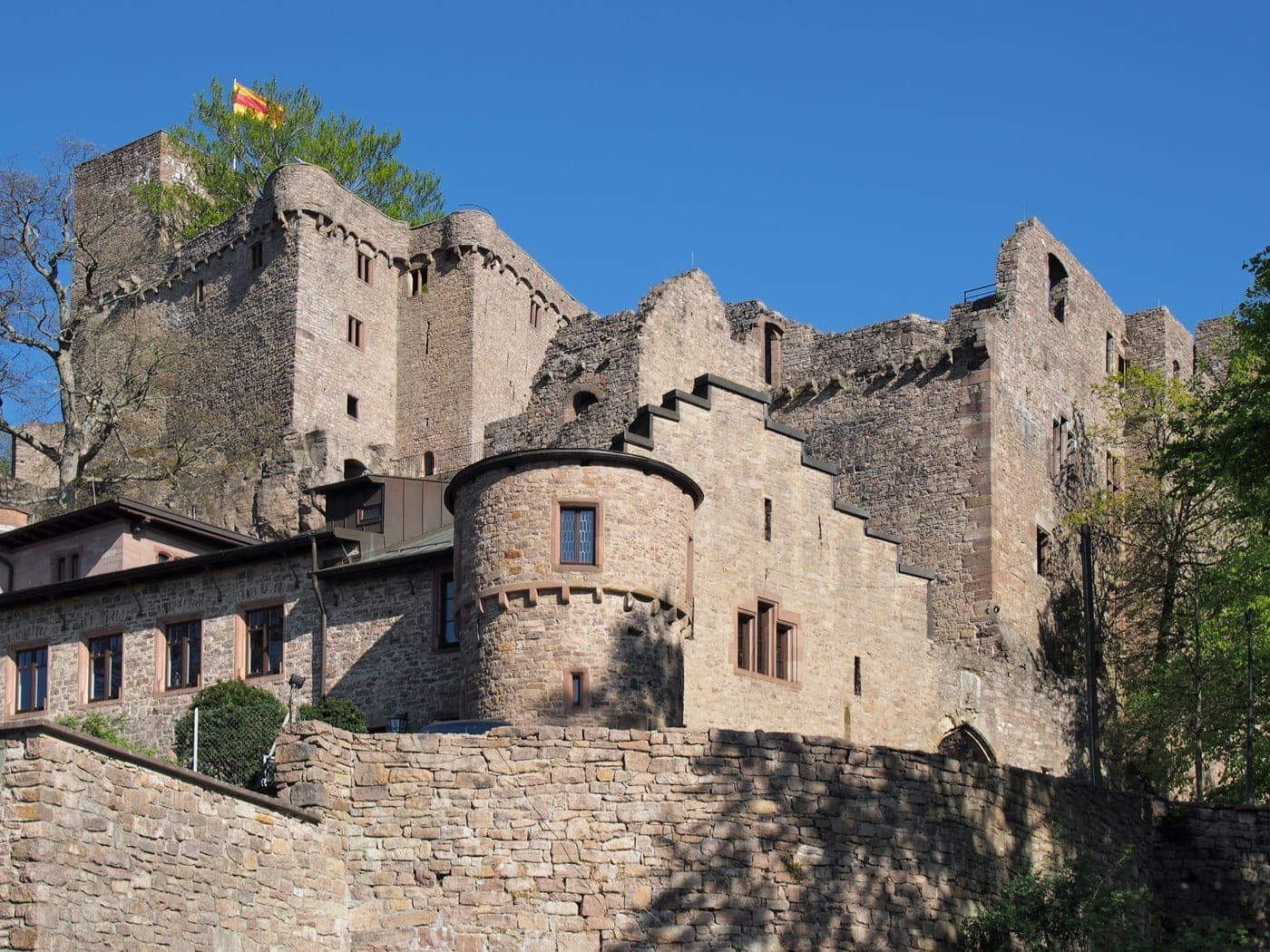
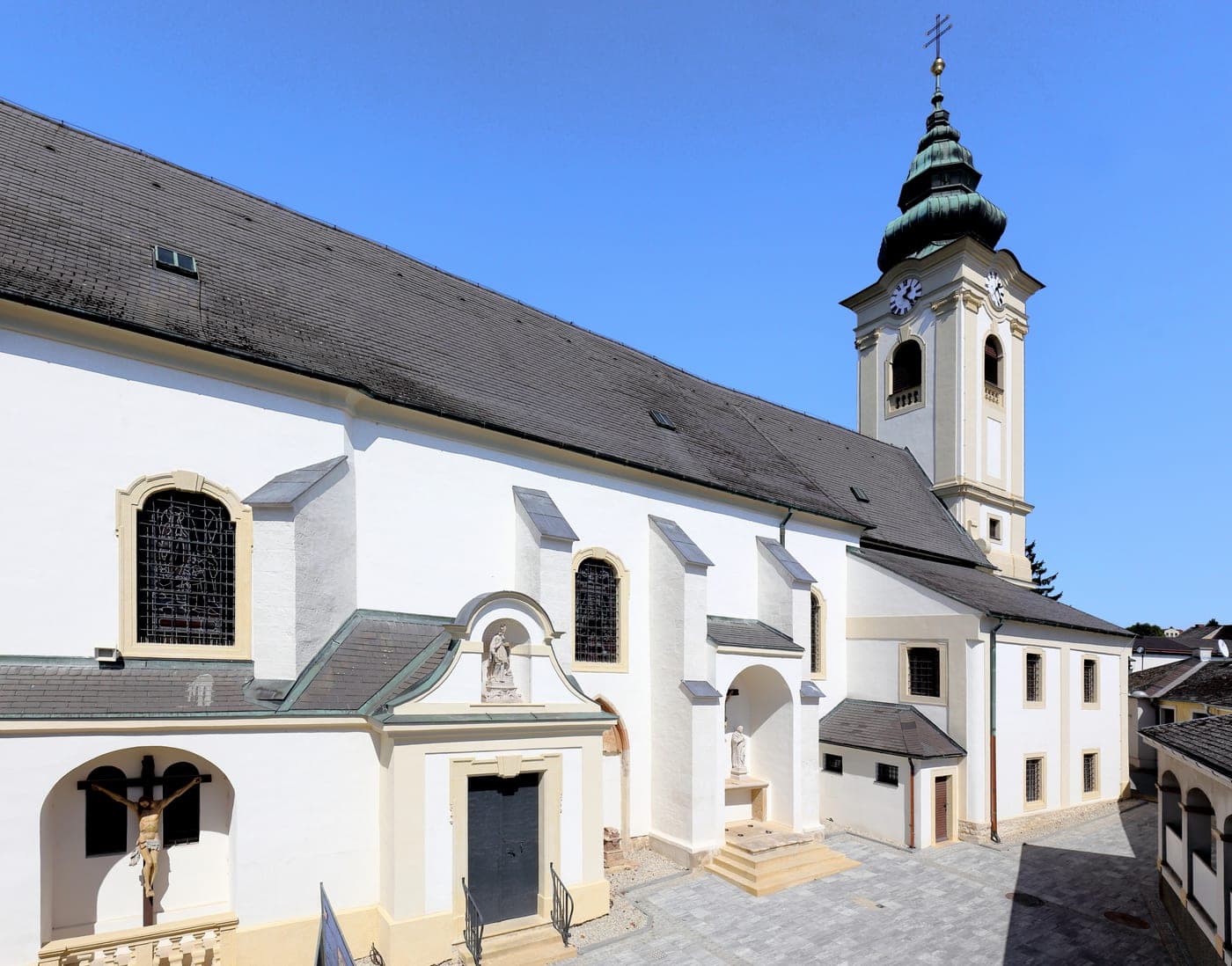
03 · destinationsAustria's spa-town tradition runs from the Habsburg-era Baden (a thermae since the Romans) to the broad mineral lakes of Burgenland. Most destinations pair a historic public thermae with two or three spa hotels rooted in centuries of bathing rituals.
Germany
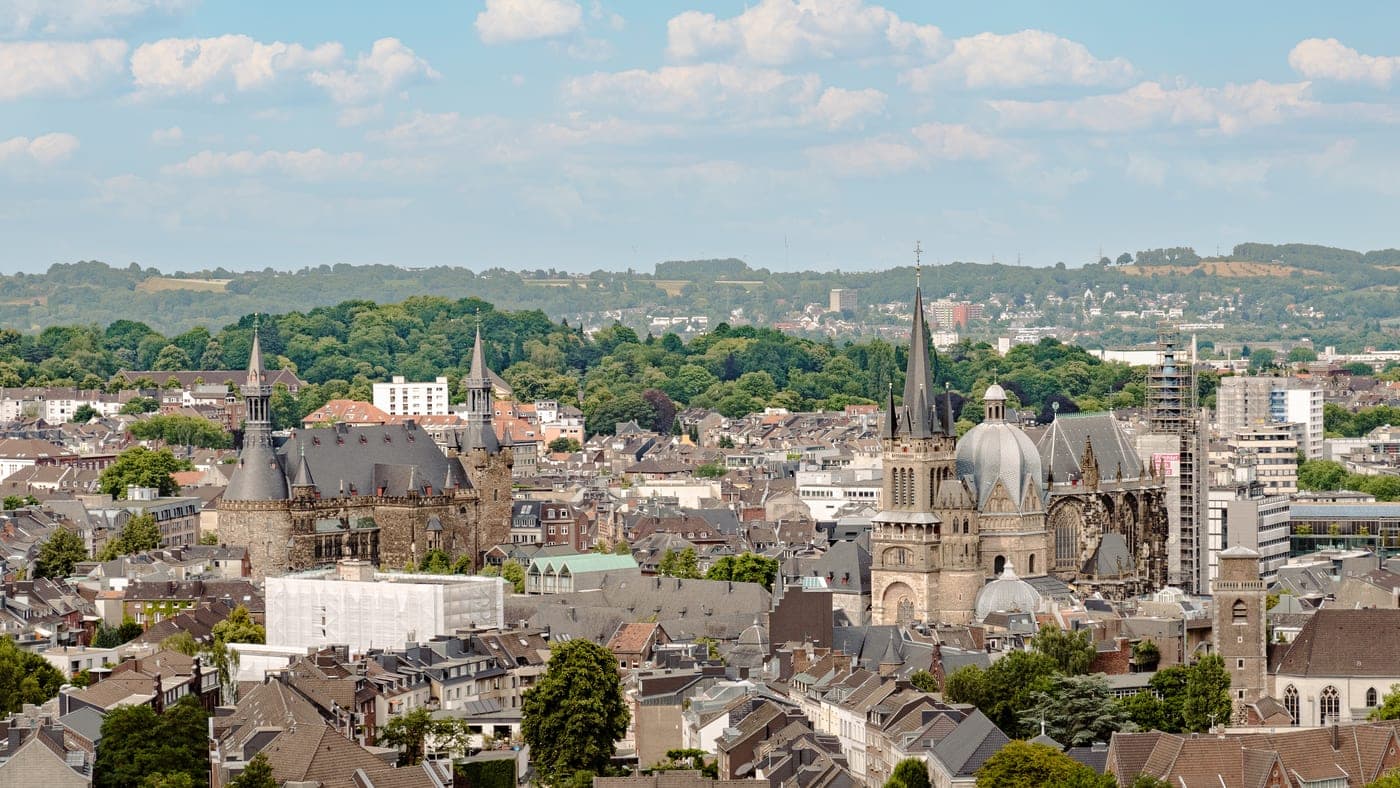
01 · destinationsGermany's spa towns (Bad-prefixed by federal law) date back centuries — Aachen's Carolus Thermen draws from the hottest natural spring north of the Alps, where Charlemagne himself bathed. The German spa culture leans on long stays and structured treatments; day visits are easy but the format is built for nights.
Italy
05 · destinationsItaly's terme run the length of the country — Roman-built thermae in central regions (Saturnia, Rapolano, Roccastrada), alpine spa lodges around Turin, and lakeside thermal hotels on Garda. Each one pairs a historic bathing tradition with a wider regional scene of food, wine, or landscape.
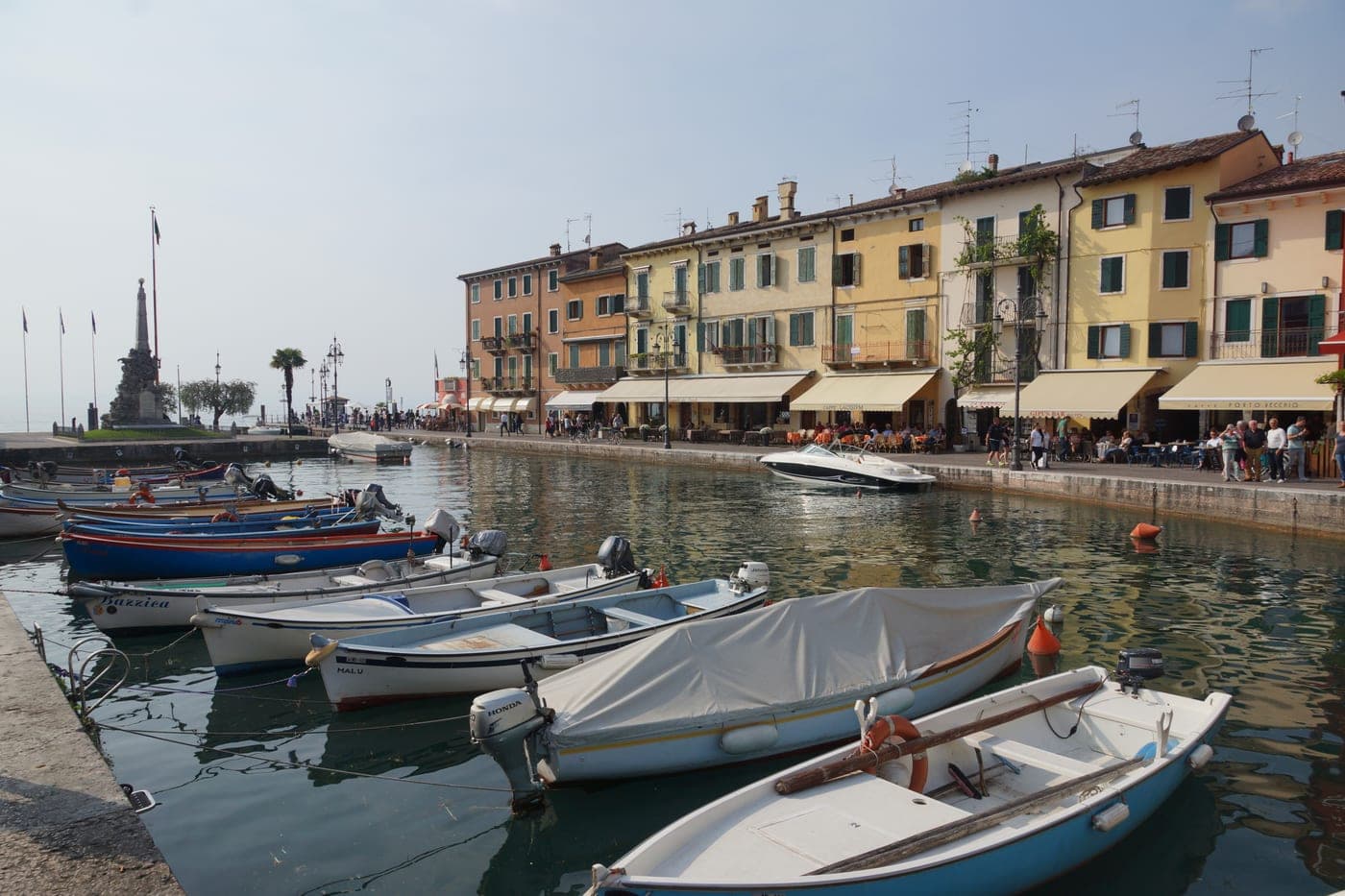
Lazise
Charming lakeside town with medieval walls and vibrant olive groves.
View destination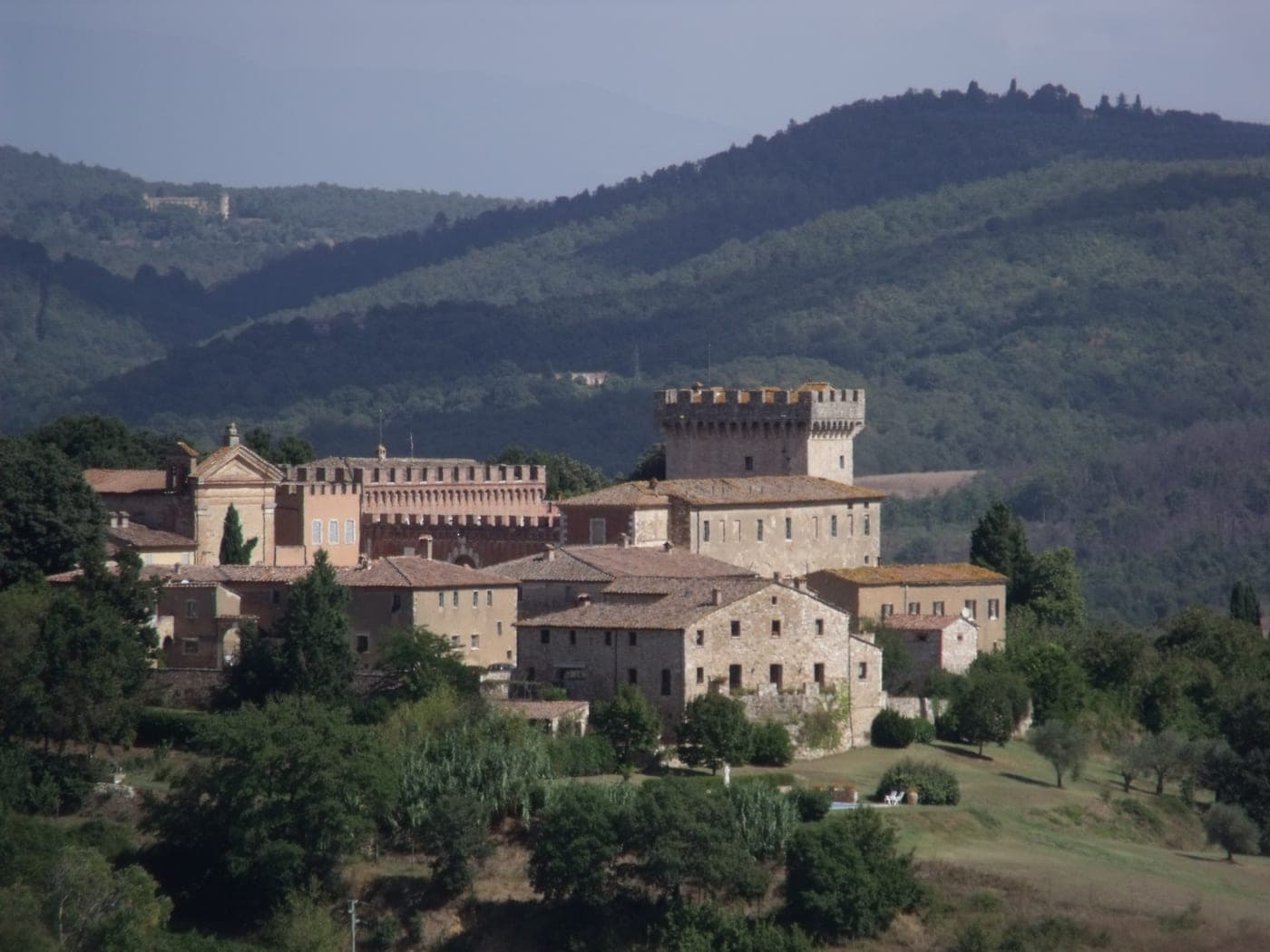
Rapolano Terme
Tuscan spa town with agriturismo farms offering thermal baths, olive groves, and wine tastings.
View destination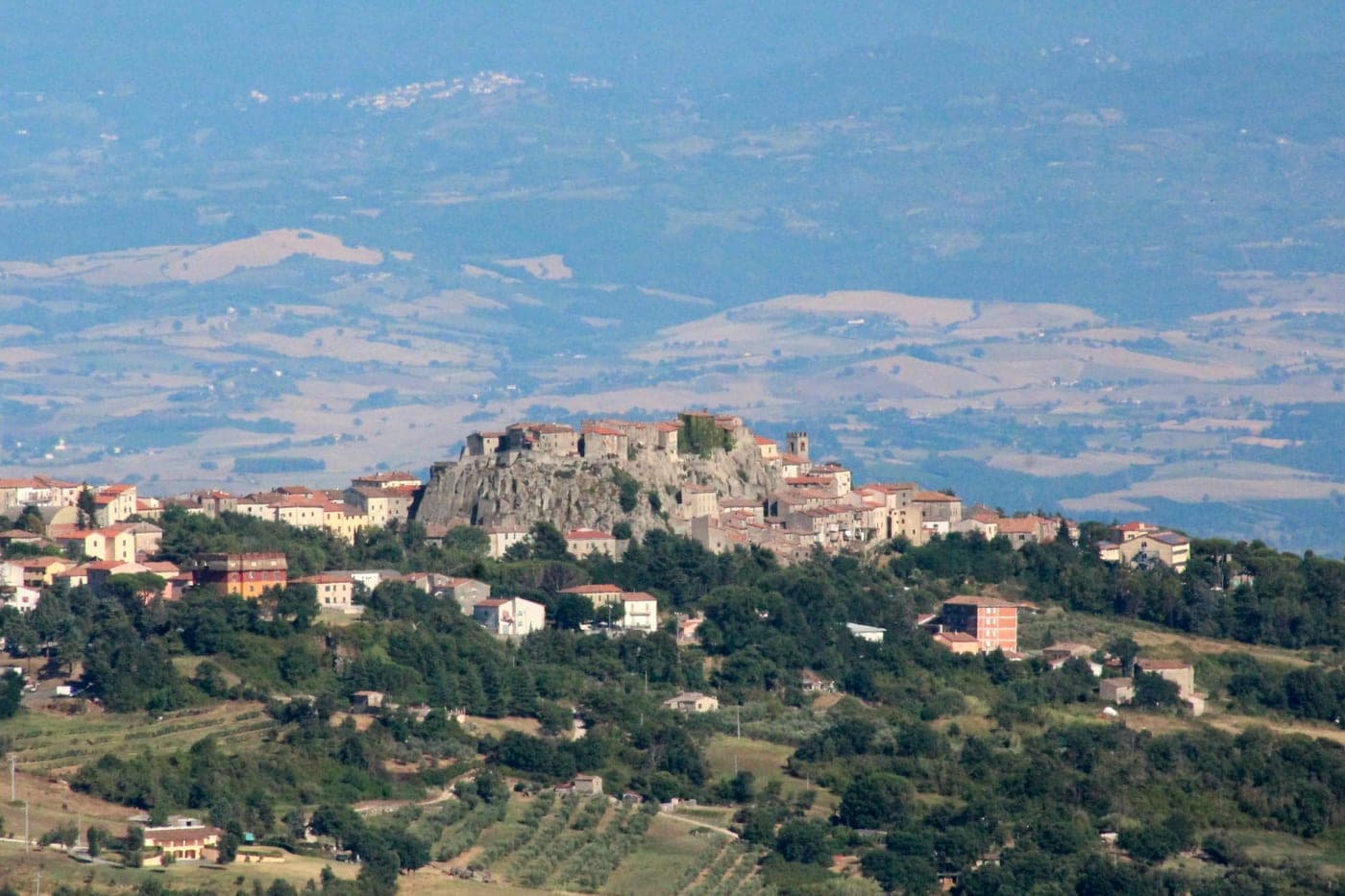
Roccastrada
Medieval village in Maremma wine region with local wine estates.
View destination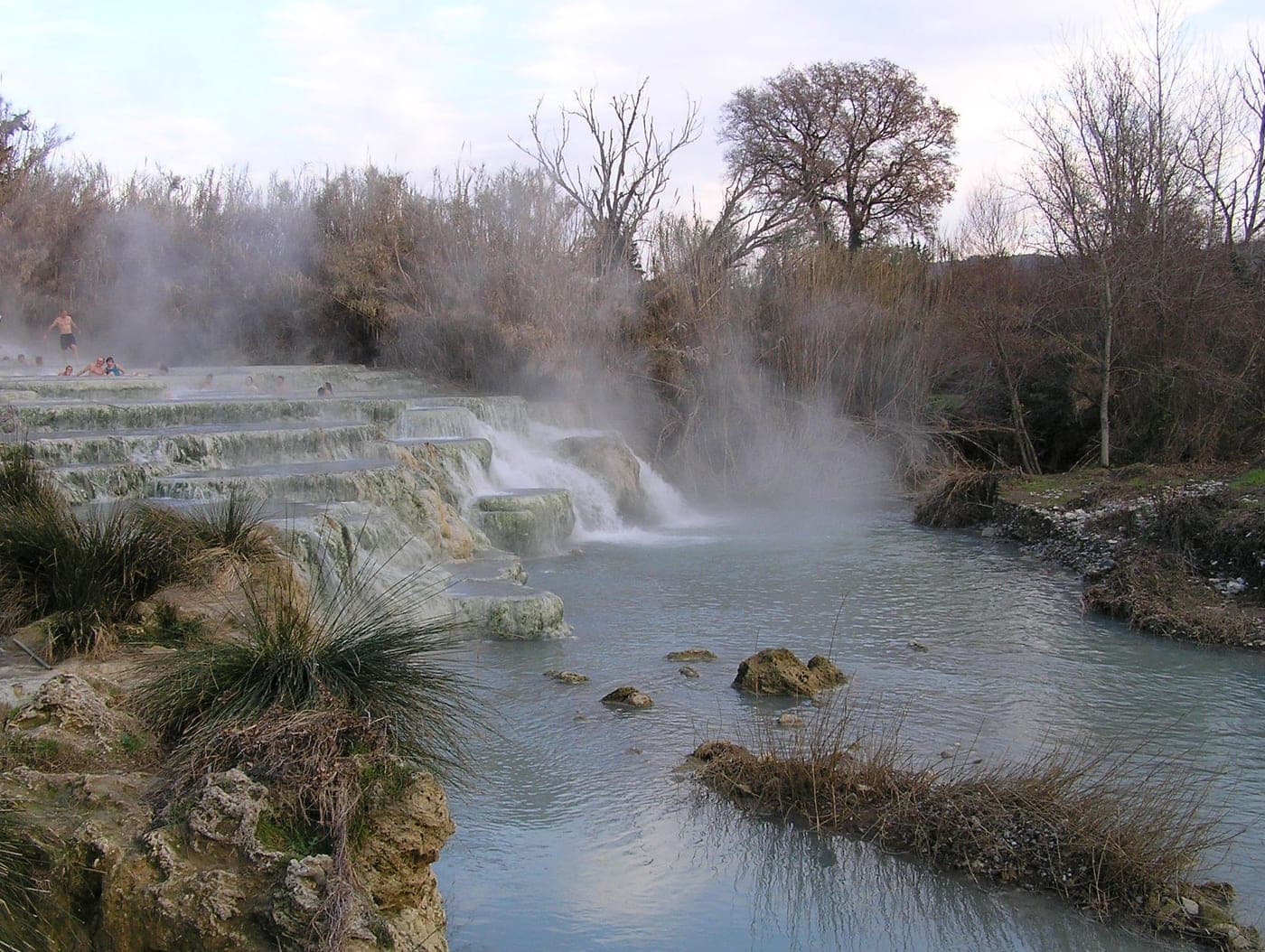
Saturnia
Ancient town in Maremma famous for thermal springs and local wine estates.
View destination
Turin
Architectural gem with historic cafes, elegant squares, and rich chocolate tradition.
View destinationTips for a spa day.
Five small habits that turn a thermal visit from a tick-box errand into a slow afternoon.
- 01Match the format to the day — a public thermae for an afternoon, a spa hotel for one or two nights, a wellness lodge for a week. Trying to do all three in one trip dilutes each.
- 02Book treatments before you arrive — popular spa hotels sell out their massage slots a week or two in advance, especially on weekends in autumn and winter.
- 03Bring your own slippers and a robe-friendly outfit — most lodges provide robes but ask you to walk between buildings; flip-flops on cobblestones in February is a memorable kind of cold.
- 04Skip the bath the morning of a long drive — heat-induced fatigue is real, and the temptation to nap after a long soak is universal. Soak the day you arrive or the day before you leave.
- 05Off-season is the point — most thermal destinations are at their best November through March, when the cold air outside makes the warm water unforgettable. Many close in midsummer.
Four ways to take the waters.
Some thermal destinations are a public bath you visit for an afternoon; others are wellness lodges built around the spring you'll stay at for a week. Pick the format that matches the trip.
A day at the baths
An afternoon at a public thermae — €15-30 entry, towel and locker included, restaurant on site for a long lunch in a robe. Most European spa towns have one or two of these and they're the simplest way to try the waters before committing to anything longer.
Overnight at a spa hotel
One or two nights at a hotel built around its own thermal source. Half-board, a couple of treatments, free access to the spa from check-in to check-out. The Italian and Austrian traditions especially — a weekend away from the city in a town that's been bathing for centuries.
Multi-day wellness retreat
Three to seven nights at a wellness lodge with a structured programme — mornings in the water, midday treatments, afternoons walking, early dinners. The quiet middle of a longer trip; the kind of stay people return to once a year.
Wild hot springs hike
Undeveloped natural pools you walk to — Saturnia's free falls, Iceland's hot rivers, alpine river-bend springs in the Pyrenees. Bring a towel, change in the car, share with whoever else found their way there. Free, primitive, occasionally the best soak you'll have.
Asked & answered.
- European thermal spas come in four formats: day visits at public thermae (€15–30 entry, towel and locker included, restaurant on site), overnight spa hotel stays (one or two nights with half-board and free spa access), multi-day wellness retreats (3–7 nights with structured programmes of soaking, treatments, walking, and early dinners), and wild hot springs (free, undeveloped natural pools reached on foot, like Saturnia's falls in Tuscany or alpine river-bend springs in the Pyrenees).
- Austria's spa-town tradition runs from Habsburg-era Baden to Burgenland's mineral lakes, with centuries-old public thermae paired with spa hotels. Germany's 'Bad'-prefixed spa towns date back centuries — Aachen's Carolus Thermen draws from the hottest spring north of the Alps. Italy's terme run the length of the country, from Roman-built Saturnia and Rapolano to alpine spa lodges near Turin and lakeside thermal hotels on Garda. Hungary's Budapest is famous for its Ottoman-era bath houses.
- Off-season is actually the best time — most thermal destinations are at their peak November through March, when cold air outside makes the warm water unforgettable. Many spa towns are quieter and more affordable in winter, and the contrast between the cold and the steaming pools is part of the experience. Some thermal destinations close or reduce hours in midsummer. Autumn and early spring offer a good balance of mild weather and uncrowded baths.
- A day pass at a public thermae typically costs €15–30, including towel, locker, and access to pools and saunas. Spa hotel overnights with half-board and treatments range from €100–250 per night depending on the country — Austrian and Italian spa hotels tend to be more affordable than German or Swiss ones. Multi-day wellness retreats cost more but include structured programmes. Wild hot springs like Saturnia in Tuscany are completely free.