Cabin Stays in Europe
Forest Retreats & Mountain Getaways

Featured destinations08
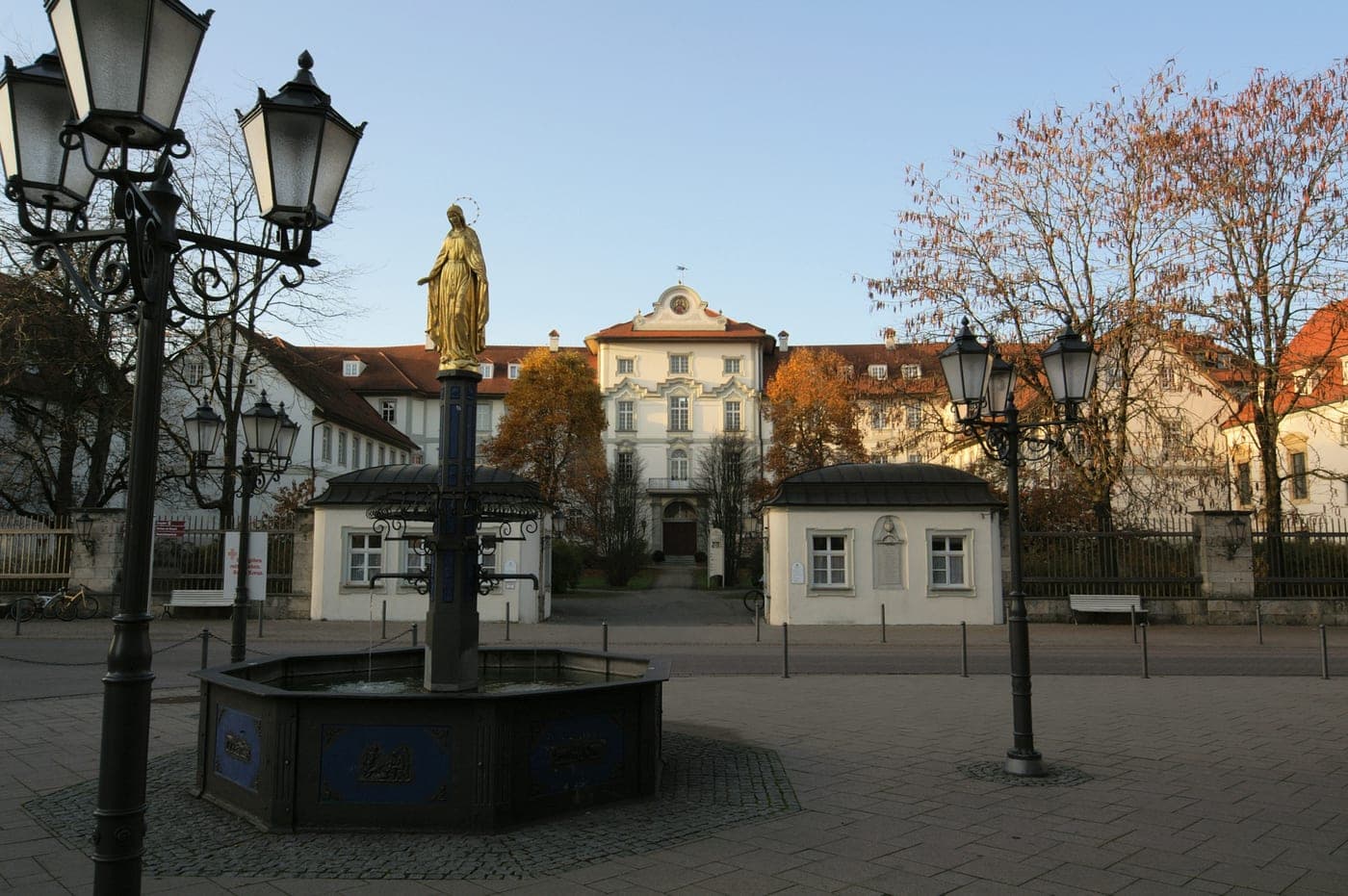 01
Bad Wurzach
GermanyUpper Swabian spa town with moorland nature reserve and wellness tradition
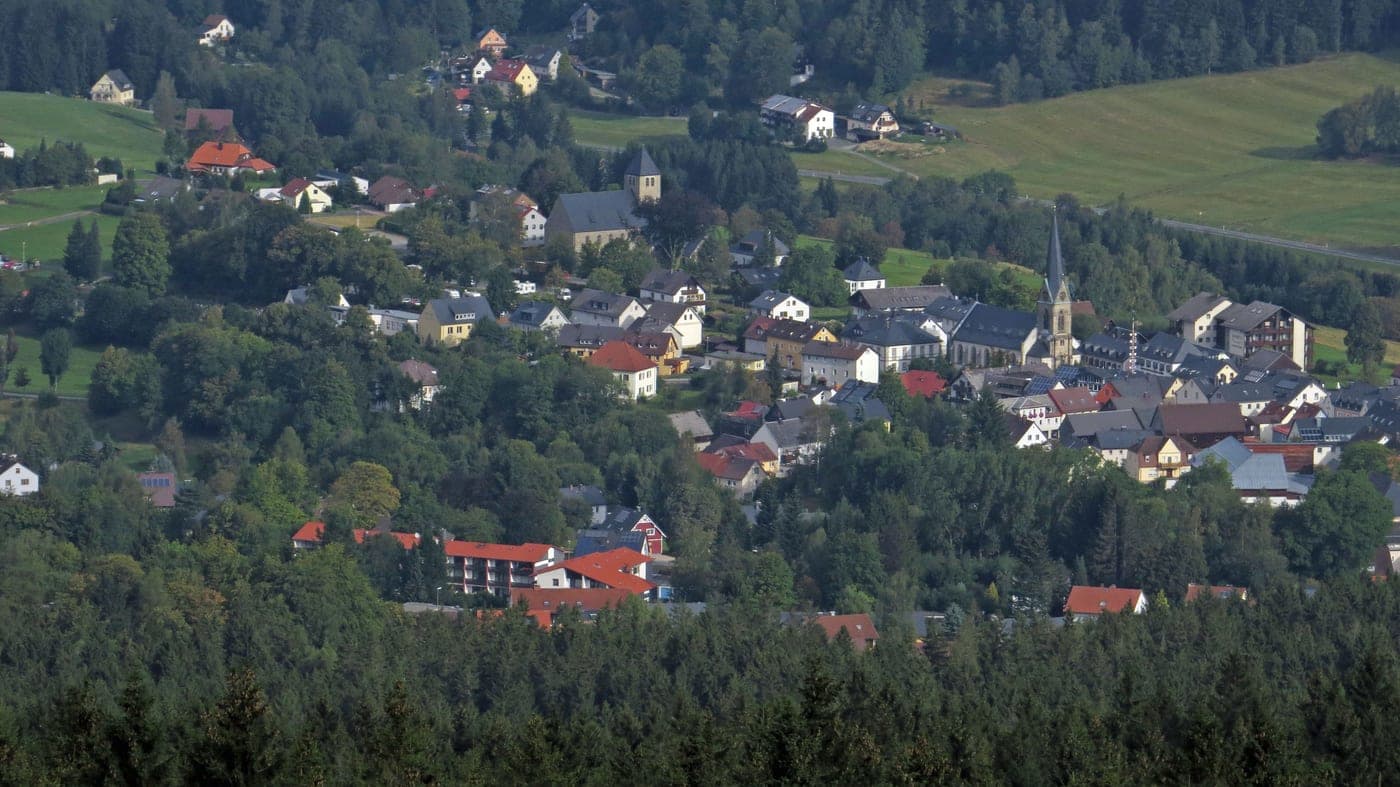 02
Bischofsgrün
GermanyFichtelgebirge mountain resort with alpine cabins for skiing and hiking.
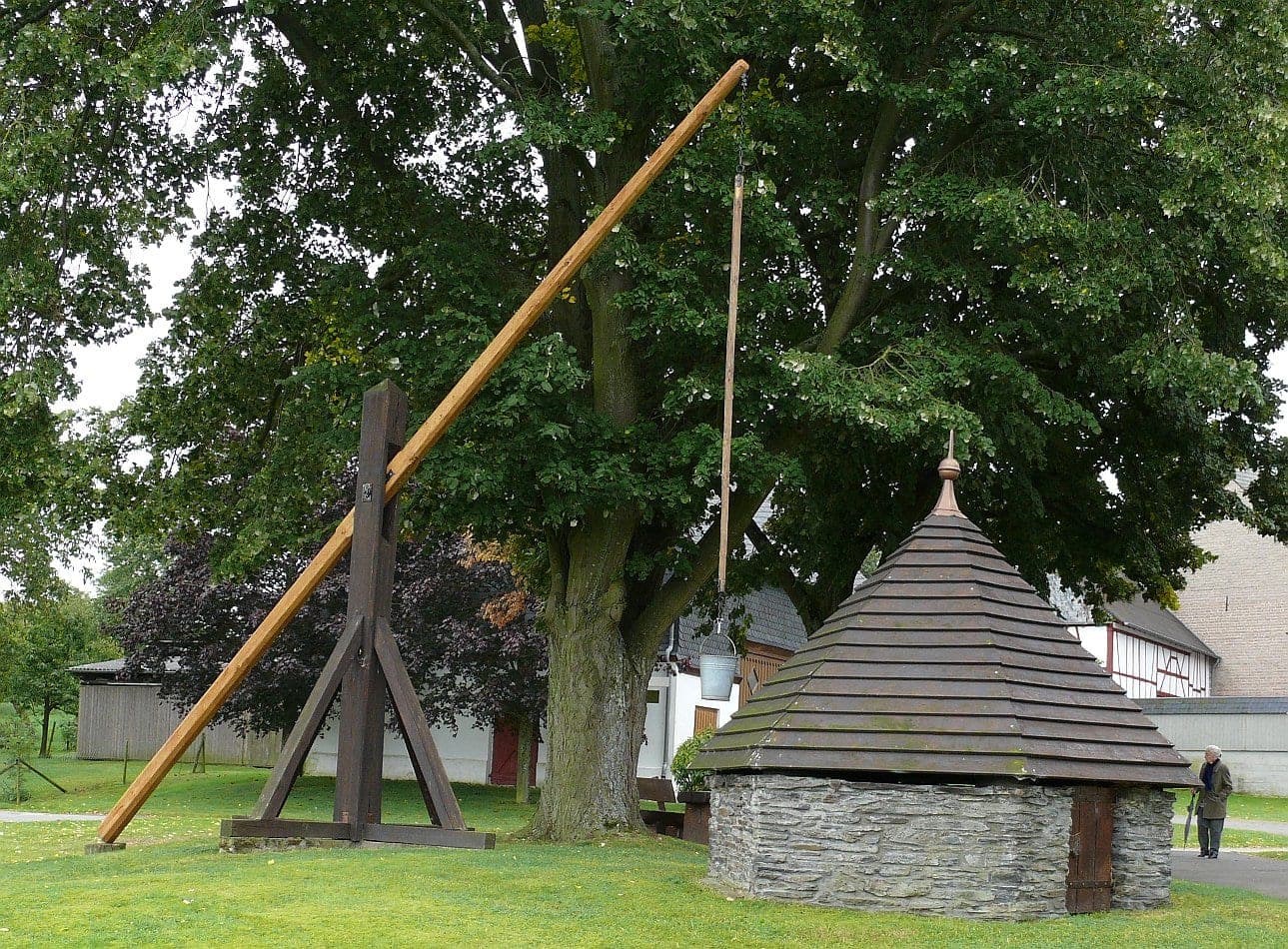 03
Briedeler Heck
GermanyCharming village known for its picturesque vineyards and scenic river views.
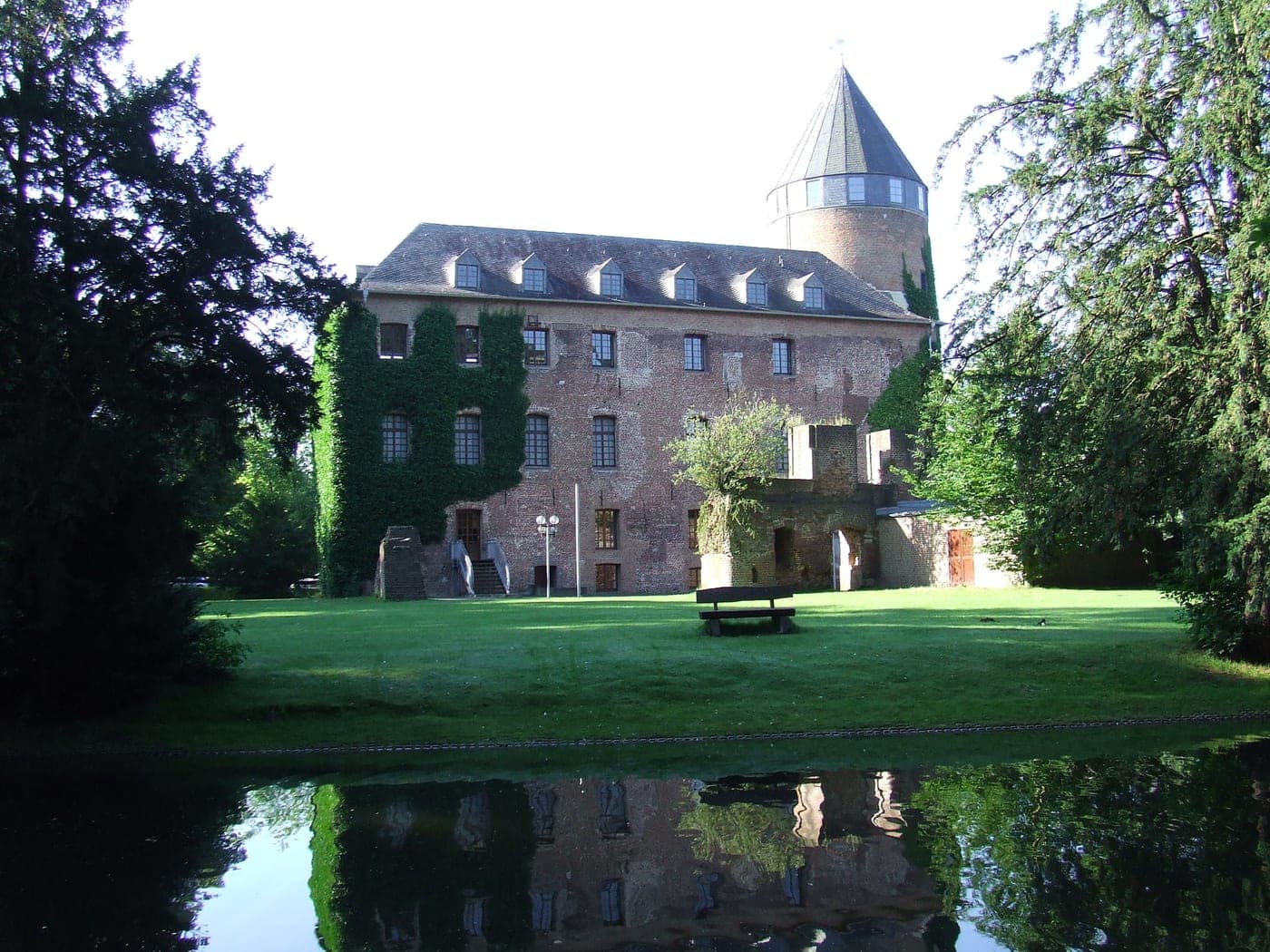 04
Brüggen
GermanyCharming town with a historic castle and picturesque streets.
 05
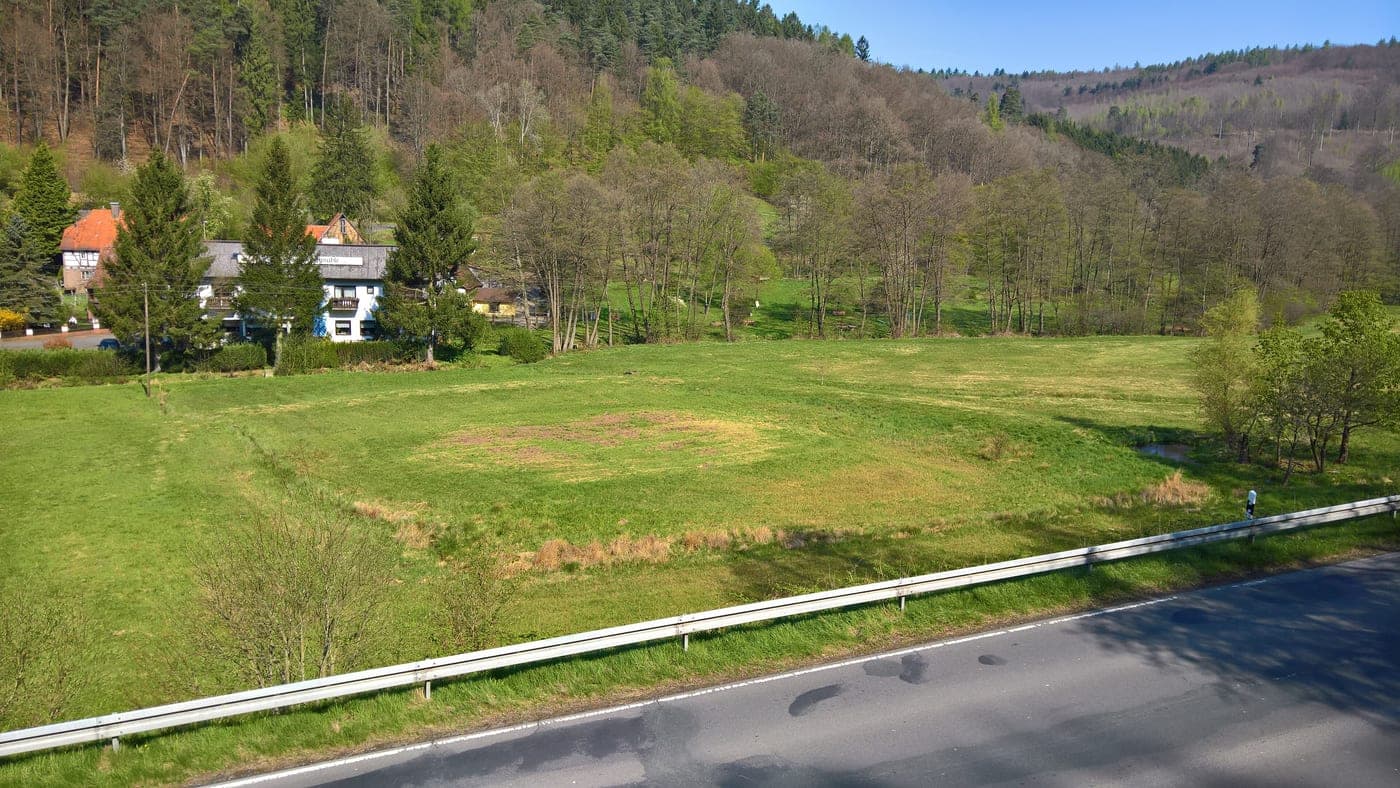
Dammbach
GermanyCharming village renowned for its apple orchards and traditional cider production.
 06
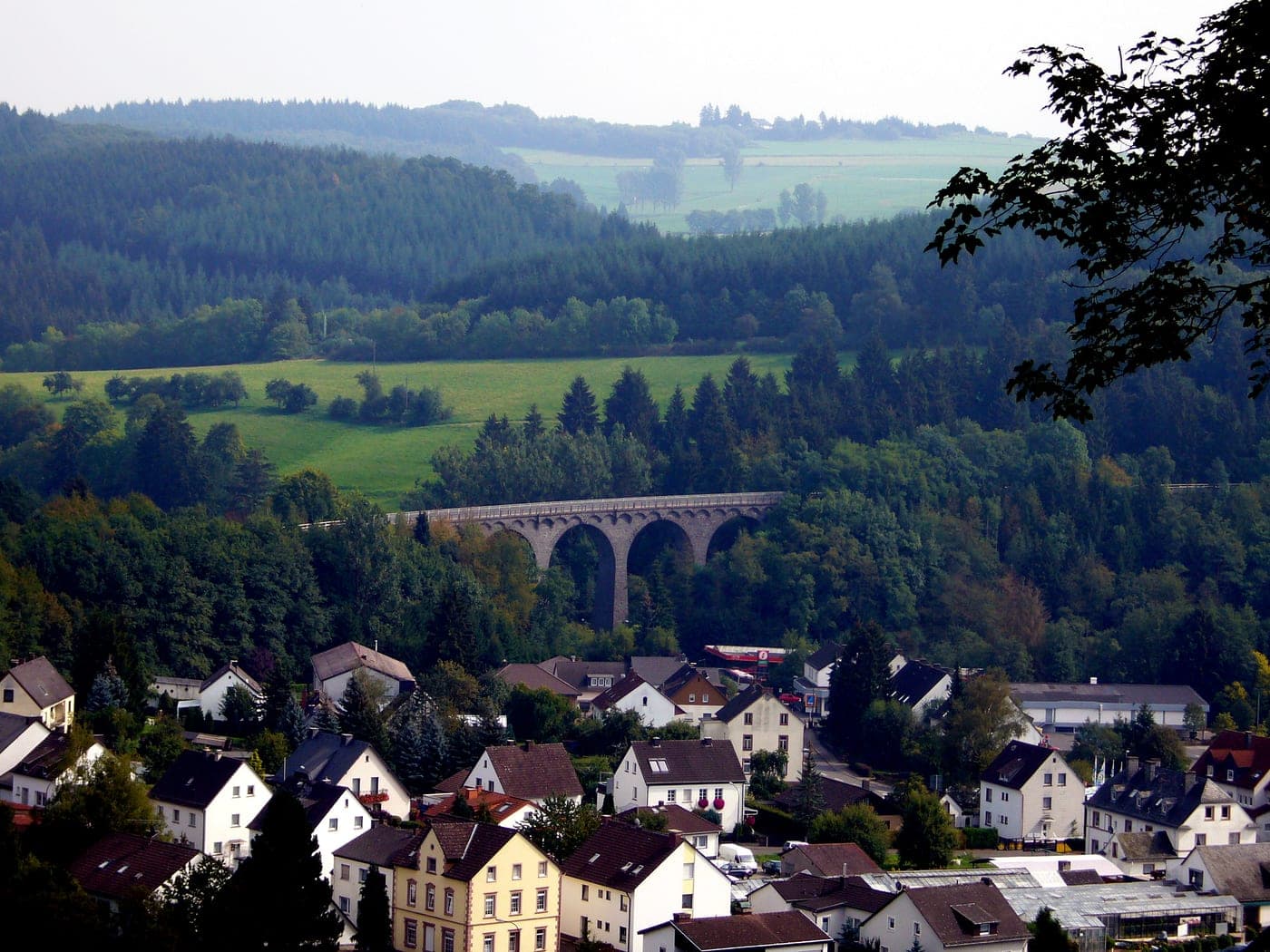
Daun
GermanyVolcanic Eifel hub surrounded by maar crater lakes and hiking trails
 07
Dausenau
GermanyTiny half-timbered village on Lahn River in Rhine valley.
 08
Detern
GermanyEast Frisian village with brick houses, meadows, and cycling routes
About cabin stays
Cabin stays in Europe are the result of centuries-old traditions. Each carries its own architecture, rituals, and relationship with the landscape. The concept is very simple: you retreat to a secluded spot in the forest or mountains, slow down, and let the natural surroundings set the pace. Scandinavia is often considered to be the spiritual home of the cabin stay because of its forests, lakes, and clean design. But this tradition now extends across the whole continent — from Slovenia's woodland cabins and Austria's mountain refuges to Romania's Carpathian lodges, and many more.
Seasonal Guide for Cabin Stays
Every season offers a different reason to book a cabin, and there is no bad time if you match the destination to the weather.
- Summer brings long daylight hours for hiking, swimming in mountain lakes, and eating outdoors. Scandinavian cabins offer the midnight sun — daylight that never quite fades.
- Autumn is when the forest turns. Foliage, mushroom foraging, shorter walks, and the first fires in the wood stove. It's the most atmospheric season for a forest retreat.
- Winter is the most immersive time for a mountain cabin holiday — cross-country skiing, aurora viewing, and the deep quiet of a frozen forest.
- Spring reveals wildflowers, filling streams, and returning birdlife. It's the quietest season at most cabins — and the most affordable.
Shoulder months (May, June, September) tend to offer the best balance of weather, availability, and price across most regions.
Cabin Stay Experience
Cabin accommodations range widely — from basic off-grid shelters with no electricity to stylish forest retreats with wood-fired hot tubs, handmade toiletries, and designer furnishings. Some cabins have solar panels, compost toilets, and rainwater collection. Others simply have no Wi-Fi. In either case, the appeal is the same — a digital detox that puts you back in contact with your surroundings.
Don't expect the amenities of a hotel. Most cabin stays are self-catering, so plan your meals in advance and bring supplies — the nearest shop may be an hour's drive. Some properties provide analogue entertainment: board games, books, paper maps, and more. Wood stoves are common and require a learning curve. Ask your host for a walkthrough on arrival — fire-building is part of the experience.
Cabins are well suited for families. Children can explore freely in a way that's rarely possible at a hotel or city rental — building dens, spotting wildlife, and learning to light a fire. Couples looking for a romantic cabin getaway will find no shortage of options either, particularly lakeside cabins with sauna access in Scandinavia and the Alps.
Guests at off-grid properties consistently report better sleep, mental clarity, and reduced stress after just a few days offline. Stargazing is exceptional from remote cabins — zero light pollution means you'll see the Milky Way with the naked eye.
Accessing Cabin Stays
Most secluded forest cabins and mountain retreats require a car. Public transport can get you close in some Alpine regions (Switzerland, Austria) and parts of Scandinavia, but the final stretch is almost always by road. Access roads can be rough or unsurfaced, particularly in the Carpathians and northern Scandinavia — a higher-clearance vehicle helps. If you're arriving in winter, check whether snow chains or winter tyres are required.
Getting the Most out of a Cabin Stay
- Pack layers, waterproofs, and sturdy boots. Forest weather shifts quickly, even in summer.
- Plan food supplies in advance. Self-catering is the norm, and remote locations mean limited shopping options.
- Many cabins are pet-friendly — check before booking.
- Book well in advance for peak periods like midsummer in Scandinavia or autumn foliage season anywhere in central Europe.
- Bring a headlamp or torch. Off-grid cabins can be very dark after sunset.
- Download offline maps and any entertainment before you lose signal. Embrace the disconnect — it's the whole point.
A cabin stay strips away the noise of daily life and replaces it with something simpler — wind, birdsong, the movement of light through trees. Many properties are built with sustainability in mind — solar-powered, locally sourced materials, minimal footprint — making them among the most environmentally conscious wilderness retreats in Europe.
Activities & Experiences
Hiking & Nature
Most cabins offer direct access to hiking trails, with routes ranging from easy forest walks to challenging mountain climbs. Explore national parks in regions like the Black Forest, Bavarian Alps, Norwegian fjords, or Finnish Lapland—discover waterfalls, alpine meadows, and panoramic mountain views.
Winter Sports
Many cabin locations transform into winter wonderlands with cross-country skiing, snowshoeing, and access to downhill ski resorts. From Austrian and Swiss Alps to Scandinavian wilderness areas, winter cabin stays offer cozy retreats after days in the snow.
Wildlife Watching
European forests are home to diverse wildlife—deer, wild boar, foxes, eagles, and varied bird species. Nordic regions may offer encounters with reindeer, moose, or Arctic birds. Early morning and evening are best for wildlife spotting from your cabin's windows or nearby trails.
Relaxation & Reflection
Simply disconnect from the modern world. Read by the wood stove, stargaze from the porch, listen to forest sounds, or practice mindfulness in nature. Cabin stays excel at providing space for digital detox, creative work, meditation, and quality time with loved ones or oneself.
Asked & answered.
- European cabin stays range from rustic forest huts and traditional log cabins to modern eco-lodges and glamping treehouses. You'll find secluded woodland retreats in Germany's Black Forest and Bavaria, mountain cabins in the Alps, lakeside cottages in Scandinavia, and off-grid wilderness shelters perfect for digital detox. Many cabins include wood stoves, outdoor saunas, and panoramic nature views.
- Many European cabin stays are specifically designed for disconnecting. Remote forest and mountain cabins often have limited or no Wi-Fi, encouraging guests to read, hike, stargaze, and reconnect with nature. Germany's cabin regions in Bavaria, the Eifel, and Lower Saxony offer particularly secluded options surrounded by forests and away from populated areas.
- Each season offers something different. Autumn (September–November) brings spectacular forest colours and mushroom foraging. Winter (December–February) is perfect for cosy cabin retreats with snow, wood stoves, and stargazing. Spring brings wildflowers and birdsong, while summer offers long evenings and outdoor activities. European cabin stays are truly year-round experiences.
- Pack layers for changeable weather, waterproof hiking boots, a headlamp or torch for nighttime, and binoculars for wildlife watching. If the cabin has a wood stove, bring matches as backup. For off-grid cabins, consider a portable phone charger. Most importantly, bring books and board games — cabin stays are best enjoyed slowly, without screens.