Get slow travel tips delivered to your inbox
A short message when something worth the trip lands. Reply STOP anytime.
By subscribing, you agree to be contacted via WhatsApp. Privacy policyOccasional letters in your inbox — with recommendations, maps and routes.
By subscribing to newsletter, you agree to our privacy policy.Found in 6 destinations and 2 regions

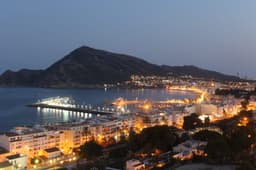
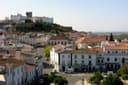
Alicante rewards travellers who slow down. This is a province where the Mediterranean coast and the inland mountains sit close together, so a short stay can move from white villages perched on limestone ridges to rice fields and salt lakes without ever feeling rushed. The pace here has always been unhurried: fishing towns that still mend their nets in the morning, market squares that empty for the midday heat, and hill villages built for shade rather than speed. The city of Alicante sits at the centre of it all, its old quarter climbing toward Santa Bárbara Castle above the harbour. Below the castle walls, the Barrio de Santa Cruz is a maze of narrow lanes and flower-filled balconies, best explored on foot with no fixed plan. From here, the province spreads out in two directions: south toward Elche, known for its extensive palm groves, and north toward the Marina Alta, where the land folds into sharper peaks. That northern stretch is where Alicante's white villages cluster. Guadalest is well known, its houses stacked below a ruined castle with views over a turquoise reservoir, but smaller places like Tàrbena keep the same rhythm without the crowds. Whitewashed walls, tiled roofs, and steep stone streets are the constant here, built to stay cool through long summers. Above the villages, old paths climb toward hilltop hermitages and sanctuaries, still walked each year by local processions that carry a saint or a Virgin from the valley up to her chapel. On the coast, Villajoyosa is worth slowing down for on its own: a working fishing port with houses painted in deep blues, ochres, and pinks. Nearby Altea has a whitewashed old town crowned by a blue-domed church, popular with painters for its light. Further north, Xàbia and Dénia keep a gentler pace than the bigger resorts, with fish markets, old salt works, and views across to the island of Ibiza on clear days. Alicante's food and wine follow the same unhurried logic. The Alicante DO wine region grows Monastrell for deep, dark reds and Moscatel for sweet, aromatic whites, much of it still on small family estates in the hills around Pinoso and Villena. Rice is the other constant: arroz a banda, cooked in fish stock and served separately from its seafood, and arroz del senyoret, the same dish with everything already shelled for lazy eating. Inland, the town of Xixona has made turrón, the almond and honey nougat, for centuries, and its workshops are still small and family-run. Local food festivals mark the calendar through the year, from spring almond-blossom gatherings in the hills to autumn wine harvests. Inland, the Sierra de Aitana rises over the vineyards, its ridgeline visible from much of the province on a clear day. Villages at its foot, like Sella and Confrides, keep orchards of cherry and almond trees and offer walking paths that link one hamlet to the next through terraced hillsides. This is the Alicante that rarely appears in beach brochures: quieter, higher, and built around the seasons rather than the tourist calendar. A few days is enough to get a real sense of the region — a day in Alicante city, a day or two among the white villages of the interior, and a day on the coast between Villajoyosa and Dénia. Longer stays allow for slower detours: a wine estate visit near Pinoso, a walk into the Sierra de Aitana, or simply a morning spent doing nothing in a village square while the town wakes up. Alicante does not need to be rushed to be understood — if anything, it asks the opposite.

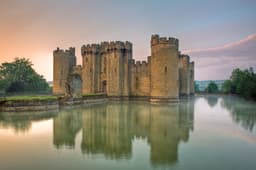
East Sussex, located on the southern coast of England, features a mix of coastal beauty and historical significance. The region is famous for its striking white chalk cliffs, particularly at Beachy Head and the Seven Sisters. Brighton, the largest city, is known for its vibrant arts scene and historic pier, while smaller towns like Lewes offer a glimpse into medieval life with its well-preserved castle and charming streets. The South Downs National Park presents excellent hiking opportunities, showcasing diverse landscapes and rich wildlife. East Sussex is also home to unique local produce, including wines from the vineyards around the area, making it ideal for culinary exploration.