Get slow travel tips delivered to your inbox
A short message when something worth the trip lands. Reply STOP anytime.
By subscribing, you agree to be contacted via WhatsApp. Privacy policyOccasional letters in your inbox — with recommendations, maps and routes.
By subscribing to newsletter, you agree to our privacy policy.Found in 1 destination and 5 regions

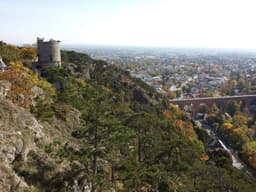
Lower Austria is the largest province in Austria, known for its diverse landscapes that include rolling vineyards, historic towns, and the Danube River. The region boasts notable sites like the picturesque Wachau Valley, famous for its apricot orchards and terraced vineyards. Krems and Dürnstein are charming towns that offer a glimpse into the region's medieval past, while the vibrant city of St. Pölten serves as the provincial capital. Lower Austria is also home to several castles, such as Schloss Grafenegg, and natural parks like the Thayatal National Park, which provide opportunities for hiking and exploring local flora and fauna. This area is rich in wine culture, particularly known for Grüner Veltliner and Riesling varieties, drawing wine enthusiasts to its many wineries. The blend of nature, history, and gastronomy makes the province a fascinating destination for those looking to explore Austria beyond the usual tourist routes.

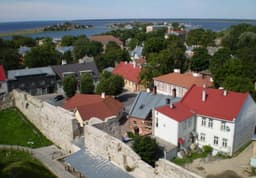
Lääne is the smallest region in Estonia, renowned for its stunning coastline along the Baltic Sea. The area is home to Haapsalu, a historic town famous for its wooden architecture and the romantic Haapsalu Castle, which dates back to the 13th century. Visitors can explore the unique cultural heritage of the region, including local folklore and traditional crafts. The region is also known for its diverse nature, with lush forests and bird-rich wetlands, making it ideal for hiking and birdwatching. Lääne hosts several local festivals celebrating Estonian culture, such as the Haapsalu's annual Medieval Days, providing an authentic glimpse into the lifestyle and traditions of the area.

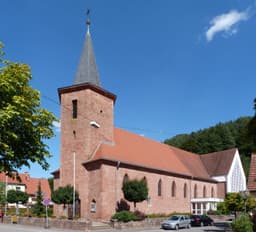
Rhineland-Palatinate is Germany's largest wine-producing region, renowned for its diverse vineyards and picturesque landscapes along the Rhine and Moselle rivers. The region features historic cities like Mainz, famous for its Gutenberg Museum, and Trier, home to well-preserved Roman ruins, including the Porta Nigra. Koblenz marks the confluence of the Rhine and Moselle and is known for its Ehrenbreitstein Fortress. The region is also celebrated for its rich culinary traditions, including hearty dishes and fine Riesling wines. Unique villages such as Cochem and Rüdesheim invite exploration of local culture and festivals, offering a glimpse into traditional German life amidst stunning natural beauty.

Thurgau sits in Switzerland's northeastern corner, where the land slopes gently down to the wide, calm water of Lake Constance, known locally as the Bodensee. It is the second-smallest canton in the country, and it feels like it: distances between towns are short, the land is soft and rolling rather than steep, and nothing here rushes past a visitor. This is a region built for slow travel — there is plenty to do, but everything worth doing rewards unhurried attention: an orchard in bloom, a market stall selling the season's first apples, a small harbour town with a castle looking out over the water. Locals sometimes call Thurgau "Mostindien" — cider country. Apple and pear orchards cover much of the land between the lake and the low ridges further inland, and the cider pressed from them, known as Most, is part of everyday life here. Spring brings blossom across whole hillsides; autumn brings the harvest, farm stalls, and village festivals built around it. Between the two, the land settles into a green, unhurried rhythm suited to walking. Vineyards share the same gentle slopes, especially where they catch the sun above the lake, and tasting the local wine is usually a quiet, low-key affair. The towns follow the shoreline and the rivers rather than clustering into one center. Frauenfeld, the cantonal capital, sits inland on the Murg river and carries its history in a castle that still overlooks the old town, alongside a museum and a market square that fills on trading days. Along the lake, small towns such as Arbon, Romanshorn, and Kreuzlingen each keep their own character — a harbour, a promenade, an old quarter — without growing large enough to feel like cities. Further along the shore, Ermatingen and Steckborn sit among orchards and vineyards, their waterfronts backed by half-timbered houses and quiet gardens. Inland, the historic towns hold their own stories. Diessenhofen, on the Rhine near the canton's northern edge, keeps a medieval old town and a covered wooden bridge across the river. Bischofszell, where two rivers meet, has a compact center of painted facades and a bridge that has carried travellers for centuries. Nearby, the former Carthusian monastery of Kartause Ittingen now holds art collections, a working farm, and gardens open for a slow afternoon walk. Several small places rather than one big draw is what makes Thurgau work as a slow itinerary. Three to four days is usually enough to link a few lake towns with a stop or two inland, leaving room to sit somewhere for an hour instead of checking sights off a list. A typical stretch might pair a morning in Frauenfeld's old town with an afternoon by the water in Romanshorn or Arbon, or set aside a full day for the orchard country around Ermatingen when the trees are in blossom or heavy with fruit. Medieval castles and fortified manor houses turn up more often than the region's quiet reputation suggests, many still standing amid farmland. Paths link several of them across field edges and orchard rows: Thurgau's landscape is meant to be walked through slowly, with a stop for cider, a plate of local cheese, or a piece of fruit tart along the way. Lake Constance shapes the region's mood as much as its geography. The water is wide enough to blur into the sky on a still day, and the shoreline towns face out toward Germany across it, giving Thurgau a quietly international feel without the crowding that comes with better-known Swiss lakes. Fishing still happens here on a small, local scale, and lake fish shows up on menus in towns along the shore. Thurgau rewards patience more than a packed itinerary. There is no single landmark built to justify a special trip; instead there are orchards, small harbours, a scattering of castles, and towns that stay interesting for an afternoon. Anyone planning time here does better setting a loose route between three or four towns and leaving space between them than trying to cover the whole canton.

This region, known for its numerous lakes and forests, is the largest in Poland by area. It is characterized by an abundance of waterways, making it a paradise for canoeing and sailing enthusiasts. Olsztyn, the capital, boasts a rich history with its medieval castle and vibrant cultural scene. The area is also renowned for its wildlife, including rare bird species and diverse flora. Off the beaten path, visit the small town of Mrągowo, famous for its folk culture and music festivals. The region's unique blend of natural beauty and historical significance offers a rich experience for those willing to explore beyond typical tourist routes. Local dishes featuring freshwater fish and mushrooms highlight the culinary offerings of Warmia-Masuria, enhancing the journey into this lesser-known part of Poland.