Foto von Jakub Hałun · Lizenz: CC BY 4.0
Istriens Arbeitshafen — bewusst ohne Hektik.
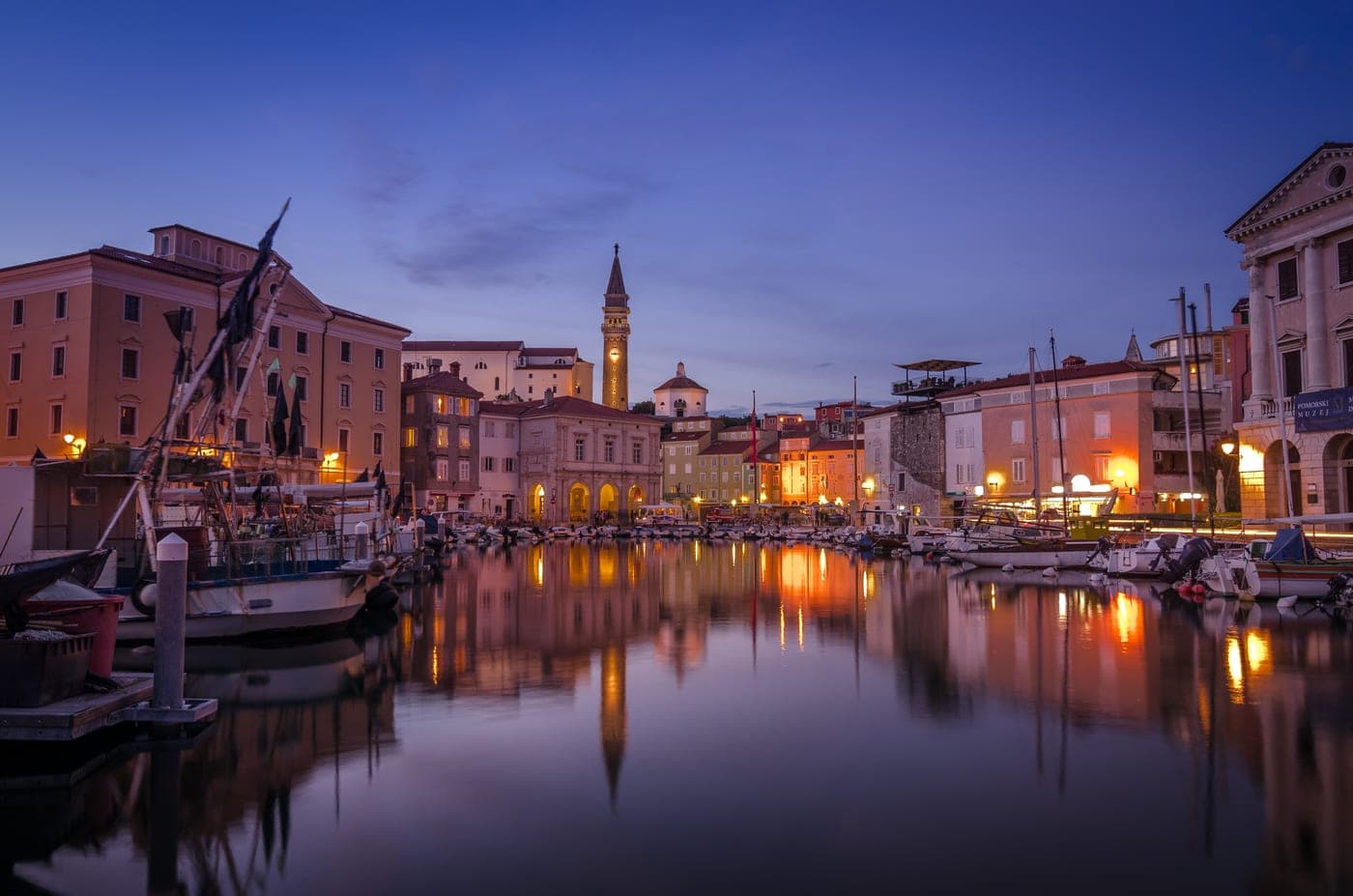
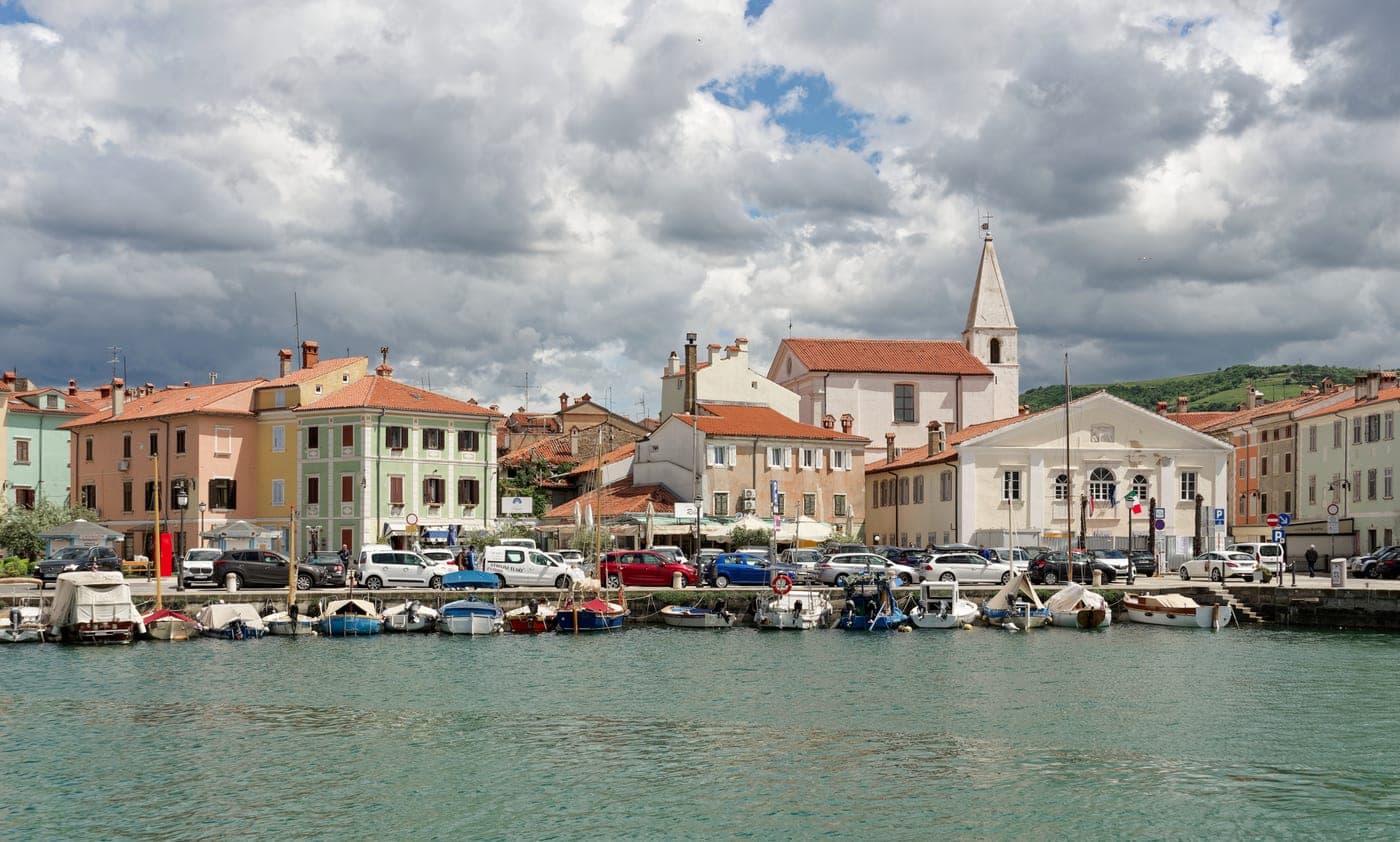
Izola liegt an der slowenischen Küste Istriens zwischen den größeren Hafenstädten Koper und Piran und wirkt kleiner als beide – zuerst ein Arbeitshafen, erst dann ein Reiseziel. Bis ins 18. Jahrhundert war der Ort tatsächlich eine Insel, und das Gewirr enger Gassen rund um den Manzioli-Platz trägt noch heute die verdichtete Struktur jener Zeit, mit Häusern aus der venezianischen Epoche in Ocker und Rostrot, die auf einen Hafen blicken, in dem eher Fischerboote als Yachten liegen.
Die zweite Identität der Stadt ist das Olivenöl. Die Olivenhaine rund um Izola versorgen kleine Erzeuger, die noch nach alter Methode pressen, und eine noch in Betrieb befindliche Torkla (Olivenpresse) in der Altstadt macht diese Geschichte sichtbar und schmeckbar. Fischerei und Ölpressen sind es, wovon der Hafen bis heute lebt – auch deshalb bleibt Izola selbst im Juli gelassen, wenn sich das nahe Piran mit Tagesausflüglern füllt.
Die Morgen hier gehören den Fischern: Boote löschen ihre Fracht am Kai, noch bevor die Cafés ihre Stühle aufgestellt haben, und der Fischmarkt am Hafen verkauft direkt aus diesem Fang.
Außerhalb der Altstadt wird die Küste felsig und zerklüftet, mit kleinen Buchten, die sich in niedrige Kalksteinklippen schneiden – erreichbar mit dem Kajak vom Stadtstrand aus oder zu Fuß auf dem Küstenweg Richtung Koper. Izola selbst hat keinen Bahnhof, weshalb der Ort vor allem Reisende belohnt, die sich schon mit Bus oder Rad langsam entlang dieser Küste bewegen, statt solche, die nur für einen einzigen Nachmittag einen Abstecher machen. Man reist mit dem Zug nach Koper und dann mit Bus oder Fahrrad weiter – so eignet sich Izola gut als ruhigerer Ausgangspunkt, um sowohl Koper als auch Piran zu erkunden, ohne in einem der beiden zu übernachten.
Fügen Sie die Orte, die Ihnen gefallen, in eine Liste ein. Der Planner ordnet sie nach Tagen und berechnet die Entfernungen.
Erhalte Slow-Travel-Tipps direkt in dein Postfach
Eine kurze Nachricht, wenn etwas die Reise wert ist. Antworte jederzeit mit STOP.
Mit dem Abonnement stimmst du zu, dass wir dich über WhatsApp kontaktieren. DatenschutzerklärungGelegentliche Briefe in deinem Postfach — mit Empfehlungen, Karten und Routen.
Mit der Anmeldung zum Newsletter stimmen Sie unserer Datenschutzerklärung zu.