Get slow travel tips delivered to your inbox
Found in 9 regions

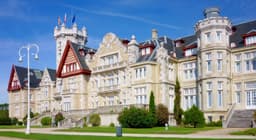
Cantabria, located on Spain's northern coast, is the only region in the country with a coastline along the Bay of Biscay. Known for its dramatic landscapes, it features the Picos de Europa mountains, offering numerous hiking trails and stunning vistas. The region's capital, Santander, is renowned for its beaches and cultural institutions like the Centro Botín. Explore the prehistoric caves of Altamira, which house some of the world's most important cave paintings. Off the beaten path, towns like Comillas showcase unique architecture, including the Gaudí-designed El Capricho. With a rich maritime history, Cantabria is famous for its seafood and traditional dishes such as sobao pasiego and quesada. The local festivals celebrate both culture and gastronomy, highlighting the region's vibrant traditions.

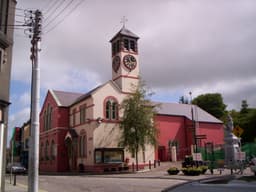
County Cork, the largest county in Ireland, boasts a diverse landscape of rolling hills, rugged coastline, and picturesque villages. The city of Cork, known for its vibrant cultural scene, is the region's only major urban center. The scenic coastline features attractions like the historic town of Kinsale, famous for its culinary offerings and maritime history. Nearby, the remote Beara Peninsula offers stunning views and fewer tourists, perfect for leisurely hikes. The region is also home to the historic Blarney Castle, where travelers can kiss the famous stone. With rich traditions in music and crafts, County Cork provides numerous opportunities for authentic cultural experiences. Explore local markets and artisan workshops to discover the region's unique heritage.

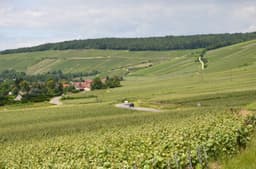
Hauts-de-France is the northernmost region of France, known for its rich industrial heritage, unique cultural blend, and stunning coastal landscapes along the English Channel. Lille, the largest city, boasts vibrant Flemish architecture and a thriving arts scene. The region is the birthplace of French Impressionism, with museums dedicated to renowned artists like Van Gogh. The Somme Valley offers historic World War I sites, while the Opal Coast features breathtaking cliffs and charming fishing villages. Known for its local cuisine, Hauts-de-France is famous for dishes like 'potjevleesch' and 'moules-frites,' providing an authentic taste of the area. Off the beaten path, explore towns such as Arras, with its grand squares, or the serene countryside of the Avesnois Natural Park, rich in biodiversity and picturesque landscapes.

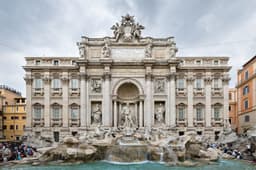
Lazio is Italy's second-largest region, renowned for its rich history and diverse landscapes. The capital, Rome, boasts ancient ruins and vibrant street life, but the surrounding areas are equally captivating. Explore the hill towns like Viterbo, known for its thermal springs and medieval architecture. The region also features the stunning coastline of the Tyrrhenian Sea, offering hidden beaches and charming fishing villages. Lazio is famous for its culinary traditions, including artichokes from Rome and wines from Frascati. The region is home to the beautiful countryside of the Castelli Romani, dotted with vineyards and historic castles, providing a glimpse into local life away from the tourist crowds.

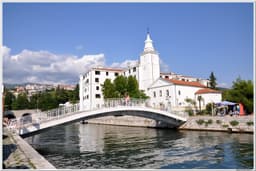
Nestled along the northern Adriatic, this region is the largest in Croatia by area, featuring a diverse landscape of mountains, islands, and coastal towns. The city of Rijeka serves as a cultural hub, known for its vibrant festivals and rich maritime history, including the Trsat Castle overlooking the city. Opatija, with its historic villas and seaside promenade, offers a glimpse into the 19th-century Austrian Riviera. Nearby, the islands of Cres and Lošinj boast stunning natural parks and traditional fishing villages. Nature lovers can explore the Risnjak National Park, while wine enthusiasts can taste local Vrbnička Žlahtina. This region thrives on its rich cultural tapestry and local gastronomy, emphasizing sustainable practices and authentic experiences that reflect its heritage.

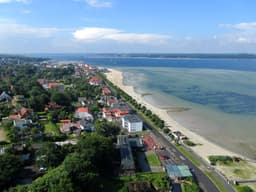
This northernmost region of Germany is renowned for its diverse landscapes, featuring the North Sea and Baltic Sea coastlines, as well as lush marshlands and rolling hills. Lübeck, a UNESCO World Heritage site, showcases medieval architecture and is famous for its marzipan. The region is also home to Flensburg, known for its maritime heritage and Danish influence. Schleswig-Holstein boasts the only national park in Germany that protects both the Wadden Sea and coastal areas. Slow travelers can explore the tranquil islands of Sylt and Föhr, or visit the historic town of Schleswig, where the Viking Museum offers insights into the region's rich past. Festivals celebrating local traditions and seafood are common, providing authentic cultural experiences.

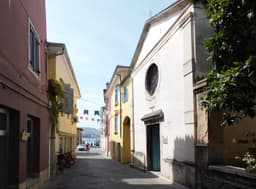
Slovene Istria is Slovenia's only coastal region, boasting a rich blend of Mediterranean culture and natural beauty. The region is known for its picturesque towns, such as Piran, featuring Venetian architecture, and the vibrant city of Portorož, famous for its wellness resorts. Nestled between the sea and rolling hills, the area is celebrated for its vineyards producing indigenous wines like Refošk and Malvazija. The local cuisine, influenced by Italian flavors, highlights seafood and truffles. Notable sites include the ancient salt pans of Sečovlje and the tranquil landscapes of the Škocjan Caves, a UNESCO World Heritage site. This diverse region offers unique insights into both history and nature, ideal for those looking to explore at a leisurely pace.

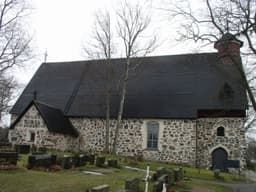
Southwest Finland is a diverse region known for its unique blend of coastal landscapes and rich cultural heritage. It is home to Turku, the oldest city in Finland, with a vibrant history reflected in its medieval castle and the lively Turku Archipelago. This region, featuring the only significant coastal area in Finland, boasts over 20,000 islands, offering opportunities for exploration by boat. The area is famous for its traditional archipelago cuisine, including fresh fish and local berries. The picturesque towns of Naantali and Kaarina are also noteworthy, providing insights into local life and traditions. Visitors can enjoy hiking in the surrounding nature reserves, such as the Teijo National Park, to experience the tranquil beauty of Finnish nature.

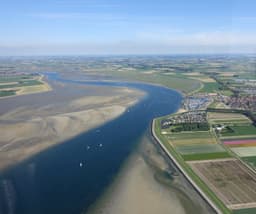
Zeeland, the smallest province of the Netherlands, boasts a unique coastline and rich maritime history. Known for its dikes and natural reserves, this region is famous for the Delta Works, a series of dams and barriers that protect the land from the sea. Middelburg, the capital, features stunning Gothic architecture, while the town of Veere offers a glimpse into its trading past with its historic harbor. The area is also renowned for its seafood, particularly oysters and mussels. Zeeland's islands, such as Walcheren and Tholen, provide tranquil landscapes and opportunities for cycling and birdwatching, making it a haven for those looking to connect with nature and local culture.