Dürnstein
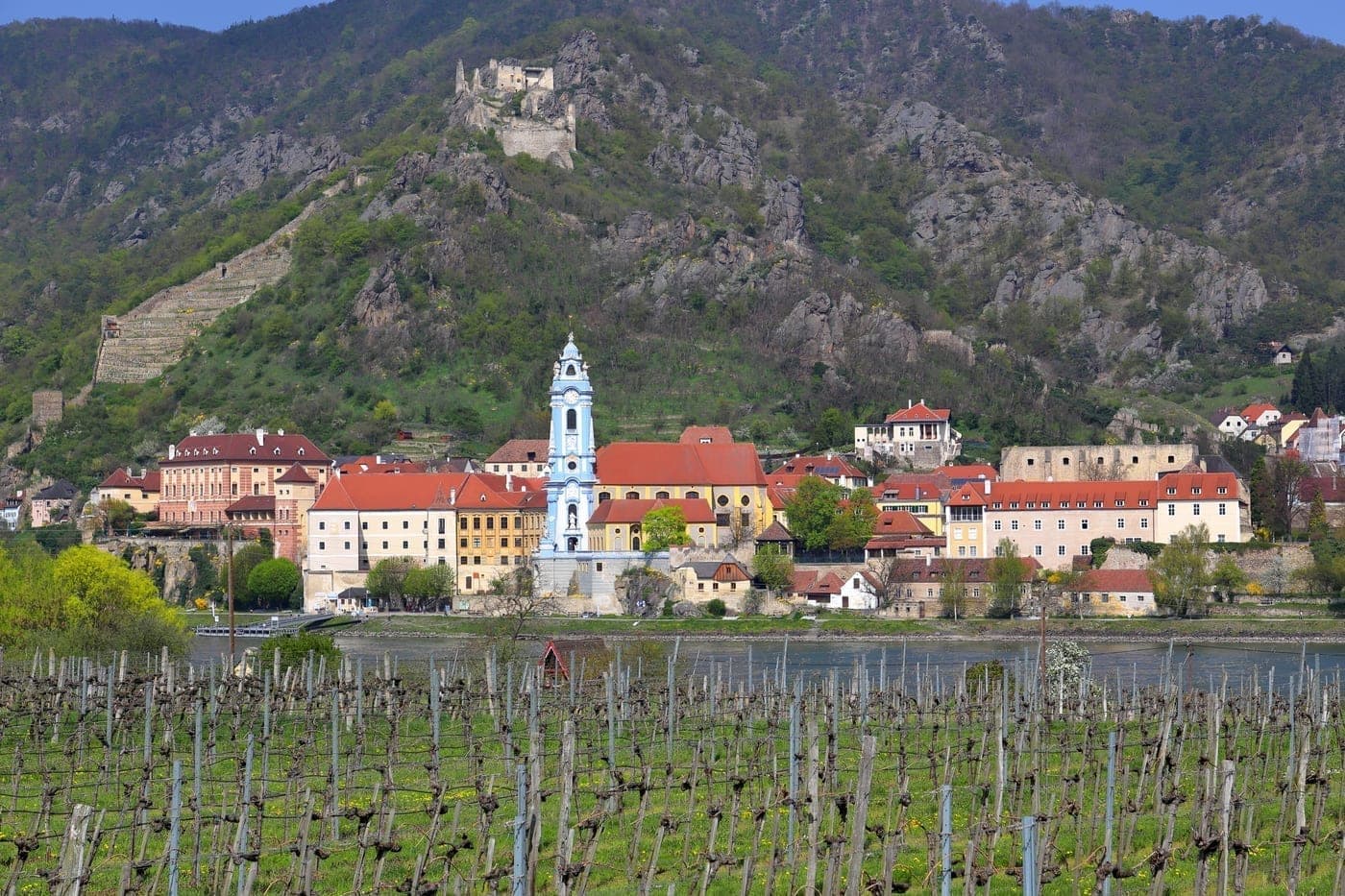
Icónica vila de Wachau com ruínas de castelo medieval e vinhos de classe mundial, representando o romance do vale do Danúbio.
Receba dicas de viagem lenta diretamente na sua caixa de entrada
Uma mensagem curta quando aparece algo que vale a viagem. Responde STOP quando quiseres.
Ao subscreveres aceitas que te contactemos pelo WhatsApp. Política de privacidadeCartas ocasionais na tua caixa — com sugestões, mapas e rotas.
Ao subscrever a newsletter, concorda com a nossa política de privacidade.
Dürnstein
Icónica vila de Wachau com ruínas de castelo medieval e vinhos de classe mundial, representando o romance do vale do Danúbio.

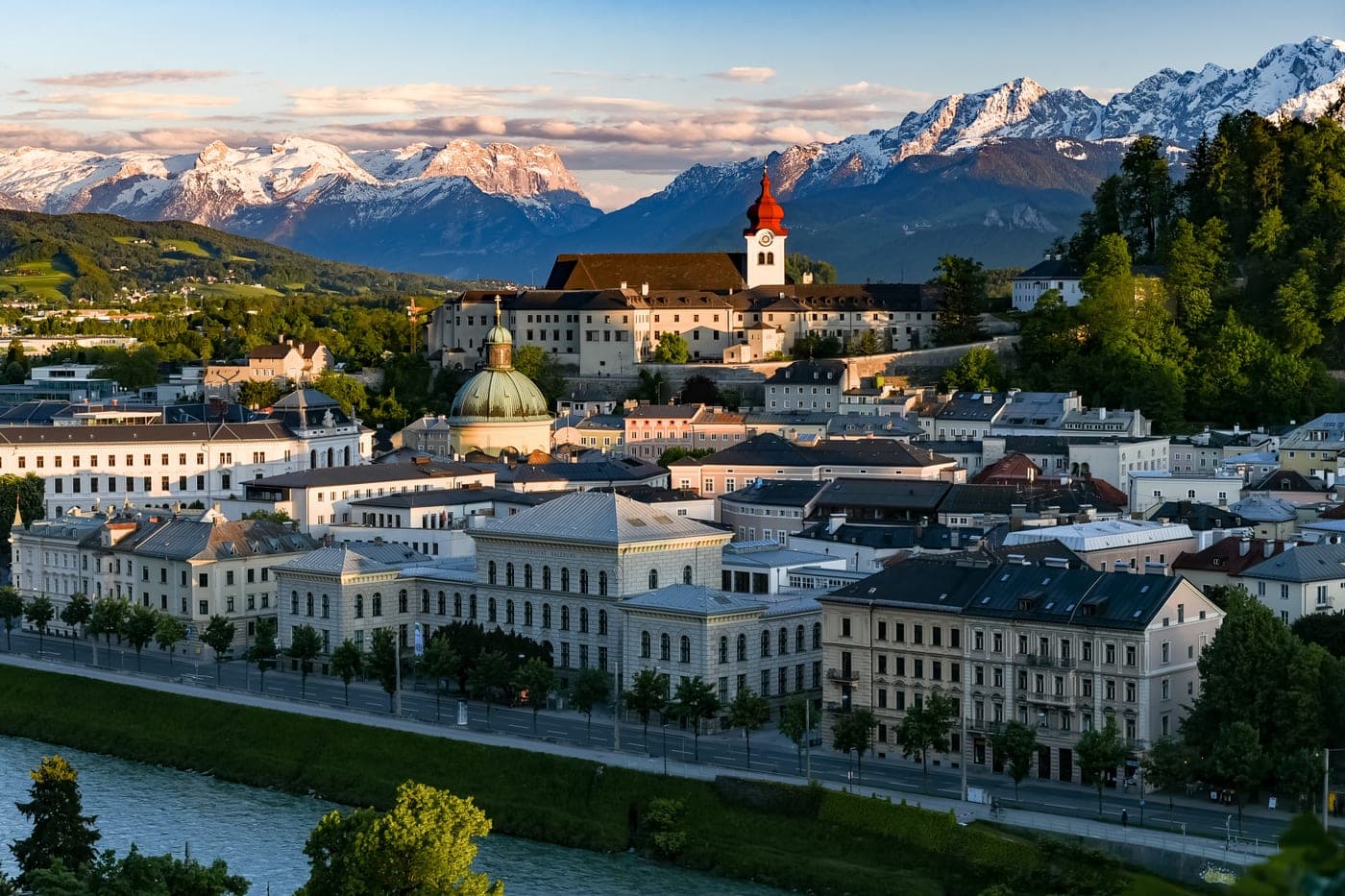
Terra natal de Mozart, joia barroca da Áustria.

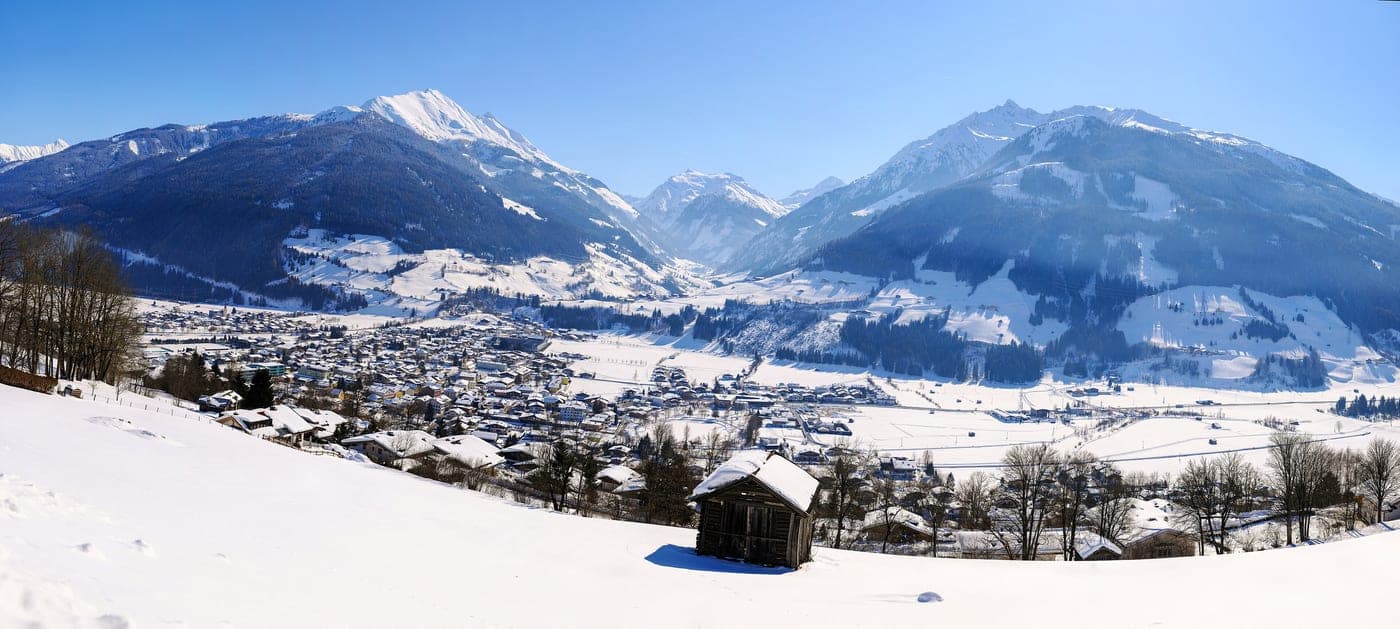
Pequena cidade alpina na região de Pinzgau em Salzburgo, com um castelo de 900 anos que domina o vale de Salzach e porta de entrada para o Parque Nacional Hohe Tauern.

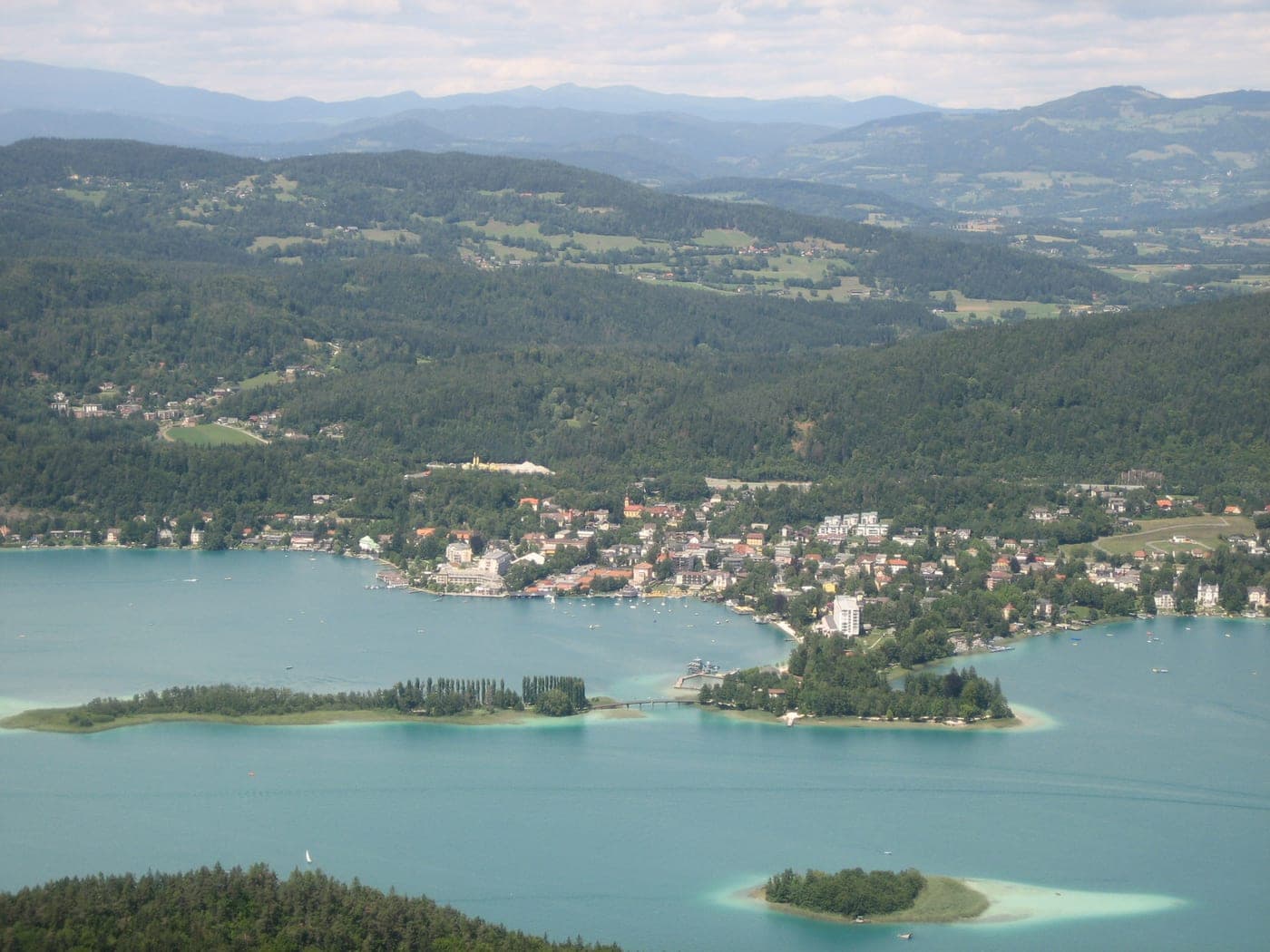
Resort Belle Époque à beira do lago Wörthersee onde Brahms compôs, repleto de vilas elegantes e um castelo-hotel histórico em seu centro.

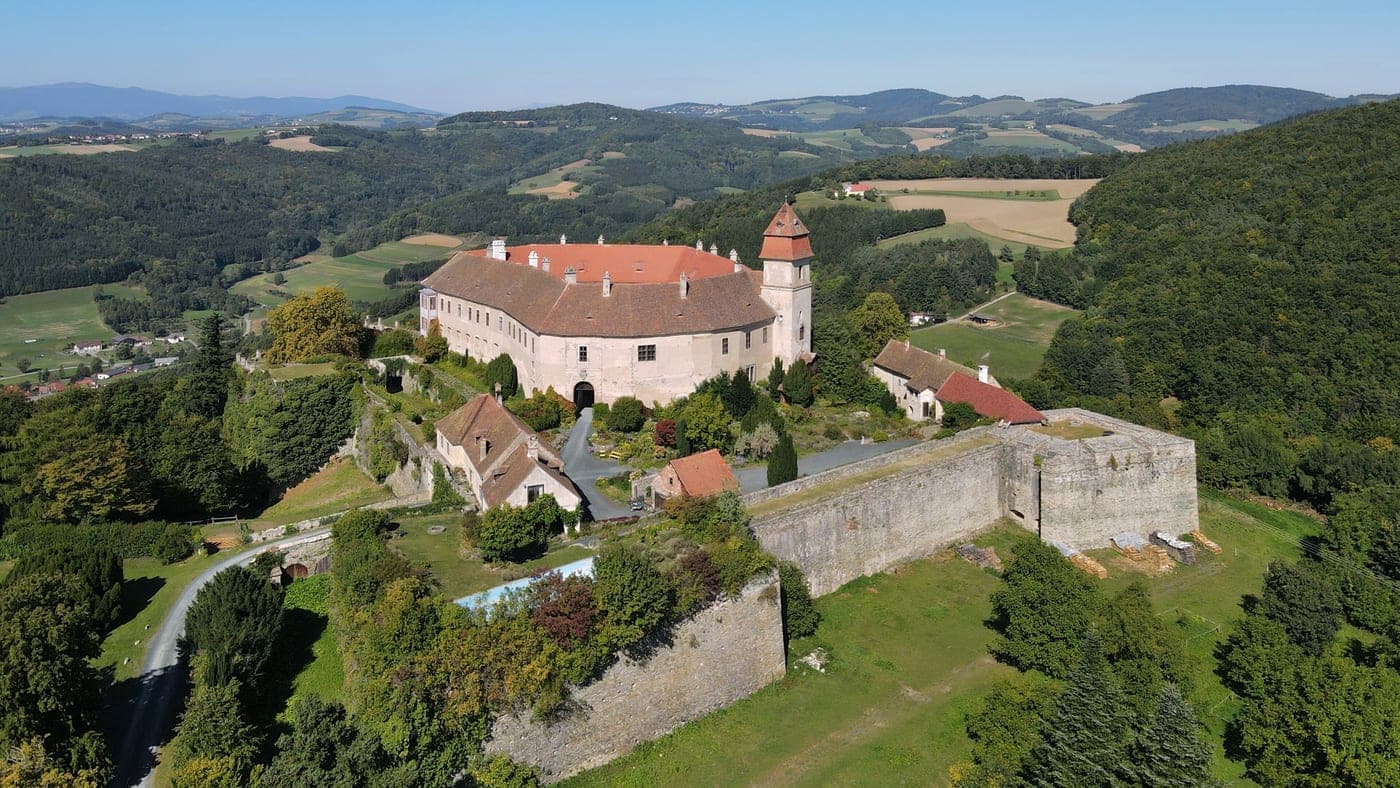
Aldeia remota num outeiro no sul de Burgenland, sede do castelo mais elevado da Áustria e único local na Europa onde se extrai a preciosa pedra serpentina verde.
A torre prisão de Ricardo Coração de Leão desmorona nos penhascos do Danúbio acima do mosteiro barroco e vinhedos de Dürnstein.
A fortaleza de Hohensalzburg domina a cidade velha barroca de Salzburgo onde a casa natal de Mozart fica na Getreidegasse.
A estrada de montanha sobe pelos passos de Hohe Tauern até as torres renascentistas do Castelo Mittersill.
Castelos da era dos Habsburgo se refletem nas águas alpinas do Wörthersee ao redor dos calçadões à beira do lago de Pörtschach.

Nestled in the Alps, this region is renowned for its baroque architecture and stunning landscapes. Salzburg is the birthplace of Mozart and boasts a rich musical heritage. The region is characterized by picturesque lakes, including the beautiful Wolfgangsee, and the majestic peaks of the surrounding mountains. Hidden gems like the charming village of St. Gilgen and the historical town of Hallein invite exploration. Salzburg's unique salt mines, dating back to prehistoric times, reveal its historical significance in trade. The region hosts various local festivals, including the Salzburg Festival, celebrating music and theater, making it an intriguing locale for cultural exploration. Ideal for those seeking to connect with both nature and history, this area offers a wealth of experiences off the typical tourist path.

Carinthia, Austria's southernmost region, is renowned for its stunning lakes and mountains. The largest lake, Wörthersee, is famous for its turquoise waters and vibrant summer festivals. Klagenfurt, the capital, features the historic Lindwurm fountain and a beautiful old town. The region boasts rich Slavic heritage, reflected in its cultural events and cuisine, such as hearty stews and local cheeses. Nature enthusiasts will appreciate the Nockberge National Park, offering scenic hiking trails. Carinthia also has a unique blend of Italian and Austrian influences, evident in its architecture and gastronomy, making it a fascinating area for deep exploration.

Burgenland is Austria's easternmost region, known for its diverse landscapes and rich cultural heritage. It is home to the historic city of Eisenstadt, where the Haydn Museum showcases the music of composer Joseph Haydn. The region features the unique Neusiedler See, a UNESCO World Heritage site, famous for its wetlands and birdwatching opportunities. Burgenland is also renowned for its wine production, particularly the sweet wines from the vineyards surrounding the charming town of Rust. Explore lesser-known towns like Lutzmannsburg, known for its thermal baths, or the picturesque village of Mönchhof, celebrated for its local crafts and traditional festivals. Outdoor activities such as hiking and cycling trails along the lake enhance the immersive experience in this less-traveled area.

Lower Austria is the largest province in Austria, known for its diverse landscapes that include rolling vineyards, historic towns, and the Danube River. The region boasts notable sites like the picturesque Wachau Valley, famous for its apricot orchards and terraced vineyards. Krems and Dürnstein are charming towns that offer a glimpse into the region's medieval past, while the vibrant city of St. Pölten serves as the provincial capital. Lower Austria is also home to several castles, such as Schloss Grafenegg, and natural parks like the Thayatal National Park, which provide opportunities for hiking and exploring local flora and fauna. This area is rich in wine culture, particularly known for Grüner Veltliner and Riesling varieties, drawing wine enthusiasts to its many wineries. The blend of nature, history, and gastronomy makes the province a fascinating destination for those looking to explore Austria beyond the usual tourist routes.