01Przystanek · Start
Wynajem kamperów·Niemcy
Hamburg
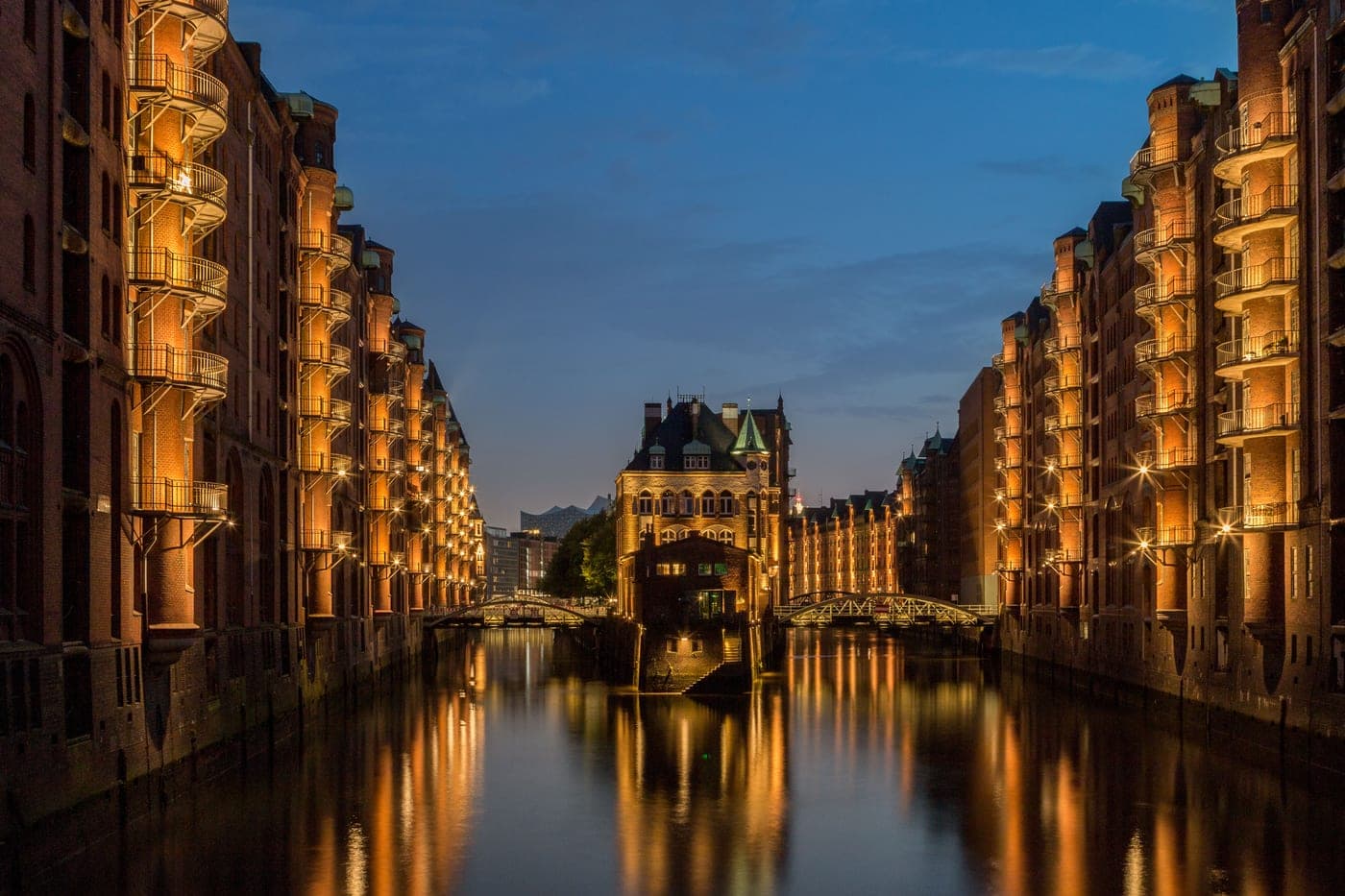
Portowe miasto z kanałami, magazynami Speicherstadt i kulturą morską.
⌬dzielnica magazynów Speicherstadt⌬filharmonia Elbphilharmonie⌬największy port Niemiec⌬dzielnica nocna Reeperbahn
HamburgPortowe miasto z kanałami, magazynami Speicherstadt i kulturą morską.
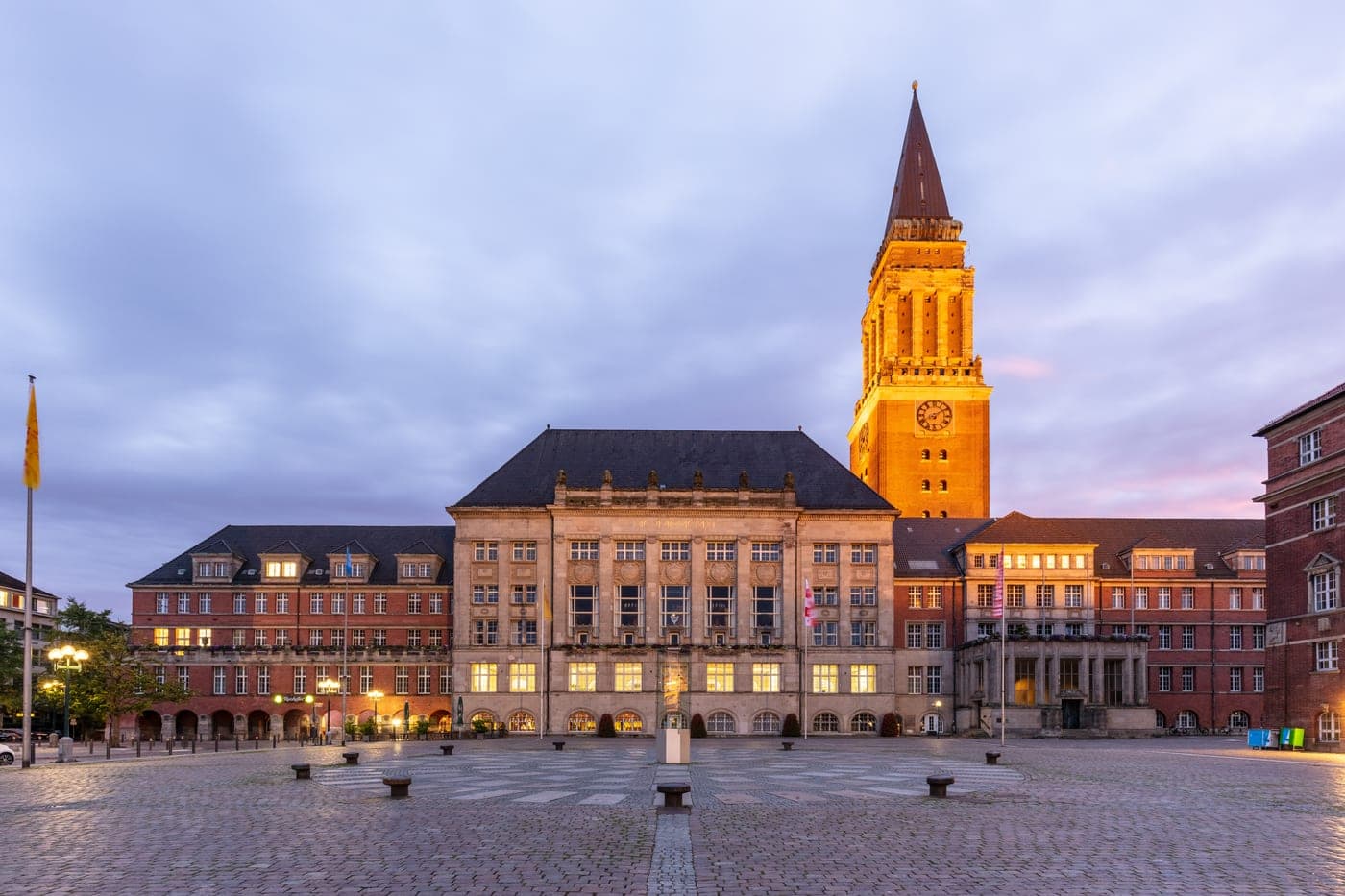
Stolica nad Morzem Bałtyckim z tradycjami żeglarskimi i połączeniami promowymi do Skandynawii.
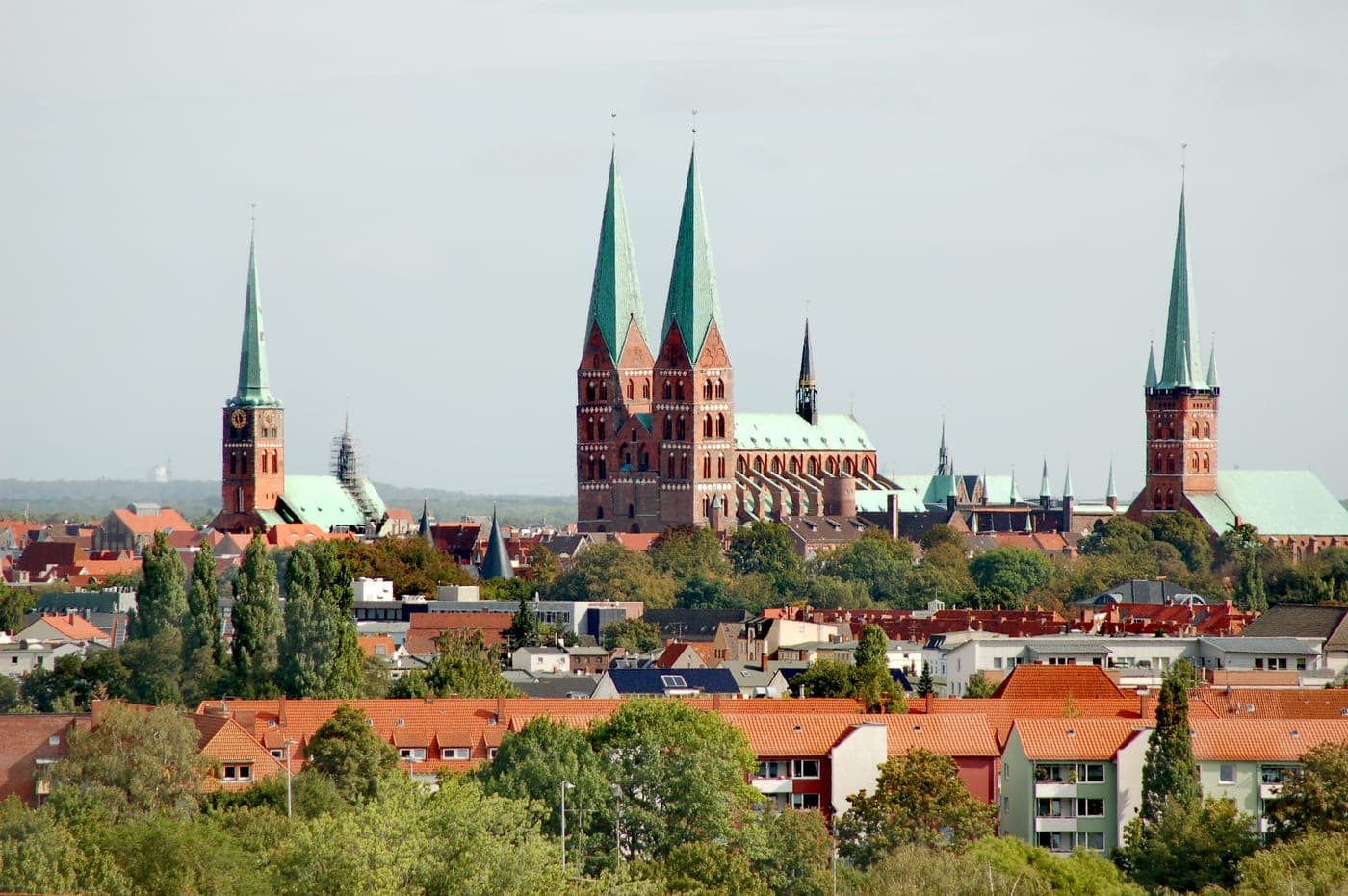
Miasto hanzeatyckie wpisane na Listę UNESCO z gotycką architekturą z cegły i marcypanem.
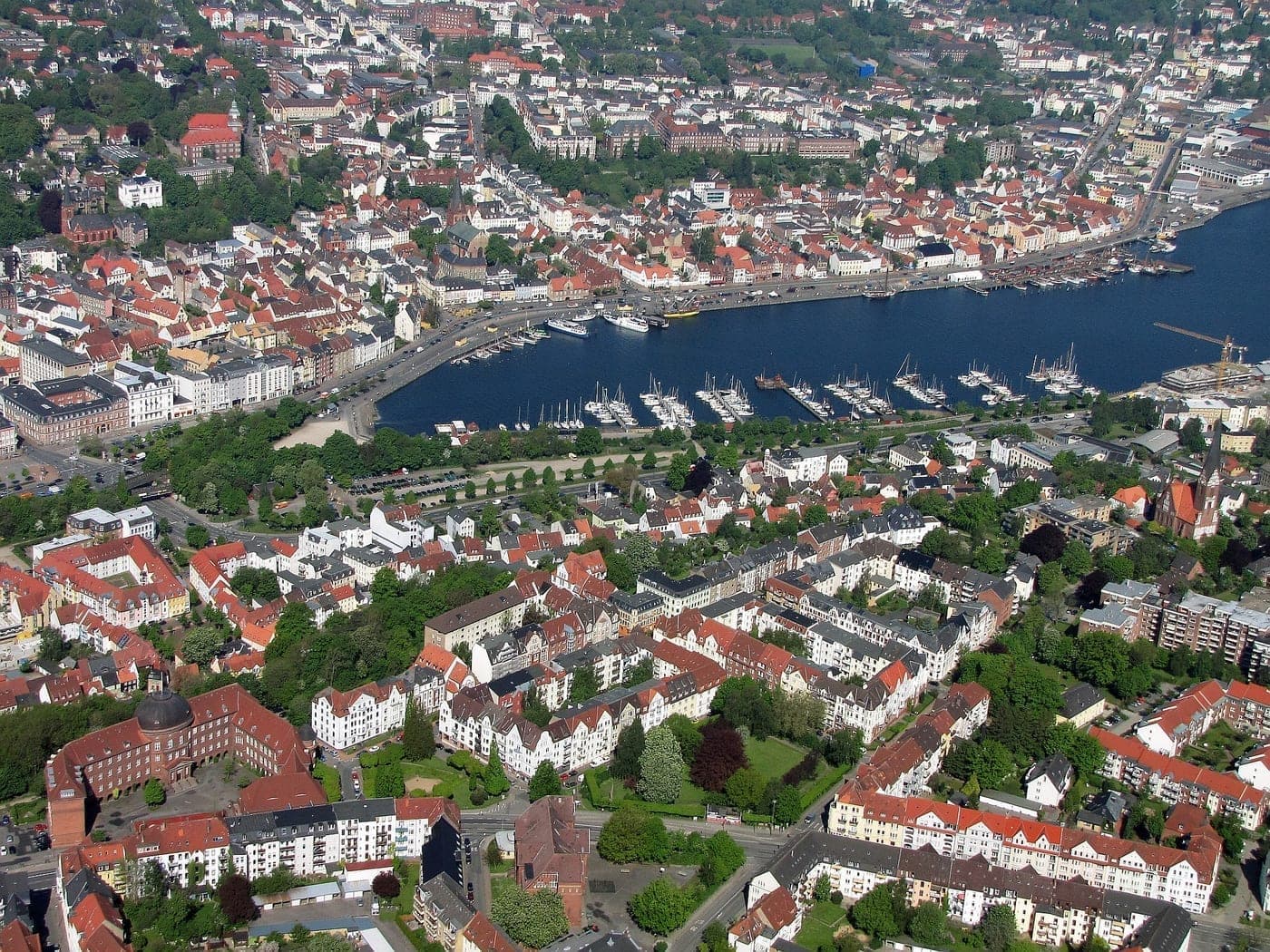
Historyczne duńsko-niemieckie miasto portowe nad fiordem, z morskim dziedzictwem.
Czerwone ceglane magazyny portowe ciągną się wzdłuż Łaby pod szklaną falą sali koncertowej Elbphilharmonie.
Maszty jachtów wypełniają marinę regat, skąd wyścigi żeglarskie na Bałtyku startują z nadbrzeża Kilonii.
Średniowieczne kamienice ze szczytami stoją wzdłuż brukowanych ulic, gdzie sklepy z marcepanami prezentują migdałowe wyroby.
Ścieżki rowerowe wiją się wzdłuż duńskiego fiordu granicznego, gdzie dwa języki mieszają się w nadmorskich wioskach.
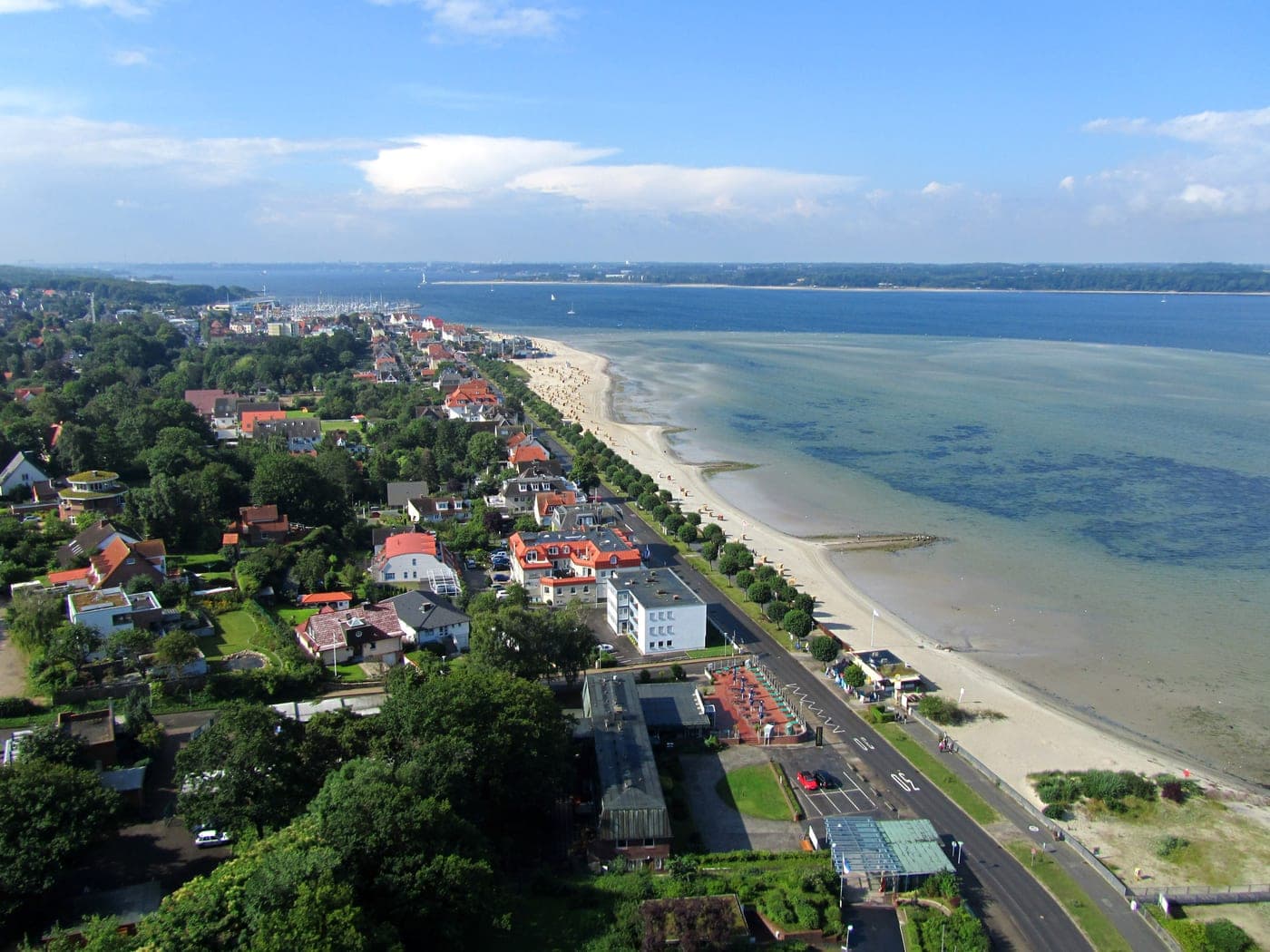
Schleswig-Holstein sits between two seas, and that fact shapes everything about its pace. On the west side, the Wadden Sea pulls back twice a day, leaving wide flats of mud and sand where oystercatchers and seals gather. On the east, the Baltic keeps a calmer shoreline, cut by narrow fjords called Förden that reach inland past reed beds and small fishing harbors. Between the two coasts lies a quieter inland belt of moraine hills, beech woods and lakes known as Holsteinische Schweiz, where the land rolls gently toward small lakes rather than open sea. Lübeck is the region's best-known town, its old core built by Hanseatic merchants and still arranged around brick gabled houses, a river harbor and the twin towers of the Holstentor gate. Marzipan making has been a local craft here for generations, and the smell of almond paste still drifts from shopfronts near the market square. A short distance north, Flensburg carries a different character: its harbor front and old rum warehouses point to centuries of trade with Norway and Denmark, and Danish is still spoken by a minority in town. Schleswig, at the head of the Schlei fjord, keeps an old layer of the region's history, with Gottorf Castle, now home to the state museums, facing the cathedral across the water. Villages in Schleswig-Holstein tend to sit low against the horizon, red brick and thatched roofs blending into flat fields or dike grass. Along the North Sea coast, dikes double as footpaths and cycling routes, running for long stretches with the sea on one side and grazing sheep on the other. The flatness of the land makes cycling an easy way to move between villages, small harbors and the ferry piers that link the mainland to the islands. Sylt, Föhr and Amrum lie offshore within the Wadden Sea National Park, each with its own character: Sylt is known for its dune landscape and thatched Frisian houses, Föhr keeps a quiet, agricultural feel around village greens and old churches, and Amrum holds an extensive dune area. Inland, the lake district around Plön and Eutin offers a different kind of water travel. Small passenger boats cross the lakes between beech forests, and Plön sits below its own castle, overlooking the water from a wooded hill. Eutin keeps a baroque palace and gardens open for slow walking. Further west, the town of Husum sits by its own tidal harbor, and each spring the palace garden there fills with crocus blooms. Kiel, the state capital, faces the Baltic directly and turns into a sailing city every summer during Kieler Woche. Things to do in Schleswig-Holstein tend to build from the coastline itself: watching the tide uncover the Wadden Sea flats, following a dike path between two fishing harbors, crossing an inland lake by small boat, or walking a fjord town's quay while gulls work the fish stalls. Herring and eel appear often on menus near the coast, and Labskaus, a hearty dish of corned beef, potato and beetroot, remains a Baltic port staple. The region rewards attention to weather and tide as much as to any single sight — mudflats change completely between low and high water, and light on the Baltic coast shifts quickly with the wind. Markets, harbor cafés and small guesthouses set the rhythm here more than any schedule does. Whether the starting point is Lübeck's brick lanes, Flensburg's Danish-flavored harbor, or a quiet island church on Föhr, Schleswig-Holstein holds together as one landscape of tide, wind and water, best taken in a village or a shoreline at a time.
Hamburg, Germany's second-largest city, is known for its rich maritime history and vibrant cultural scene. The city is home to the historic Speicherstadt, the world's largest warehouse district, built on timber-pile foundations. The Elbphilharmonie, a striking concert hall, offers stunning views of the harbor. Nearby, the Blankenese district features picturesque hillside paths along the Elbe River. Additionally, Hamburg hosts numerous festivals, such as the Hamburg Dom fair and the Port Anniversary. The city’s diverse neighborhoods, from St. Pauli's nightlife to the artistic vibe of Schanzenviertel, offer unique local experiences. The surrounding nature, including the scenic Alster Lakes, invites leisurely exploration.
Otrzymuj porady dotyczące slow travel prosto do skrzynki
Krótka wiadomość, gdy pojawi się coś, dla czego warto wyruszyć. Odpowiedz STOP, kiedy zechcesz.
Subskrybując zgadzasz się, że skontaktujemy się przez WhatsApp. Polityka prywatnościListy od czasu do czasu w skrzynce — z polecanymi miejscami, mapami i trasami.
Zapisując się do newslettera, zgadzasz się z naszą polityką prywatności.