01Stanica · Početak
Najam brodova·Hrvatska
Rovinj
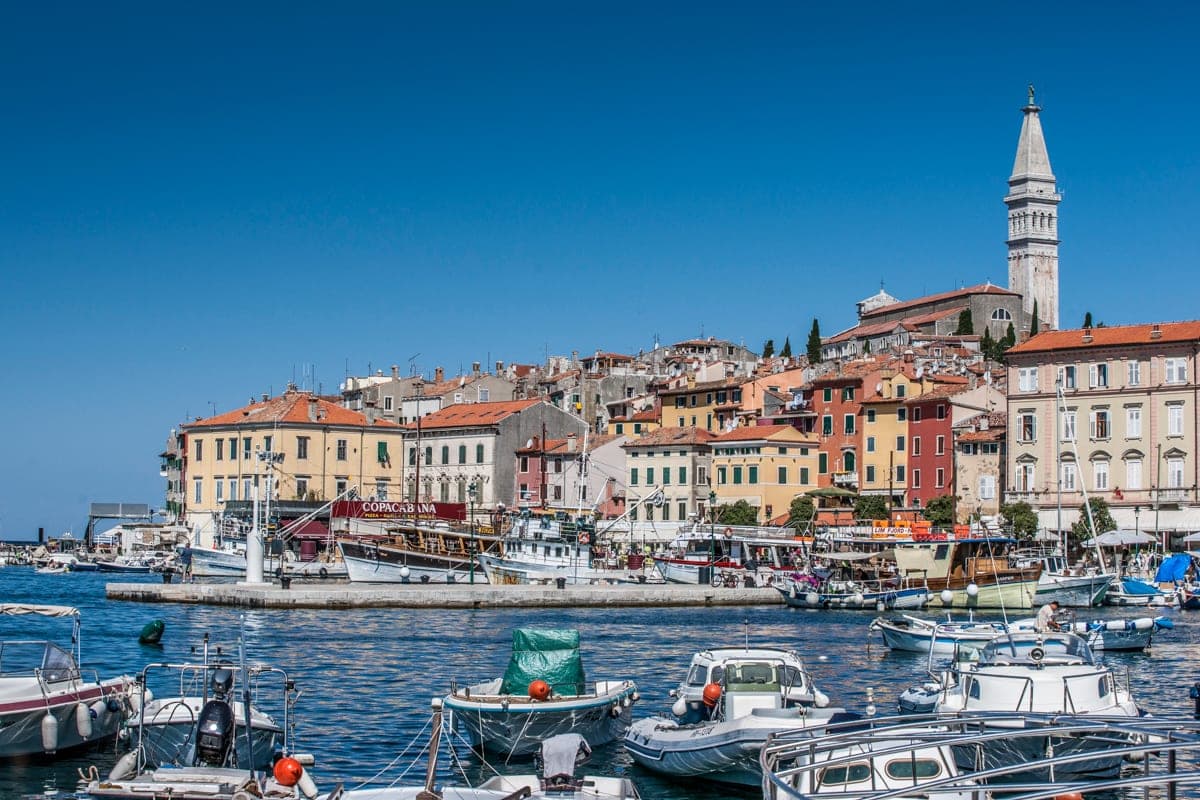
Slikoviti istarski ribarski gradić sa živopisnom lukom i crkvom na brežuljku.
⌬Venecijanska arhitektura⌬Obalni pogledi⌬Najam brodova⌬Morski plodovi
RovinjSlikoviti istarski ribarski gradić sa živopisnom lukom i crkvom na brežuljku.
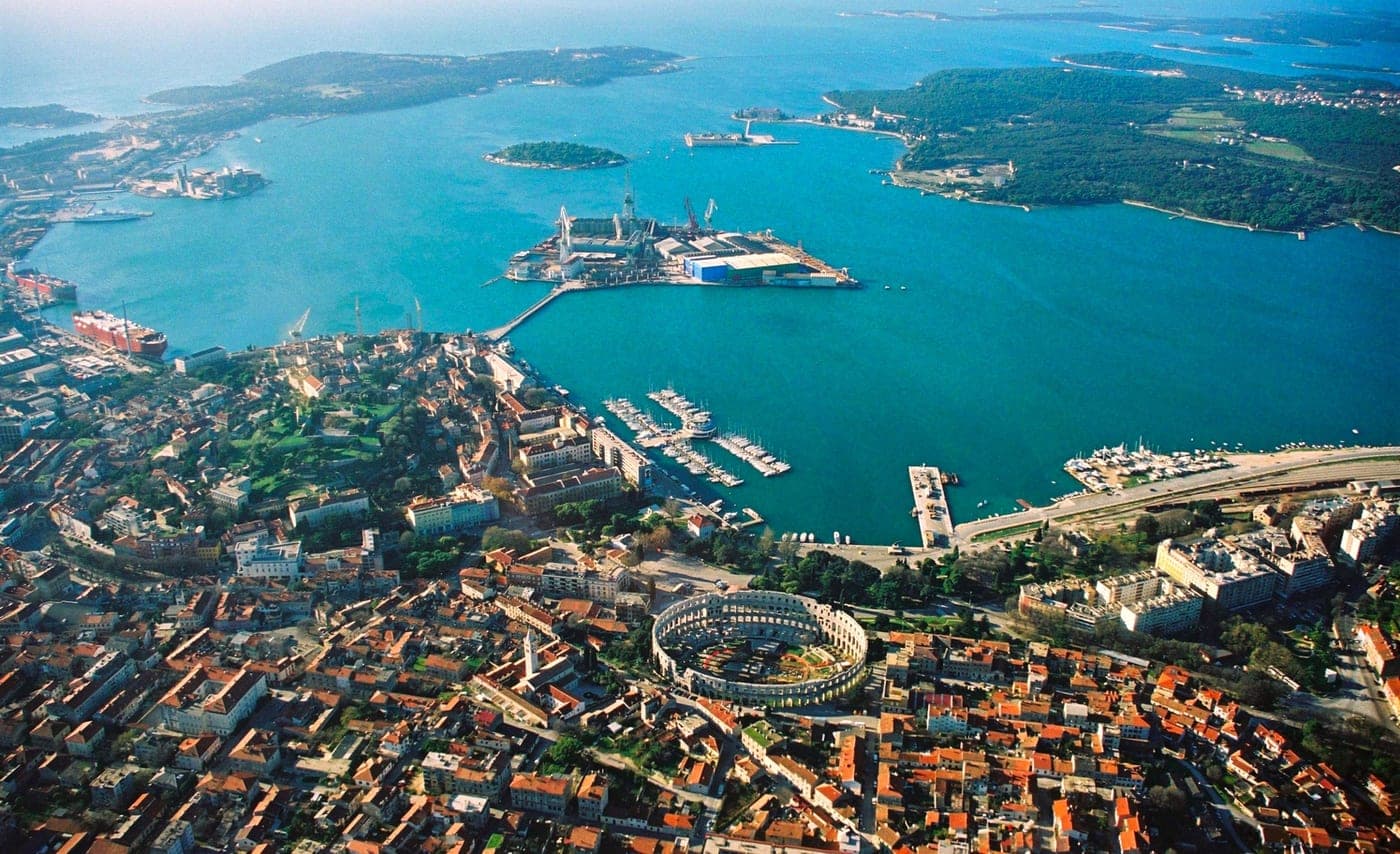
Drevni istarski grad s izvanredno očuvanim rimskim amfiteatrom i lukom.
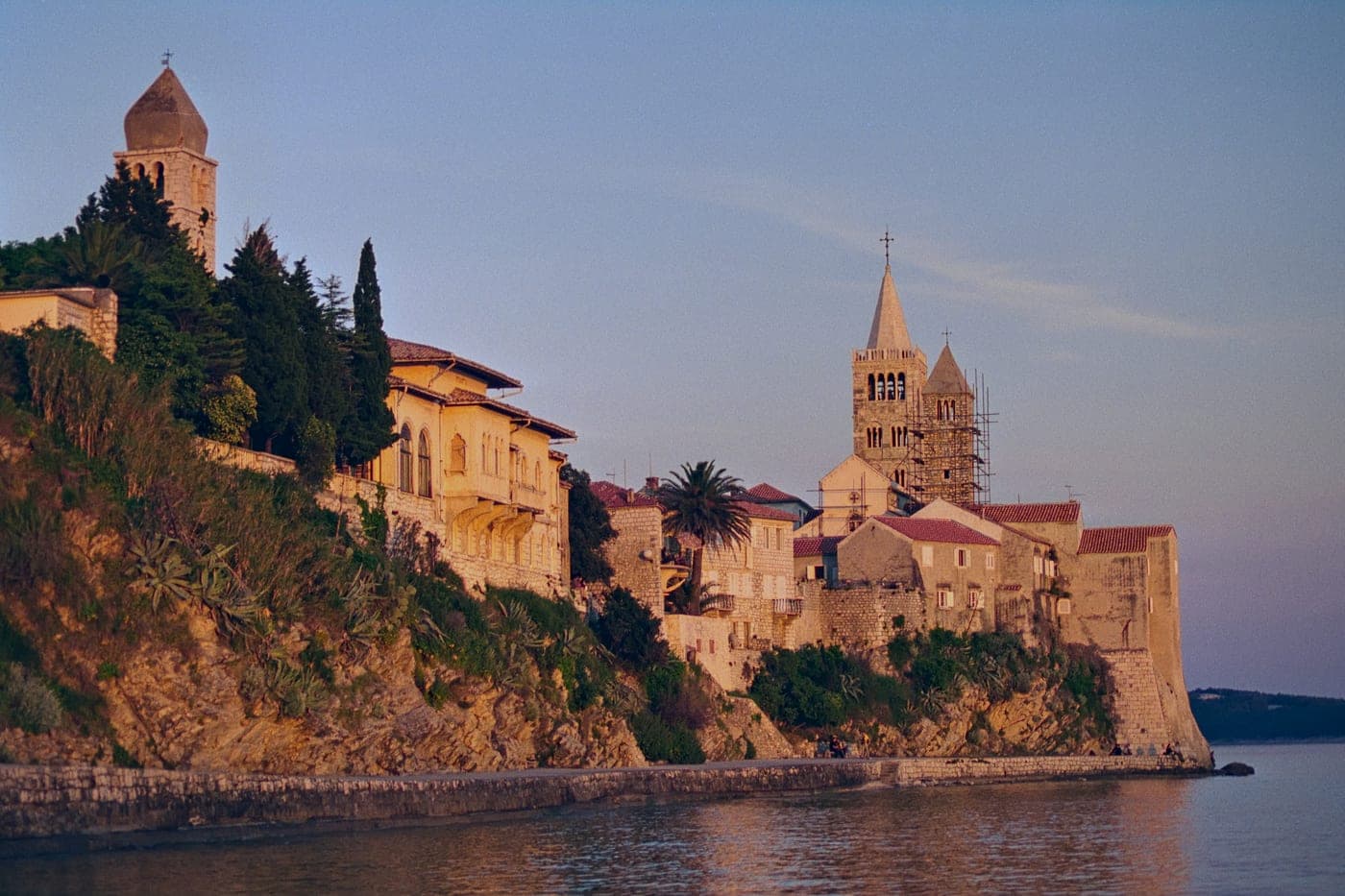
Srednjovjekovni otočni grad s četiri zvonika i pješčanim plažama.
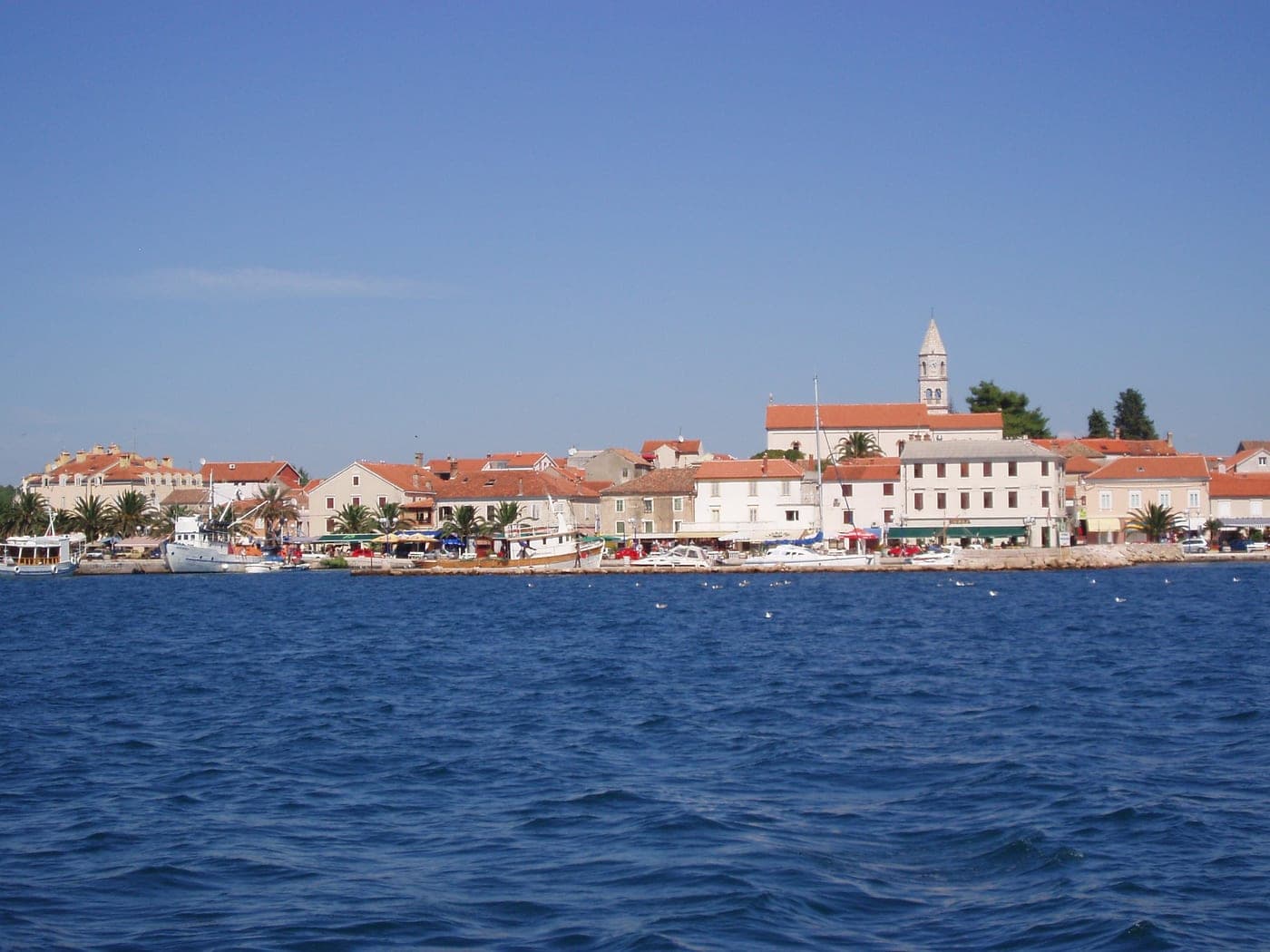
Obalni grad s velikom marinom i izvrsnim mogućnostima za najam plovila za istraživanje Jadrana.
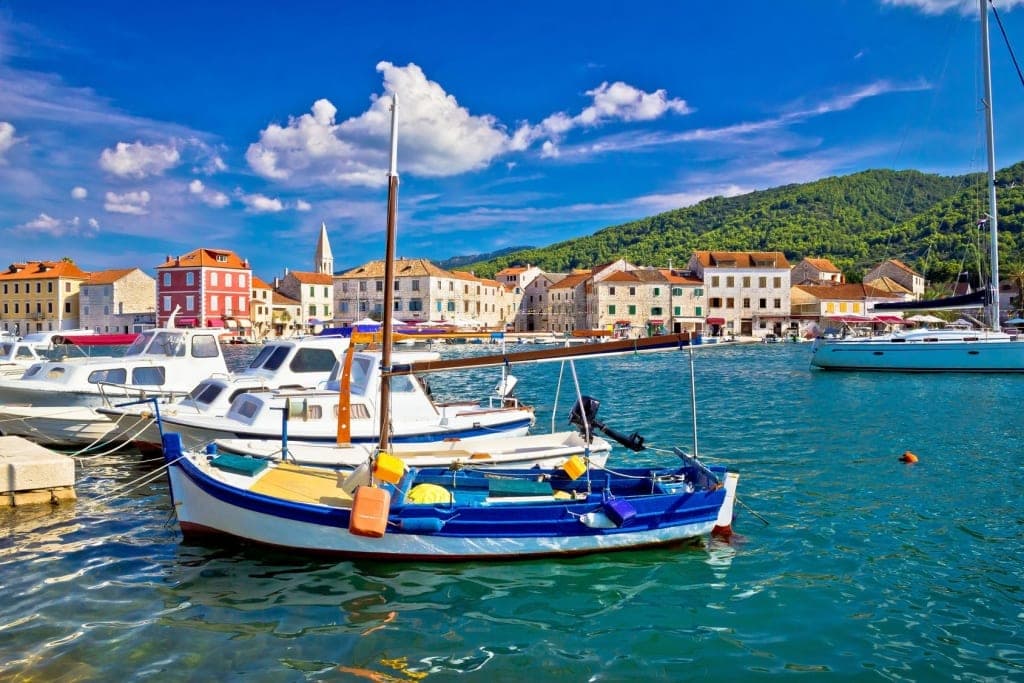
Drevni lučki grad na Hvaru sa Starogradskim poljem pod zaštitom UNESCO-a.
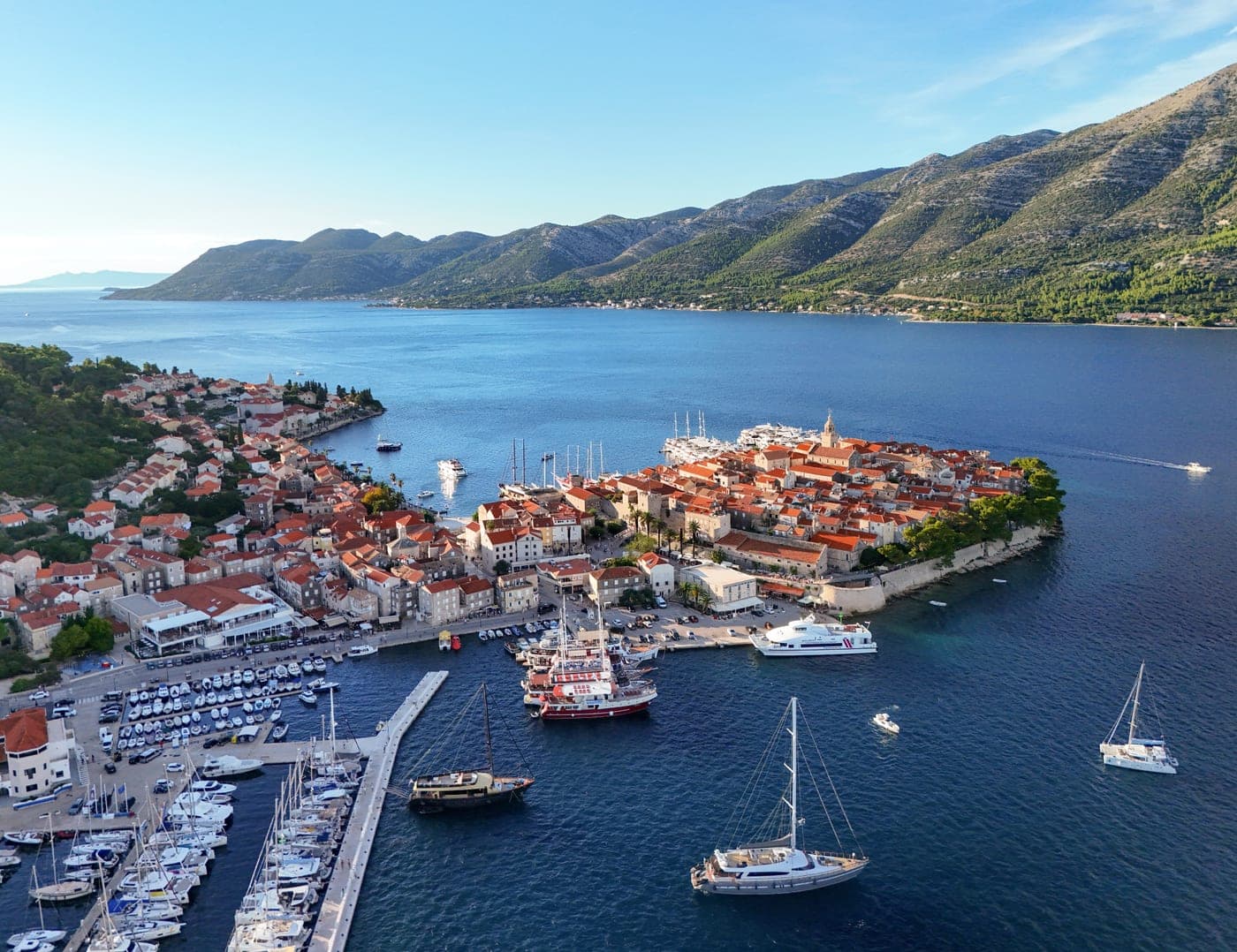
Srednjovjekovni otočni grad okružen zidinama, rodno mjesto Marka Pola, s vinogradima.
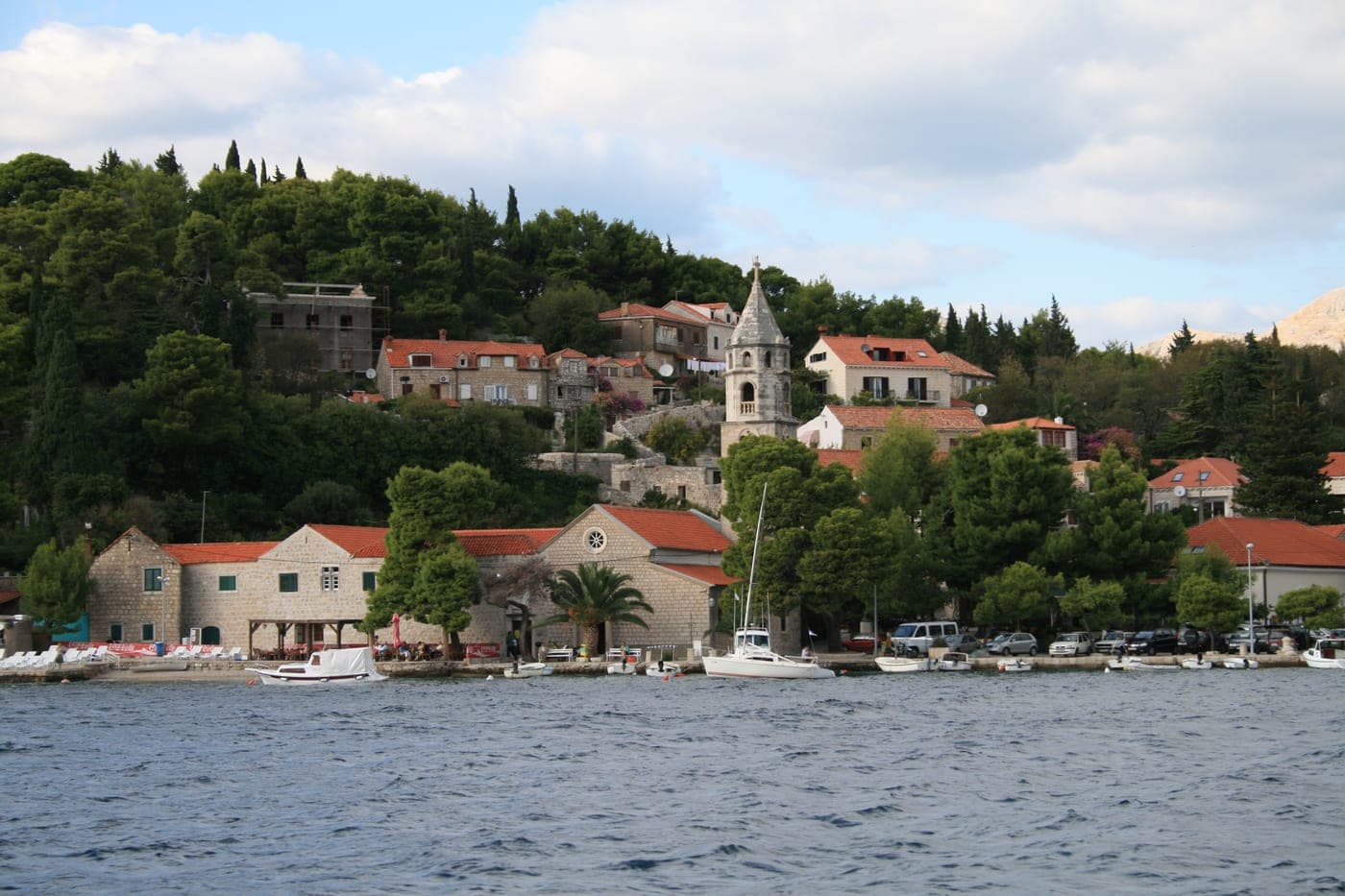
Šarmantni obalni grad blizu Dubrovnika s lukom okruženom borovima i plažama.
Zvonik sv. Eufemije uzdiže se nad rovinjanskom lukom gdje tradicionalne batane pristaju kod ekomuzeja.
Pulski rimski amfiteatar ugošćuje ljetne koncerte dok Augustov hram stoji nedaleko na forumu.
Rapska pješčana plaža Raj proteže se ispod srednjovjekovnih zidina gdje ljetni festivali dovode kostimirane vitezove.
Mali brodovi plovile kroz gole vapnenačke otoke Kornata iz marine u Biogradu.
Dubrovnik-Neretva is Croatia's southernmost region, known for its stunning coastline and rich history. The city of Dubrovnik, a UNESCO World Heritage site, is famous for its well-preserved medieval walls and baroque architecture. Nearby, the Neretva River valley offers lush landscapes and unique cultural experiences, particularly in the town of Metković, known for traditional Neretva cuisine and eco-tourism. The region is also home to the Elaphiti Islands, where visitors can explore secluded beaches and local fishing villages. Enjoy local specialties like the white wine from the Pelješac Peninsula and the sweet Neretva mandarin. This region balances cultural heritage with natural beauty, perfect for those seeking deeper connections with their surroundings.
Zadar is a coastal city in Croatia, known for its rich history and stunning architecture. It features Roman ruins, medieval churches, and vibrant street life. The region encompasses several islands, including Ugljan and Pašman, offering secluded beaches and hiking trails. Zadar is home to the unique Sea Organ, an architectural marvel that plays music through the sea waves. The city is the oldest continuously inhabited city on the Croatian mainland, with roots dating back to the Roman Empire. Beyond the city, the nearby National Parks of Krka and Paklenica showcase diverse landscapes, perfect for nature lovers. Zadar's local cuisine highlights fresh seafood and traditional pastries, making it a culinary gem in the region.
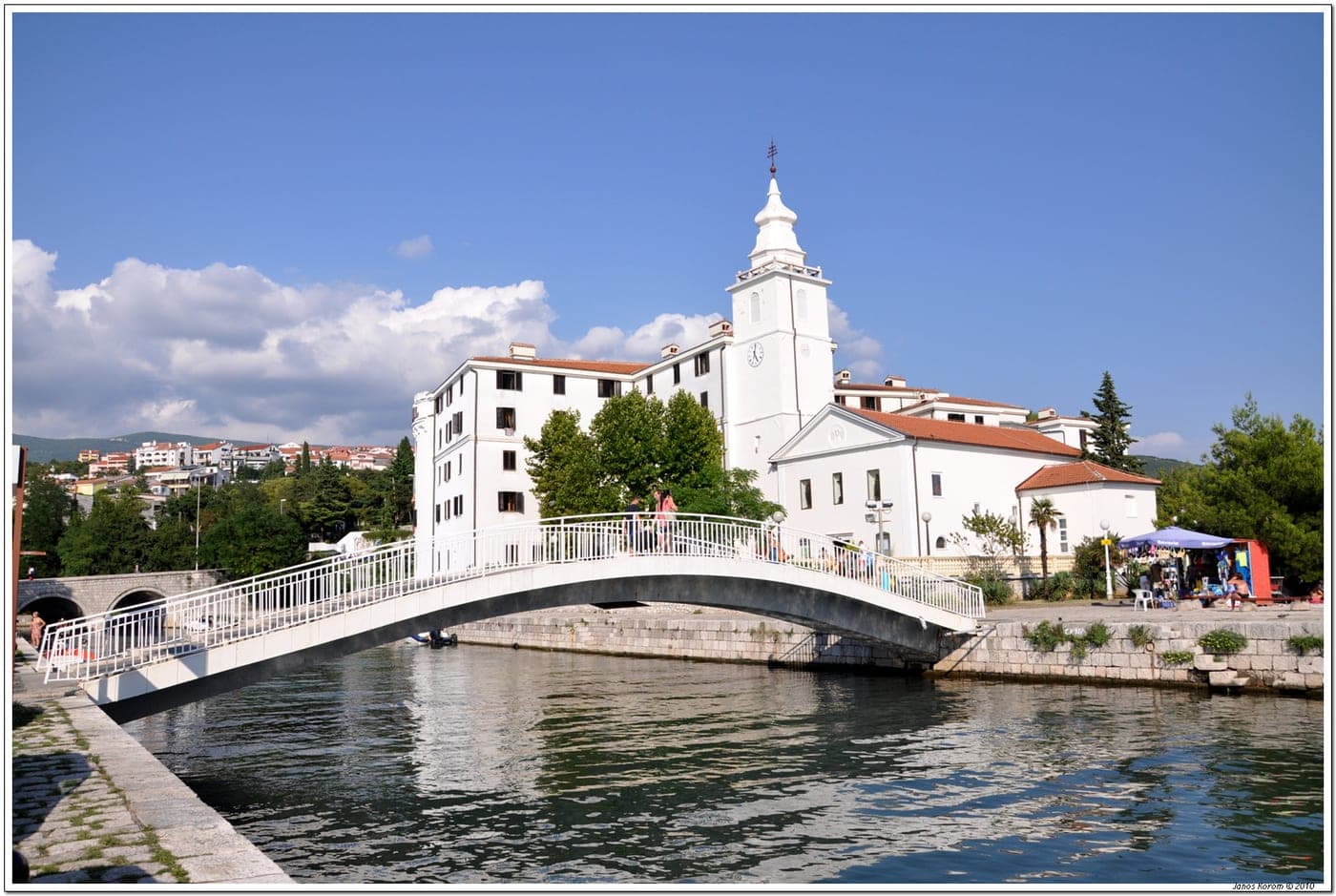
Nestled along the northern Adriatic, this region is the largest in Croatia by area, featuring a diverse landscape of mountains, islands, and coastal towns. The city of Rijeka serves as a cultural hub, known for its vibrant festivals and rich maritime history, including the Trsat Castle overlooking the city. Opatija, with its historic villas and seaside promenade, offers a glimpse into the 19th-century Austrian Riviera. Nearby, the islands of Cres and Lošinj boast stunning natural parks and traditional fishing villages. Nature lovers can explore the Risnjak National Park, while wine enthusiasts can taste local Vrbnička Žlahtina. This region thrives on its rich cultural tapestry and local gastronomy, emphasizing sustainable practices and authentic experiences that reflect its heritage.
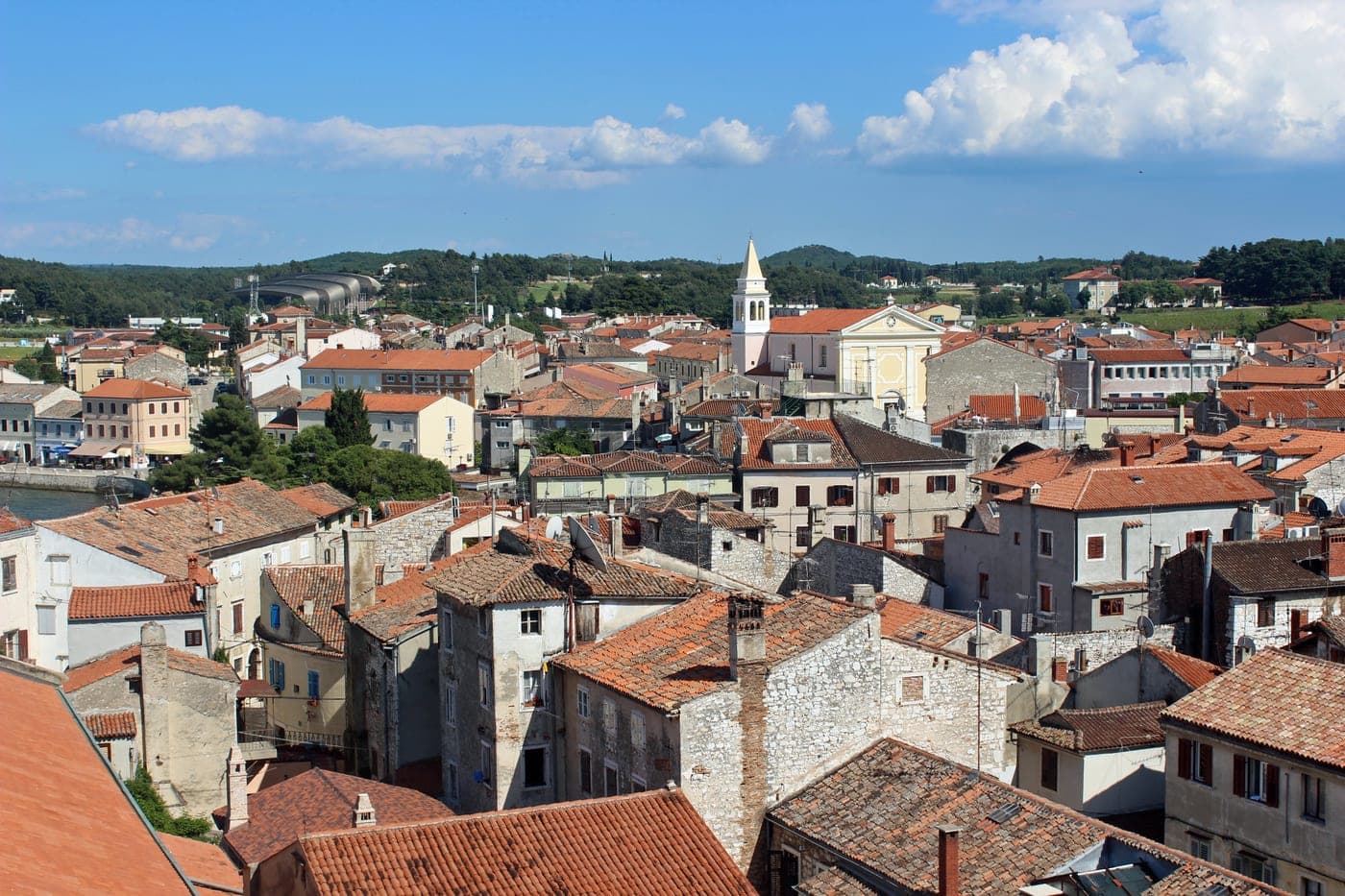
Istria is Croatia's largest peninsula, known for its diverse landscape of rolling hills, vineyards, and olive groves. This region features charming towns like Rovinj, famous for its colorful waterfront and Venetian architecture, and Pula, home to one of the best-preserved Roman amphitheaters in the world. The coastal areas provide access to beautiful beaches, while inland, the hilltop villages of Motovun and Grožnjan offer stunning views and rich history. Istria is celebrated for its culinary delights, particularly truffles and local wines like Teran and Malvazija. The region also hosts various cultural festivals, showcasing its vibrant traditions and arts. It's a place where ancient history meets rich gastronomy, ideal for those who wish to explore beyond typical tourist paths.
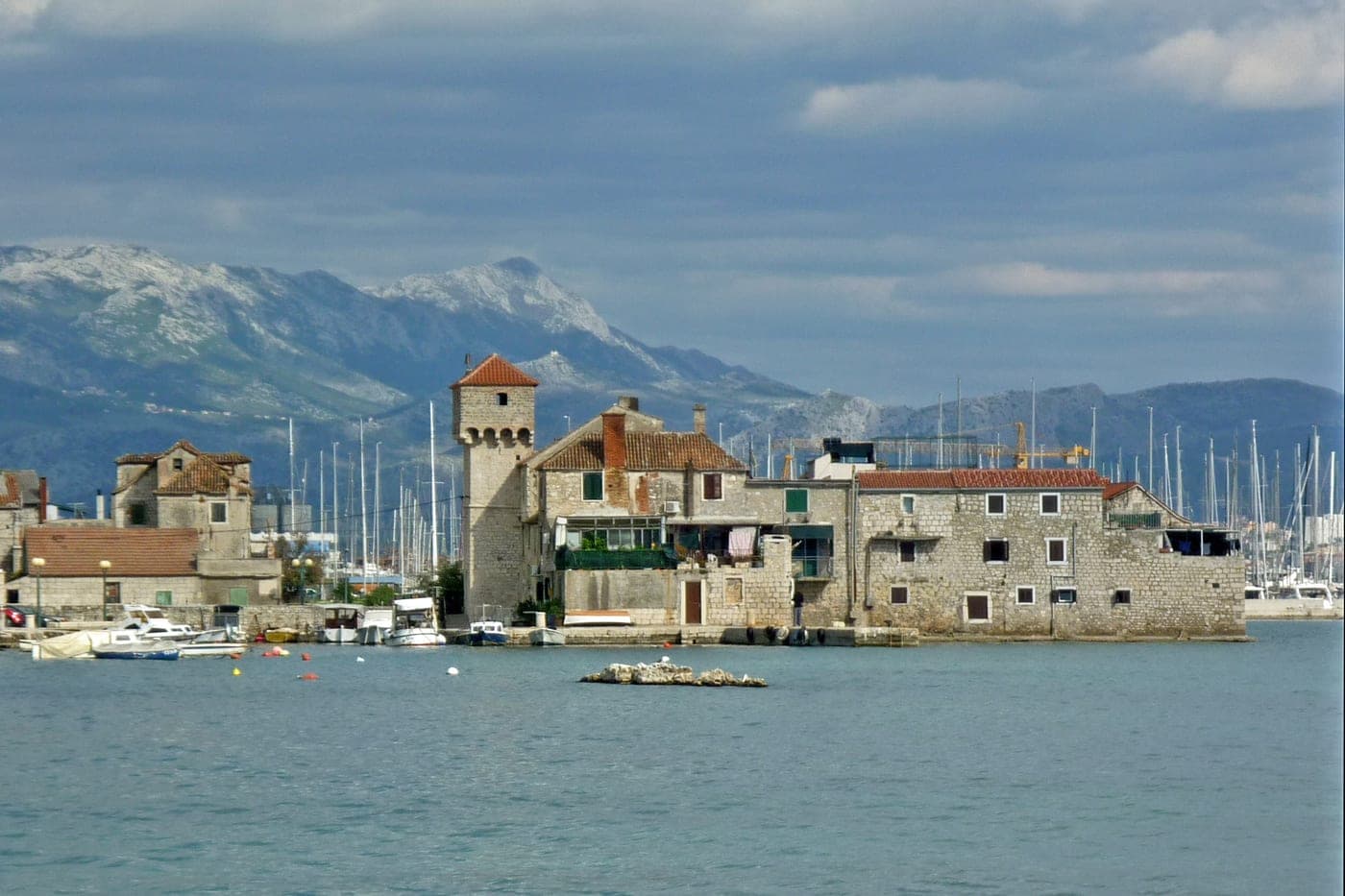
Split-Dalmatia is the largest county in Croatia, known for its stunning coastline along the Adriatic Sea. The city of Split, with its UNESCO-listed Diocletian's Palace, serves as the region's cultural heart. Beyond the city, the county boasts lesser-known gems like the historic town of Trogir, famous for its medieval architecture, and the serene islands of Hvar and Brač, known for their local wines and olive oil. Nature lovers can explore the rugged beauty of the Biokovo Mountain range or the hidden coves along the coast. This region is rich in traditional gastronomy, featuring fresh seafood, local cheeses, and the unique wines of the Dalmatian hinterland. Festivals such as the Split Summer Festival showcase local arts and culture, providing an authentic glimpse into life here.
Primajte savjete za sporo putovanje izravno u svoj pretinac
Kratka poruka kad se pojavi nešto vrijedno puta. Odgovori STOP kad god želiš.
Pretplatom pristaješ da te kontaktiramo putem WhatsAppa. Pravila privatnostiPovremena pisma u tvojem inboxu — s preporukama, kartama i rutama.
Pretplatom na newsletter pristajete na našu politiku privatnosti.