Dürnstein
Ville emblématique de la Wachau avec ses ruines de château médiéval et ses vins de classe mondiale.
Recevez nos conseils de voyage lent directement dans votre boîte mail
Un court message quand quelque chose vaut le voyage. Réponds STOP à tout moment.
En t’abonnant, tu acceptes d’être contacté·e via WhatsApp. Politique de confidentialitéDes lettres occasionnelles dans ta boîte — avec des recommandations, cartes et itinéraires.
En vous inscrivant à la newsletter, vous acceptez notre politique de confidentialité.
Dürnstein
Ville emblématique de la Wachau avec ses ruines de château médiéval et ses vins de classe mondiale.

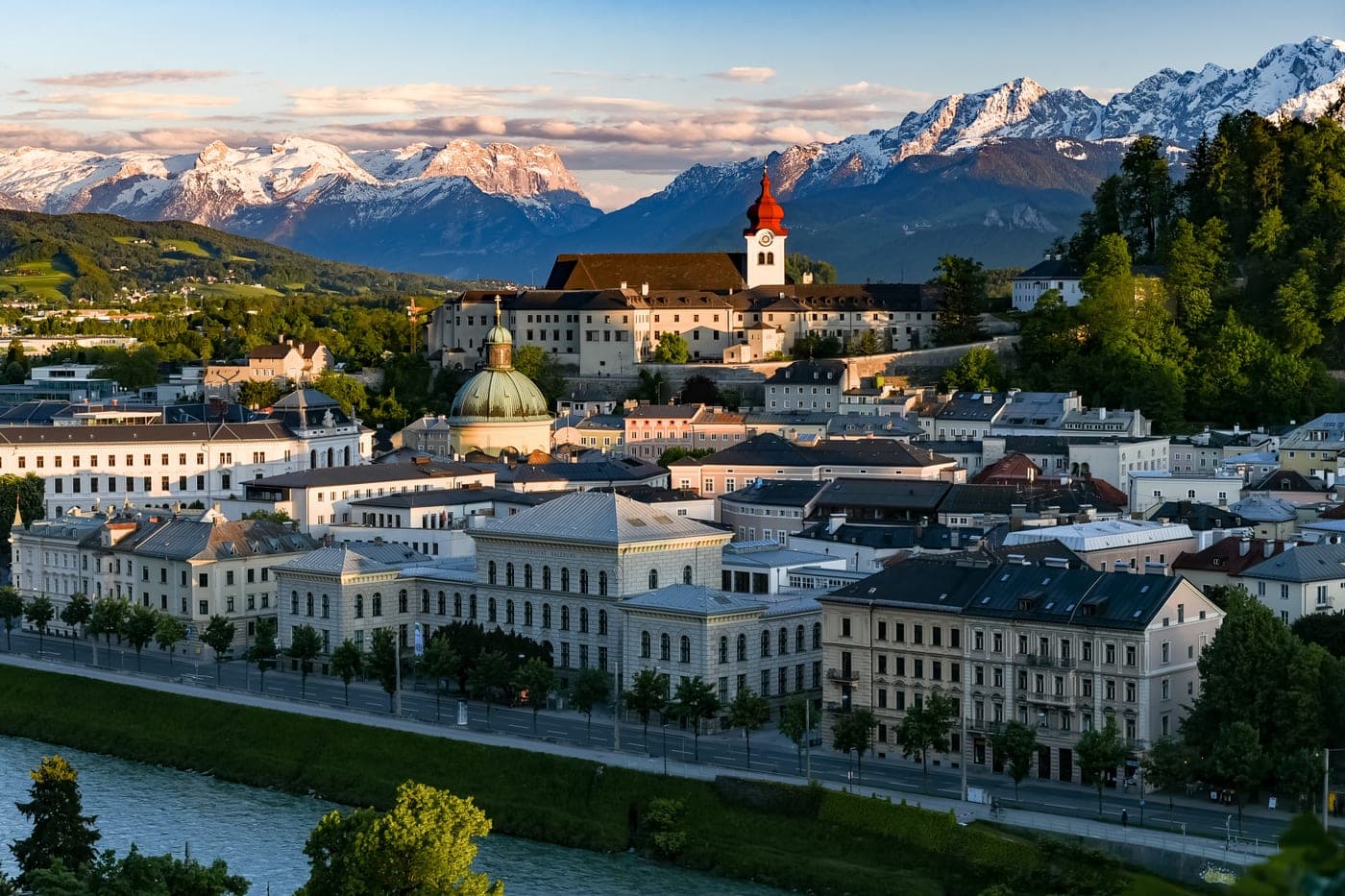
Ville natale de Mozart, joyau baroque de l'Autriche

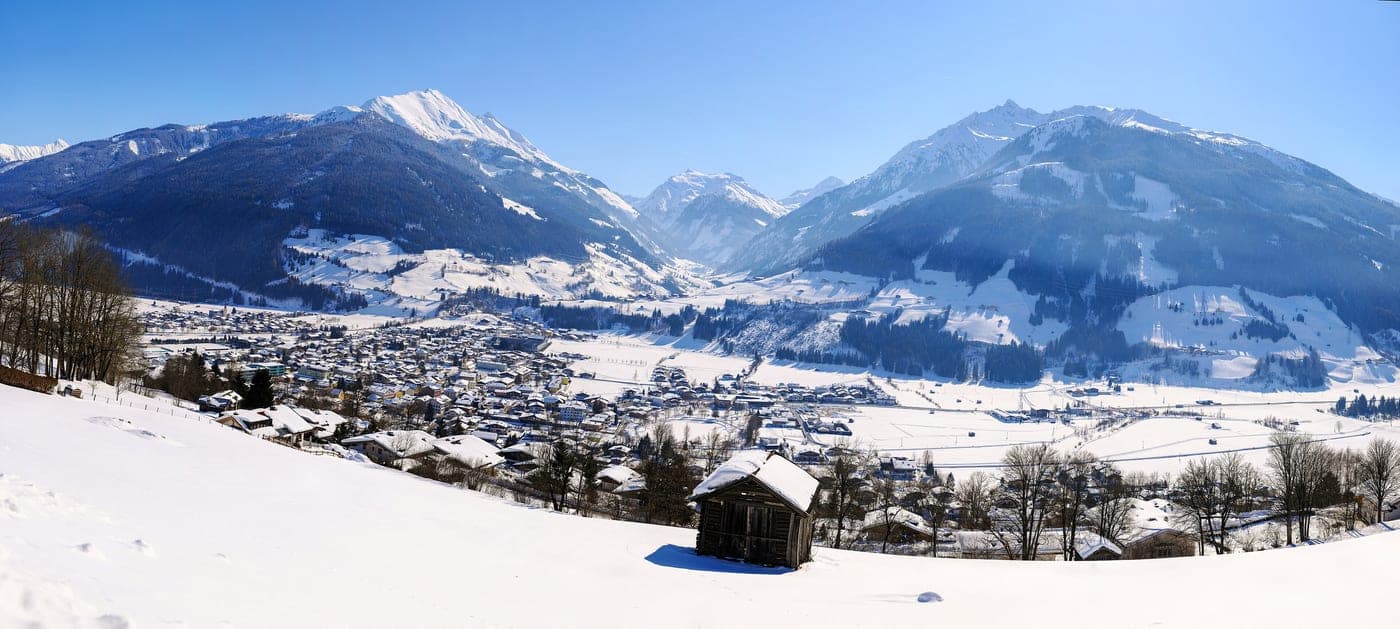
Petite ville alpine dans la région du Pinzgau à Salzbourg, abritant un château vieux de 900 ans surplombant la vallée de la Salzach et porte d'entrée du parc national des Hohe Tauern.

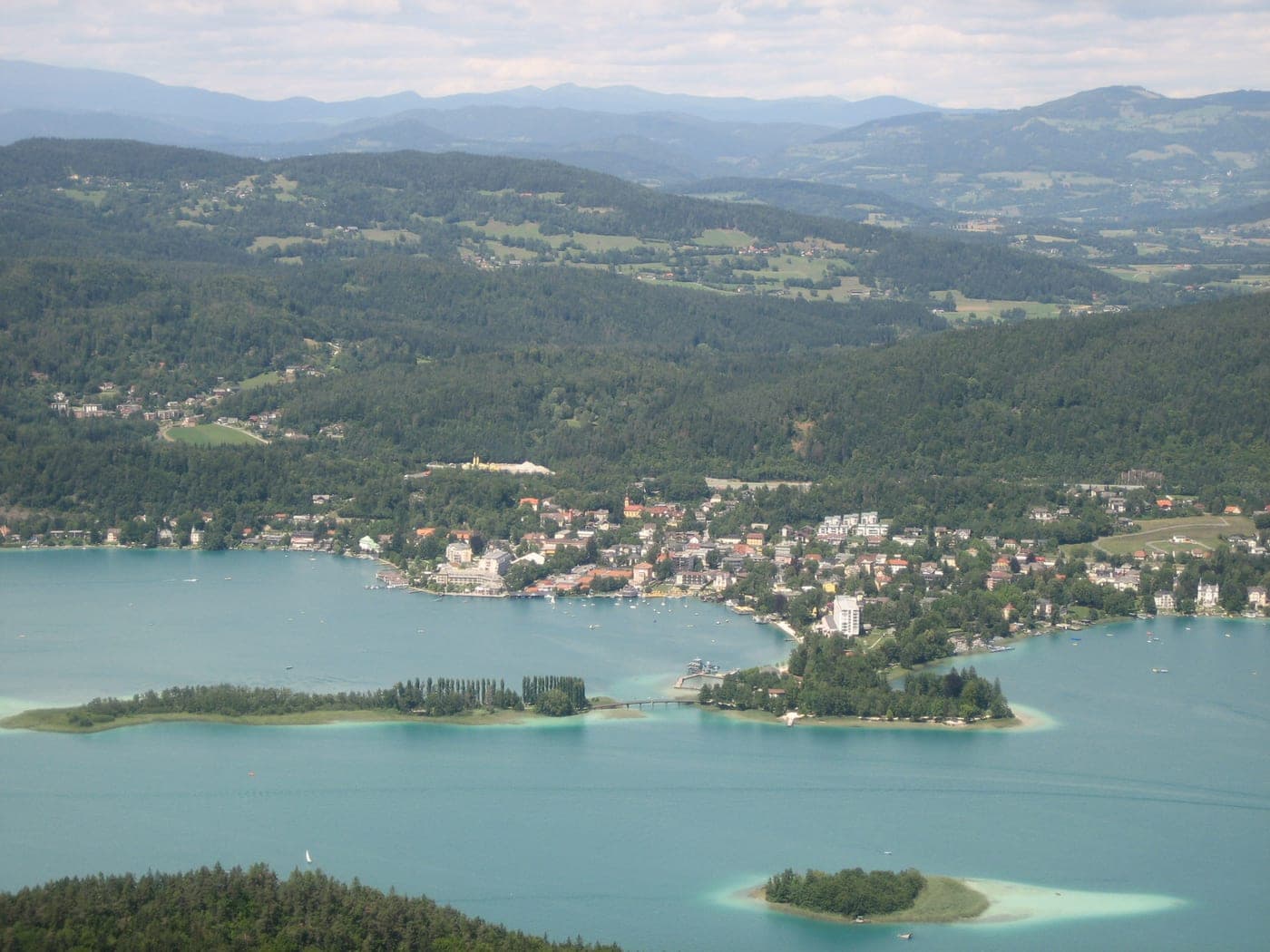
Station balnéaire Belle Époque au bord du Wörthersee où Brahms composa, bordée de villas élégantes et d'un hôtel-château historique en son centre.

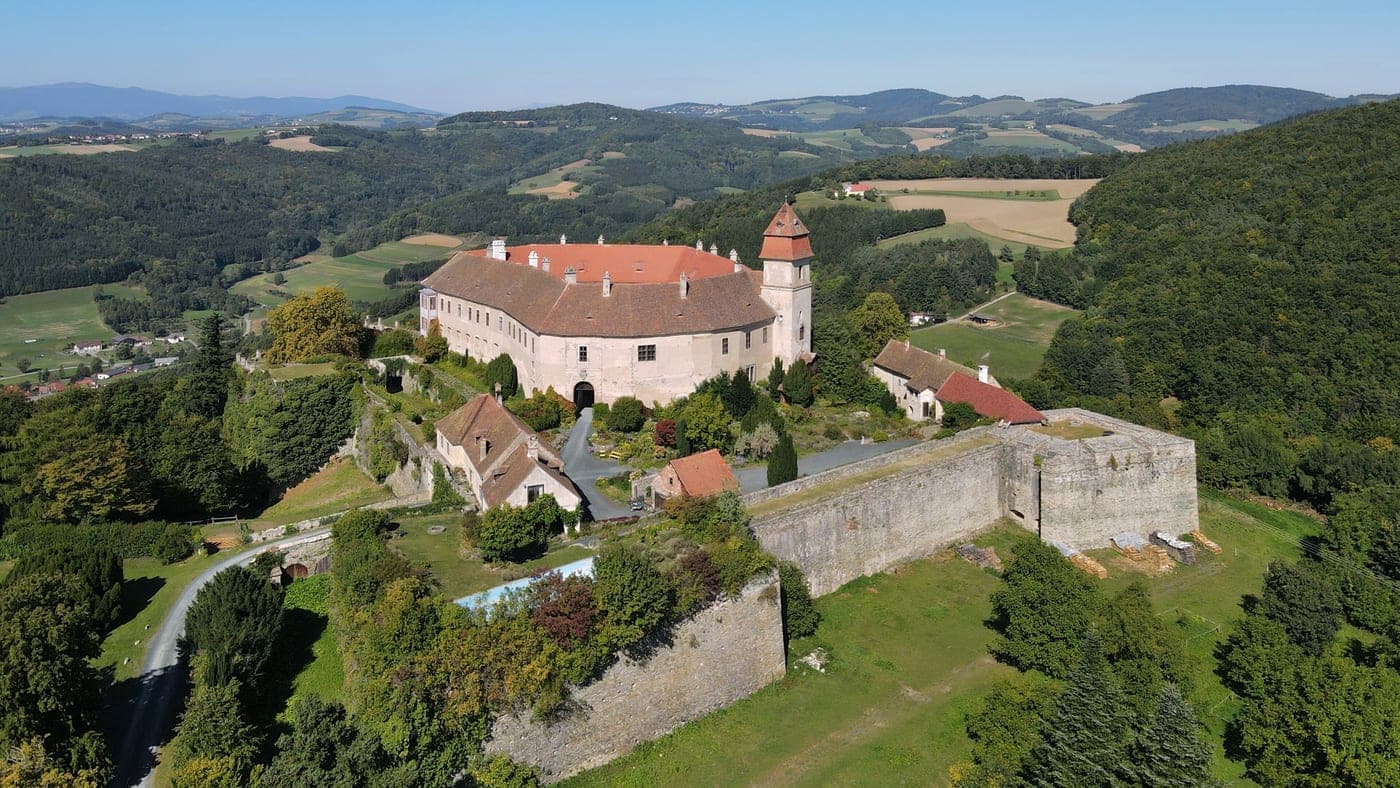
Village reculé perché en Basse-Autriche, dominé par le château le plus haut d'Autriche et seul site d'extraction en Europe de la pierre serpentine verte précieuse.
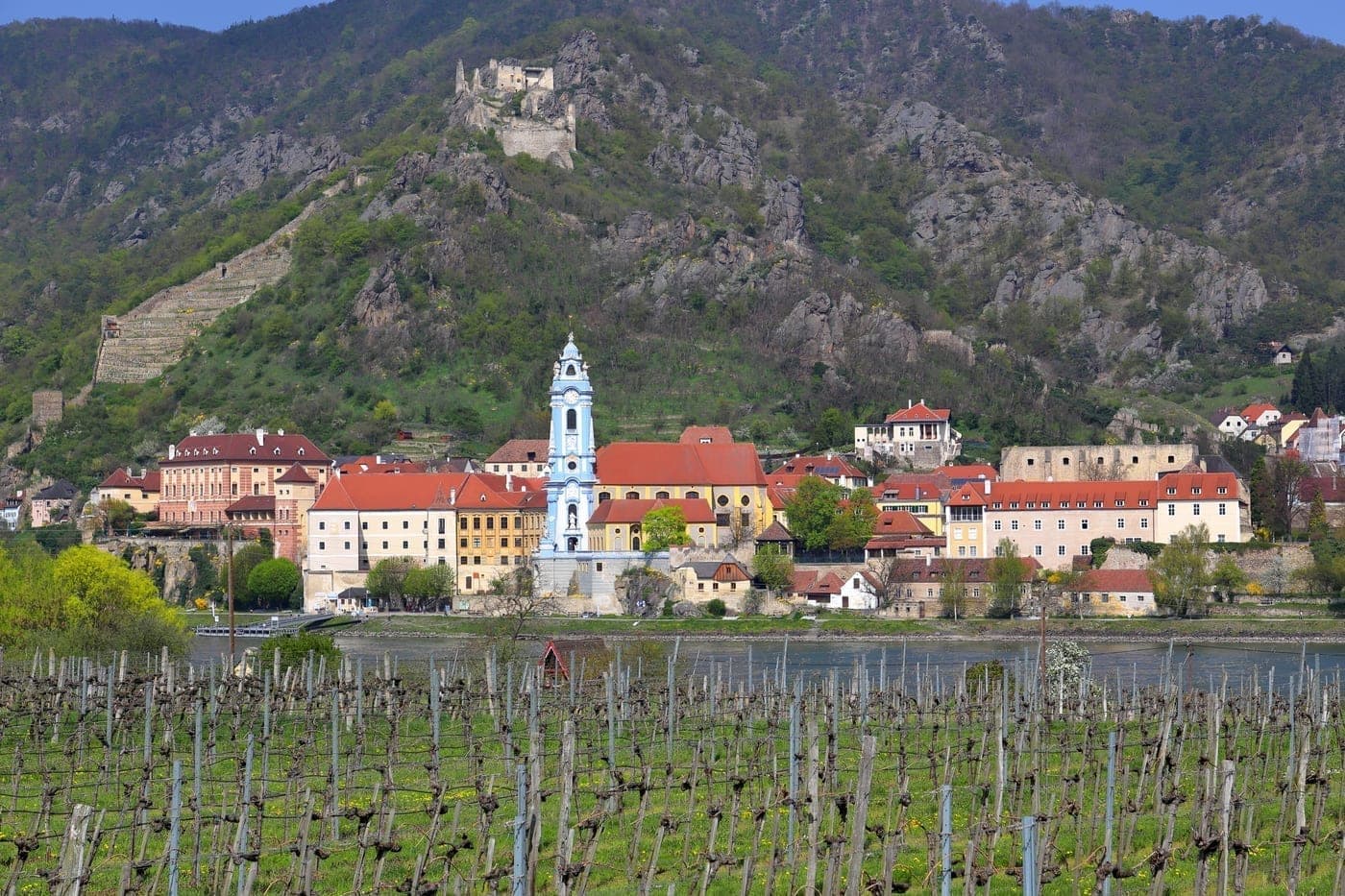
La tour-prison de Richard Cœur de Lion s'effrite sur les falaises du Danube au-dessus du monastère baroque et des vignobles de Dürnstein.
La forteresse de Hohensalzburg domine la vieille ville baroque de Salzbourg où la maison natale de Mozart se dresse sur Getreidegasse.
La route de montagne grimpe à travers les cols du Hohe Tauern vers les tours Renaissance du château de Mittersill.
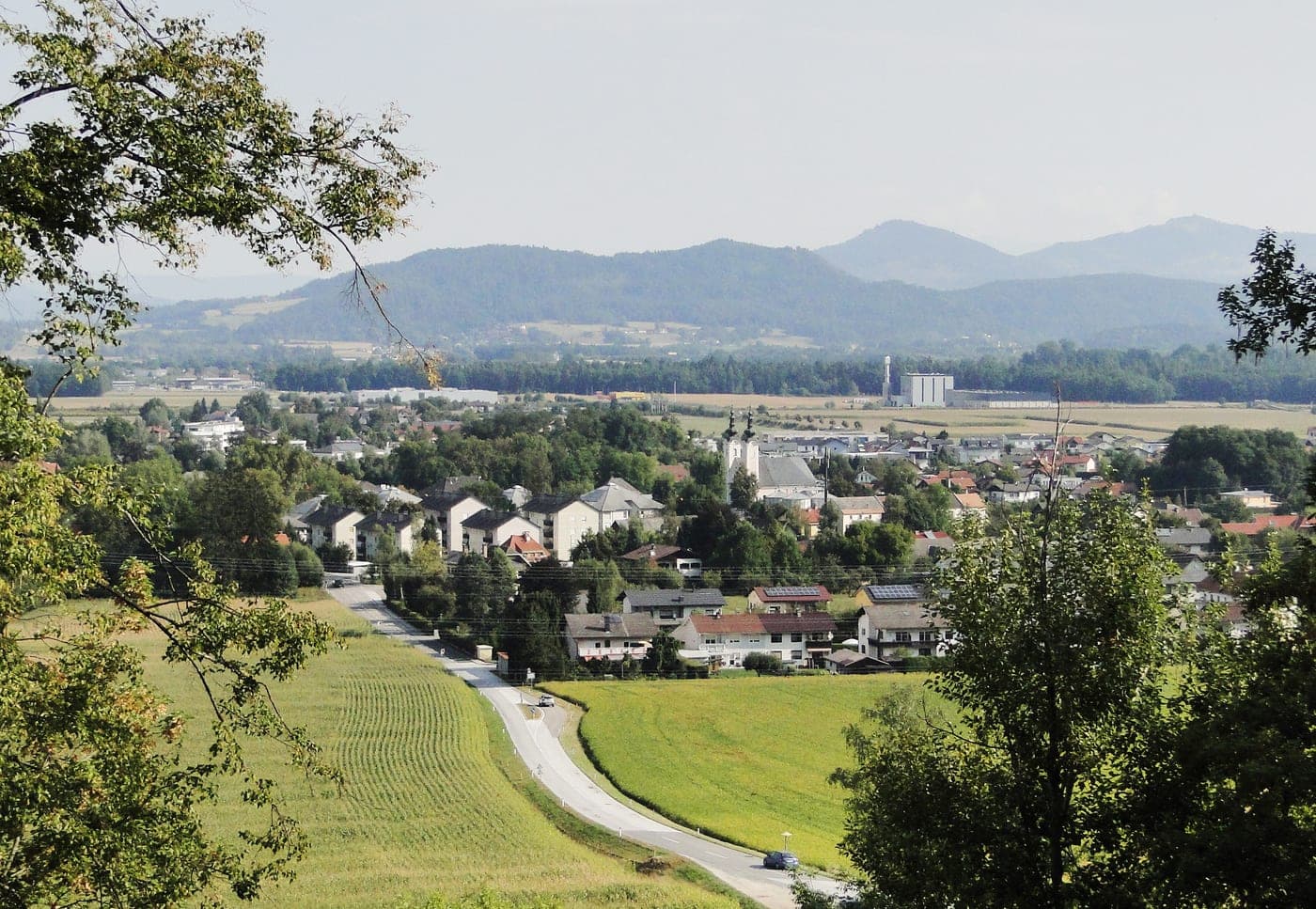
Les châteaux de l'époque des Habsbourg se reflètent dans les eaux alpines du Wörthersee autour des promenades lacustres de Pörtschach.

Nestled in the Alps, this region is renowned for its baroque architecture and stunning landscapes. Salzburg is the birthplace of Mozart and boasts a rich musical heritage. The region is characterized by picturesque lakes, including the beautiful Wolfgangsee, and the majestic peaks of the surrounding mountains. Hidden gems like the charming village of St. Gilgen and the historical town of Hallein invite exploration. Salzburg's unique salt mines, dating back to prehistoric times, reveal its historical significance in trade. The region hosts various local festivals, including the Salzburg Festival, celebrating music and theater, making it an intriguing locale for cultural exploration. Ideal for those seeking to connect with both nature and history, this area offers a wealth of experiences off the typical tourist path.

Carinthia, Austria's southernmost region, is renowned for its stunning lakes and mountains. The largest lake, Wörthersee, is famous for its turquoise waters and vibrant summer festivals. Klagenfurt, the capital, features the historic Lindwurm fountain and a beautiful old town. The region boasts rich Slavic heritage, reflected in its cultural events and cuisine, such as hearty stews and local cheeses. Nature enthusiasts will appreciate the Nockberge National Park, offering scenic hiking trails. Carinthia also has a unique blend of Italian and Austrian influences, evident in its architecture and gastronomy, making it a fascinating area for deep exploration.

Burgenland is Austria's easternmost region, known for its diverse landscapes and rich cultural heritage. It is home to the historic city of Eisenstadt, where the Haydn Museum showcases the music of composer Joseph Haydn. The region features the unique Neusiedler See, a UNESCO World Heritage site, famous for its wetlands and birdwatching opportunities. Burgenland is also renowned for its wine production, particularly the sweet wines from the vineyards surrounding the charming town of Rust. Explore lesser-known towns like Lutzmannsburg, known for its thermal baths, or the picturesque village of Mönchhof, celebrated for its local crafts and traditional festivals. Outdoor activities such as hiking and cycling trails along the lake enhance the immersive experience in this less-traveled area.

Lower Austria is the largest province in Austria, known for its diverse landscapes that include rolling vineyards, historic towns, and the Danube River. The region boasts notable sites like the picturesque Wachau Valley, famous for its apricot orchards and terraced vineyards. Krems and Dürnstein are charming towns that offer a glimpse into the region's medieval past, while the vibrant city of St. Pölten serves as the provincial capital. Lower Austria is also home to several castles, such as Schloss Grafenegg, and natural parks like the Thayatal National Park, which provide opportunities for hiking and exploring local flora and fauna. This area is rich in wine culture, particularly known for Grüner Veltliner and Riesling varieties, drawing wine enthusiasts to its many wineries. The blend of nature, history, and gastronomy makes the province a fascinating destination for those looking to explore Austria beyond the usual tourist routes.