01Stop · Start
Vinsmagning·Østrig
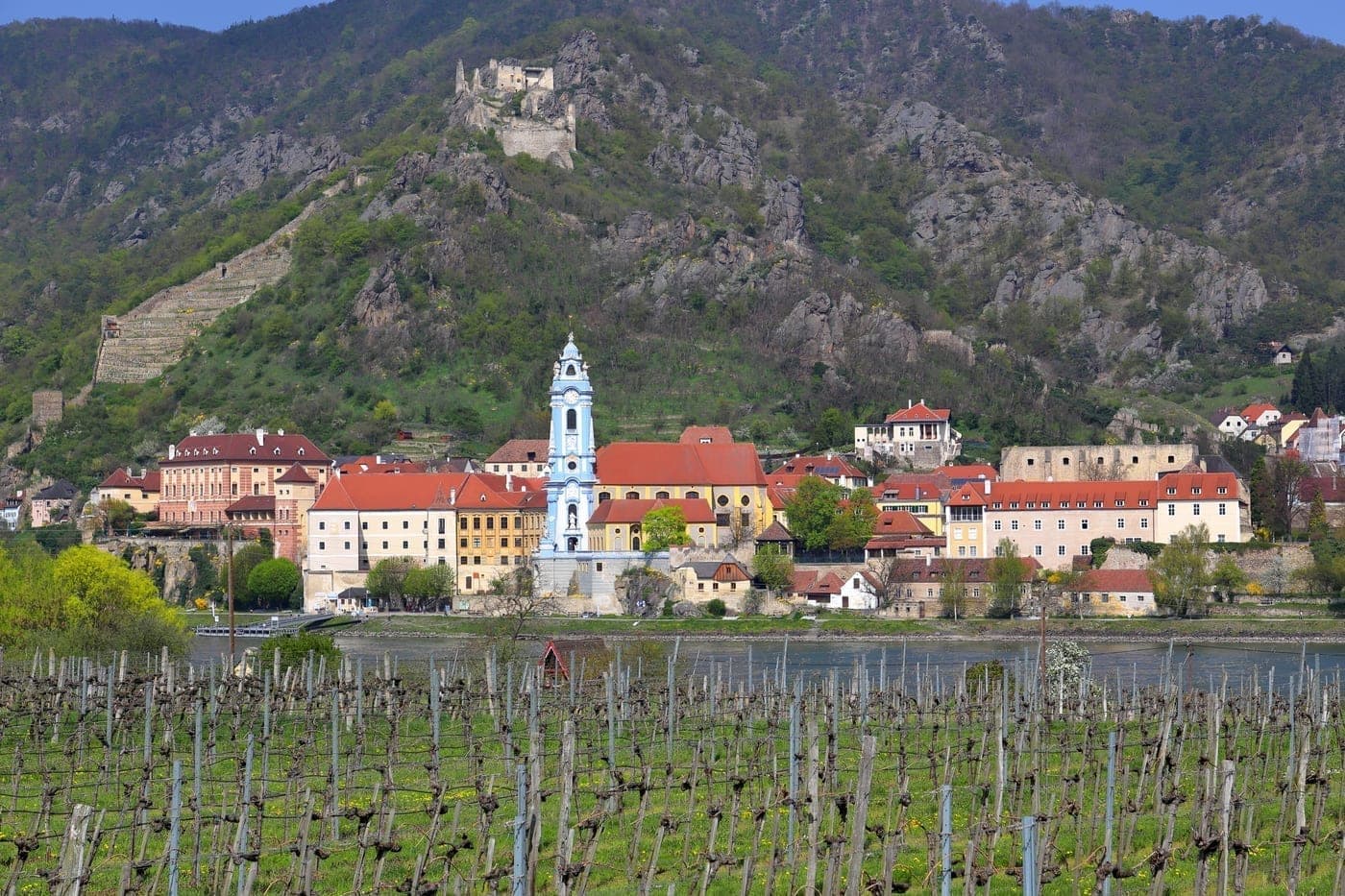
Dürnstein
Ikonisk by i Wachau med middelalderlige slotruiner og vine i verdensklasse.
⌬Ruiner af Richard Løvehjertes slot⌬Blåt barokt kirketårn⌬UNESCO verdensarvssted⌬Verdensklasse Wachau-vine
DürnsteinIkonisk by i Wachau med middelalderlige slotruiner og vine i verdensklasse.
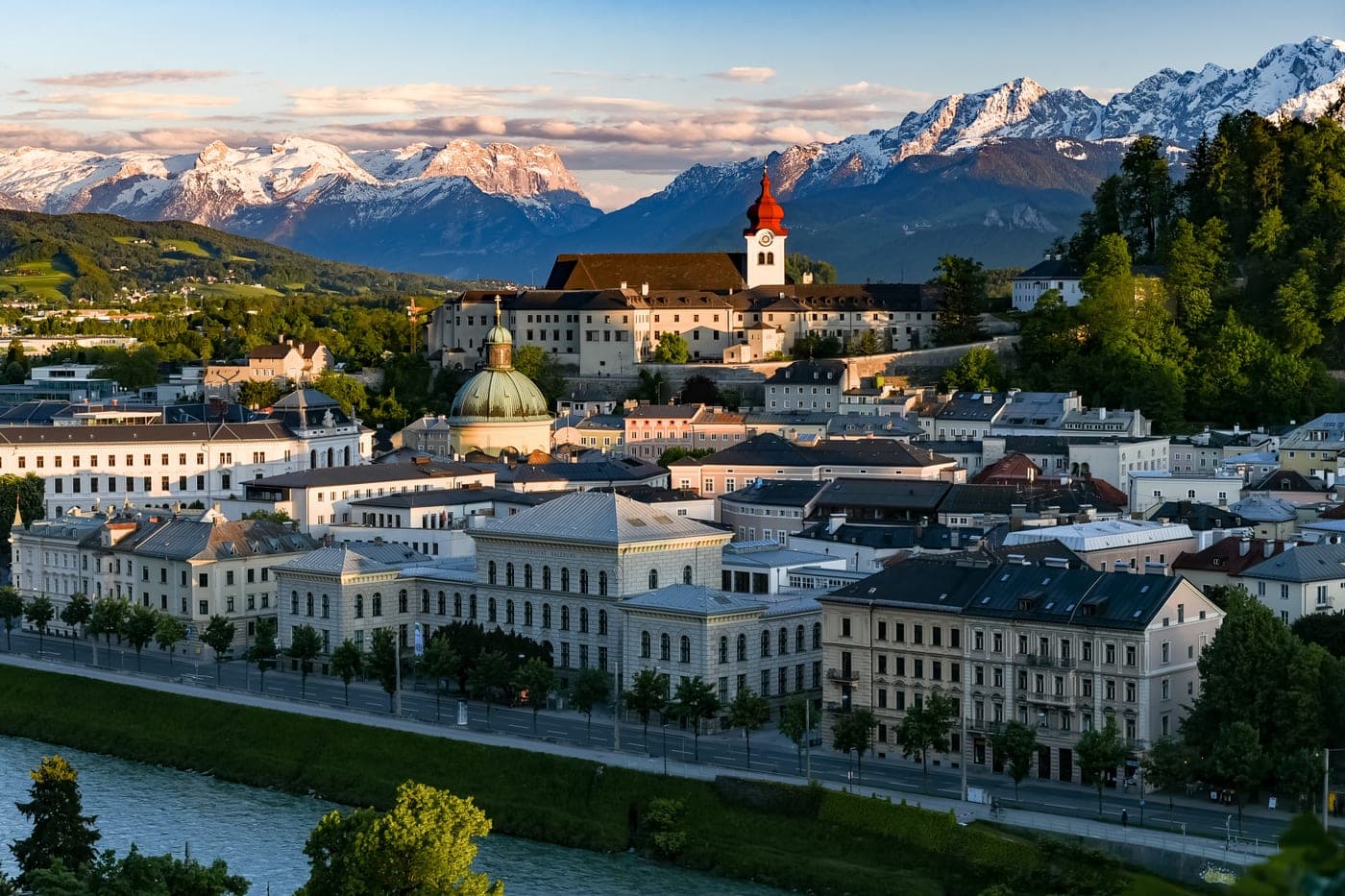
Mozarts fødeby, Østrigs barokke juvel.
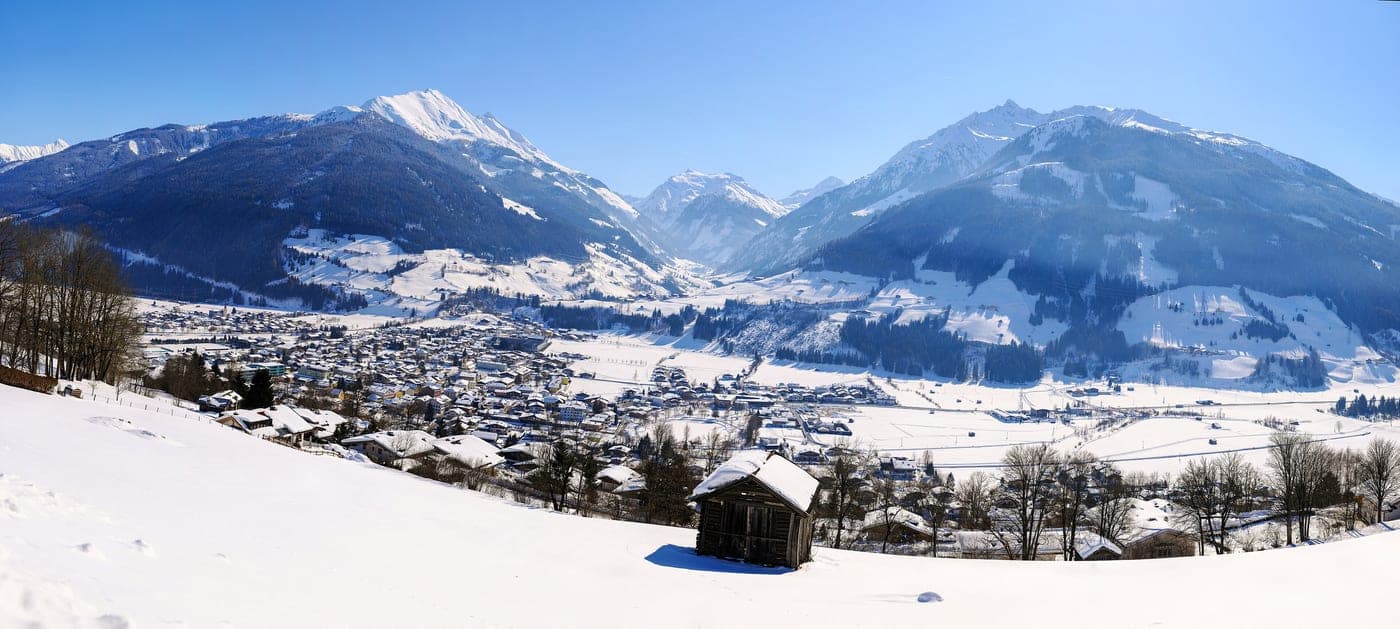
Lille alpeby i Pinzgau-regionen i Salzburg, hjem til et 900 år gammelt slot med udsigt over Salzach-dalen og indgangsport til Hohe Tauern Nationalpark.
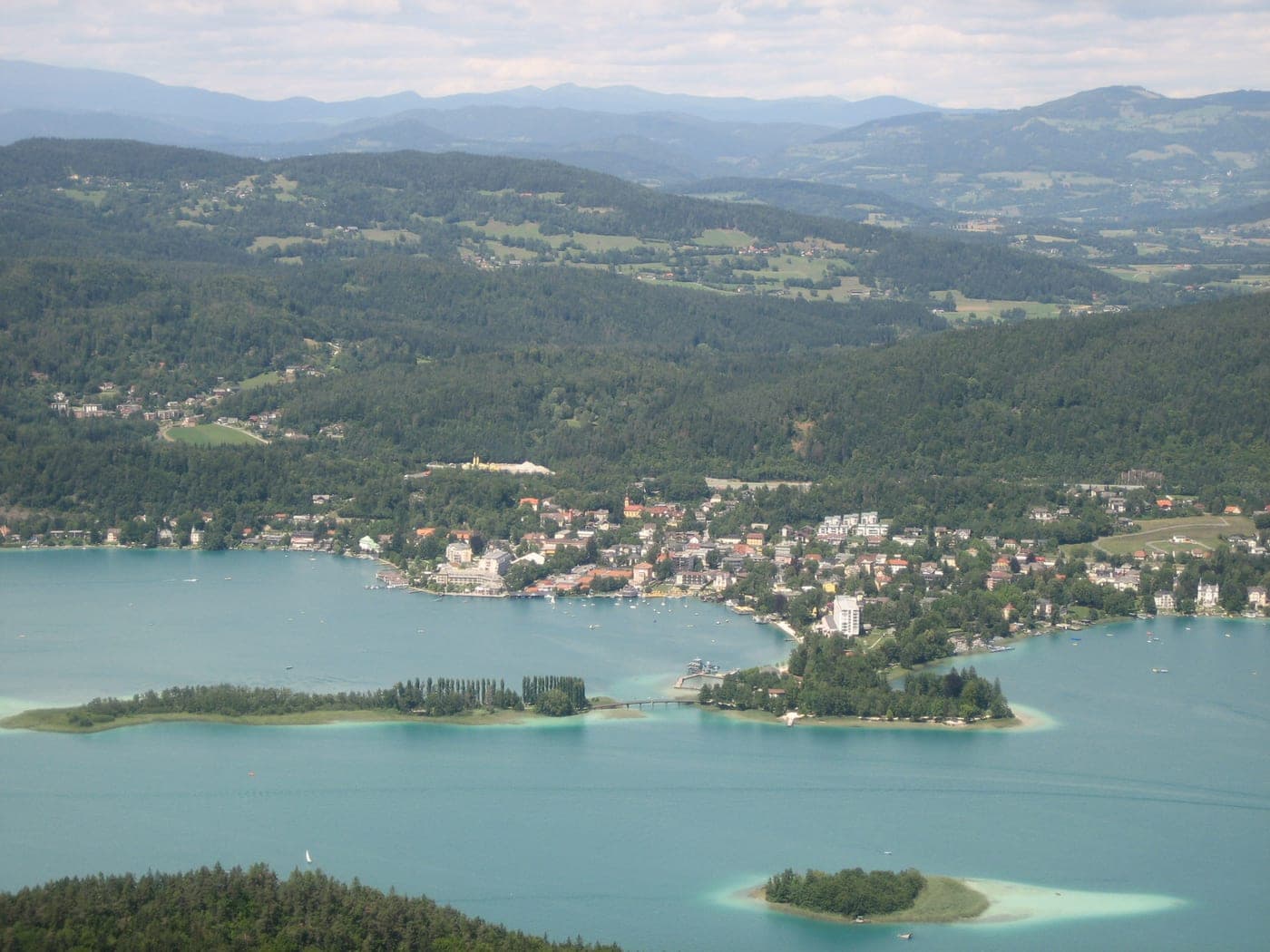
Badeby fra Belle Époque-perioden ved Wörthersee, hvor Brahms komponerede, omkranset af elegante villaer og med et historisk slots-hotel i centrum.
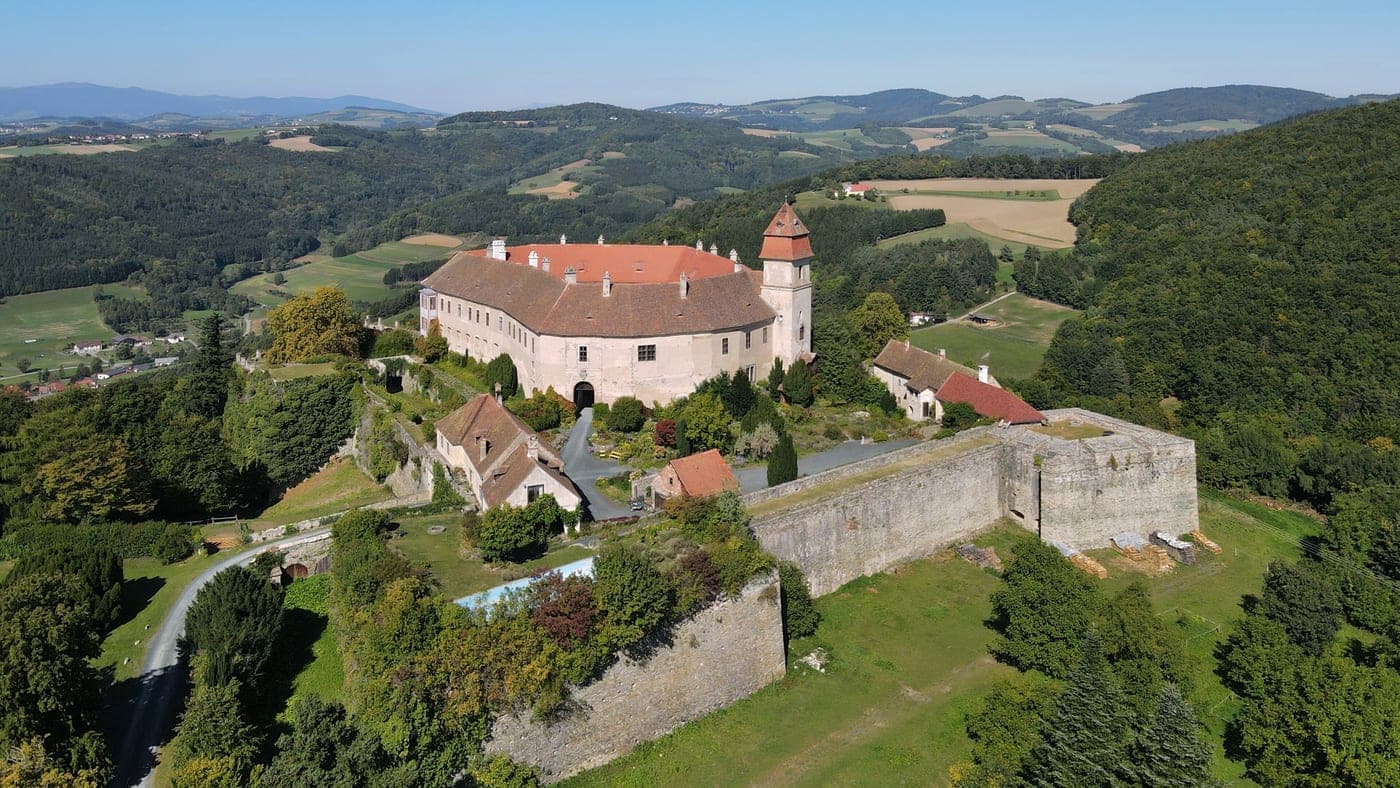
Bjerglandsby i det sydlige Burgenland, hvor man finder Østrigs højest beliggende borg og Europas eneste mine for den sjældne, grønne serpentinsten.
Richard Løvehjertes fængselstårn smulder på Donau-klipper over Dürnsteins barokke kloster og vingårde.
Hohensalzburg fæstning overskuer Salzburgs barokke gamle by hvor Mozarts fødehjem ligger på Getreidegasse.
Bjergvejen stiger gennem Hohe Tauern-pas til Schloss Mittersills renæssance-tårne.
Habsburg-æra slotte spejler sig i Wörthersees alpine vande omkring Pörtschachs søside-promenader.
Nestled in the Alps, this region is renowned for its baroque architecture and stunning landscapes. Salzburg is the birthplace of Mozart and boasts a rich musical heritage. The region is characterized by picturesque lakes, including the beautiful Wolfgangsee, and the majestic peaks of the surrounding mountains. Hidden gems like the charming village of St. Gilgen and the historical town of Hallein invite exploration. Salzburg's unique salt mines, dating back to prehistoric times, reveal its historical significance in trade. The region hosts various local festivals, including the Salzburg Festival, celebrating music and theater, making it an intriguing locale for cultural exploration. Ideal for those seeking to connect with both nature and history, this area offers a wealth of experiences off the typical tourist path.
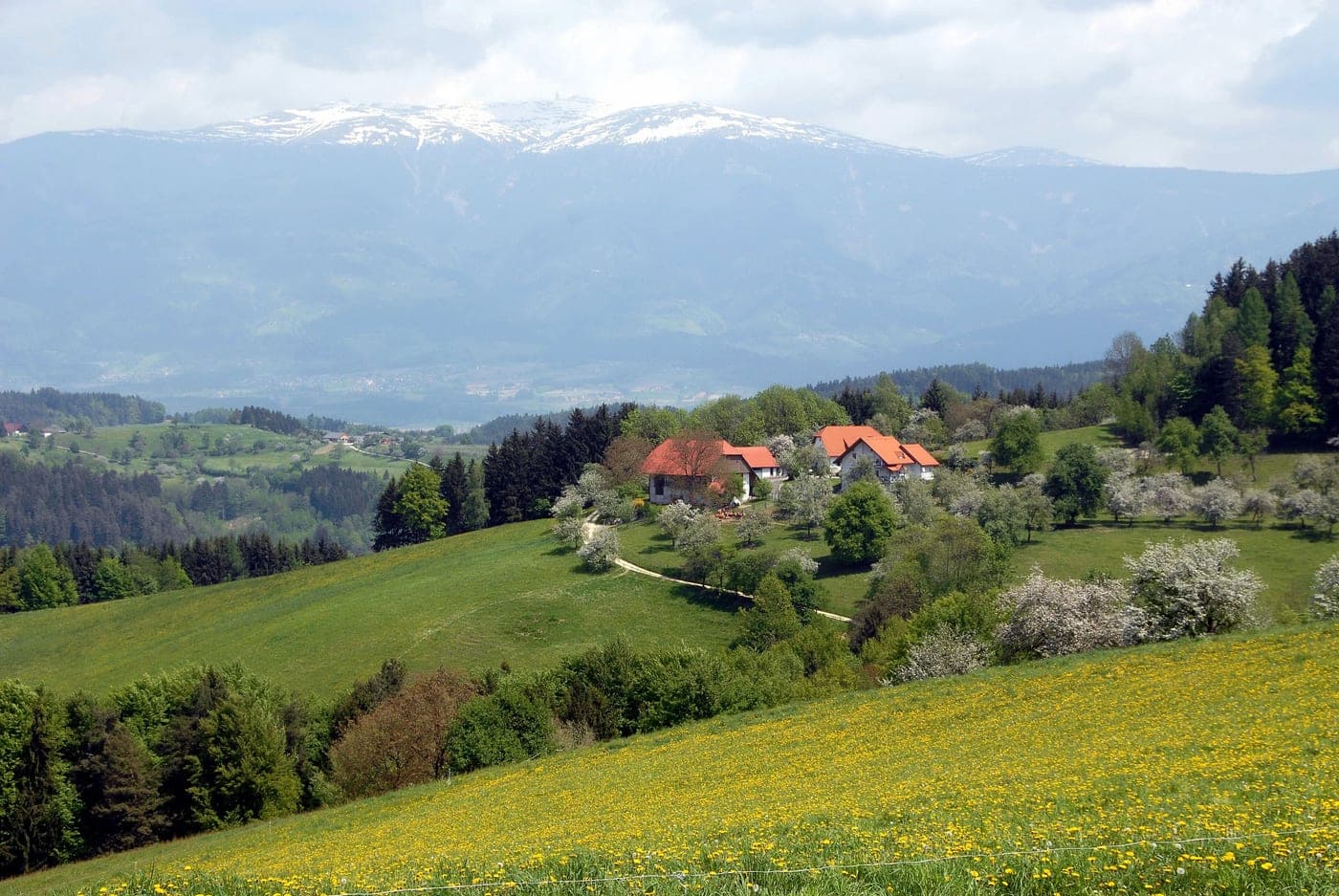
Carinthia, Austria's southernmost region, is renowned for its stunning lakes and mountains. The largest lake, Wörthersee, is famous for its turquoise waters and vibrant summer festivals. Klagenfurt, the capital, features the historic Lindwurm fountain and a beautiful old town. The region boasts rich Slavic heritage, reflected in its cultural events and cuisine, such as hearty stews and local cheeses. Nature enthusiasts will appreciate the Nockberge National Park, offering scenic hiking trails. Carinthia also has a unique blend of Italian and Austrian influences, evident in its architecture and gastronomy, making it a fascinating area for deep exploration.
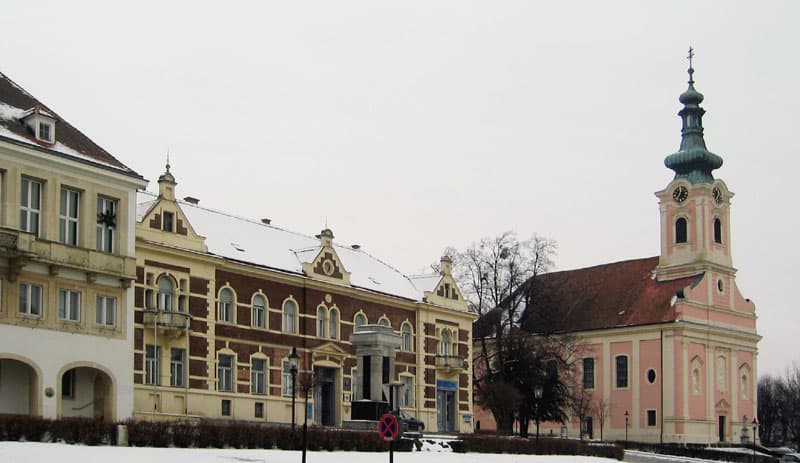
Burgenland is Austria's easternmost region, known for its diverse landscapes and rich cultural heritage. It is home to the historic city of Eisenstadt, where the Haydn Museum showcases the music of composer Joseph Haydn. The region features the unique Neusiedler See, a UNESCO World Heritage site, famous for its wetlands and birdwatching opportunities. Burgenland is also renowned for its wine production, particularly the sweet wines from the vineyards surrounding the charming town of Rust. Explore lesser-known towns like Lutzmannsburg, known for its thermal baths, or the picturesque village of Mönchhof, celebrated for its local crafts and traditional festivals. Outdoor activities such as hiking and cycling trails along the lake enhance the immersive experience in this less-traveled area.
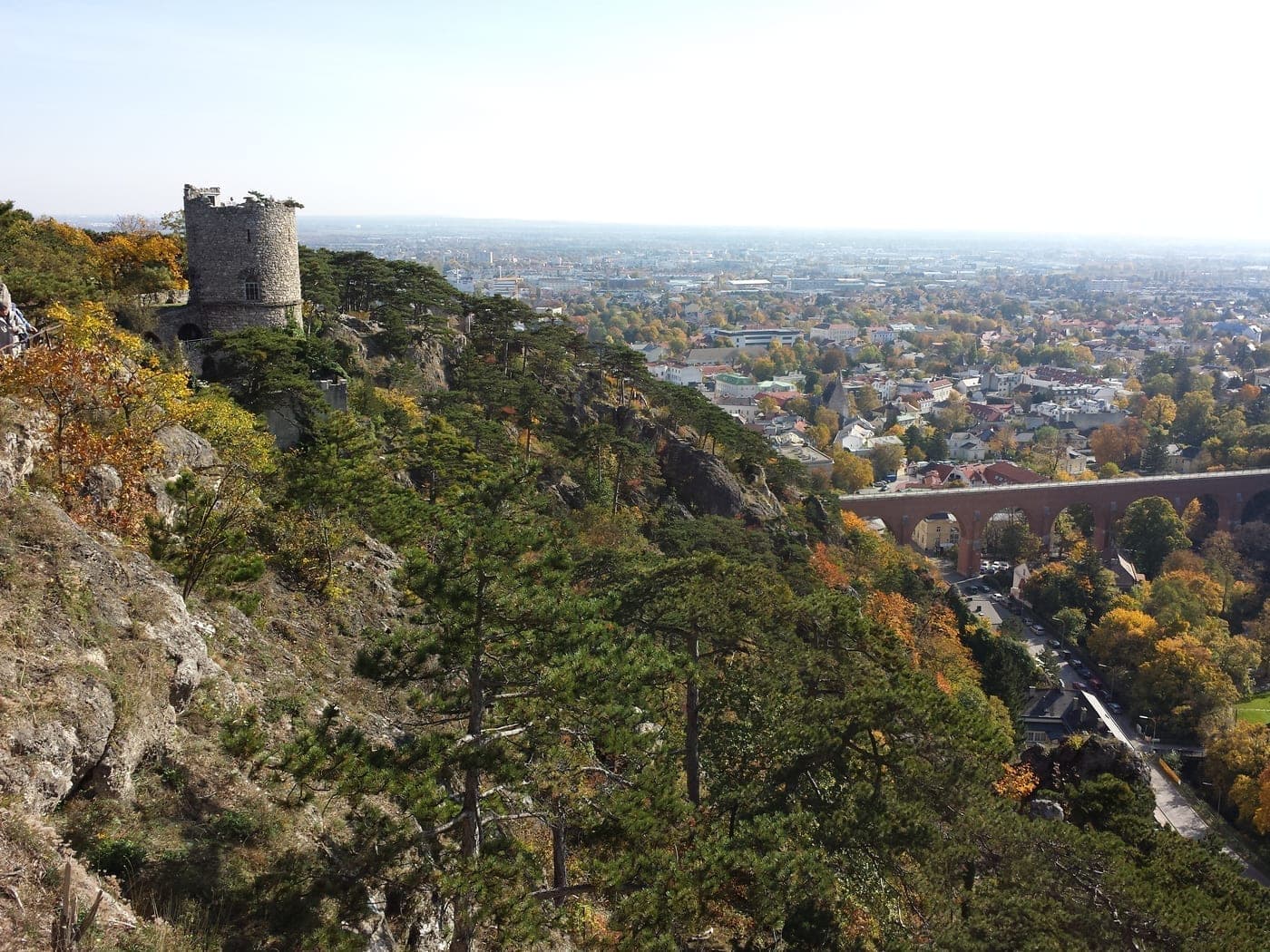
Lower Austria is the largest province in Austria, known for its diverse landscapes that include rolling vineyards, historic towns, and the Danube River. The region boasts notable sites like the picturesque Wachau Valley, famous for its apricot orchards and terraced vineyards. Krems and Dürnstein are charming towns that offer a glimpse into the region's medieval past, while the vibrant city of St. Pölten serves as the provincial capital. Lower Austria is also home to several castles, such as Schloss Grafenegg, and natural parks like the Thayatal National Park, which provide opportunities for hiking and exploring local flora and fauna. This area is rich in wine culture, particularly known for Grüner Veltliner and Riesling varieties, drawing wine enthusiasts to its many wineries. The blend of nature, history, and gastronomy makes the province a fascinating destination for those looking to explore Austria beyond the usual tourist routes.
Få tips om slow travel direkte i din indbakke
En kort besked, når noget rejsen værd dukker op. Svar STOP når som helst.
Ved at tilmelde dig accepterer du, at vi kontakter dig via WhatsApp. PrivatlivspolitikLejlighedsvise breve i din indbakke — med anbefalinger, kort og ruter.
Ved at tilmelde dig nyhedsbrevet accepterer du vores privatlivspolitik.