Lēnā ceļojuma maršruts·🇩🇪 Vācija

Reinas un Mozeles pils maršruts – 11 dienu itinerārs

Pils un kajītes trase ar automašīnu

Ilgums11 dienas
Pieturvietas5 pieturvietas
Labākais laiksRudens — Rīslinga raža Reinas un Mozeles malās, zelta meži Eifelē
KategorijasPilis · Būdiņas
Pievienot izlasei
Rüdesheim am RheinRüdesheim am Rhein
Maršruta plāns

Pieturvietas apraksts.

5 pieturvietas05
01Pieturvieta · Sākums
Rüdesheim am Rhein
Pilis·Vācija

Rüdesheim am Rhein

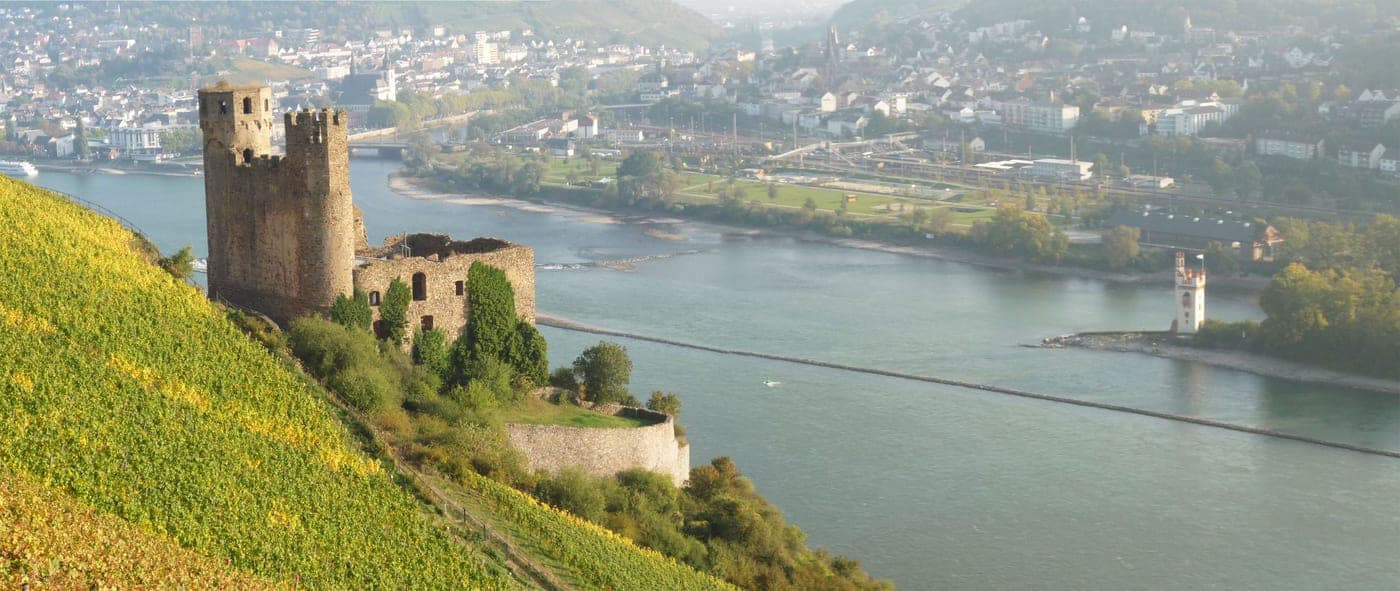
Slavenā Reinas vīna pilsēta UNESCO iekļautās Reinas Tūres vārtiem, kurā atrodas Vācijas lielākais vīna muzejs 1000 gadus vecajā Brömserburg pilī.

⌬Rheingau Riesling⌬Brömserburg pils⌬Niederwald piemineklis⌬Hiking
02Pieturvieta · Viduspunkts
Oberwesel
Pilis·Vācija

Oberwesel

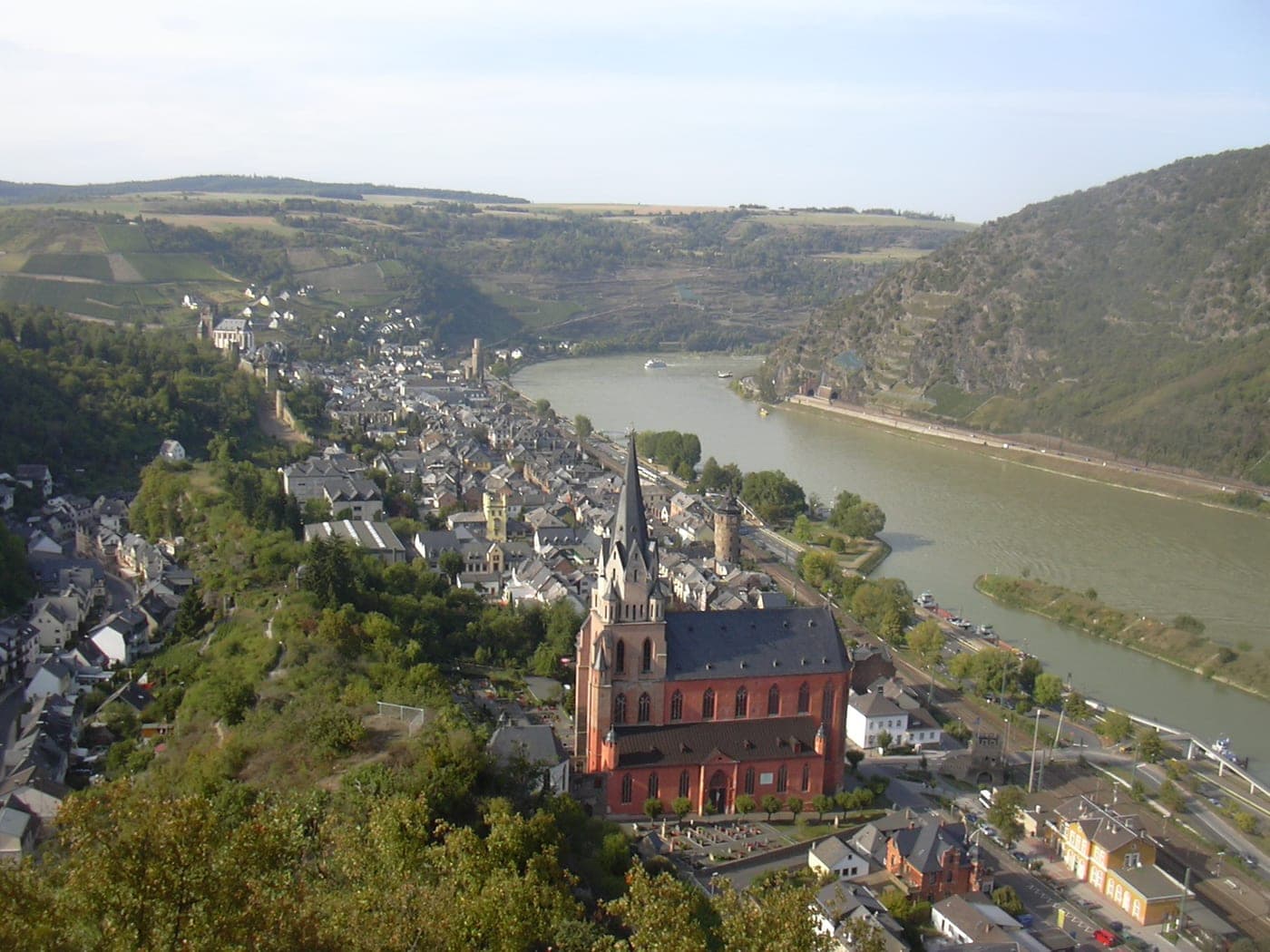
Izcili saglabāta viduslaiku Reinas pilsēta Obervezelā ar 16 neskartiem torņiem, seno pilsētas sienu apli un Šēnburgas pili dramatiskā augstumā virs UNESCO sarakstā iekļautā kanona.

⌬Viduslaiku pilsētas mūri⌬Šēnburgas pils⌬Reinas vīns⌬Hiking
03Pieturvieta · Viduspunkts
Lieser
Pilis·Vācija

Lieser

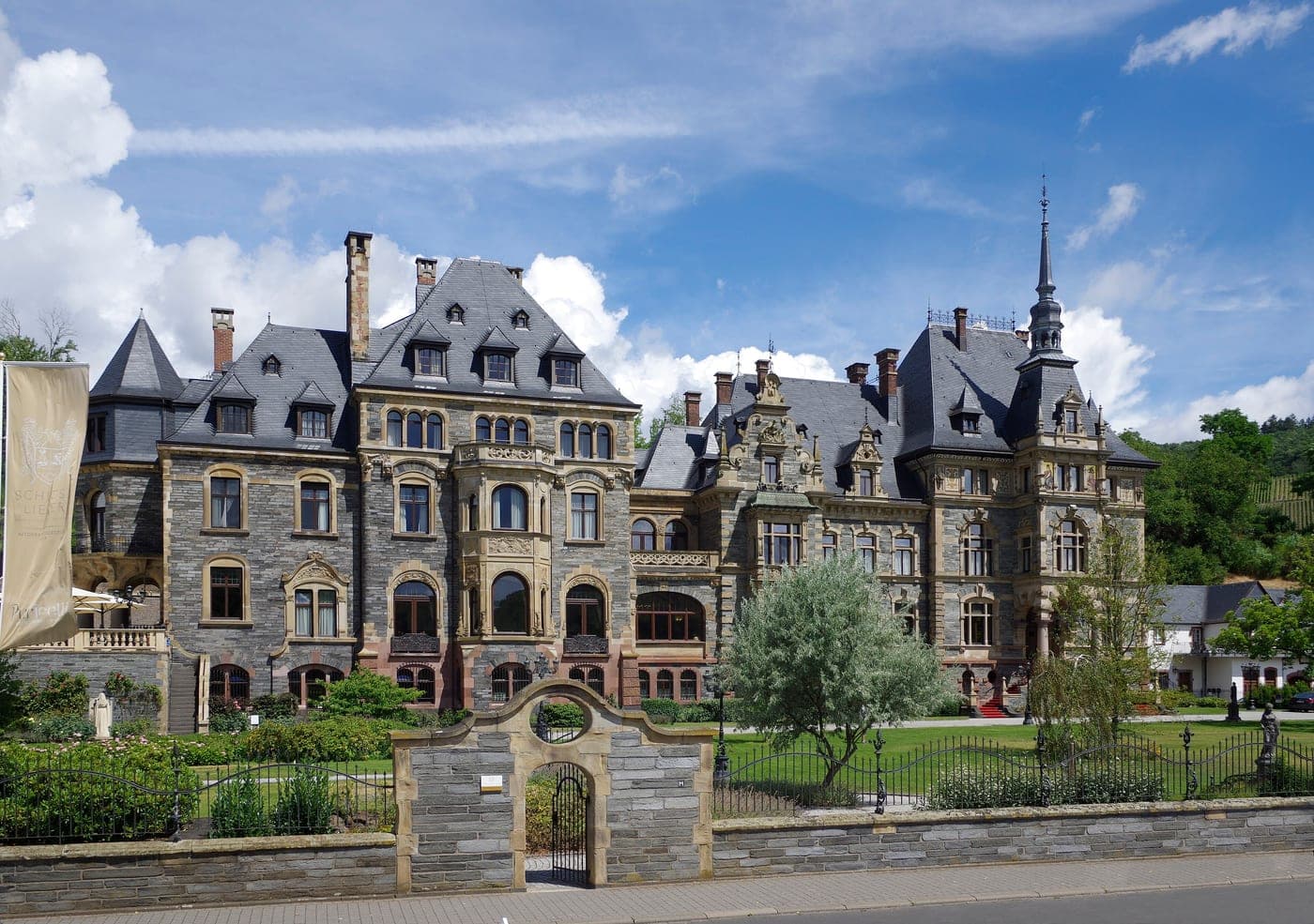
Maza vīna ciemata Mozeles upes ielejā starp Bernkastelu-Kuesi un Trabenu-Trarbachu, uzbūvēta ap iespaidīgu 19. gadsimta pili, kas šobrīd darbojas kā viena no Vācijas labākajām pilsētu viesnīcām.

⌬Schloss Lieser viesnīca⌬Mozeles Rīslinga vīns⌬Mozeles ielejas⌬Hiking
04Pieturvieta · Viduspunkts
Daun
Būdiņas·Vācija

Daun

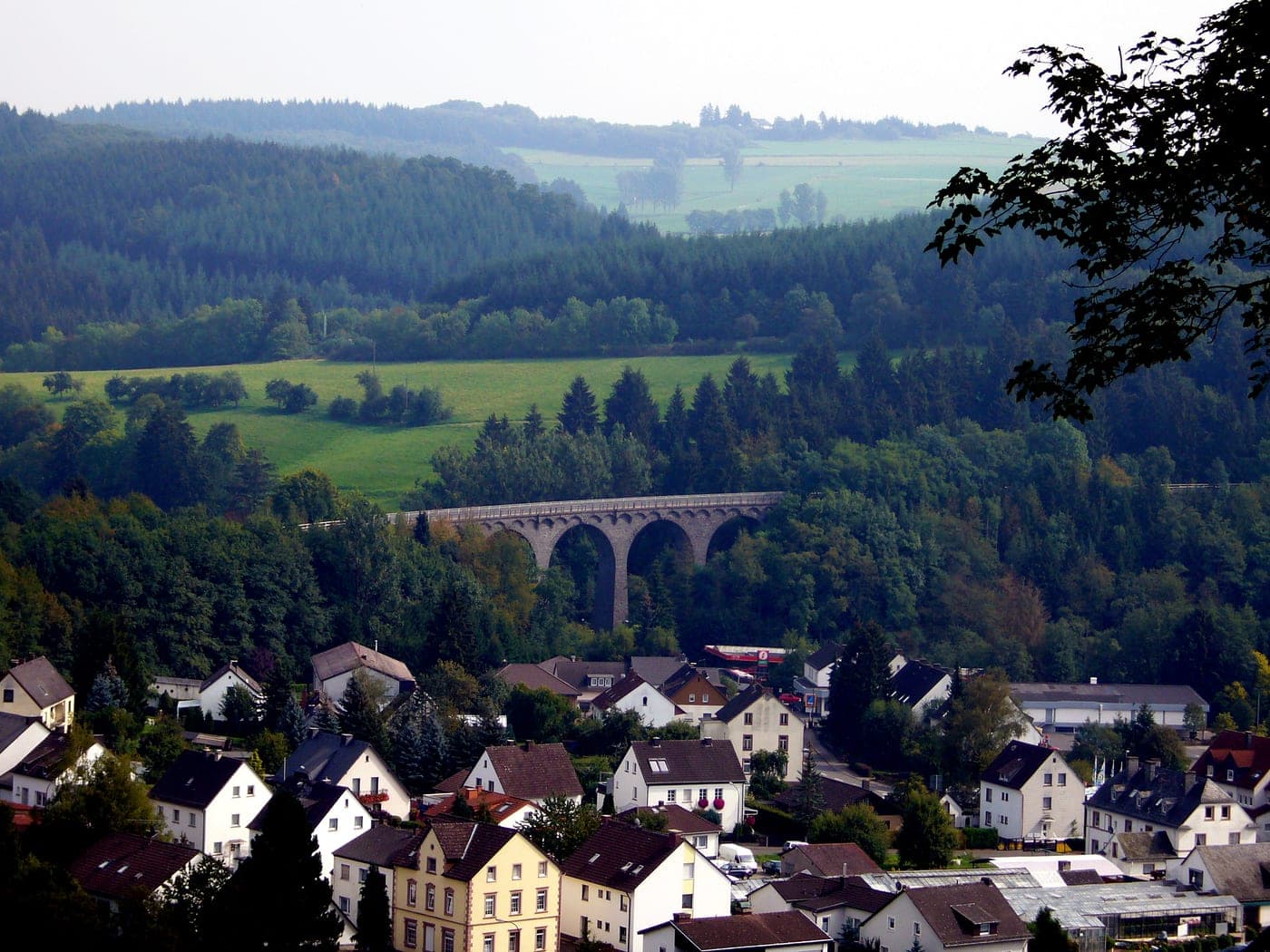
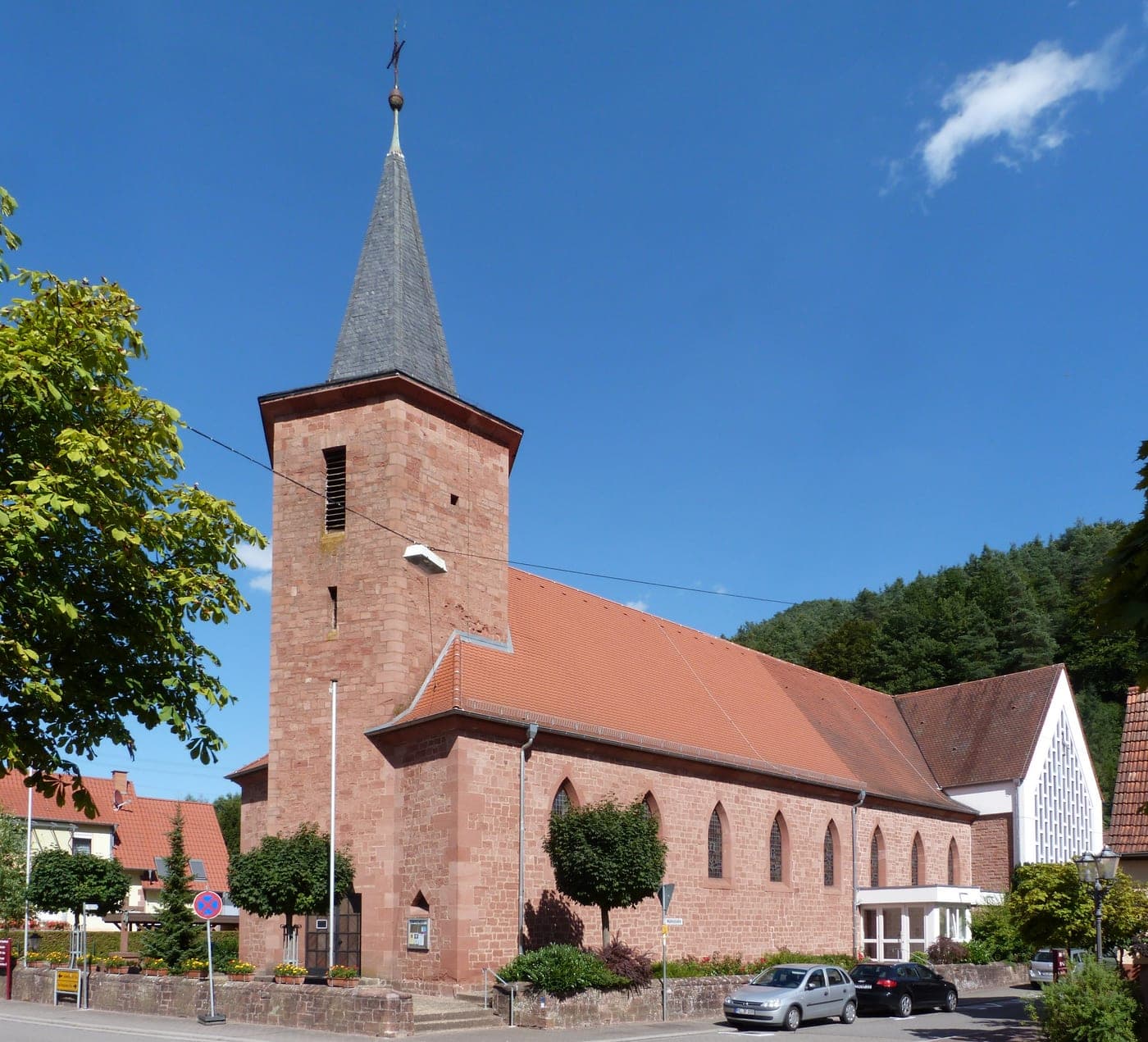
Vulkāniskā Eifeles centrs, ko ieskauj māra krateru ezerti un pārgājieni.

⌬vulkāniski krātera ezeri⌬Dabas rezervāti⌬Pārgājienu takas⌬Būdiņu noma
05Pieturvieta · Beigas
Schleiden
Būdiņas·Vācija

Schleiden

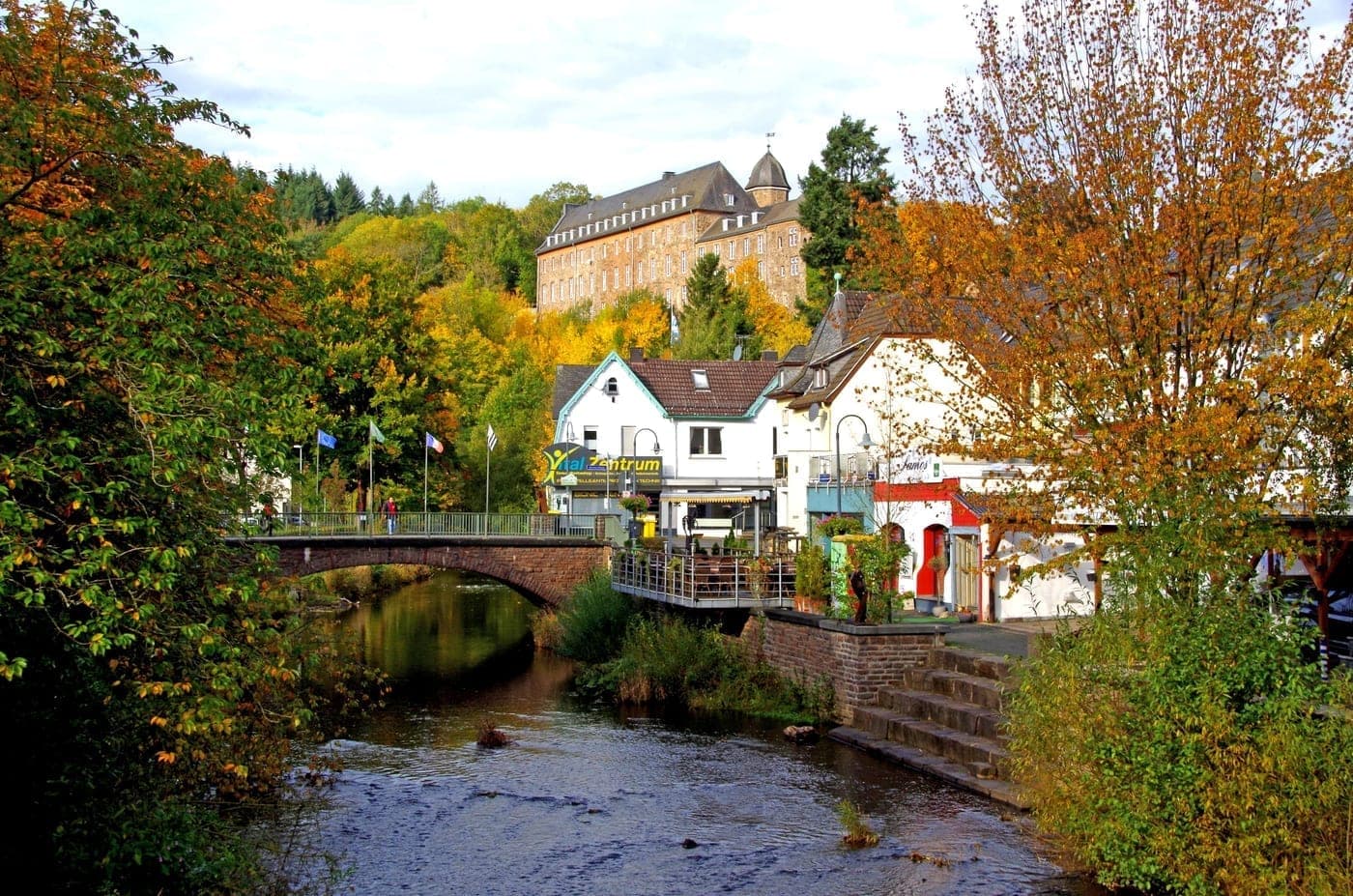
Pievilcīga pilsēta Eifeles reģionā, pazīstama ar vēsturiskām pusdrebīgām ēkām. Schleiden iepazīstina ar viduslaiku šarmu un vietējo kultūru lēnas ceļošanas gaitas.

⌬Eifeles nacionālais parks⌬Būdiņu noma⌬Pārgājienu takas⌬Dabas skaistums
Maršruta forma

Maršruta karte.

5 pieturvietas · 4 posmi
Kāpēc šis maršruts

Šīs maršruta highlights.

01

Reingau vīna muzejs 1000 gadu vecajā Brēmserburgas pilī

Rheingau vīna muzejs atrodas kamerās Rüdesheim 1000 gadus vecajā Brömserburg pilī. Reinas skati ieskauj viduslaiku akmens sienas.

02

Pilns mūru riņķis un Burghotel Schönburg Oberveselā

Oberwesel pilnīgais viduslaiku pilsētas sienu loks aptver sešpadsmit torņus virs Reinas. Burghotel Schönburg paceļas virs UNESCO aizas.

03

Šlosa Lizere un Mozelšteiga vīna taka

Schloss Lieser atrodas pie Mozeles vīnogulājiem, kur Moselsteig taka vijās starp Riesling terasēm. Pils istabas vērstas uz upi.

04

Vulkāniski māru ezeri un Eifeles velomaršruti ap Daunu

Vulkāniskie maar ezeri piepilda senus krāterus ap Daun Eifel reģionā. Velosipēdu maršruti savieno apaļos zilos ūdeņus.

Rezervējiet savu pieredzi

Kas tiešām ir pieejams jums.

5 pieturas
Breuer's Rüdesheimer Schloss
Pilis
Hiking trails
Pārgājieni
02.OberweselVācija
Burghotel Auf Schönburg
Pilis
Hiking trails
Pārgājieni
03.LieserVācija
Schloss Lieser, Autograph Collection
Pilis
Hiking trails
Pārgājieni
04.DaunVācija
Dauny House
Būdiņas
PanoramaSicht
Būdiņas
Schloßhotel Kurfürstliches Amtshaus Dauner Burg
Pilis
Hiking trails
Pārgājieni
05.SchleidenVācija
NEUGRAD
Būdiņas
Neugrad STYLE
Būdiņas
Chalets am National Park Eifel
Būdiņas
Ferienhaus am Mühlenberg
Būdiņas
Ferienhaus Waldbaden im Nationalpark Eifel- am Bach
Būdiņas
Hiking trails
Pārgājieni
Soli atpakaļ

Reģioni šajā maršrutā.

3 reģioni
Rhineland-Palatinate
Germany10 galamērķi

Rhineland-Palatinate

Rhineland-Palatinate is Germany's largest wine-producing region, renowned for its diverse vineyards and picturesque landscapes along the Rhine and Moselle rivers. The region features historic cities like Mainz, famous for its Gutenberg Museum, and Trier, home to well-preserved Roman ruins, including the Porta Nigra. Koblenz marks the confluence of the Rhine and Moselle and is known for its Ehrenbreitstein Fortress. The region is also celebrated for its rich culinary traditions, including hearty dishes and fine Riesling wines. Unique villages such as Cochem and Rüdesheim invite exploration of local culture and festivals, offering a glimpse into traditional German life amidst stunning natural beauty.

BūdiņasPārgājieniPilisKemperu noma
Hesse
Germany5 galamērķi

Hesse

Hesse sits at the middle of Germany, and its landscape shows that in-between position clearly: river valleys lined with vineyards, forested hills that rise into proper mountain trails, and old market towns that never grew into cities. The pace here is set by the land itself. Along the Rhine, in the district known as the Rheingau, steep slopes have carried vines for centuries. Riesling is the grape that defines the area, grown on terraces above towns such as Rüdesheim, Eltville, and Geisenheim, where the river bends and the hills catch the afternoon sun. Marked cycling paths follow the water through the vine rows, past wine presses and small cellar doors that open onto the lane in season. Wiesbaden, the state capital, grew up around its hot springs. The Romans built baths here, and the town's spa culture never really stopped afterward — the same warm mineral water still rises through the ground and feeds the fountains and bathhouses that give the old streets their elegant, slightly formal air. Wide boulevards, stucco façades, and a domed casino all belong to that same spa-town character. Darmstadt, not far south, took a different path. At the start of the twentieth century, a group of artists and architects built the Mathildenhöhe colony there, a hillside cluster of houses, studios, and a wedding tower designed as a single artistic statement. The result is unlike anything else nearby: Jugendstil curves, mosaic tiles, and gardens laid out to match the buildings around them. To the north, the Taunus range folds into wooded ridges and open summits, with the Feldberg as its high point. Paths climb through beech forest and break out onto grassy tops with views back down toward the Rhine and Main valleys. At the foot of the range, Bad Homburg keeps its own spa tradition, with a park landscaped around mineral springs and a Kurhaus at its centre. Marburg lies along the Lahn river, its old town built up a steep hillside beneath a castle that has watched over the crossing for centuries. Narrow lanes climb between half-timbered houses toward the Elisabethkirche, one of the earliest Gothic churches built in Germany, and the university that has shaped the town since the sixteenth century sits woven right through the streets rather than set apart from them. Hesse also carries a strong thread of fairy tale history. The Brothers Grimm worked in Kassel for much of their lives, gathering and editing the folk tales that later spread around the world, and the town where they grew up, Steinau an der Straße, still keeps their family home. Kassel itself holds the Bergpark Wilhelmshöhe, a hillside park built around water cascades and crowned by a huge statue of Hercules, with fountains set running on fixed days through the warmer months. Further east, Bad Hersfeld grew around a Benedictine abbey whose church was left roofless after a fire centuries ago. The ruined nave now hosts an open-air theatre festival each summer, with the half-timbered old town filling up around performance nights. Fulda, close by, keeps its baroque cathedral quarter and a web of quiet lanes built for walking rather than traffic. Wine, water, and woodland repeat across Hesse in different combinations. The Rhine and Lahn valleys both carry cycling routes built along old towpaths, with easy gradients that pass through vineyard villages and under castle ruins. Autumn brings the grape harvest to the Rheingau, with presses running and new wine, still cloudy and sweet, sold by the glass in village squares. Spring and early summer suit the Taunus trails, when the beech woods are freshly green and the ridge paths stay cool. Spa towns like Wiesbaden and Bad Homburg keep their bathhouses open through the year, giving the region a rhythm that does not depend on any single season. What holds Hesse together is this mix of built and grown landscape: castle hills standing over vine terraces, spa parks laid out beside forest ridges, and small towns where the half-timbered centre and the surrounding countryside read as one continuous place rather than a destination and its outskirts.

PilisKemperu nomaPārgājieni
North Rhine-Westphalia
Germany15 galamērķi

North Rhine-Westphalia

Located in western Germany, this region is the largest in the country and is known for its diverse landscapes, from the scenic Rhine River valleys to the lush hills of the Sauerland. The area is rich in industrial heritage, with cities like Dortmund and Essen showcasing their transformation from heavy industry to cultural hubs. Düsseldorf offers a vibrant arts scene and innovative fashion, while Cologne is famous for its stunning cathedral. The region also boasts picturesque towns such as Monschau, known for its half-timbered houses, and Bad Honnef, a charming spa town. Unique local dishes and breweries enhance the cultural experience, along with numerous hiking trails that connect visitors to its natural beauty.

BūdiņasPārgājieniPilisLaivu noma

Palieciet iedvesmoti

Saņemiet lēnas ceļošanas padomus savā e-pastā

WhatsApp

Īsa ziņa, kad parādās kaut kas, kura dēļ vērts ceļot. Atbildi STOP, kad vēlies.

Pierakstoties piekrīti, ka sazināsimies ar tevi pa WhatsApp. Privātuma politika
vai

Pa e-pastu

Reizēm vēstules tavā pastkastē — ar ieteikumiem, kartēm un maršrutiem.

Piesakoties jaunumiem, jūs piekrītat mūsu privātuma politikai.