Italy12 paskirties vietos
Lombardy
Lombardy runs from Alpine peaks in the north down to the flat rice fields of the Po valley in the south, and this range sits behind almost everything the region does well for slow travel. Milan anchors it as a capital of fashion and finance, but the quieter pace that draws travellers who like to slow down lives outside the city, spread across lake villages, hill towns, and wine roads that ring it on every side. Lombardy rewards a traveller who picks one valley, one lake shore, or one wine road and stays with it rather than trying to cover the whole region at once.
Lake Como is one of Lombardy's most recognisable landscapes, its stone villages stacked against steep slopes and its old villas opening their gardens to the water. Bellagio, Varenna, and Menaggio each keep a small working harbour where boats still connect the shoreline settlements. Further east, the region also touches the western shore of Lake Garda, where towns like Sirmione sit on a narrow peninsula with Roman ruins at its tip, and Lake Iseo sits quieter still, ringed by Franciacorta's vineyards on one side and Monte Isola, the largest lake island in southern Europe, on the other. Between the lakes, the Brianza hills and the lower Alpine valleys hold smaller villages built around a single church square, a mill, or a market that still runs on its traditional day, largely untouched by the crowds that gather on the main lake shores in summer.
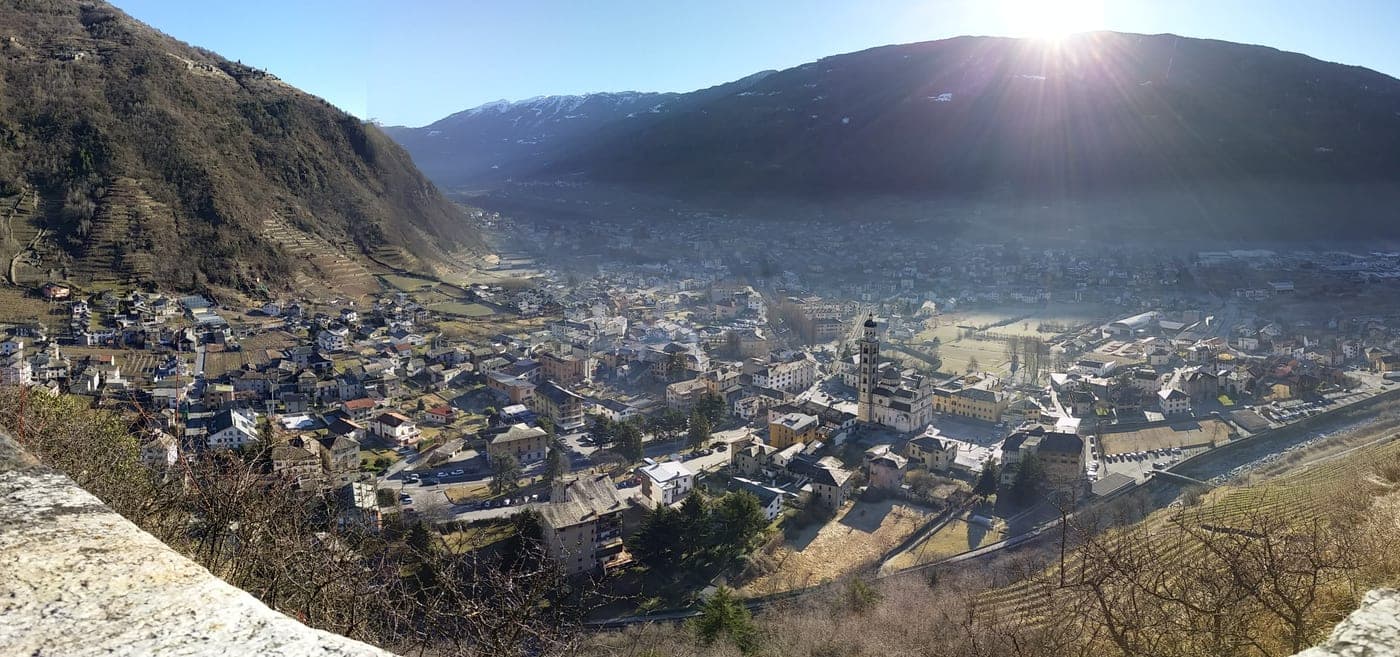
Wine gives the region another rhythm, and Lombardy's wine roads are built for slow exploring rather than a single tasting stop. Franciacorta, in the hills east of Brescia, produces Italy's best-known sparkling wine made in the traditional method, and its cellars sit among vineyards that climb gently toward Lake Iseo, many open for visits by appointment. Further south, the Oltrepò Pavese hills near Pavia grow both still and sparkling wines on slopes that agriturismo farms have worked for generations, offering rooms and meals built around what the land produces that season. In the far north, the Valtellina valley grows Nebbiolo on narrow terraces held up by dry stone walls, alongside the mountain cheeses and cured meats the valley is known for; the Strada del Vino e dei Sapori della Valtellina links the terraced vineyards to the villages and cellars below them.
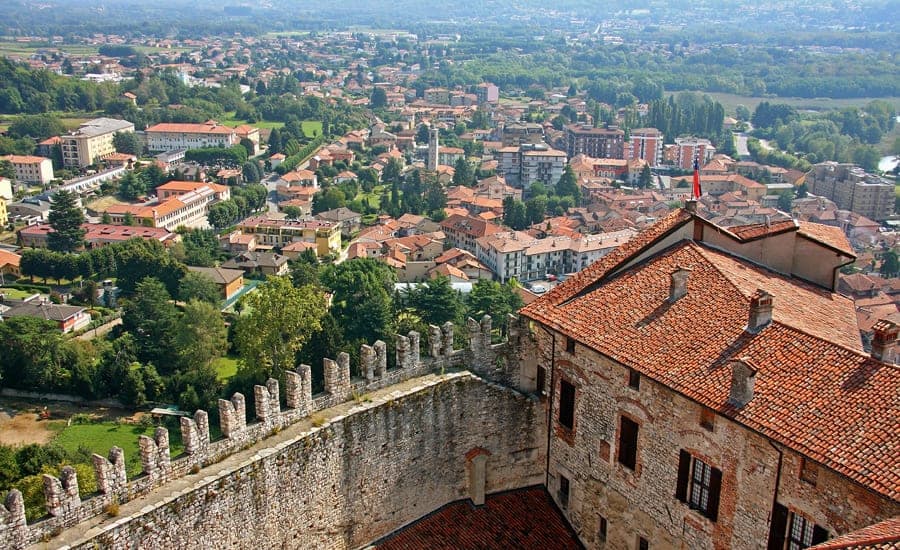
The hill towns carry this same unhurried character. Bergamo's upper town, the Città Alta, sits behind a ring of stone walls built by Venice when the city belonged to its inland territories; inside them, narrow lanes lead to a Renaissance chapel and a quiet main square that empties out once the day-trippers head back down. Mantua, ringed by three artificial lakes, kept its Gonzaga-era palaces and squares largely intact and shares a joint UNESCO listing with the smaller fortress town of Sabbioneta, built from scratch as an ideal Renaissance city. Cremona, on the Po plain, has built violins since the Amati and Stradivari workshops opened there, and the craft continues in small workshops around its cathedral square. Pavia, a university town south of Milan, holds a Carthusian monastery on its outskirts whose carved marble façade is one of the region's finest. Smaller villages such as Clusone in the Val Seriana or Gromo, with its old ironworking streets, keep the same rhythm on a smaller scale, each built around a single square, a mill stream, or a covered market.
Food ties all of this together, and it is where Lombardy's slow food traditions show clearest. The region cooks with butter and rice rather than the olive oil of the south: risotto alla milanese, coloured with saffron, is the signature dish, while polenta remains a staple in the mountain valleys, often served alongside stewed meat or local cheese. Grana Padano is made across much of the Po plain, and the mountain dairies of Valtellina produce their own aged cheeses, including Bitto and Casera. Markets in the smaller towns still run on a weekly schedule, selling produce grown within a short distance of the stall, and many agriturismo farms across Oltrepò Pavese and Franciacorta serve meals built entirely from what they grow or raise themselves.
Landscape and table hold Lombardy together: a lake village built around its harbour, a wine road that climbs from valley floor to ridge line, a hill town that keeps its own pace once the tour groups leave. The towns and wine roads below each hold a different piece of this pattern, from the Renaissance squares of Mantua to the terraced vineyards of the Valtellina, and together they map out a version of Lombardy built for slow travel rather than a checklist of sights.
Valčių nuomaPėsčiomis žygiaiVyno degustacijaKemperių nuoma