01Pysäkki · Alku
Panoraamajunat·Sveitsi
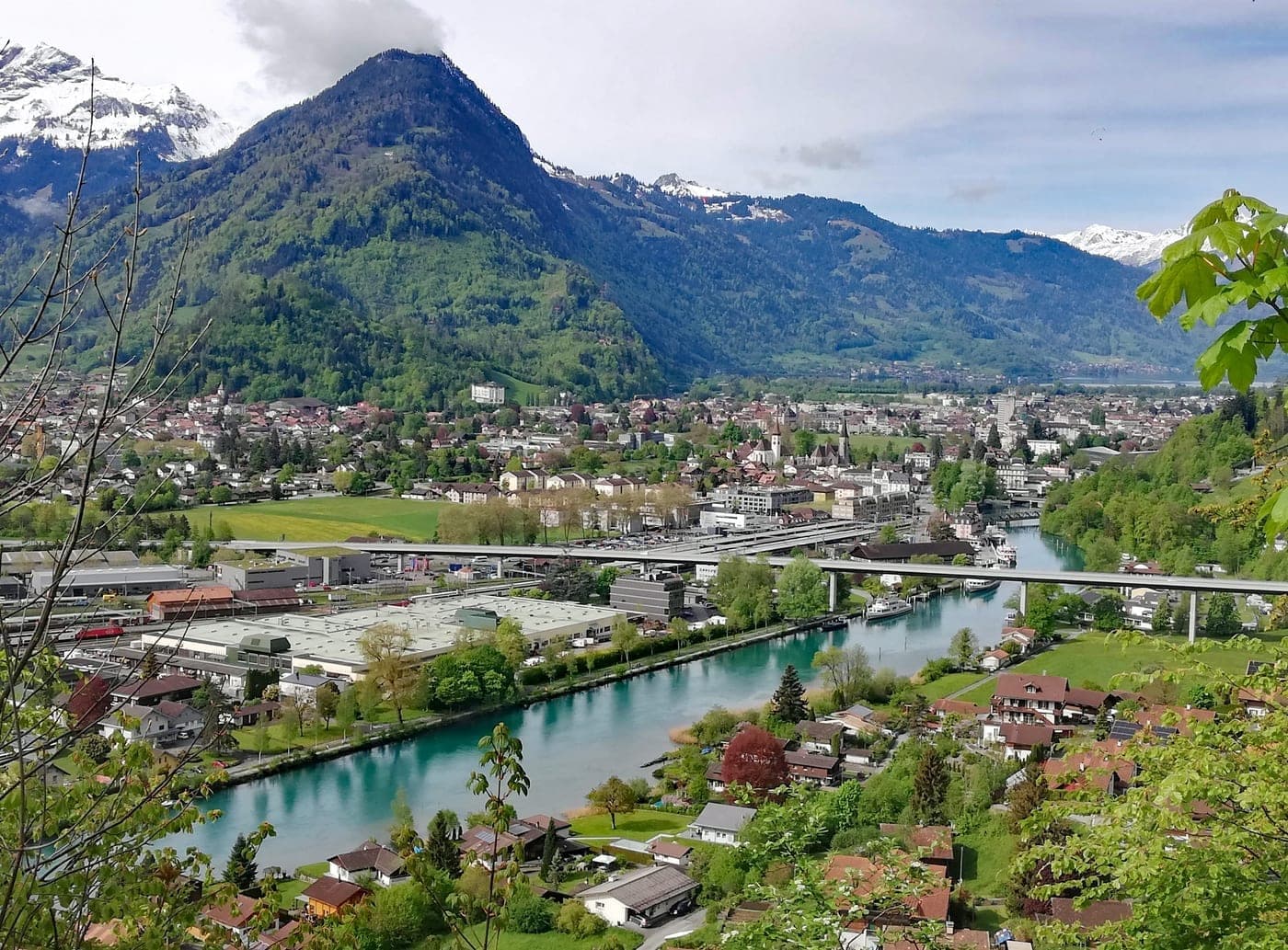
Interlaken
Alppien lomakeskus kahden järven välissä, josta on yhteys Jungfraun alueelle.
⌬Belle Epoque -kylpyläperintö⌬vuoristorata-alikäynti⌬Hiking
InterlakenAlppien lomakeskus kahden järven välissä, josta on yhteys Jungfraun alueelle.
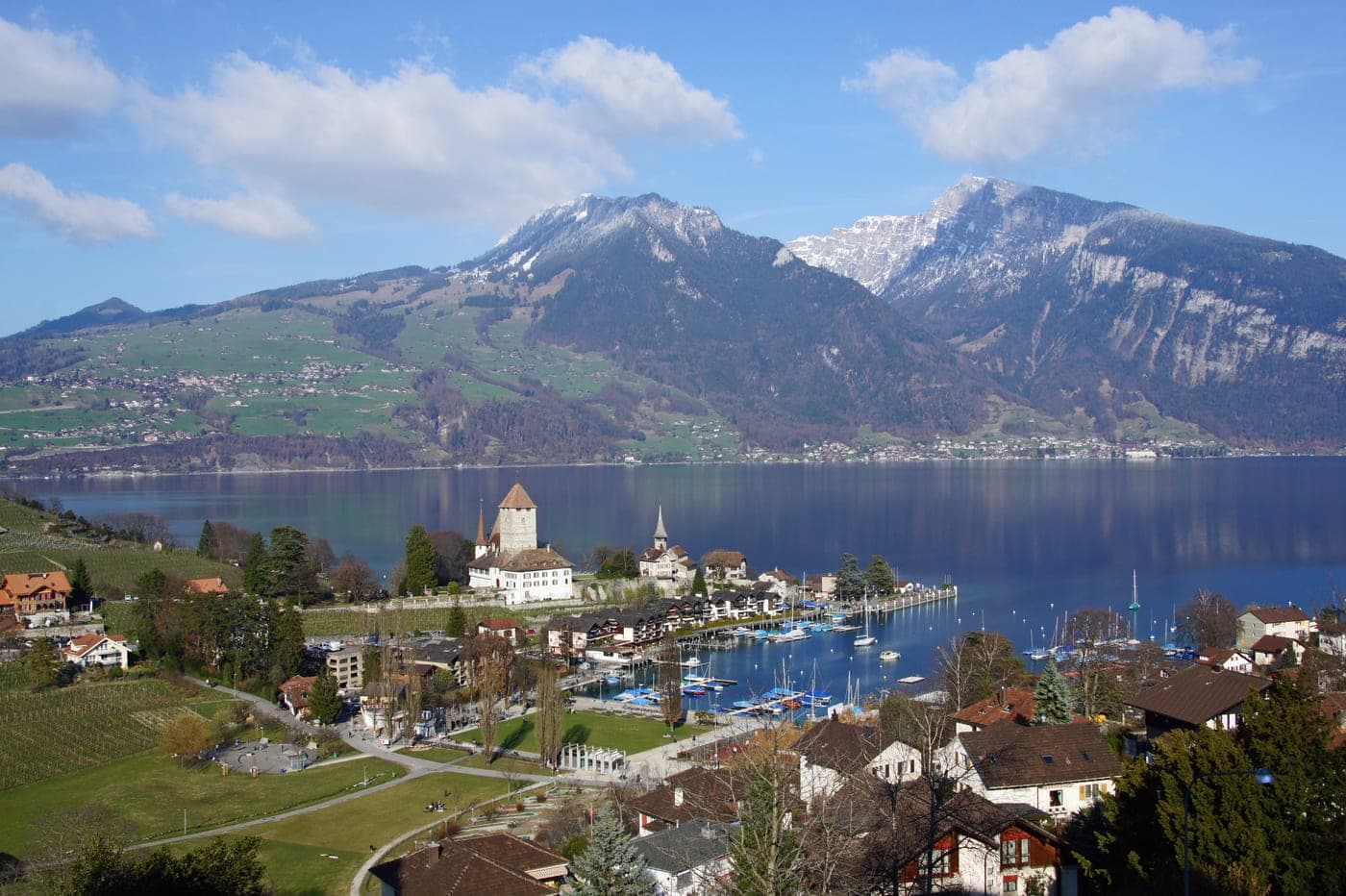
Maalauksellinen järvenrantakaupunki, jossa on viehättävä linna ja viinitarhoja.
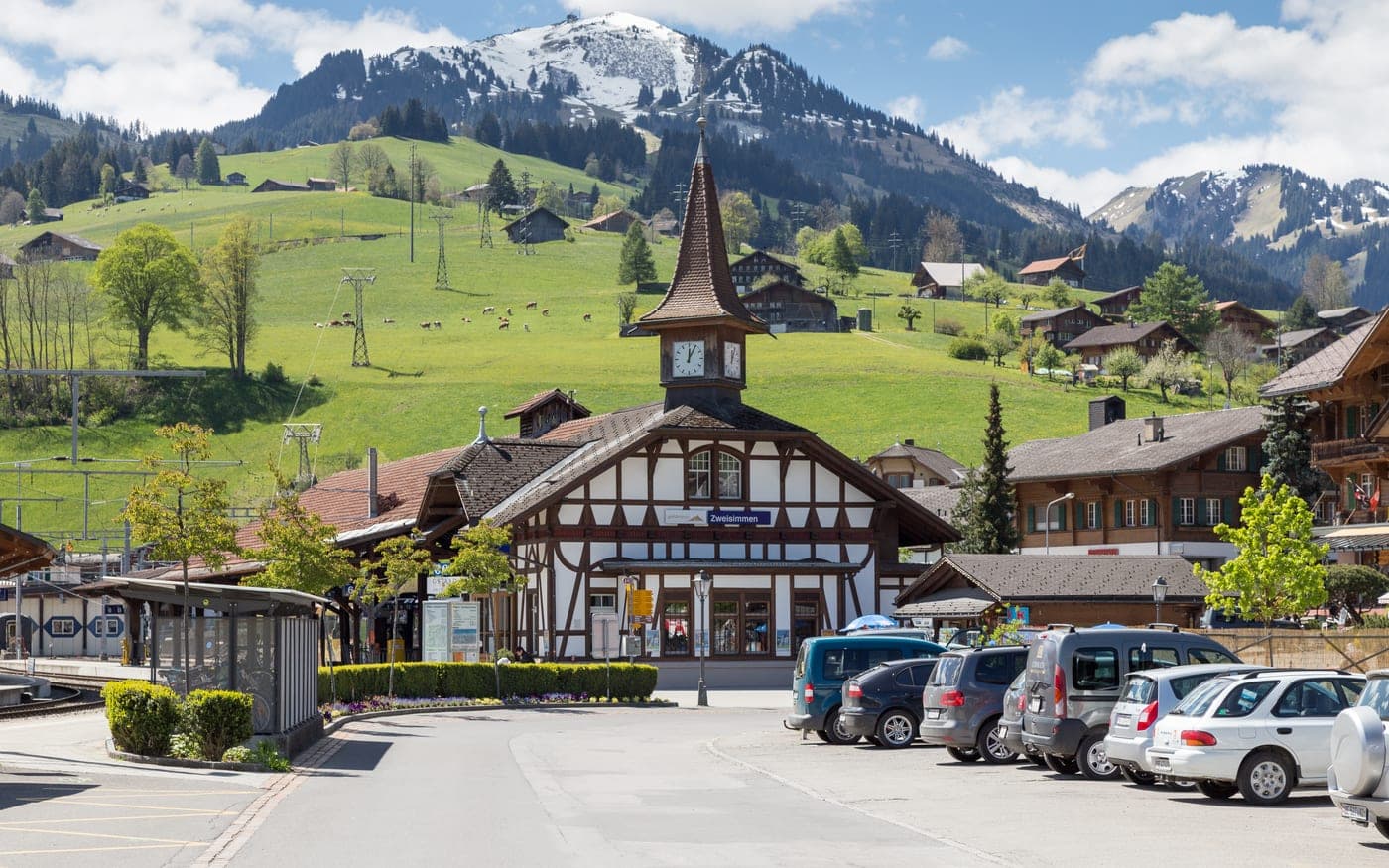
Viehättävä vuoristokylä, joka tunnetaan perinteisistä sveitsiläisistä chalet-mökeistään ja vaellusreiteistään.
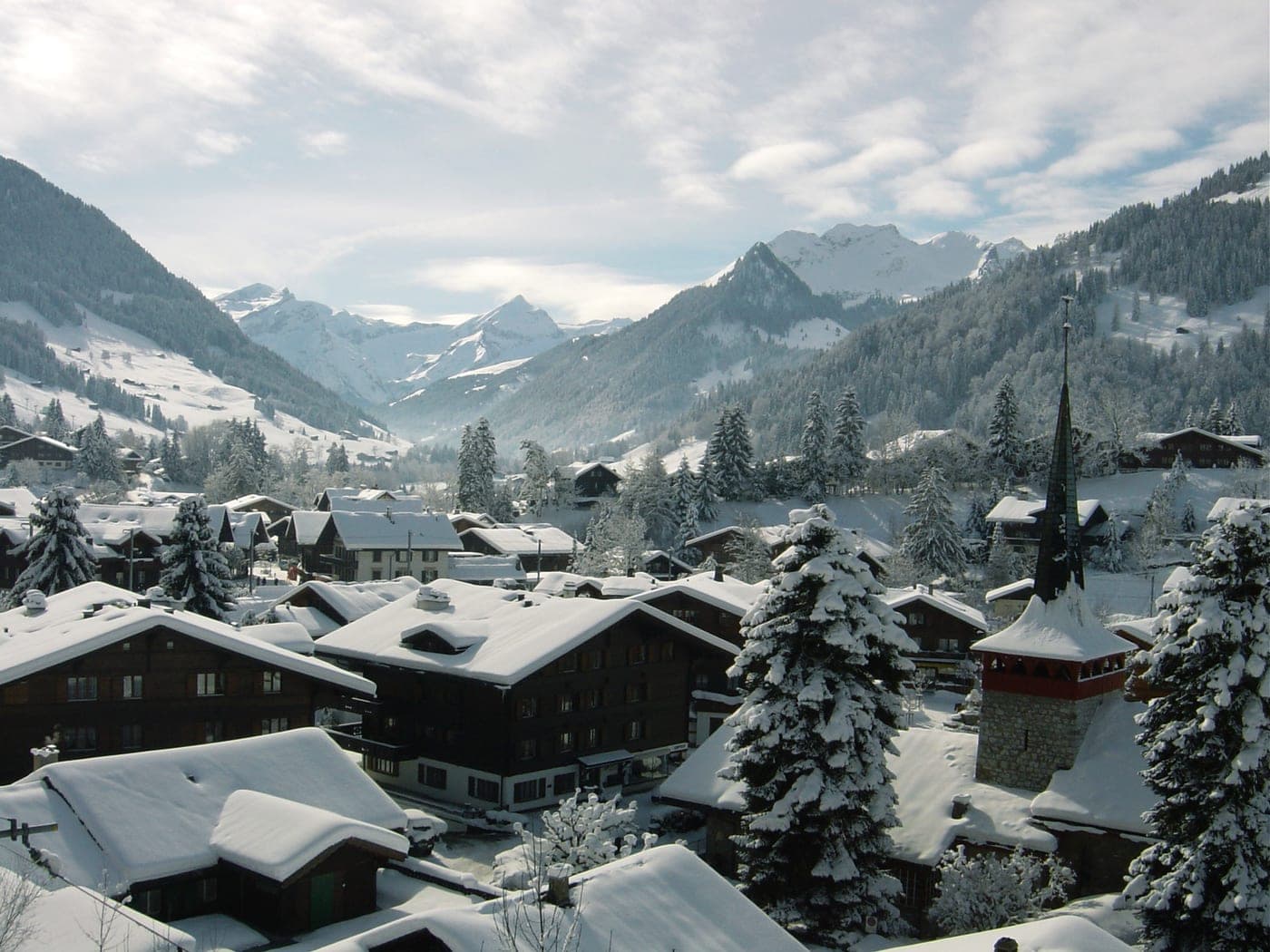
Viehättävä alppikylä, joka tunnetaan luksusluokan alppimajoistaan ja upeista vuoristonäkymistään.
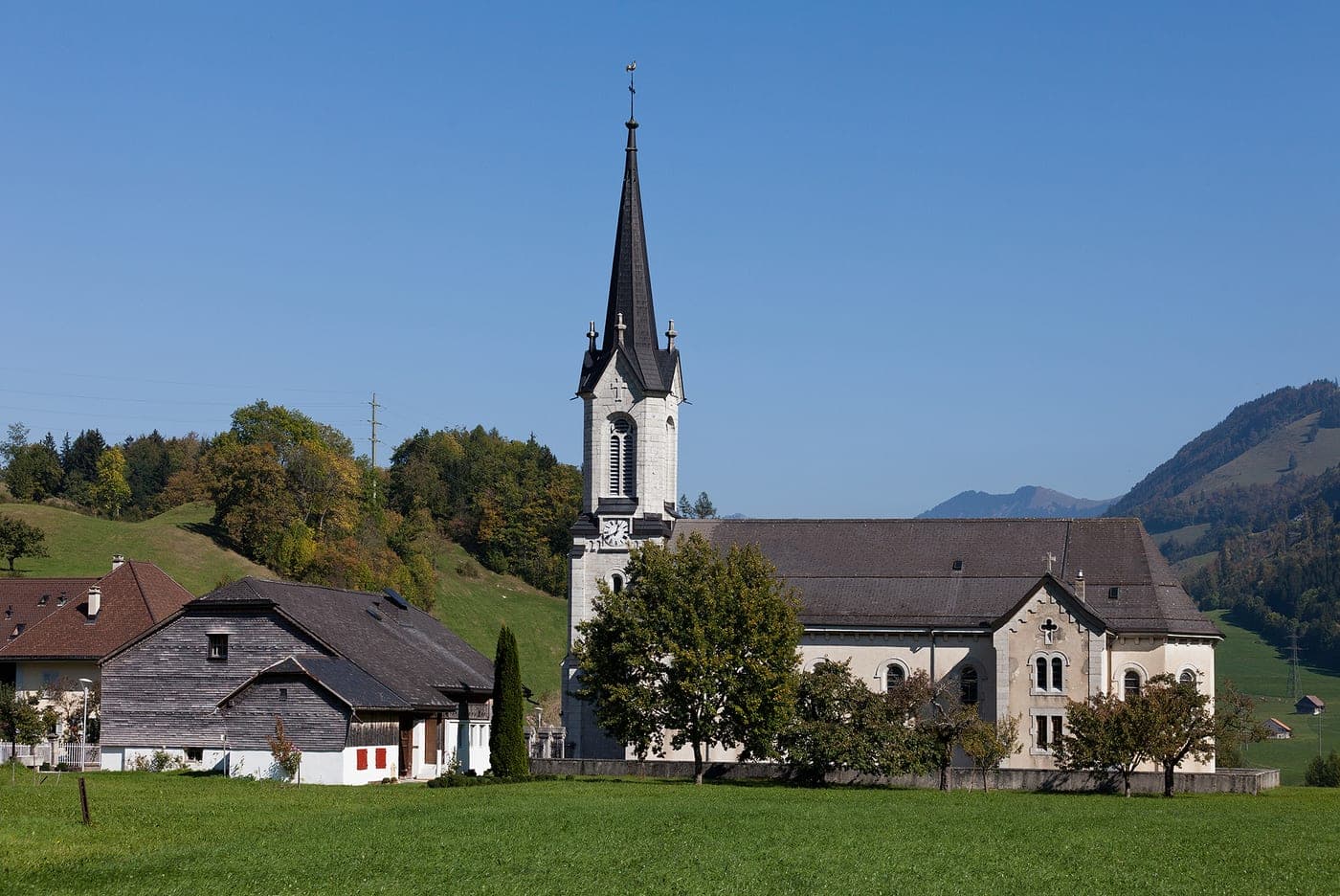
Vuoristokylä, jossa Golden Pass- ja Chocolate Train -junareitit kohtaavat.
Kaupunki sijaitsee Thunerseein ja Brienzerseein välissä Jungfrau-junien lähtevän lähistöltä.
Keskiaikainen linna katsoo järveä kohti viettäviä terassoituja viinitarhoja.
Perinteiset puiset chaletit täplittävät vihreitä Simmentaljä alppihuippujen alla.
Puiset chaletit rypistyvät korkeissa laaksoissa, joissa retkeilyreitit risteävät kesälaitumia.
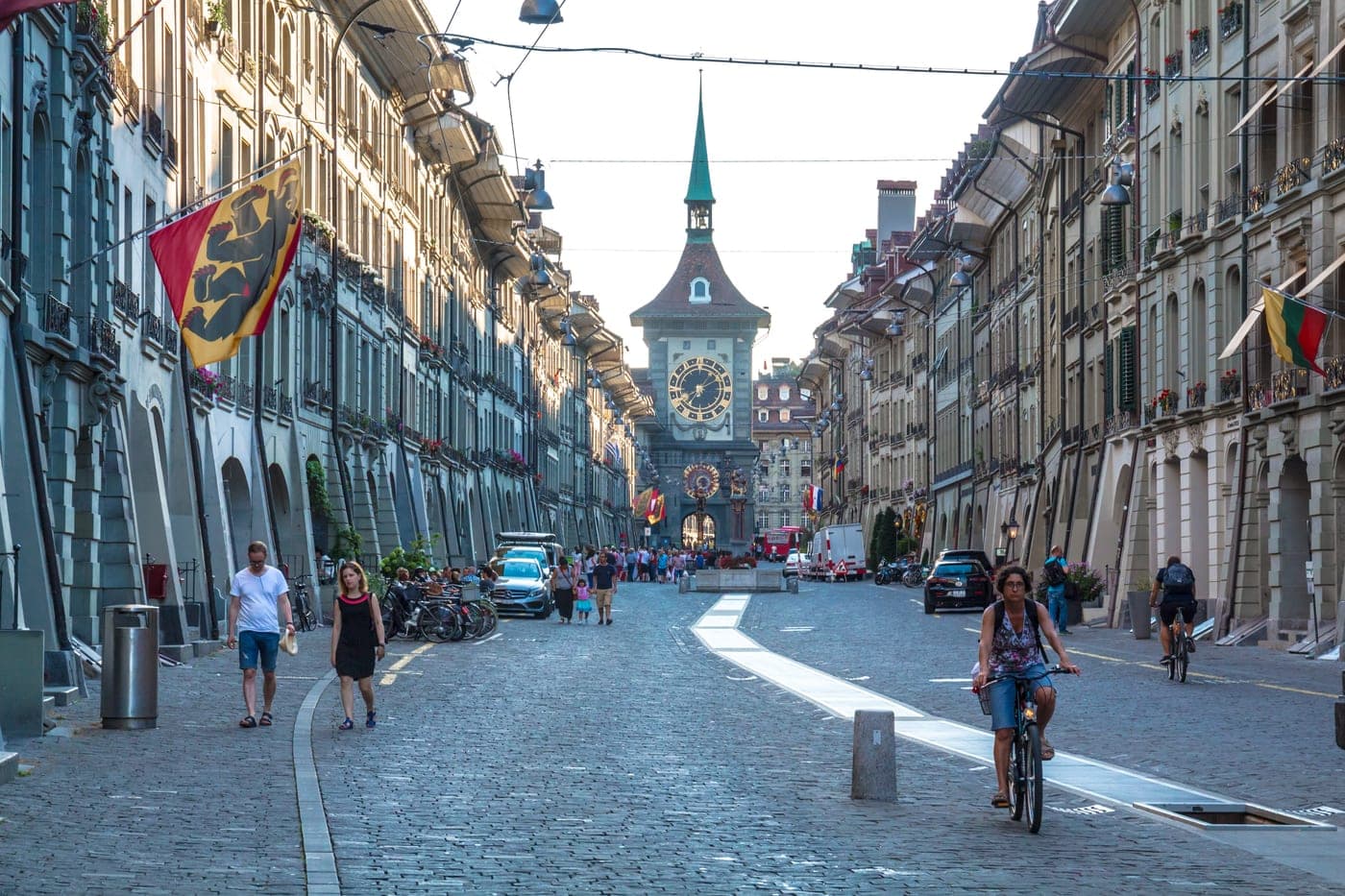
Bern is the capital of Switzerland, known for its well-preserved medieval architecture and unique UNESCO World Heritage site status. The old town features the iconic Zytglogge clock tower and the Federal Palace, showcasing the city’s political significance. Beyond Bern, the Emmental region is famous for its rolling hills and the production of Emmental cheese, with local farms offering tasting experiences. The Aare River provides opportunities for nature walks and swimming in summer. Nearby, the picturesque town of Thun offers stunning views of Lake Thun and the Alps. The region is less frequented by tourists, allowing for a deeper connection with Swiss culture and traditions.
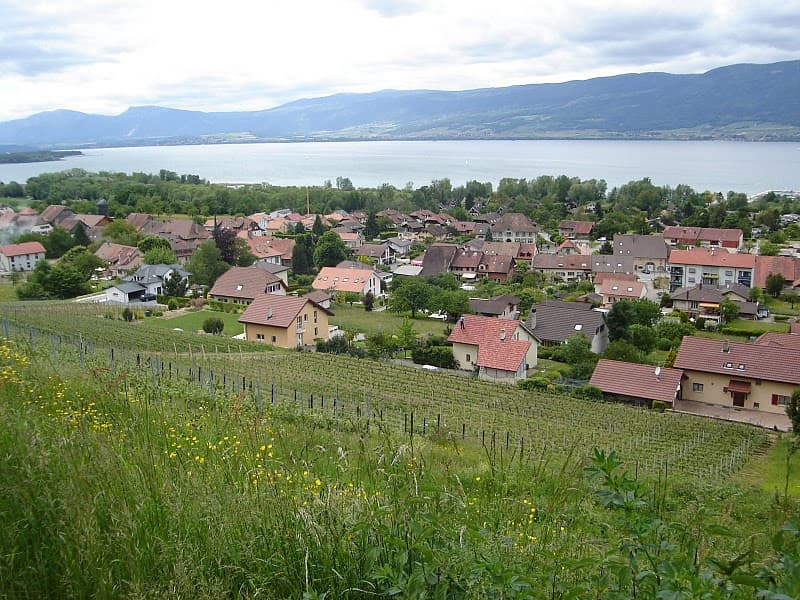
Fribourg is a Swiss region built for a slower pace. It sits between the French- and German-speaking parts of the country, and that mix still shapes daily life here — road signs change language partway through the canton, and the same cheese is sold under two names at the same market stall. The regional capital, also named Fribourg, sits on a sandstone hill above a bend in the Sarine river. Its old town is one of the larger medieval centres in Switzerland, with covered wooden bridges, a Gothic cathedral, and streets so steep that some are built as steps rather than roads. From the ramparts, the river loops below and the rest of the canton spreads out towards the hills. South of the city, the land softens into rolling dairy country. This is Gruyère territory, named after both the cheese and the small walled town of Gruyères that still gives it its name. Around Gruyères and the nearby town of Bulle, farms and mountain huts still make cheese by hand through the summer months, when herds move up to the high pastures. Several dairies open their doors to visitors watching a wheel of Gruyère being pressed and salted, a process that has changed very little over generations. The landscape rises further south into pre-alpine terrain: green terraces, scattered timber barns, and villages built from wood that has weathered dark over centuries. Walking paths here follow old cattle tracks between pasture and forest, gentle enough for an unhurried afternoon rather than a full day's climb. In autumn, cattle are led back down from the alpine pastures in a tradition still marked with flowers, bells, and a village gathering — one of the few moments when the summer's quiet farm work becomes a public event. To the north and west, the canton reaches Lake Neuchâtel and Lake Murten. Murten itself is a walled medieval town on the water, small enough to circle on foot within the hour, with a lakeside promenade that fills with café tables in summer. In warmer months, passenger boats cross the lake to nearby towns, a pleasant way to spend an afternoon without hurrying. One of the quieter pleasures of the region is its local railway, which climbs from the lowland towns into the hills in short, unhurried stages, following the river through farmland before a hilltop town's towers come into view above the tracks. These are working regional trains rather than tourist rides, and that is much of their charm — riders share the carriage with people going to market or coming home from the fields. Food shapes much of what there is to do here. Beyond cheese, the region is known for its double cream, for meringues eaten with that cream, and for a dried, air-cured meat found across French-speaking Switzerland. Village markets, especially in Bulle and Fribourg itself, are where these products change hands directly between maker and buyer, often with a taste offered first. A comfortable way to see Fribourg is over three to five days: a day or two in the old town and along the Sarine, a day around Gruyères and its cheese dairies, and a day or two further into the hills or out to Murten and the lake. Trying to fit it into a single day usually means choosing between the city and the countryside, and both reward more time than that. What makes the region worth this pace is less any single sight than how its parts connect — a cathedral town, a cheese-making valley, alpine pastures, and a lakeside village, all within a canton small enough to move between slowly and still see plenty. Fribourg does not have the scale of the Bernese Oberland or the fame of Lake Geneva, but it holds a quieter version of the same Swiss countryside, with fewer crowds and more time to notice the details: the smell of a cheese cellar, a wooden bridge underfoot, the particular green of a pasture after rain.
Saa hitaan matkailun vinkkejä suoraan sähköpostiisi
Lyhyt viesti, kun jotain matkan arvoista ilmaantuu. Vastaa milloin tahansa STOP.
Tilaamalla suostut, että otamme yhteyttä WhatsAppin kautta. TietosuojakäytäntöSatunnaisia kirjeitä postilaatikkoosi — suosituksia, karttoja ja reittejä.
Tilaamalla uutiskirjeen hyväksyt tietosuojakäytäntömme.