Aeglase reisimise marsruut·🇩🇪 Saksamaa

Rhein ja Mosel linnade teekond – 11-päevane marsrut

Linnade ja majad teekond autoga

Kestus11 päeva
Peatused5 peatumist
Parim aegSügis — Riesling'i saak Reini ja Moseli ääres, kuldsed metsad Eifelis
KategooriadLossid · Kämpingumajad
Lisa lemmikutesse
Rüdesheim am RheinRüdesheim am Rhein
Marsruudi plaan

Peatused marsruudil.

5 peatumist05
01Peatumine · Algus
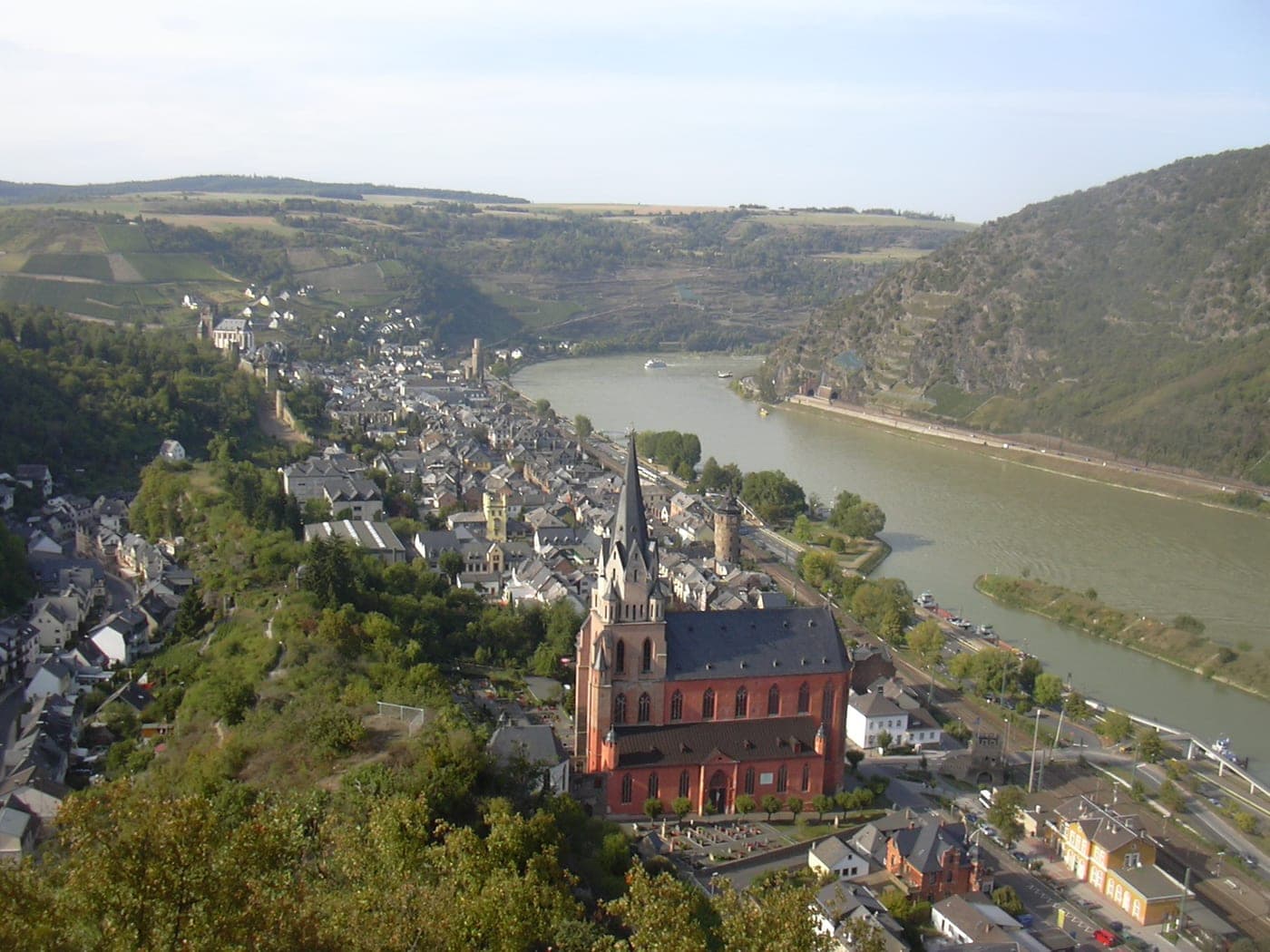
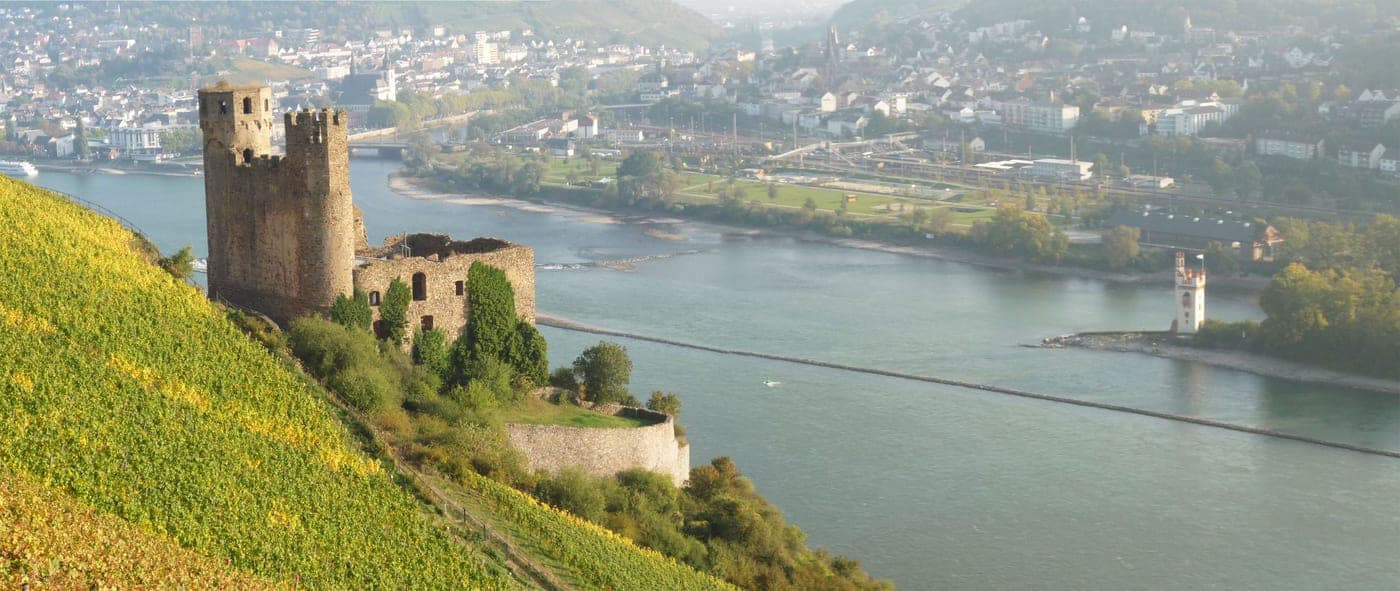
Rüdesheim am Rhein
Lossid·Saksamaa

Rüdesheim am Rhein

Kuulus Reini veinilinn UNESCO kultuuripärandi Reini kuru väravates, kus tuhat aastat vanas Brömserburgi lossis asub Saksamaa suurim veinimuuseum.

⌬Rheingau Riesling⌬Brömserburg loss⌬Niederwald monument⌬Hiking
02Peatumine · Vahepeal
Oberwesel
Lossid·Saksamaa

Oberwesel

Erakordse hästi säilinud keskaegne Reini äärne linn 16 puutumatu torniga, iidsete linnamüüride võrgustik ja Schönburg loss, mis kerkib dramaatiliselt UNESCO kaitse all oleva kääru kohal.

⌬Keskaegne linnamüürid⌬Schönburg loss⌬Rööna vein⌬Hiking
03Peatumine · Vahepeal
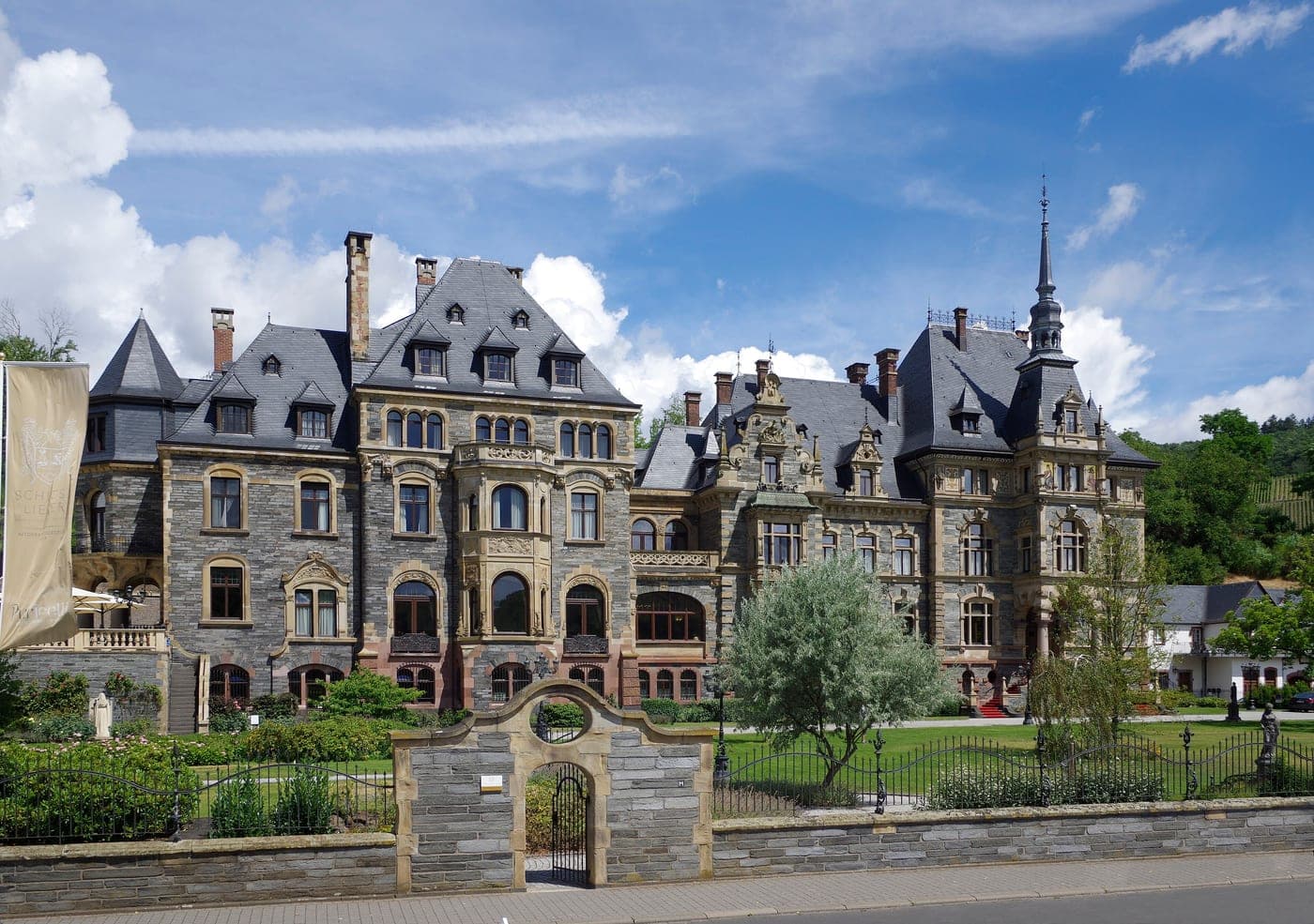
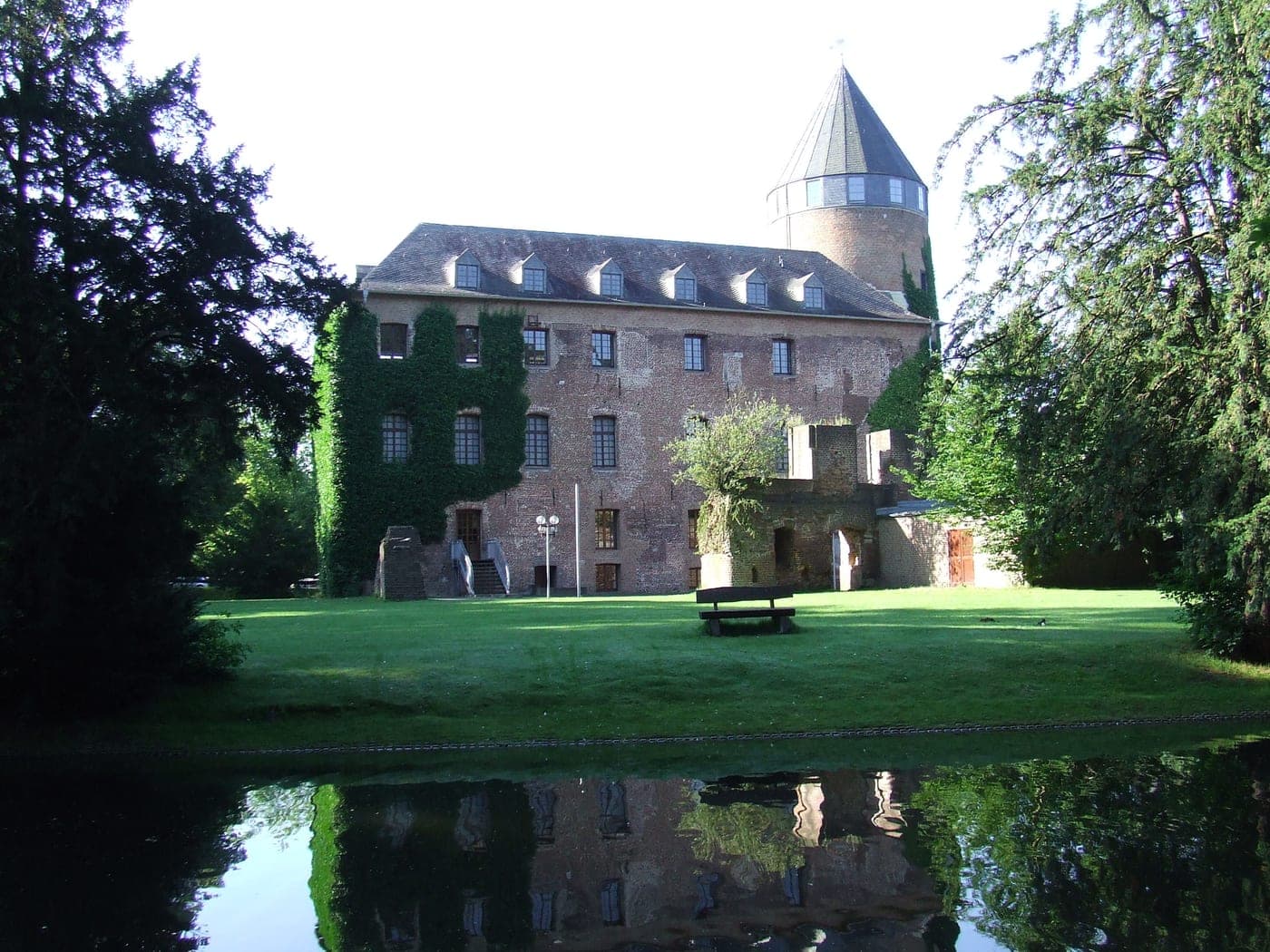
Lieser
Lossid·Saksamaa

Lieser

Väike Moseli veiniküla Bernkastel-Kuesi ja Traben-Trarbachi vahel, mis on rajatud muljetavaldava 19. sajandi lossi ümber, kus tänapäeval tegutseb üks Saksamaa parimaid lossihotelle.

⌬Schloss Lieser hotell⌬Mosel Riesling⌬Moseli org⌬Hiking
04Peatumine · Vahepeal
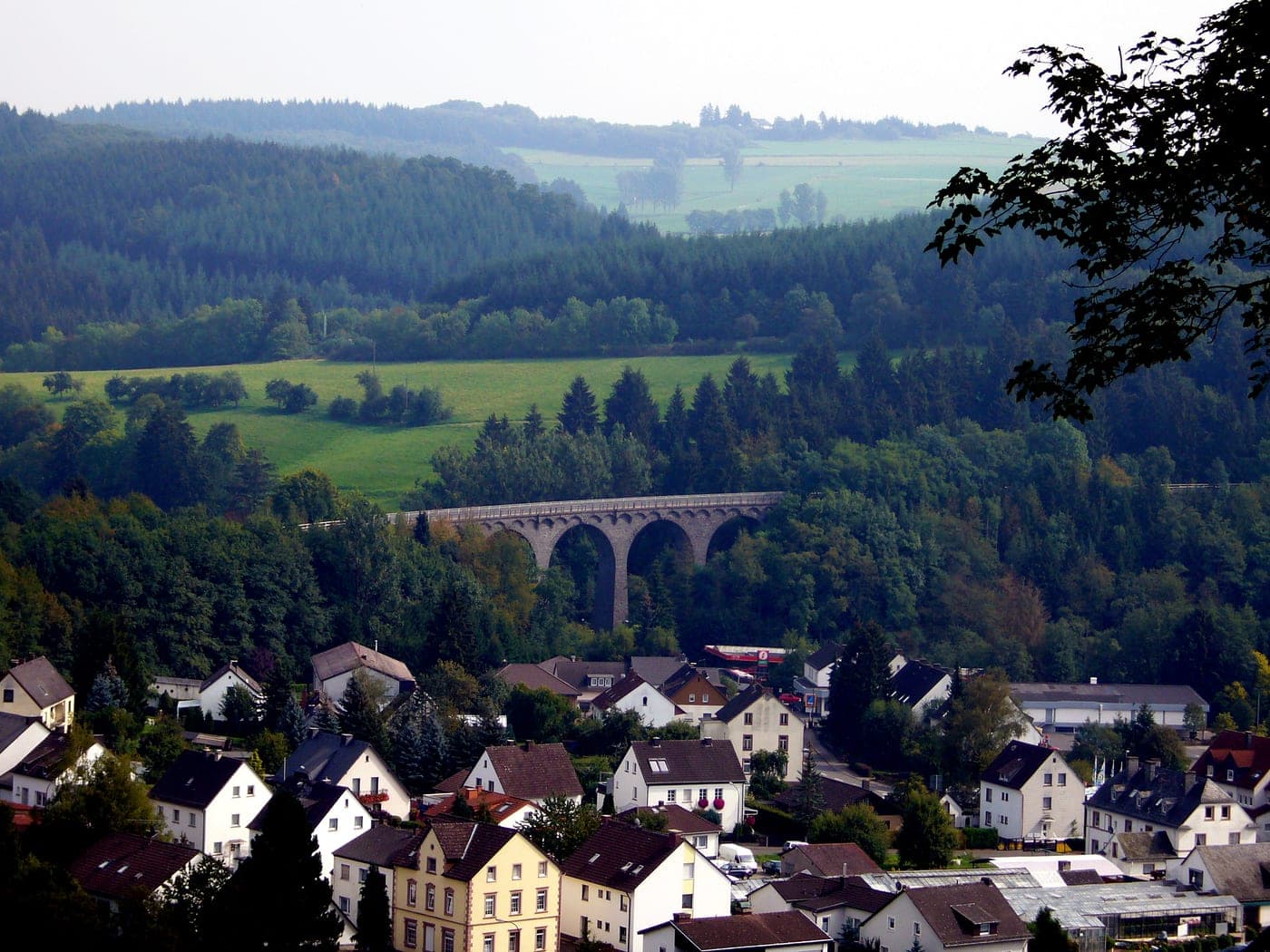
Daun
Kämpingumajad·Saksamaa

Daun

Vulkaaniline Eifeli keskus, mida ümbritsevad maari kraatrijärved ja matkarajad

⌬vulkaanilised kraatrikaod⌬Looduskaitsealad⌬Matkarajad⌬Kämpingumajaderent
05Peatumine · Lõpp
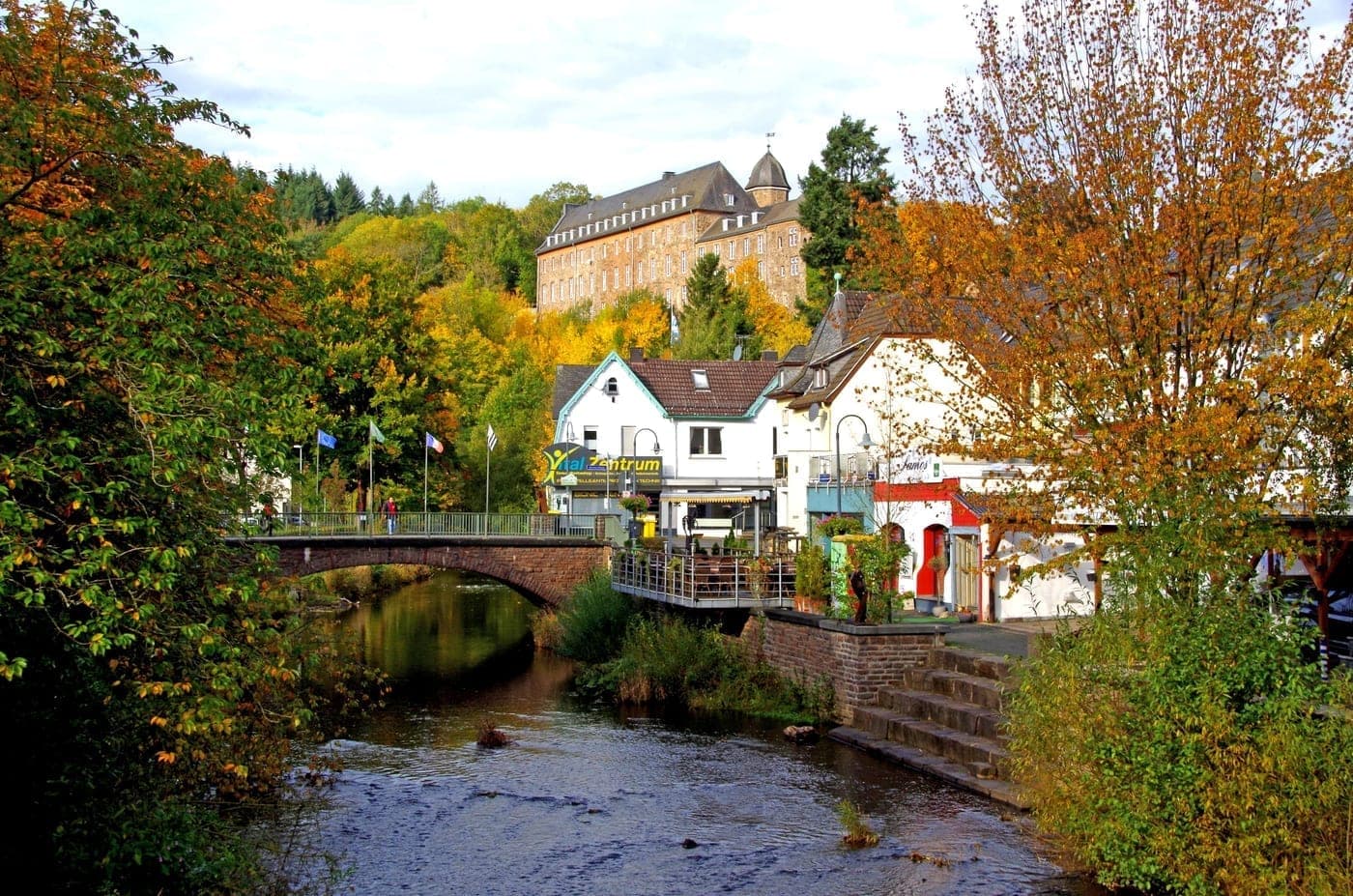
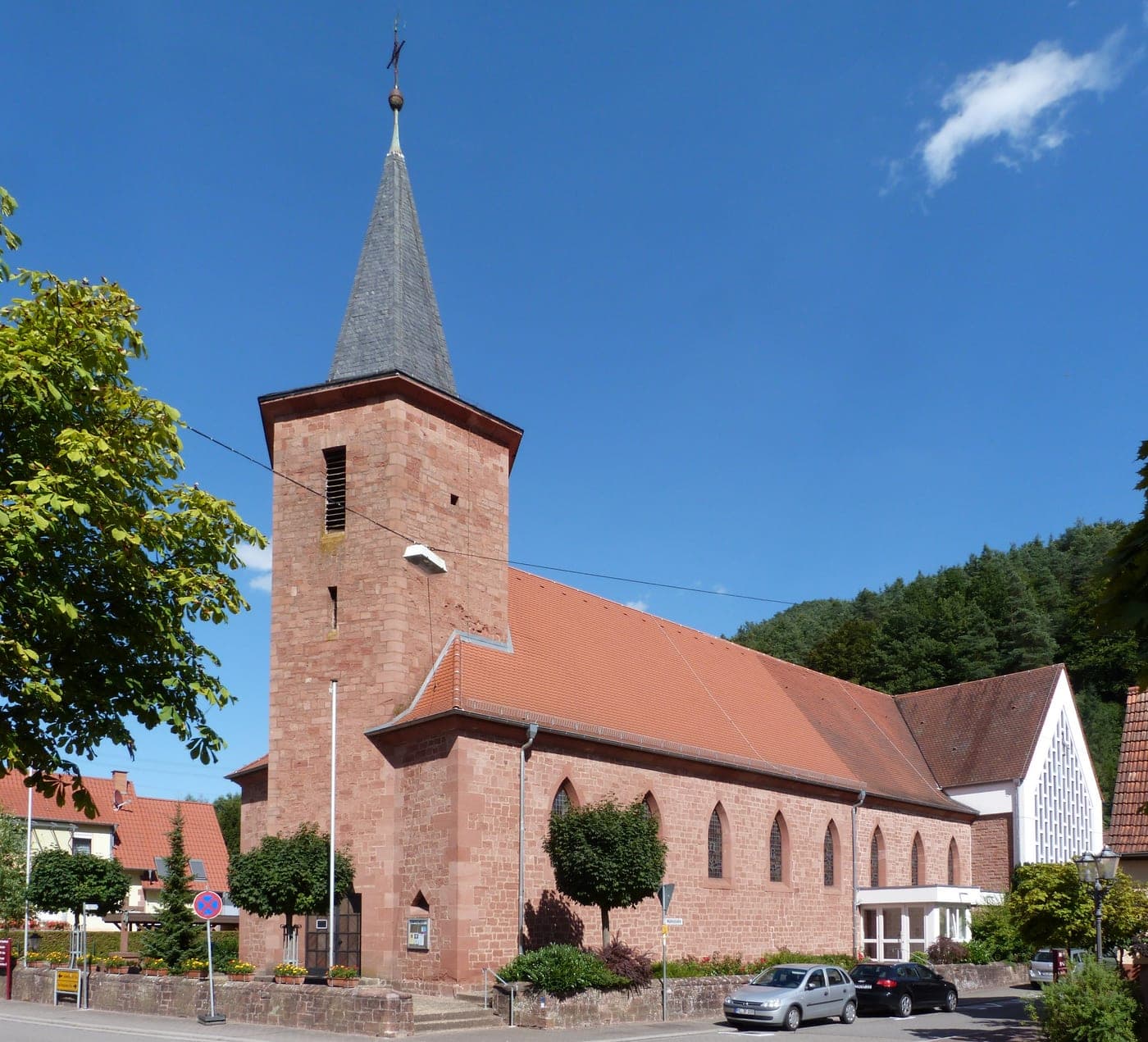
Schleiden
Kämpingumajad·Saksamaa

Schleiden

Võluv linn Eifeli piirkonnas, tuntud oma ajalooliste poolkarkassmajadega.

⌬Eifeli rahvuspark⌬Kämpingumajaderent⌬Matkarajad⌬Loodusilu
Selle kuju

Marsruudi kaart.

5 peatumist · 4 etappi
Miks see marsruut

Selle marsruudi esiletõstud.

01

Rheingau veinimuuseum 1000-aastases Brömserburgi lossis

Rheingau Viinamuuseum asub Rüdeshemi 1000-aastase Brömserburgi lossi kambrites. Reini vaated raamistavad keskaegset kivimüüri.

02

Kogu linnamüüri ring ja Burghotel Schönburg Oberweselis

Oberweseli täielik keskaegne linnamüür ümbritseb kuusteist torni Reini kohal. Burghotel Schönburg vaatleb UNESCO kuru.

03

Schloss Lieser ja Moselsteigi veinitee

Schloss Lieser asub Moseli viinamägedel, kus Moselsteig rada lookeb Rieslingu terrassidel. Lossi toad vaatavad jõele.

04

Vulkaanilised maarjärved ja Eifeli rattateed Dauni ümber

Vulkaanilised maar-järved täidavad iidseid kraatrid Dauni ümbruses Eifeli piirkonnas. Rattarajad ühendavad ümmarguseid siniseid vesi.

Broneeri oma kogemus

Mis on tegelikult saadaval sinule.

5 peatust
Breuer's Rüdesheimer Schloss
Lossid
Hiking trails
Matkamine
02.OberweselSaksamaa
Burghotel Auf Schönburg
Lossid
Hiking trails
Matkamine
03.LieserSaksamaa
Schloss Lieser, Autograph Collection
Lossid
Hiking trails
Matkamine
04.DaunSaksamaa
Dauny House
Kämpingumajad
PanoramaSicht
Kämpingumajad
Schloßhotel Kurfürstliches Amtshaus Dauner Burg
Lossid
Hiking trails
Matkamine
05.SchleidenSaksamaa
NEUGRAD
Kämpingumajad
Neugrad STYLE
Kämpingumajad
Chalets am National Park Eifel
Kämpingumajad
Ferienhaus am Mühlenberg
Kämpingumajad
Ferienhaus Waldbaden im Nationalpark Eifel- am Bach
Kämpingumajad
Hiking trails
Matkamine
Suumige välja

Piirkonnad sellel marsruudil.

3 piirkonda
Rhineland-Palatinate
Germany10 sihtkohta

Rhineland-Palatinate

Rhineland-Palatinate is Germany's largest wine-producing region, renowned for its diverse vineyards and picturesque landscapes along the Rhine and Moselle rivers. The region features historic cities like Mainz, famous for its Gutenberg Museum, and Trier, home to well-preserved Roman ruins, including the Porta Nigra. Koblenz marks the confluence of the Rhine and Moselle and is known for its Ehrenbreitstein Fortress. The region is also celebrated for its rich culinary traditions, including hearty dishes and fine Riesling wines. Unique villages such as Cochem and Rüdesheim invite exploration of local culture and festivals, offering a glimpse into traditional German life amidst stunning natural beauty.

KämpingumajadMatkamineLossidMatkaauto rent
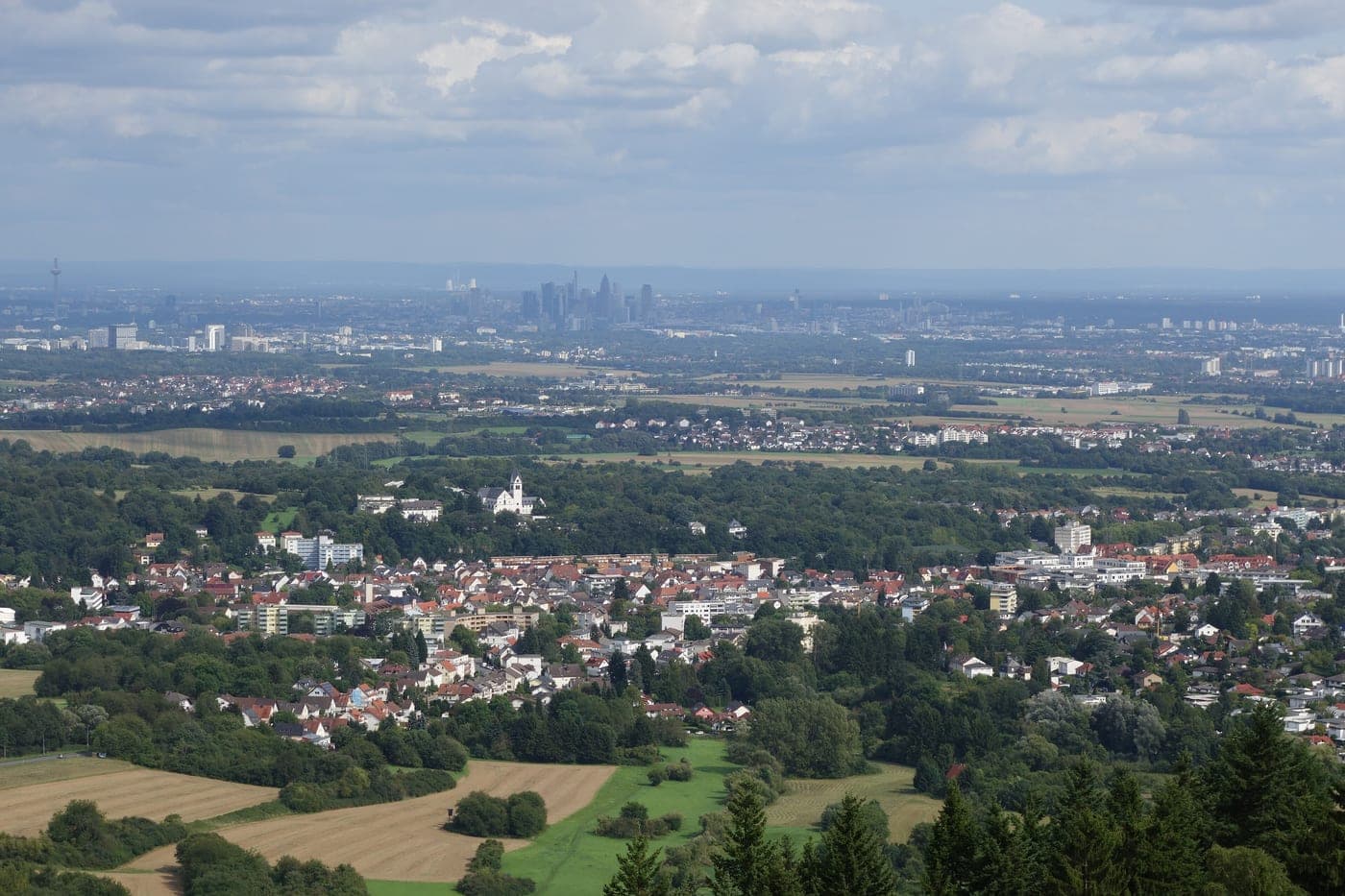
Hesse
Germany5 sihtkohta

Hesse

Hesse sits at the middle of Germany, and its landscape shows that in-between position clearly: river valleys lined with vineyards, forested hills that rise into proper mountain trails, and old market towns that never grew into cities. The pace here is set by the land itself. Along the Rhine, in the district known as the Rheingau, steep slopes have carried vines for centuries. Riesling is the grape that defines the area, grown on terraces above towns such as Rüdesheim, Eltville, and Geisenheim, where the river bends and the hills catch the afternoon sun. Marked cycling paths follow the water through the vine rows, past wine presses and small cellar doors that open onto the lane in season. Wiesbaden, the state capital, grew up around its hot springs. The Romans built baths here, and the town's spa culture never really stopped afterward — the same warm mineral water still rises through the ground and feeds the fountains and bathhouses that give the old streets their elegant, slightly formal air. Wide boulevards, stucco façades, and a domed casino all belong to that same spa-town character. Darmstadt, not far south, took a different path. At the start of the twentieth century, a group of artists and architects built the Mathildenhöhe colony there, a hillside cluster of houses, studios, and a wedding tower designed as a single artistic statement. The result is unlike anything else nearby: Jugendstil curves, mosaic tiles, and gardens laid out to match the buildings around them. To the north, the Taunus range folds into wooded ridges and open summits, with the Feldberg as its high point. Paths climb through beech forest and break out onto grassy tops with views back down toward the Rhine and Main valleys. At the foot of the range, Bad Homburg keeps its own spa tradition, with a park landscaped around mineral springs and a Kurhaus at its centre. Marburg lies along the Lahn river, its old town built up a steep hillside beneath a castle that has watched over the crossing for centuries. Narrow lanes climb between half-timbered houses toward the Elisabethkirche, one of the earliest Gothic churches built in Germany, and the university that has shaped the town since the sixteenth century sits woven right through the streets rather than set apart from them. Hesse also carries a strong thread of fairy tale history. The Brothers Grimm worked in Kassel for much of their lives, gathering and editing the folk tales that later spread around the world, and the town where they grew up, Steinau an der Straße, still keeps their family home. Kassel itself holds the Bergpark Wilhelmshöhe, a hillside park built around water cascades and crowned by a huge statue of Hercules, with fountains set running on fixed days through the warmer months. Further east, Bad Hersfeld grew around a Benedictine abbey whose church was left roofless after a fire centuries ago. The ruined nave now hosts an open-air theatre festival each summer, with the half-timbered old town filling up around performance nights. Fulda, close by, keeps its baroque cathedral quarter and a web of quiet lanes built for walking rather than traffic. Wine, water, and woodland repeat across Hesse in different combinations. The Rhine and Lahn valleys both carry cycling routes built along old towpaths, with easy gradients that pass through vineyard villages and under castle ruins. Autumn brings the grape harvest to the Rheingau, with presses running and new wine, still cloudy and sweet, sold by the glass in village squares. Spring and early summer suit the Taunus trails, when the beech woods are freshly green and the ridge paths stay cool. Spa towns like Wiesbaden and Bad Homburg keep their bathhouses open through the year, giving the region a rhythm that does not depend on any single season. What holds Hesse together is this mix of built and grown landscape: castle hills standing over vine terraces, spa parks laid out beside forest ridges, and small towns where the half-timbered centre and the surrounding countryside read as one continuous place rather than a destination and its outskirts.

LossidMatkaauto rentMatkamine
North Rhine-Westphalia
Germany15 sihtkohta

North Rhine-Westphalia

Located in western Germany, this region is the largest in the country and is known for its diverse landscapes, from the scenic Rhine River valleys to the lush hills of the Sauerland. The area is rich in industrial heritage, with cities like Dortmund and Essen showcasing their transformation from heavy industry to cultural hubs. Düsseldorf offers a vibrant arts scene and innovative fashion, while Cologne is famous for its stunning cathedral. The region also boasts picturesque towns such as Monschau, known for its half-timbered houses, and Bad Honnef, a charming spa town. Unique local dishes and breweries enhance the cultural experience, along with numerous hiking trails that connect visitors to its natural beauty.

KämpingumajadMatkamineLossidPaadirent

Leia inspiratsiooni

Saa aeglase reisimise nõuandeid otse postkasti

WhatsAppis

Lühike sõnum, kui ilmub midagi, mille pärast tasub reisida. Vasta STOP, millal soovid.

Tellides nõustud, et võtame sinuga ühendust WhatsAppi kaudu. Privaatsuspoliitika
või

E-postiga

Aeg-ajalt kirjad sinu postkasti — soovituste, kaartide ja marsruutidega.

Uudiskirjaga liitudes nõustute meie privaatsuspoliitikaga.