Slowfoxes
Ruta de viatges lents·🇪🇸 Espanya

Ruta del Vi de Catalunya – Itinerari de 7 dies

Camí del Cava i Priorat

Durada7 dies
Parades4 parades
Millor èpocaTardor — verema en ambdues regions, monestirs oberts, caminades més fresques al Priorat
CategoriesTast de vins
Afegir a preferits
Sant Sadurní d'AnoiaSant Sadurní d'Anoia
L'itinerari

Les parades.

4 parades04
02Parada · Intermèdia
Sant Pau d'Ordal
Tast de vins·Espanya

Sant Pau d'Ordal

Vila vinícola del Penedès, amb cellers ecològics i encant rural.
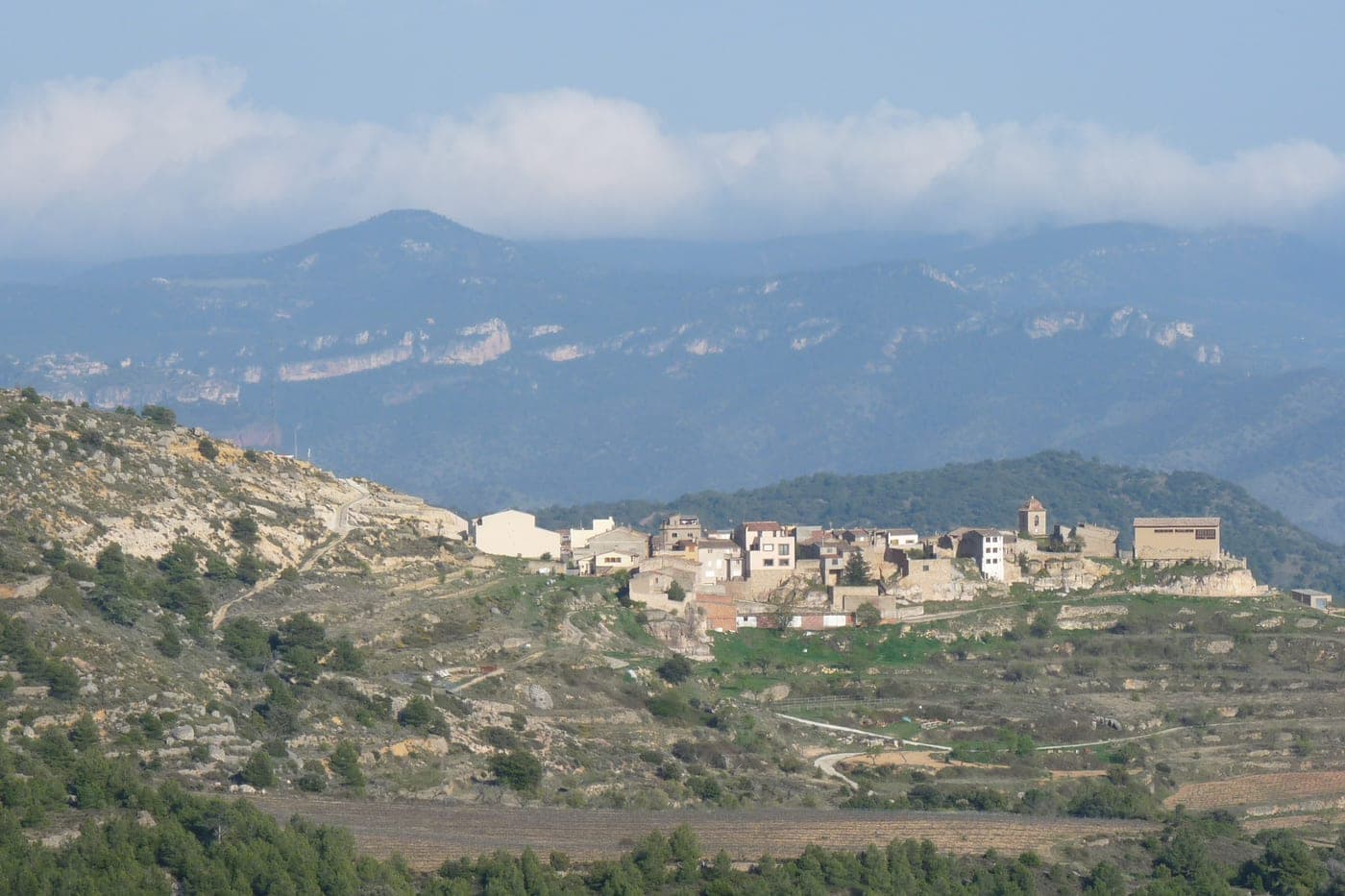
⌬Regió vinícola del Penedès⌬Cellers⌬Paisatges rurals⌬Gastronomia local
03Parada · Intermèdia
La Morera de Montsant
Tast de vins·Espanya

La Morera de Montsant

Poble de la regió vinícola del Montsant, amb vins negres potents i paisatges de muntanya.
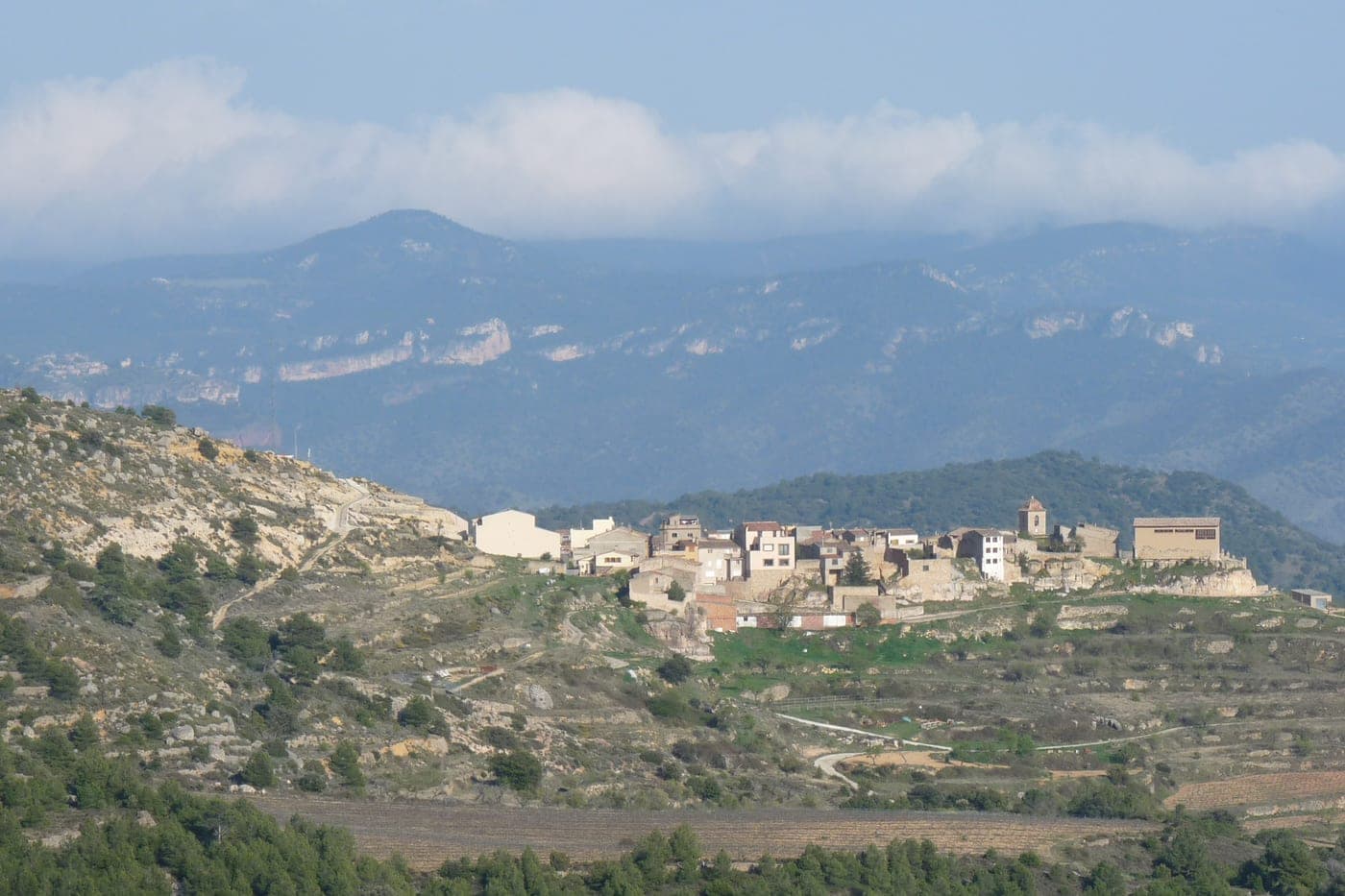
⌬vi de Montsant⌬Vistes de muntanya⌬Gastronomia local⌬Rutes de senderisme
04Parada · Fi
Escaladei
Tast de vins·Espanya

Escaladei

Poble vitivinícola històric al Priorat, situat al voltant de les ruïnes d'una cartoixa.

⌬monestir cartoixà en ruïnes⌬regió vitivinícola de Priorat⌬pendents de vinya d'esquist pronunciats⌬Producció de vi
La forma d'això

Mapa de la ruta.

4 parades · 3 trams
Per què aquesta ruta

Punts destacats de aquesta ruta.

01

Cellers de la capital del cava a Sant Sadurní d'Anoia

Cellers de cava s'obren pas sota Sant Sadurní d'Anoia on el vi escumós ha bombollejat des dels anys 1870.

02

Passejades pel Penedès enturonat des de Sant Pau d'Ordal

Senders de vinya serpentejen turó amunt des de Sant Pau d'Ordal pels pendents del Penedès cap a vistes llunyanes de muntanyes.

03

Pendents de llicorella de La Morera de Montsant

Amfiteatres d'esquist de llicorella acoblen vinyes escarpades del Priorat al voltant del poble de muntanya de la Morera de Montsant.

04

Cartoixa d'Escaladei i vinyes originals del Priorat

Ruïnes del monestir cartoixà del segle XII marquen on els monjos van plantar per primer cop vinyes a les muntanyes del Priorat.

Reserva la teva experiència

Què realment està disponible per a tu.

4 parades
Cal Pere del Maset
Cuina Local
Hiking trails
Senderisme
04.EscaladeiEspanya
Allunyar

Regions en aquesta ruta.

1 regió
Catalonia
Spain21 destinacions

Catalonia

Catalonia stretches from the high Pyrenees down to the Mediterranean, and that range gives it a slow-travel character all its own: stone villages tucked into mountain valleys, a jagged coastline of small harbours, and an inland plain still shaped by farming and pilgrimage. Barcelona sits at one edge of the region, but Catalonia's quieter identity is built elsewhere — in places most visitors reach only if they choose to look beyond the capital. In the north, the Pyrenean valleys hold Romanesque churches and hamlets built from dark local stone, many still working farming communities. Villages like these keep a rhythm set by the seasons and the land, and walking between them reveals bell towers and hay meadows. Further south and inland, the Camí de Sant Jaume, a Catalan branch of the Camino de Santiago, crosses rolling wheat country and passes through small towns built around a church square. The coast has its own version of slowness. Cadaqués, with its whitewashed harbour houses and steep lanes, once drew Dalí and other artists. The Costa Brava's smaller coves still keep this feel in the off-season: fishing boats pulled up on shingle, a handful of restaurants serving the day's catch, cliff paths connecting one cove to the next. Inland from the coast, medieval towns like Besalú preserve their fortified bridges and Jewish quarters largely intact. Catalonia's regional cuisine reflects this pace. Cava is made using the same traditional method as Champagne, and small family cellars around Sant Sadurní d'Anoia still open their doors for tastings. Calçotada season, when charred spring onions are dipped in romesco sauce and eaten by hand, is a communal meal built around fire and patience. Elsewhere, pa amb tomàquet, botifarra sausage, and mountain cheeses reflect a cuisine shaped by both the sea and the high pastures. History runs close to the surface here. Poblet Monastery, one of Catalonia's Cistercian foundations, still follows a monastic routine largely unchanged for centuries, and some of Gaudí's early works outside Barcelona show the same architectural language in quieter settings. A handful of Catalan paradors occupy restored castles and monasteries — the one at Cardona, built into a medieval fortress on a hilltop, is among the most striking examples of this in Spain. Mountain villages, pilgrim paths, whitewashed coves, cava cellars, and monastery towns give Catalonia a landscape suited to slow travel: a dialect (Catalan) still spoken in daily life, a cuisine tied closely to what grows and grazes nearby, and villages that have kept their own pace as the region around them has modernised.

Tast de vinsLloguer d'embarcacionsSenderismeLloguer d'autocaravanes

Mantén-te inspirat

Rep consells de viatge lent directament a la teva bústia

A WhatsApp

Un missatge breu quan apareix alguna cosa que val el viatge. Respon STOP quan vulguis.

En subscriure’t acceptes que et contactem per WhatsApp. Política de privacitat
o

Per correu

Cartes esporàdiques a la teva safata — amb recomanacions, mapes i rutes.

En subscriure-us al butlletí, accepteu la nostra política de privacitat.