01Stopp · Start
Vinprovning·Österrike
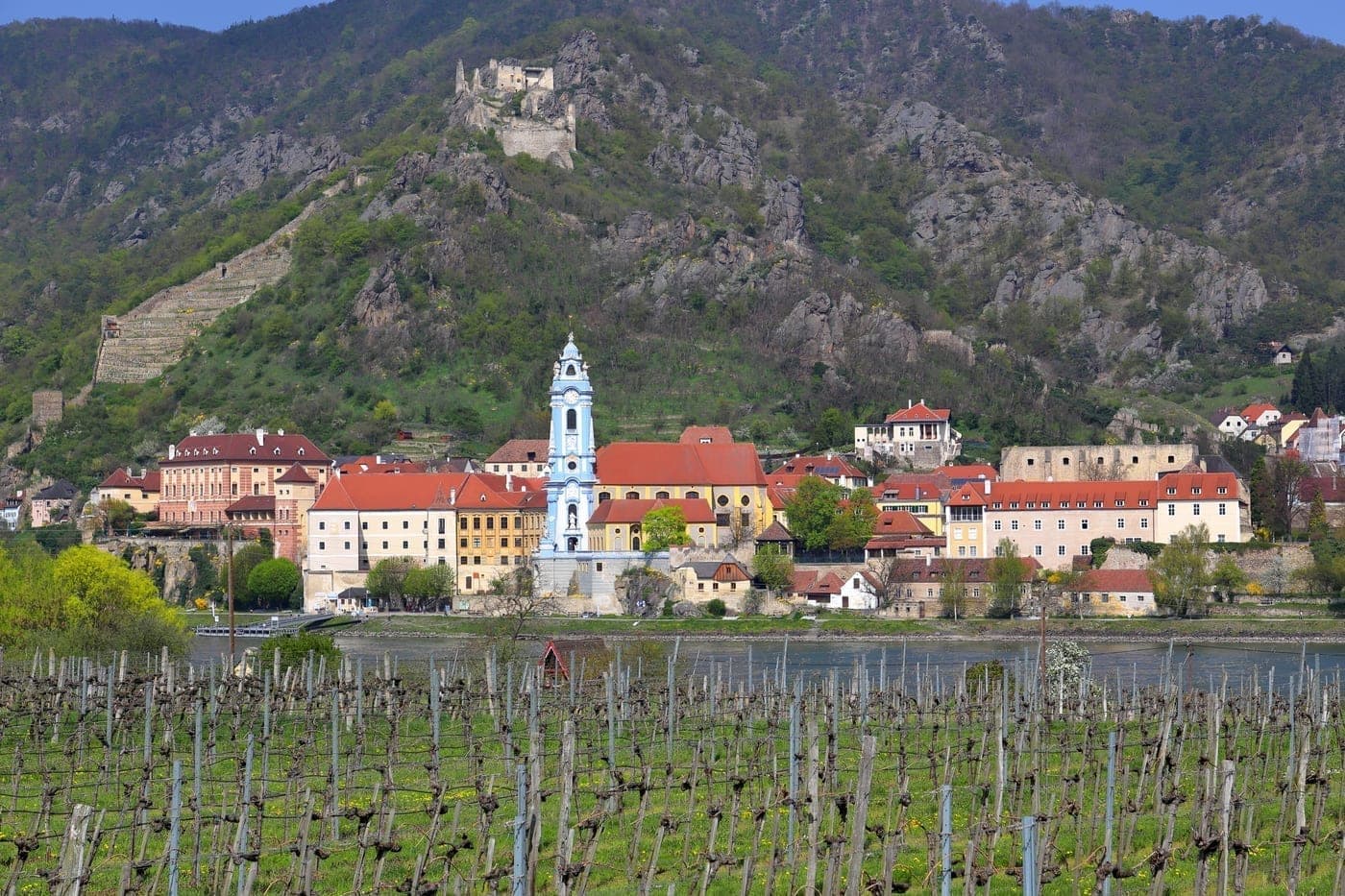
Dürnstein
Ikonisk Wachau-stad med medeltida slottsruiner och världsklass-viner.
⌬Kung Richards lejonhjärtas slottsruiner⌬Blå barockkyrkotorn⌬UNESCO världsarv⌬Världsklass Wachau-viner
DürnsteinIkonisk Wachau-stad med medeltida slottsruiner och världsklass-viner.
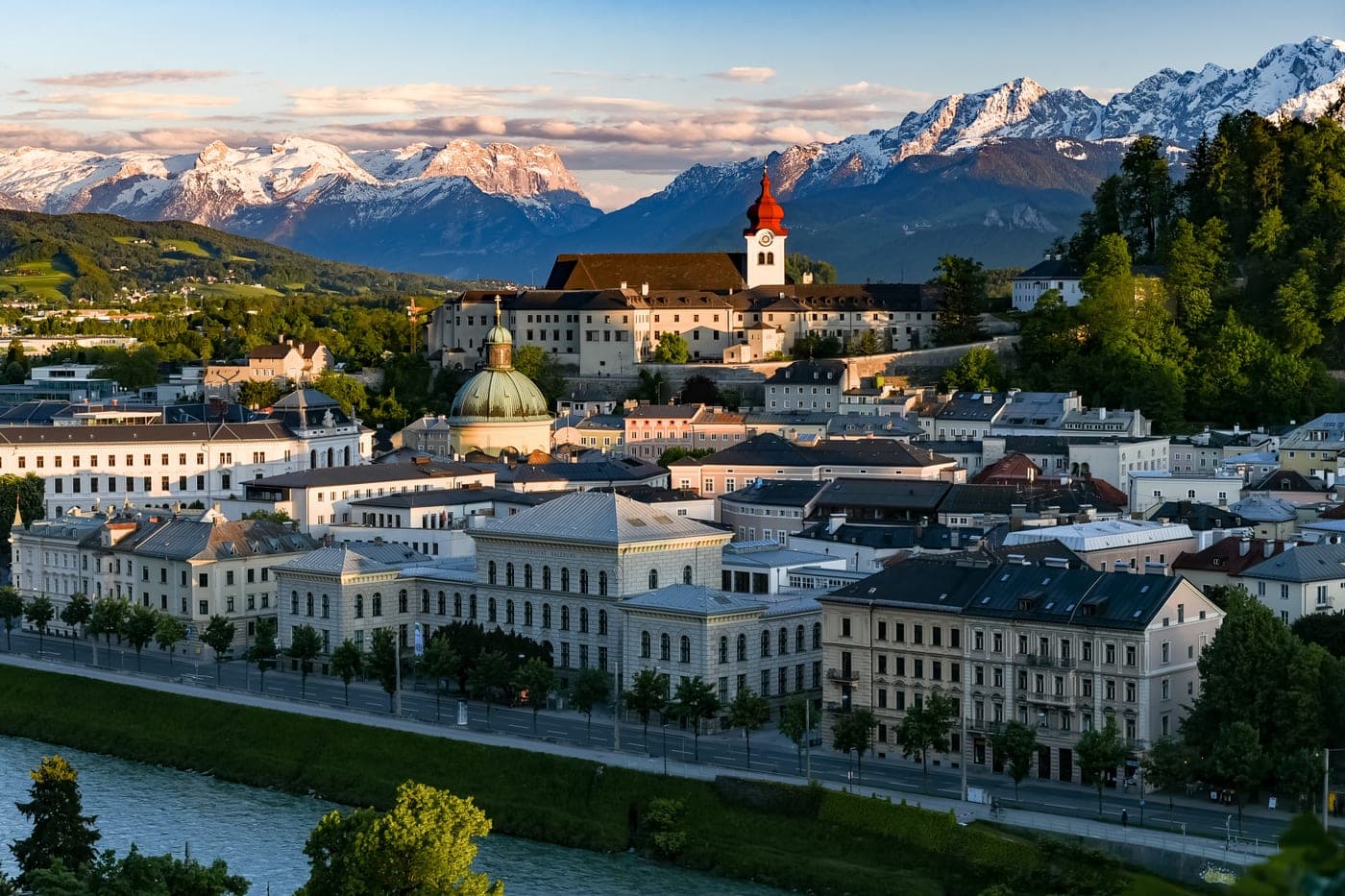
Mozarts födelsstad och en barockt pärla i hjärtat av Österrike, där klassisk musik och arkitektur andas historia från varje hörn.
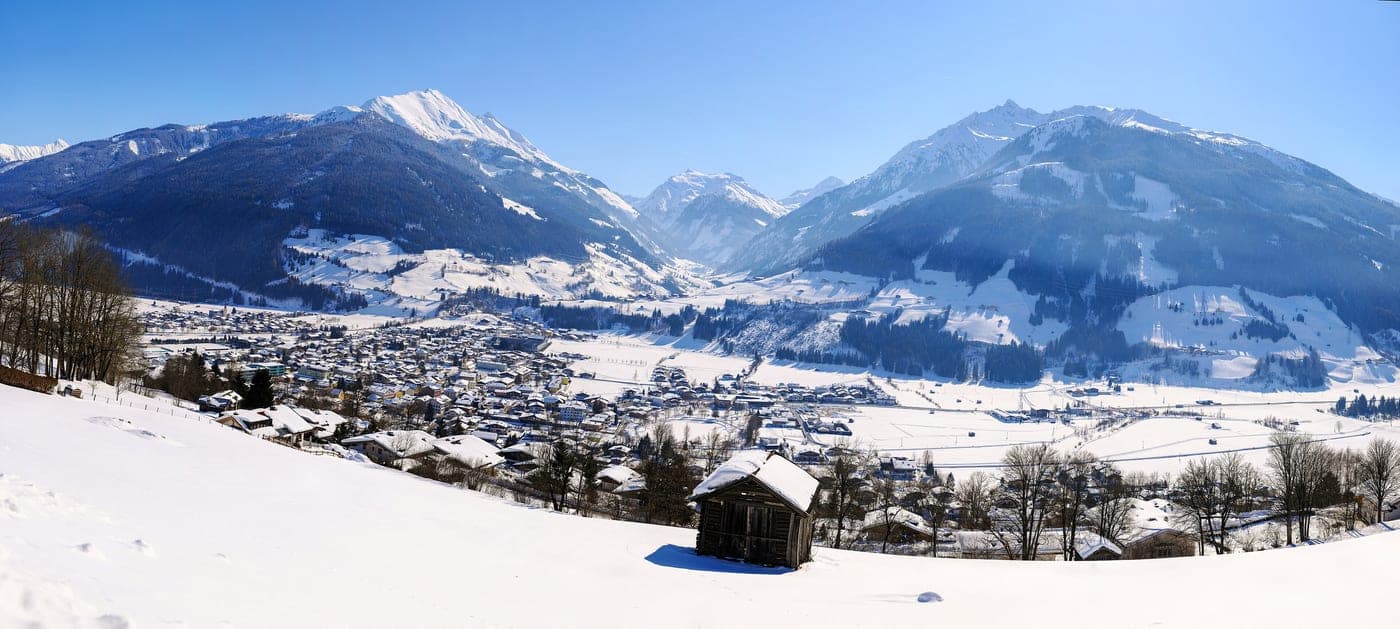
Liten Alpstad i Pinzgau-regionen i Salzburg, hem till ett 900 år gammalt slott som överblickar Salzach-dalen och grind till nationalparken Hohe Tauern.
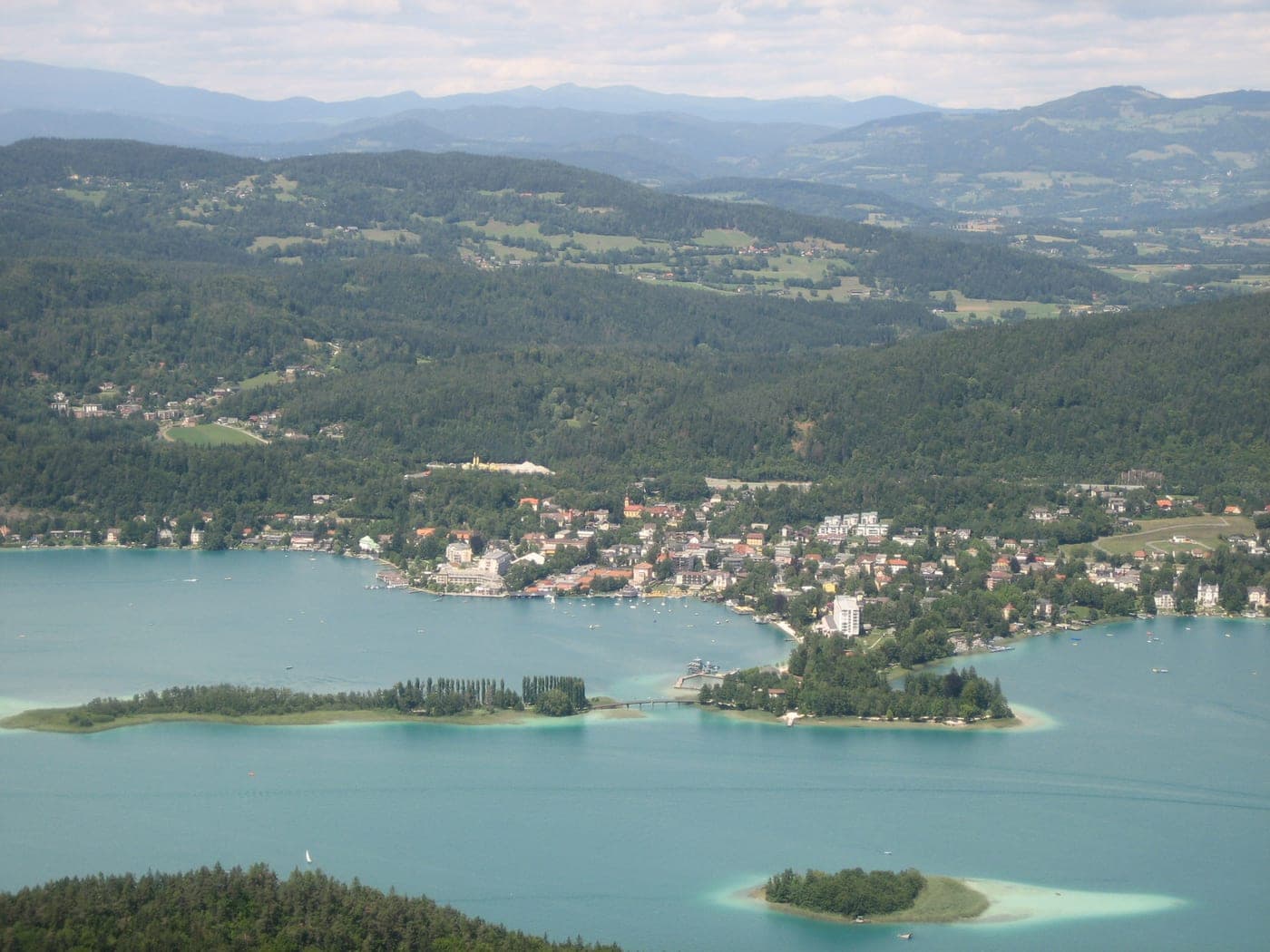
Belle Époque-badort vid Wörthersee där Brahms komponerade, omgiven av eleganta villaer och ett historiskt slottshotell.
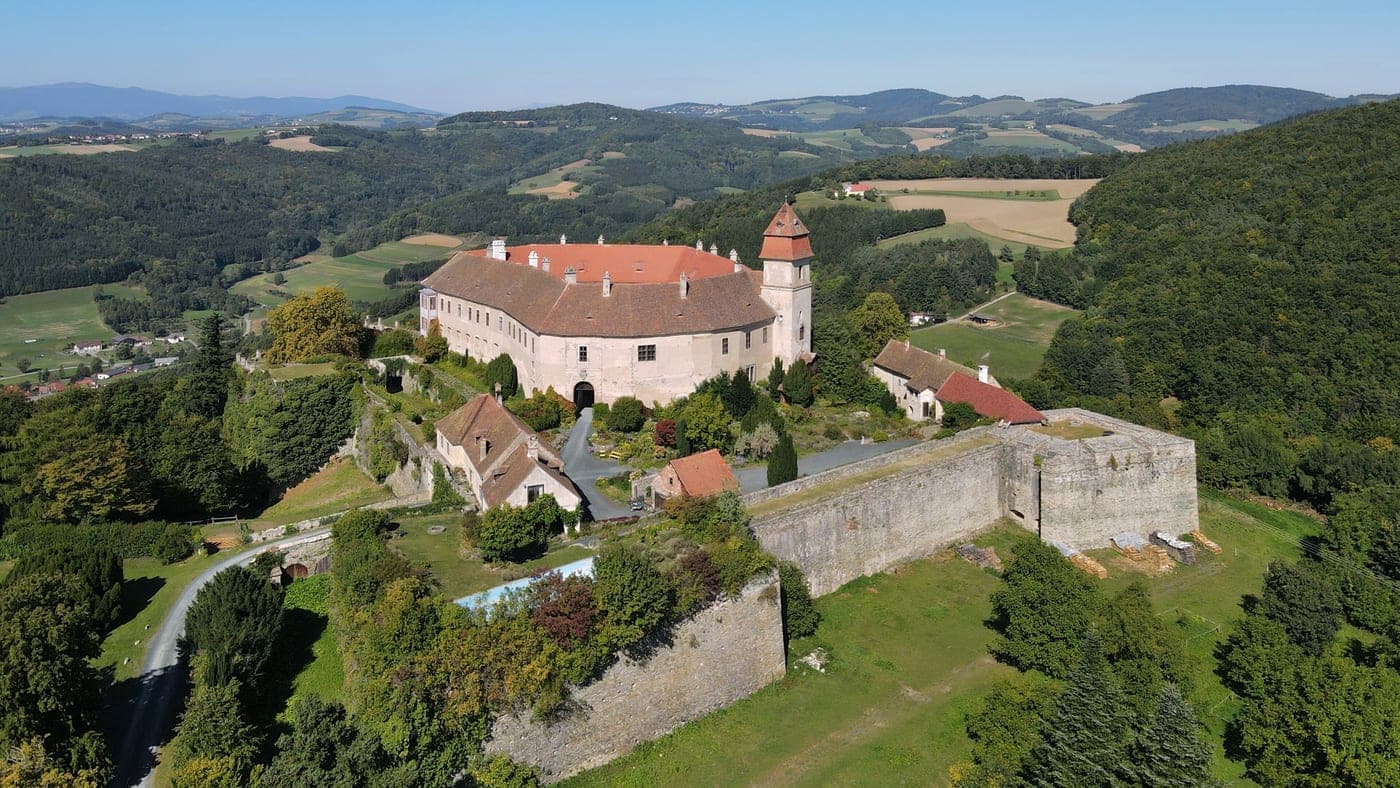
Avlägsen by på en höjd i södra Burgenland, hemstad för Österrikes högst belägna slott och Europas enda plats för gruvdrift av den dyrbara gröna serpentin-stenen.
Rikard Lejonhjärtas fängselsetorn vittrar på Donauklipporna ovanför Dürnsteins barockkloster och vingårdar.
Hohensalzburg fästning blickar ut över Salzburgs barocka gamla stad där Mozarts födelsehem ligger på Getreidegasse.
Bergsvägen klättrar genom Hohe Tauern-passen till Schloss Mittersills renässanstorn.
Habsburg-tidens slott speglas i Wörthersees alpina vatten runt Pörtschachs strandpromenader.
Nestled in the Alps, this region is renowned for its baroque architecture and stunning landscapes. Salzburg is the birthplace of Mozart and boasts a rich musical heritage. The region is characterized by picturesque lakes, including the beautiful Wolfgangsee, and the majestic peaks of the surrounding mountains. Hidden gems like the charming village of St. Gilgen and the historical town of Hallein invite exploration. Salzburg's unique salt mines, dating back to prehistoric times, reveal its historical significance in trade. The region hosts various local festivals, including the Salzburg Festival, celebrating music and theater, making it an intriguing locale for cultural exploration. Ideal for those seeking to connect with both nature and history, this area offers a wealth of experiences off the typical tourist path.
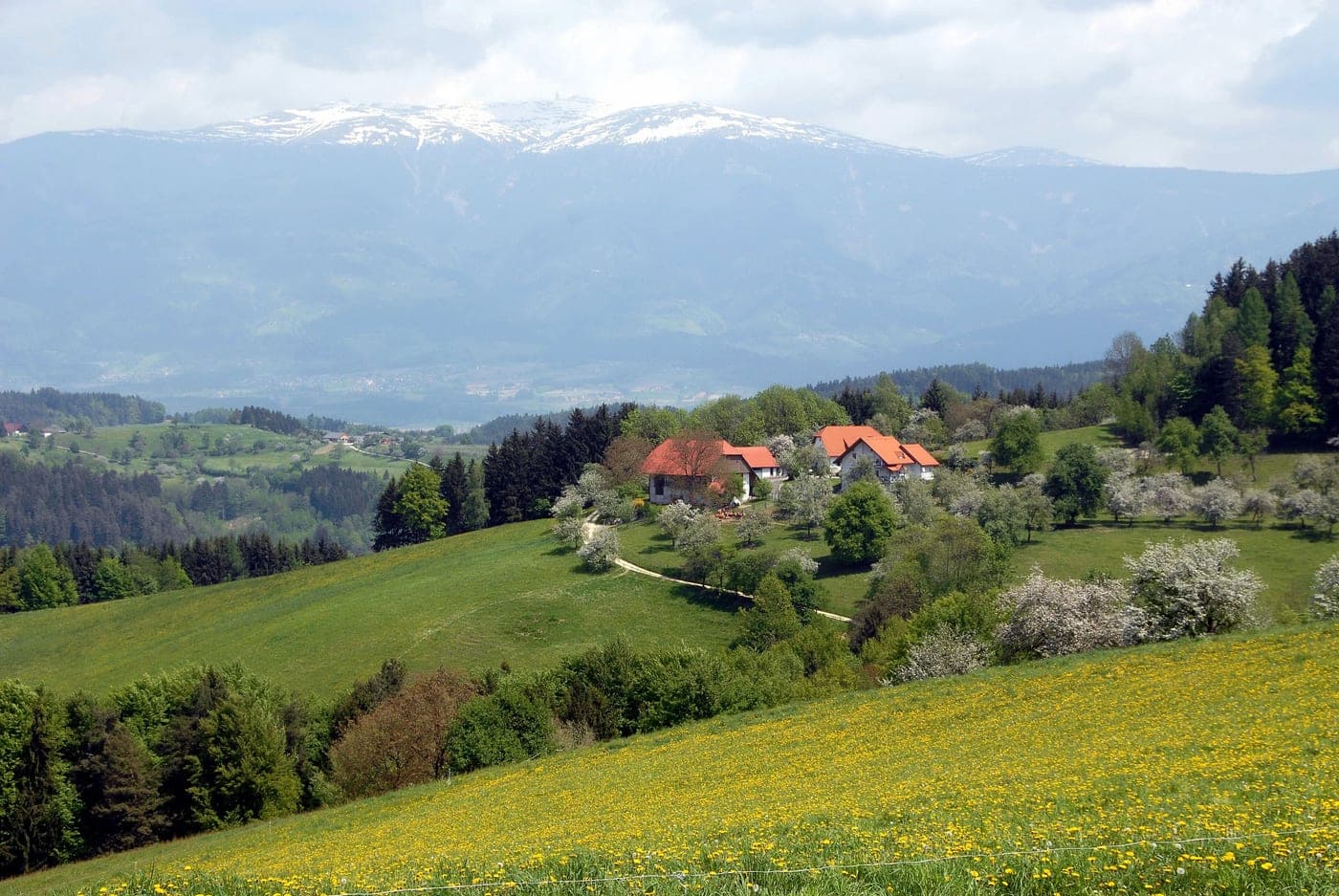
Carinthia, Austria's southernmost region, is renowned for its stunning lakes and mountains. The largest lake, Wörthersee, is famous for its turquoise waters and vibrant summer festivals. Klagenfurt, the capital, features the historic Lindwurm fountain and a beautiful old town. The region boasts rich Slavic heritage, reflected in its cultural events and cuisine, such as hearty stews and local cheeses. Nature enthusiasts will appreciate the Nockberge National Park, offering scenic hiking trails. Carinthia also has a unique blend of Italian and Austrian influences, evident in its architecture and gastronomy, making it a fascinating area for deep exploration.
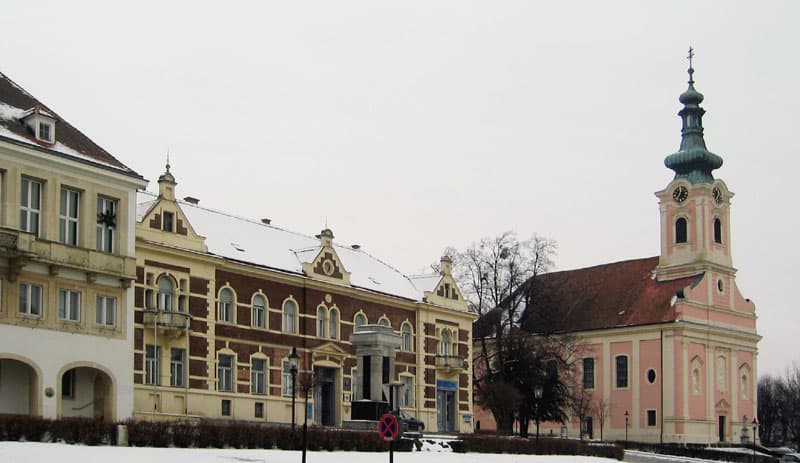
Burgenland is Austria's easternmost region, known for its diverse landscapes and rich cultural heritage. It is home to the historic city of Eisenstadt, where the Haydn Museum showcases the music of composer Joseph Haydn. The region features the unique Neusiedler See, a UNESCO World Heritage site, famous for its wetlands and birdwatching opportunities. Burgenland is also renowned for its wine production, particularly the sweet wines from the vineyards surrounding the charming town of Rust. Explore lesser-known towns like Lutzmannsburg, known for its thermal baths, or the picturesque village of Mönchhof, celebrated for its local crafts and traditional festivals. Outdoor activities such as hiking and cycling trails along the lake enhance the immersive experience in this less-traveled area.
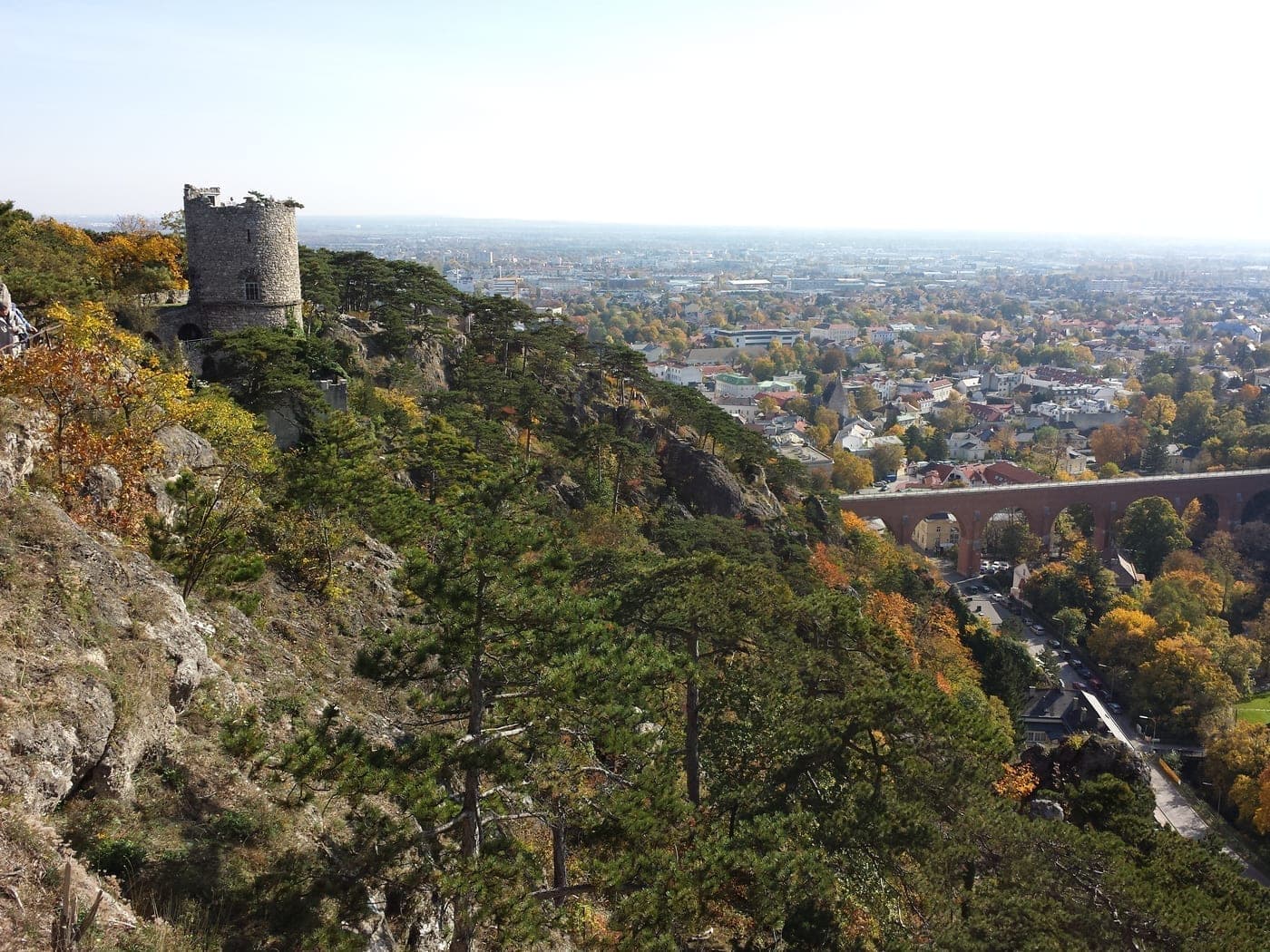
Lower Austria is the largest province in Austria, known for its diverse landscapes that include rolling vineyards, historic towns, and the Danube River. The region boasts notable sites like the picturesque Wachau Valley, famous for its apricot orchards and terraced vineyards. Krems and Dürnstein are charming towns that offer a glimpse into the region's medieval past, while the vibrant city of St. Pölten serves as the provincial capital. Lower Austria is also home to several castles, such as Schloss Grafenegg, and natural parks like the Thayatal National Park, which provide opportunities for hiking and exploring local flora and fauna. This area is rich in wine culture, particularly known for Grüner Veltliner and Riesling varieties, drawing wine enthusiasts to its many wineries. The blend of nature, history, and gastronomy makes the province a fascinating destination for those looking to explore Austria beyond the usual tourist routes.
Få tips om slow travel direkt i din inkorg
Ett kort meddelande när något värt resan dyker upp. Svara STOPP när som helst.
Genom att prenumerera godkänner du att vi kontaktar dig via WhatsApp. IntegritetspolicyBrev då och då i din inkorg — med rekommendationer, kartor och rutter.
Genom att prenumerera på nyhetsbrevet godkänner du vår integritetspolicy.