Rovinj
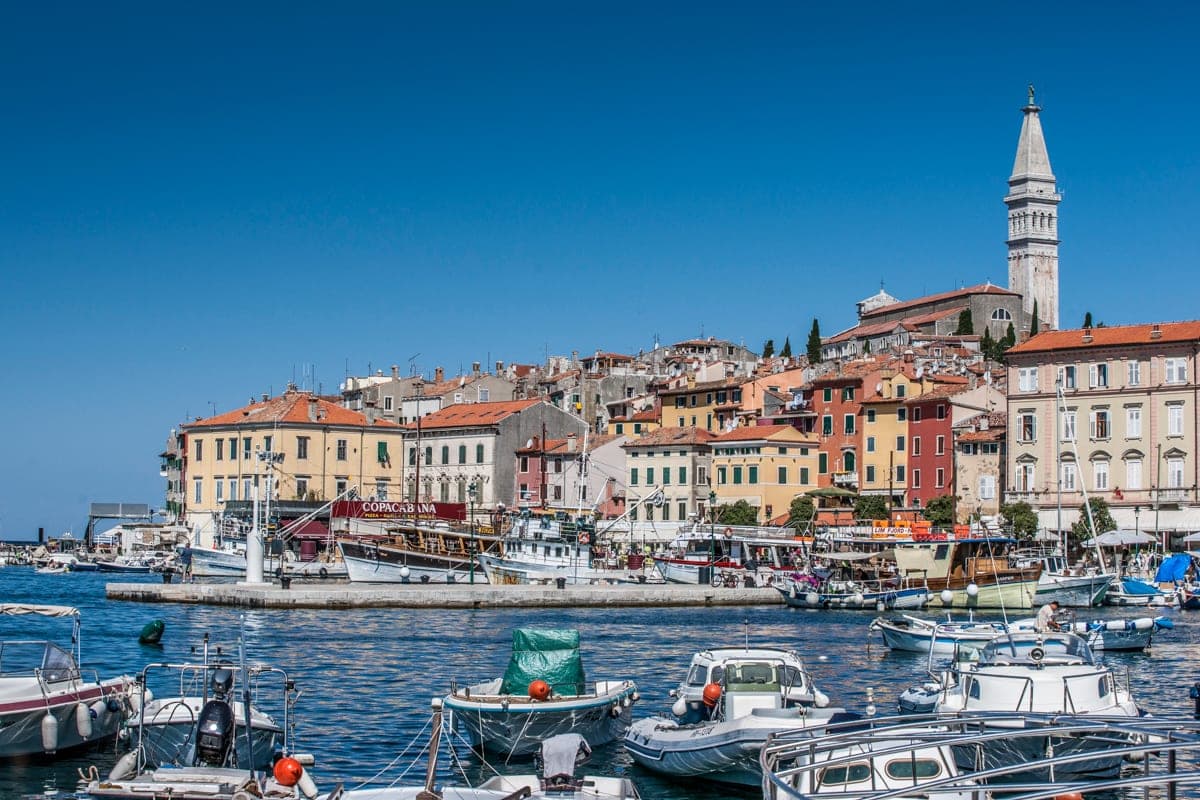
Cărăuș pitoresc din Istria cu port colorat și biserică pe colină, reprezentând esența fermecătoare a vieții mediteranene și a comunităților piscicole tradiționale.
Primește sfaturi de călătorie lentă direct în inbox
Un mesaj scurt când apare ceva care merită drumul. Răspunde STOP oricând.
Prin abonare ești de acord să te contactăm prin WhatsApp. Politica de confidențialitateScrisori ocazionale în inbox — cu recomandări, hărți și trasee.
Abonându-vă la newsletter, sunteți de acord cu politica noastră de confidențialitate.
Rovinj
Cărăuș pitoresc din Istria cu port colorat și biserică pe colină, reprezentând esența fermecătoare a vieții mediteranene și a comunităților piscicole tradiționale.

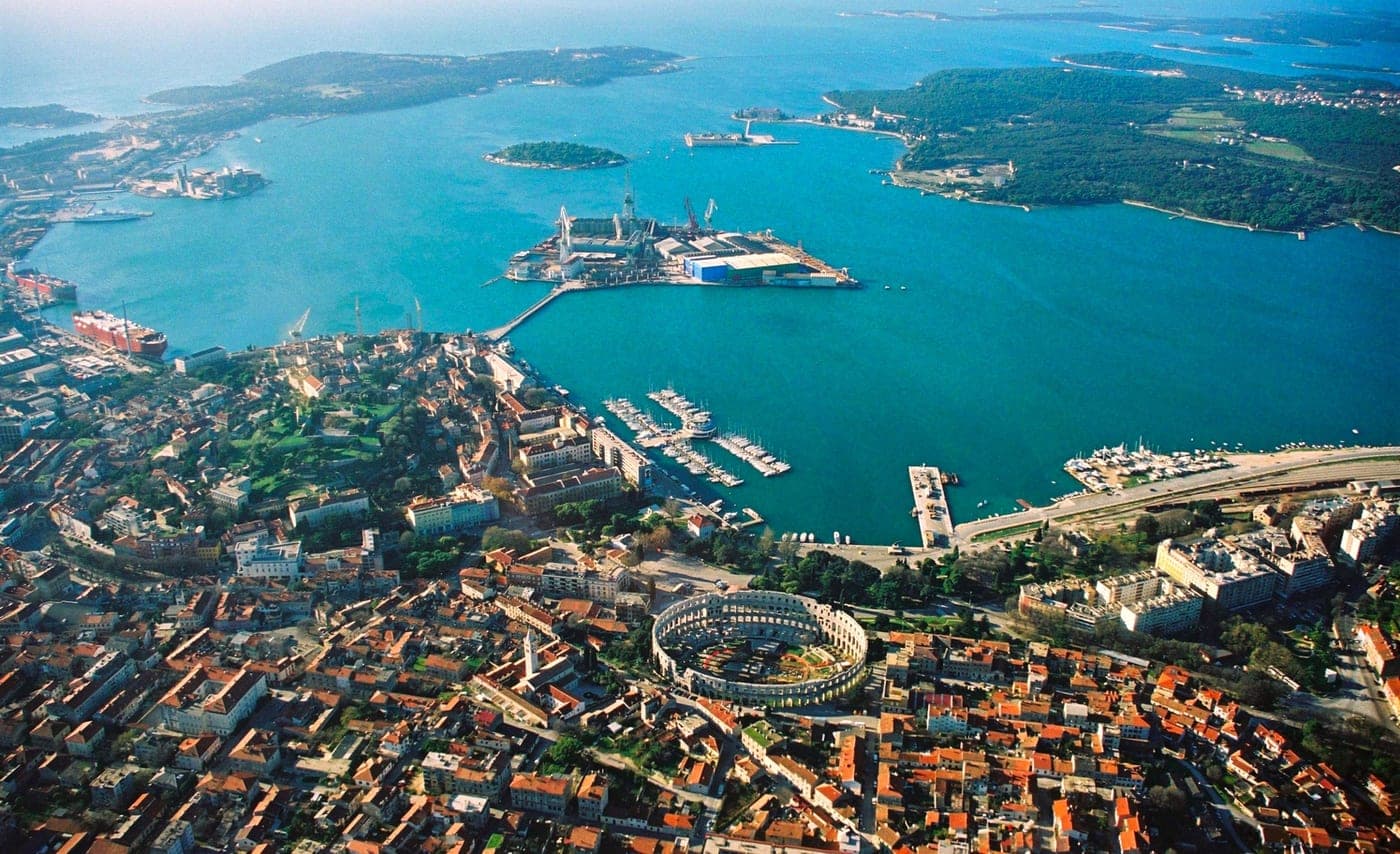
Pula păstrează miraculos amfiteatrul roman, o mărturie vie a Antichității. Această istorie stratificată, portul plin de bărci și plajele Istriei creează o atmosferă de descoperire liniștit a unei Croații mai adinc.

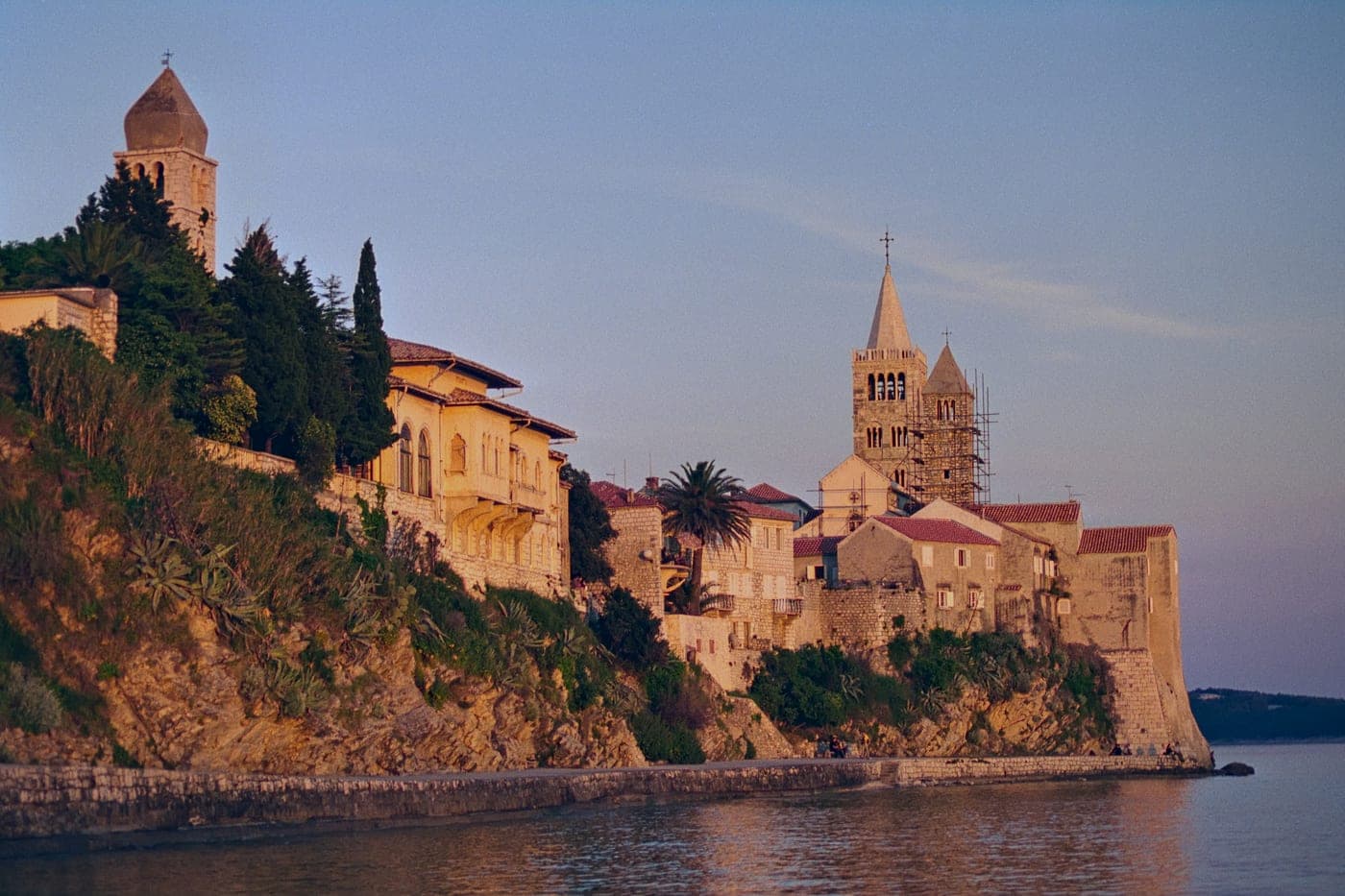
Insula Rab cu cele patru turnuri de clopot ale sale emblematice combină arhitectura medievală cu plaje netulburate. Această perlă adriatică oferă o evadare în care istoria și apa cristalină se întâlnesc lin.

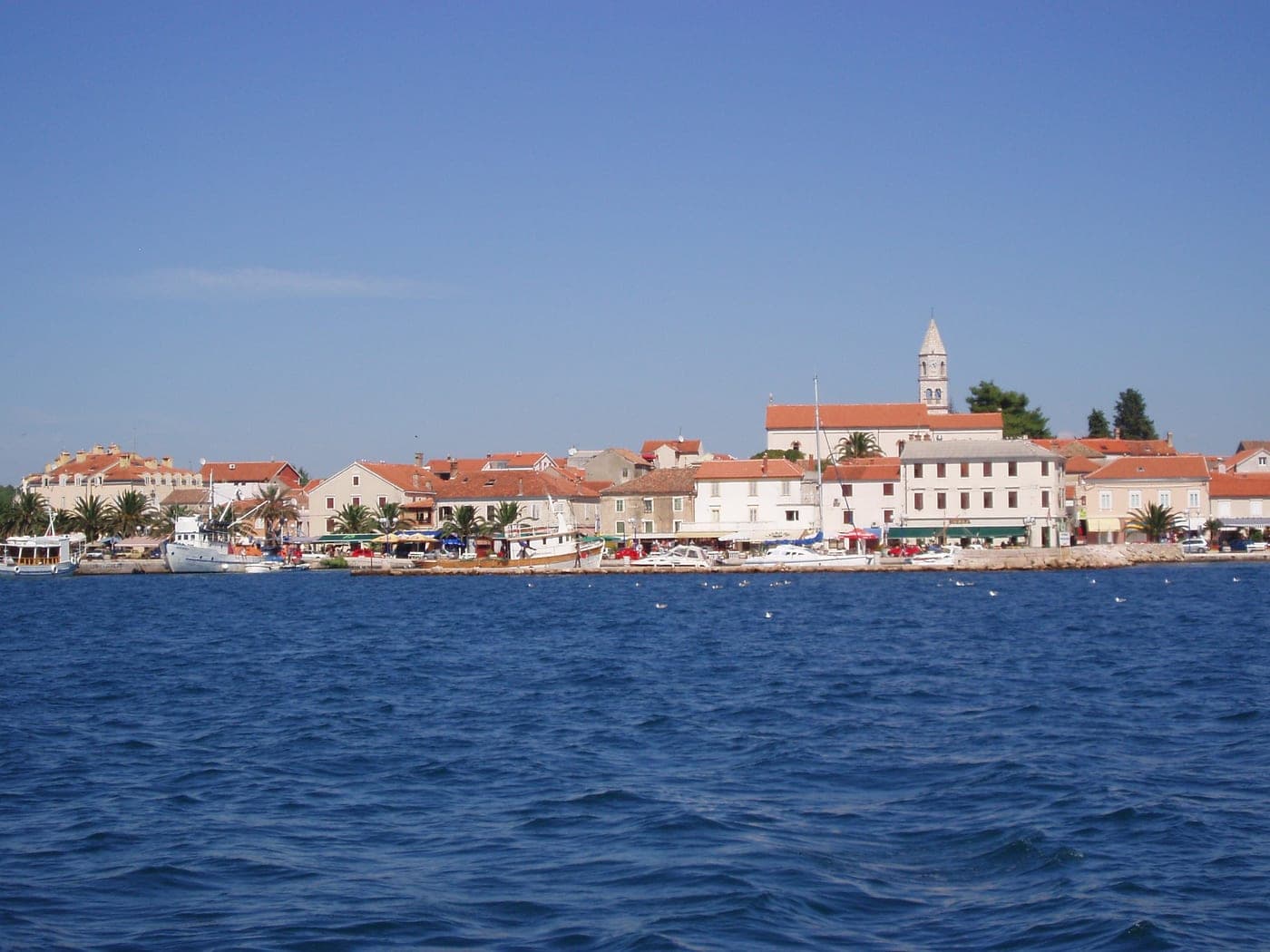
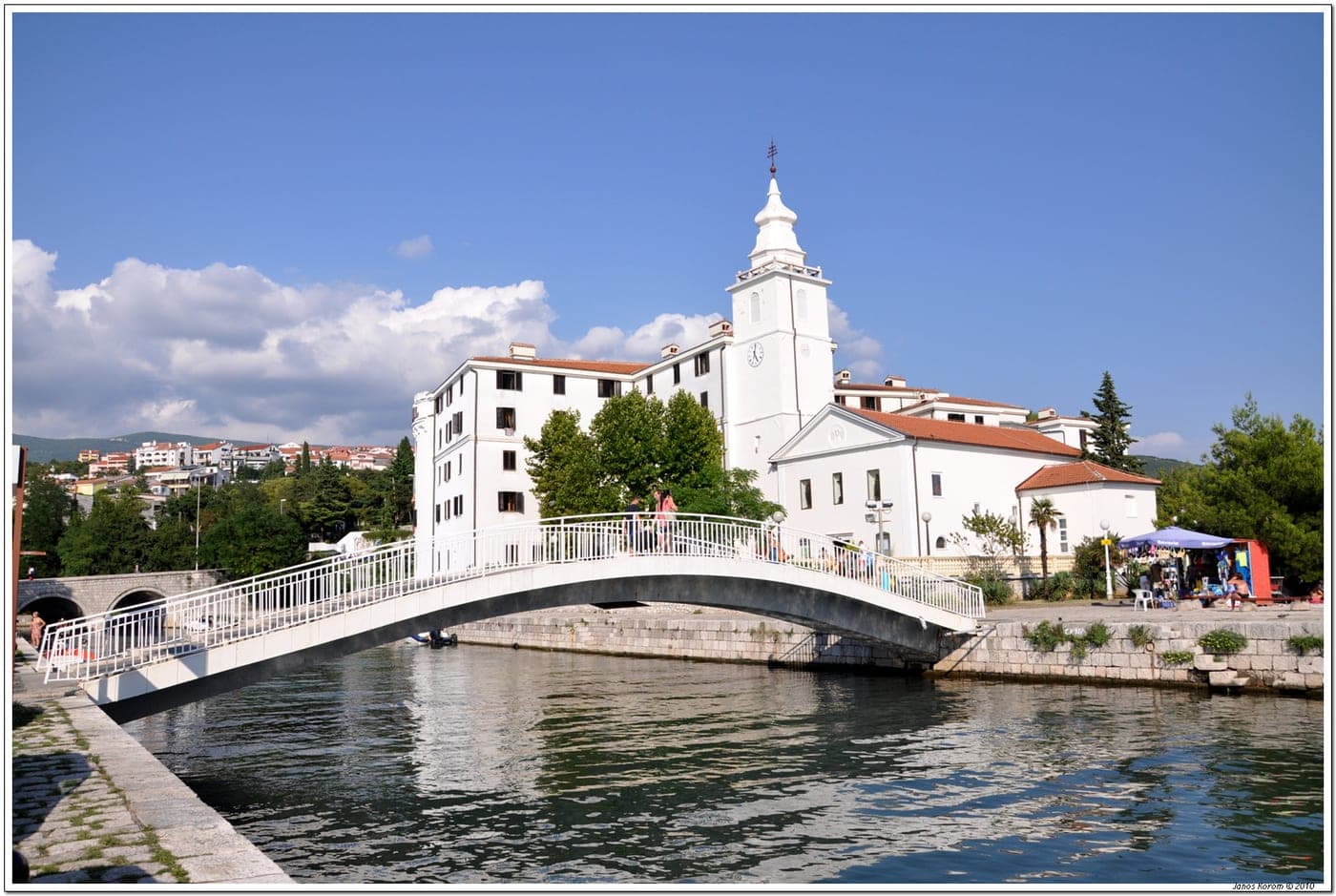
Oraș costier cu port modern și facilități excelente de închiriere ambarcațiuni pentru explorarea Adriaticii.

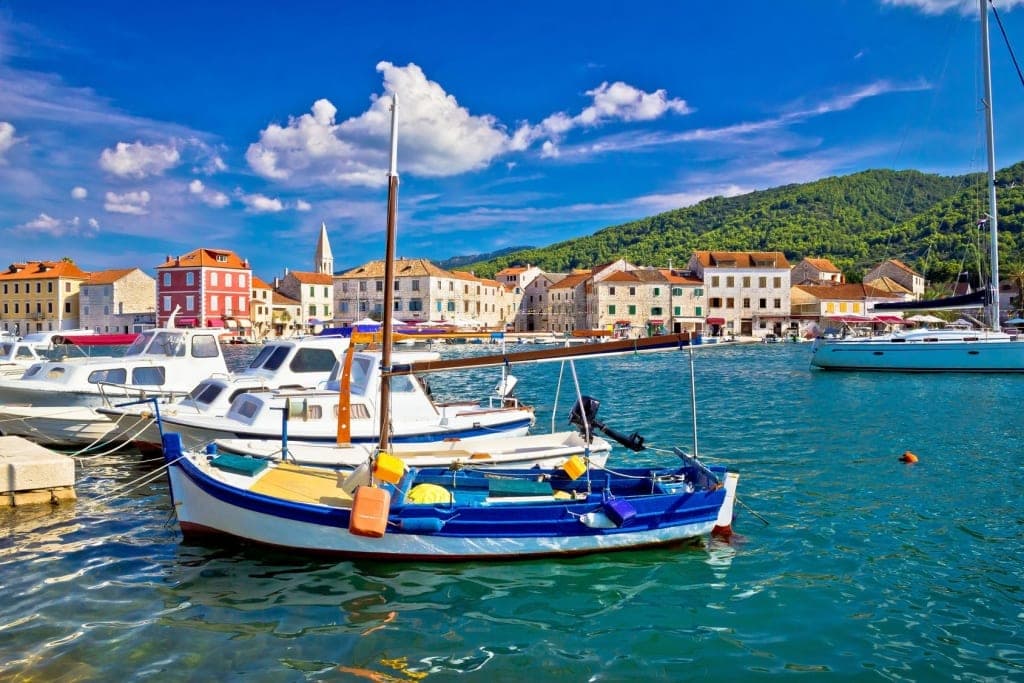
Stari Grad pe insula Hvar păstrează o simplă antică grecească și ovidența unui port istoric. Puntea dintre trecut și prezent se traversează ușor în această localitate UNESCO de o frumusețe liniștit.

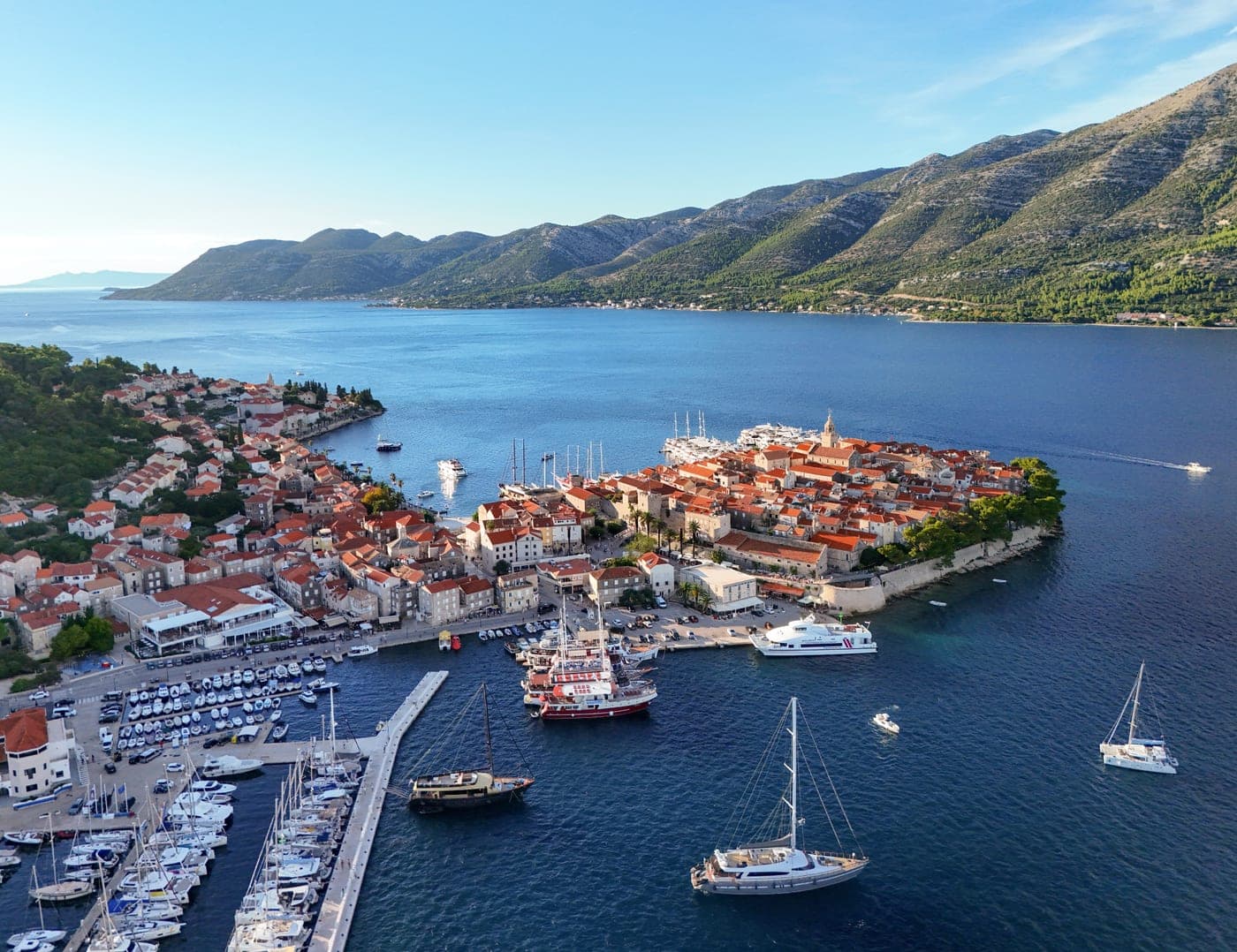
Oraș medieval înmurit pe o insulă, locul de naștere tradițional al lui Marco Polo, cu vii și vestigii venetiene.

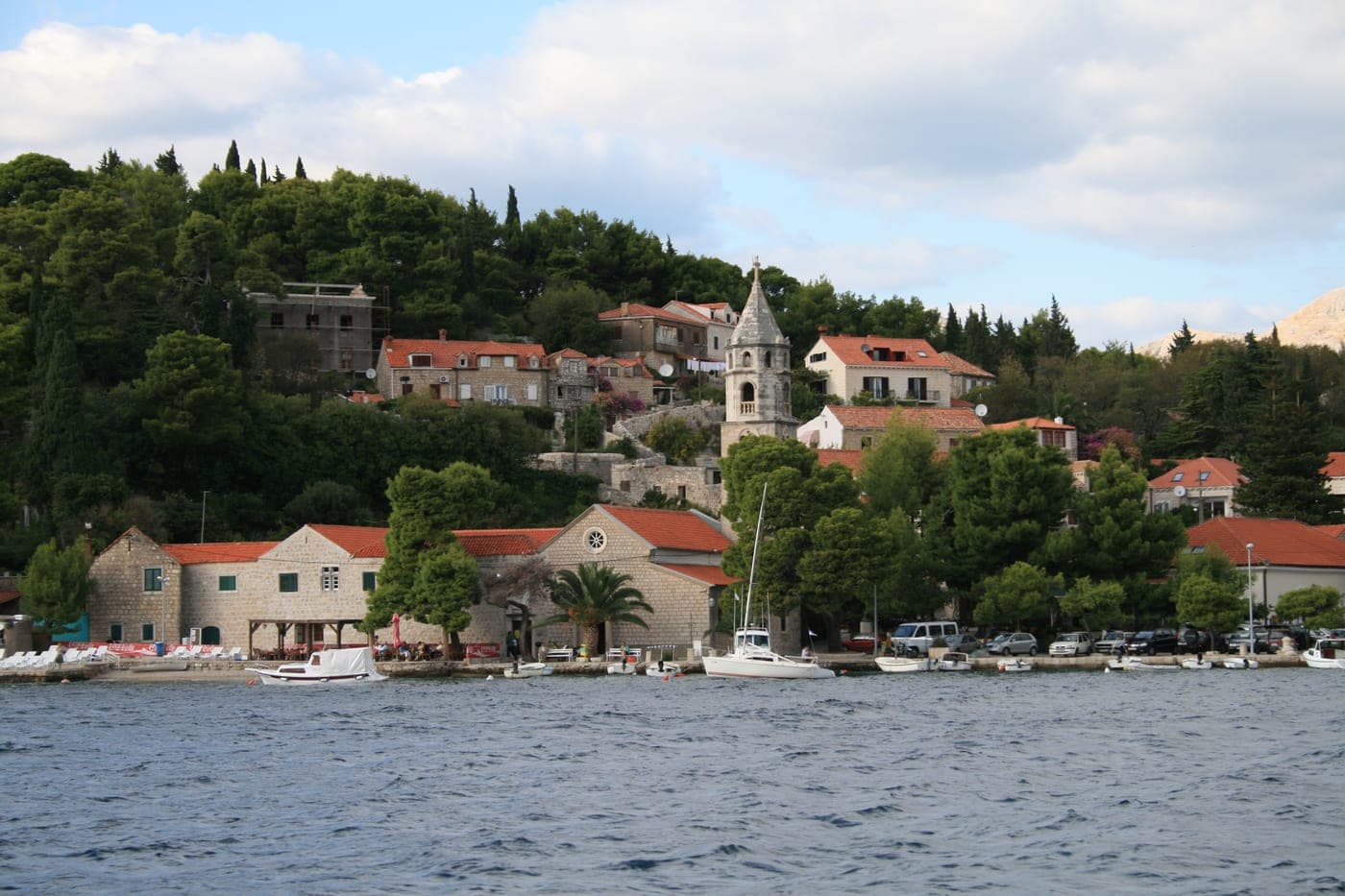
Mic oraș coastanier cu un port pitoresc încadrat de pini și plaje liniștite, aproape de Dubrovnik.
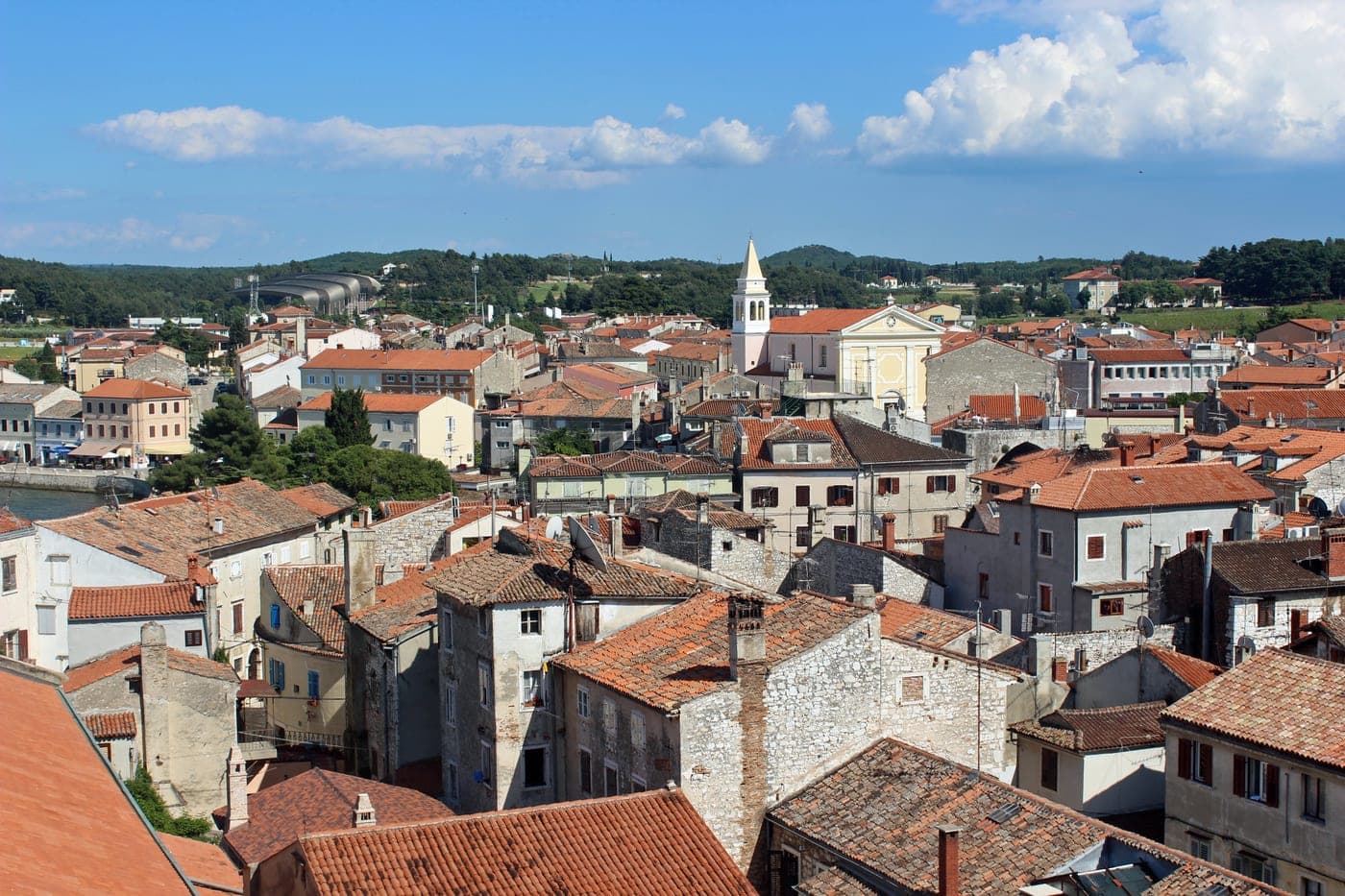
Turnul bisericii Sfânta Euphemia se înalță deasupra portului din Rovinj, unde bărcile tradiționale batana acostează la ecomuzeul.
Amfiteatrul roman din Pula găzduiește concerte de vară, iar templul lui Augustus se află în apropiere, în forum.
Plaja Paradise din Rab se întinde sub zidurile medievale unde festivalurile de vară aduc cavaleri îmbrăcați în costume.
Bărcile mici navighează printre insulele goale de calcar din Kornati, plecând din marina Biograd.

Dubrovnik-Neretva is Croatia's southernmost region, known for its stunning coastline and rich history. The city of Dubrovnik, a UNESCO World Heritage site, is famous for its well-preserved medieval walls and baroque architecture. Nearby, the Neretva River valley offers lush landscapes and unique cultural experiences, particularly in the town of Metković, known for traditional Neretva cuisine and eco-tourism. The region is also home to the Elaphiti Islands, where visitors can explore secluded beaches and local fishing villages. Enjoy local specialties like the white wine from the Pelješac Peninsula and the sweet Neretva mandarin. This region balances cultural heritage with natural beauty, perfect for those seeking deeper connections with their surroundings.

Zadar is a coastal city in Croatia, known for its rich history and stunning architecture. It features Roman ruins, medieval churches, and vibrant street life. The region encompasses several islands, including Ugljan and Pašman, offering secluded beaches and hiking trails. Zadar is home to the unique Sea Organ, an architectural marvel that plays music through the sea waves. The city is the oldest continuously inhabited city on the Croatian mainland, with roots dating back to the Roman Empire. Beyond the city, the nearby National Parks of Krka and Paklenica showcase diverse landscapes, perfect for nature lovers. Zadar's local cuisine highlights fresh seafood and traditional pastries, making it a culinary gem in the region.

Istria is Croatia's largest peninsula, known for its diverse landscape of rolling hills, vineyards, and olive groves. This region features charming towns like Rovinj, famous for its colorful waterfront and Venetian architecture, and Pula, home to one of the best-preserved Roman amphitheaters in the world. The coastal areas provide access to beautiful beaches, while inland, the hilltop villages of Motovun and Grožnjan offer stunning views and rich history. Istria is celebrated for its culinary delights, particularly truffles and local wines like Teran and Malvazija. The region also hosts various cultural festivals, showcasing its vibrant traditions and arts. It's a place where ancient history meets rich gastronomy, ideal for those who wish to explore beyond typical tourist paths.

Nestled along the northern Adriatic, this region is the largest in Croatia by area, featuring a diverse landscape of mountains, islands, and coastal towns. The city of Rijeka serves as a cultural hub, known for its vibrant festivals and rich maritime history, including the Trsat Castle overlooking the city. Opatija, with its historic villas and seaside promenade, offers a glimpse into the 19th-century Austrian Riviera. Nearby, the islands of Cres and Lošinj boast stunning natural parks and traditional fishing villages. Nature lovers can explore the Risnjak National Park, while wine enthusiasts can taste local Vrbnička Žlahtina. This region thrives on its rich cultural tapestry and local gastronomy, emphasizing sustainable practices and authentic experiences that reflect its heritage.

Split-Dalmatia is the largest county in Croatia, known for its stunning coastline along the Adriatic Sea. The city of Split, with its UNESCO-listed Diocletian's Palace, serves as the region's cultural heart. Beyond the city, the county boasts lesser-known gems like the historic town of Trogir, famous for its medieval architecture, and the serene islands of Hvar and Brač, known for their local wines and olive oil. Nature lovers can explore the rugged beauty of the Biokovo Mountain range or the hidden coves along the coast. This region is rich in traditional gastronomy, featuring fresh seafood, local cheeses, and the unique wines of the Dalmatian hinterland. Festivals such as the Split Summer Festival showcase local arts and culture, providing an authentic glimpse into life here.