Lēnā ceļojuma maršruts·🇨🇭 Šveice

GoldenPass līnija: maršruta karte, pieturvie ir labākais laiks

7 dienu panorāmiskā dzelzceļa itinerārs

Ilgums7 dienas
Pieturvietas5 pieturvietas
Labākais laiksNo vēlā pavasara līdz agrajam rudenim — atvērti kalnu dzelzceļi, ezeri peldēšanas temperatūrā
KategorijasPanorāmas vilcieni
Pievienot izlasei
InterlakenInterlaken
Maršruta plāns

Pieturvietas apraksts.

5 pieturvietas05
01Pieturvieta · Sākums
Interlaken
Panorāmas vilcieni·Šveice

Interlaken

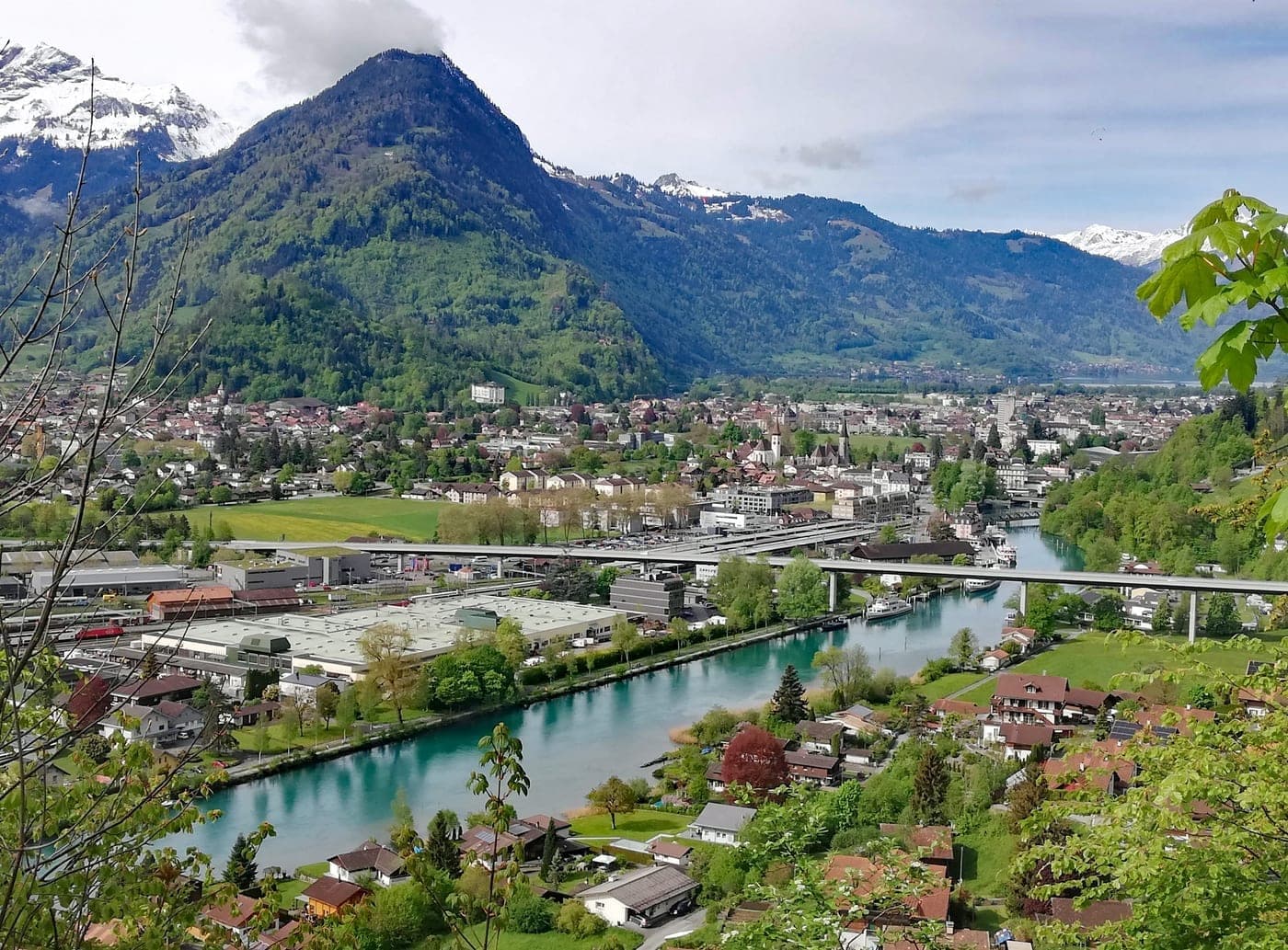
Interlaken ir Alpu kūrorts starp diviem dīķiem ar piekļuvi Jungfrau apgabalam. Šī dzīvā pilsēta ir ideāla kalnu mīļiem ar pieejamiem pārgājienu ceļiem un spektakulāriem skatiem. Skatieties uz sniegotajiem virsotnēm un piedalieties kalnu aktivitātēs.

⌬Belle Époque kūrorta mantojums⌬kalnu dzelzceļa pieeja⌬Hiking
02Pieturvieta · Viduspunkts
Spiez
Panorāmas vilcieni·Šveice

Spiez

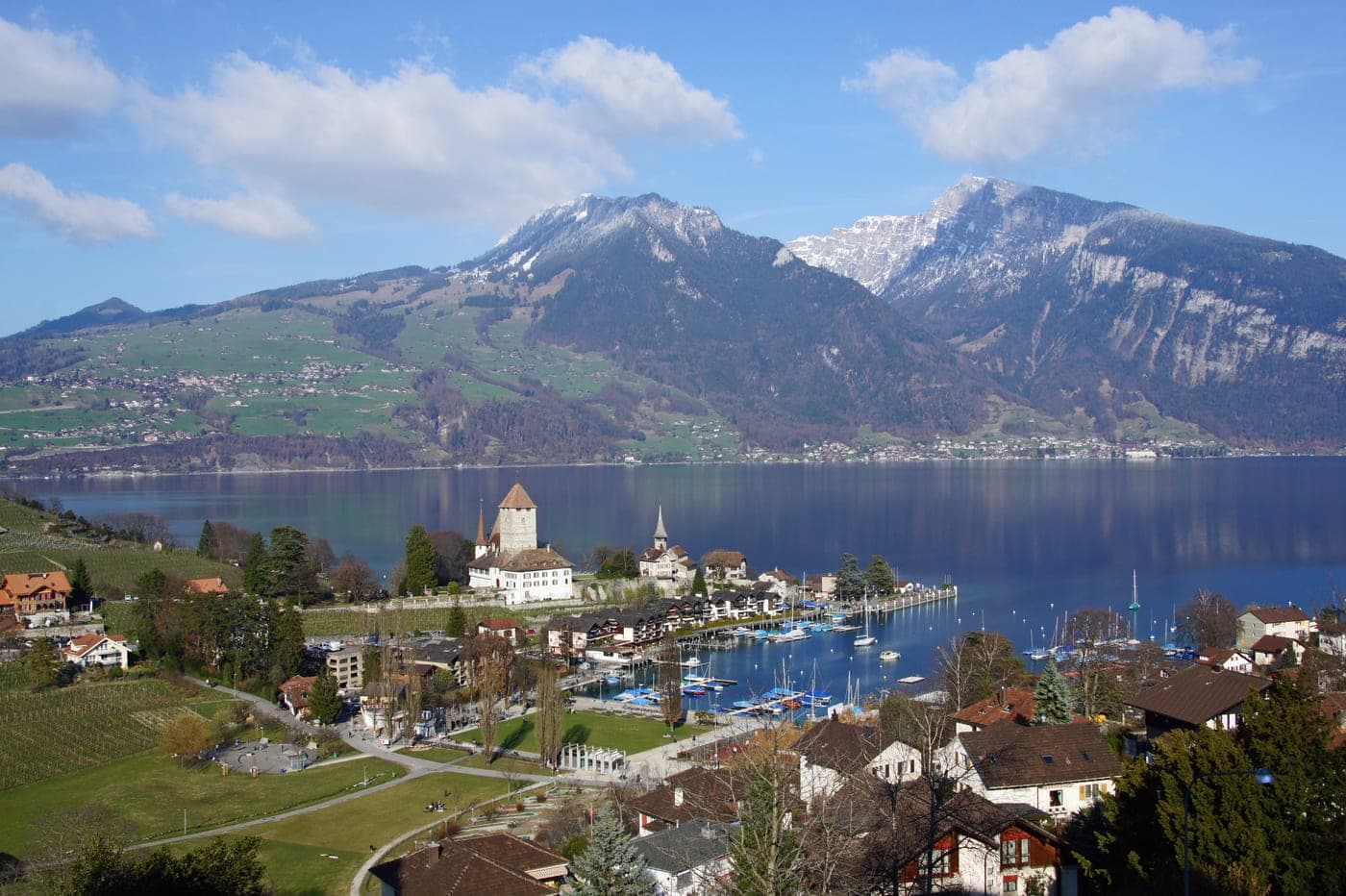
Gleznaina ezera pilsēta ar vilinošu pili un vīņogiem, kur lēnā ceļošana atklāj jaunas perspektīvas.

⌬Tūnes ezers⌬Pils⌬Vīna dārzu terases⌬Hiking
03Pieturvieta · Viduspunkts
Zweisimmen
Panorāmas vilcieni·Šveice

Zweisimmen

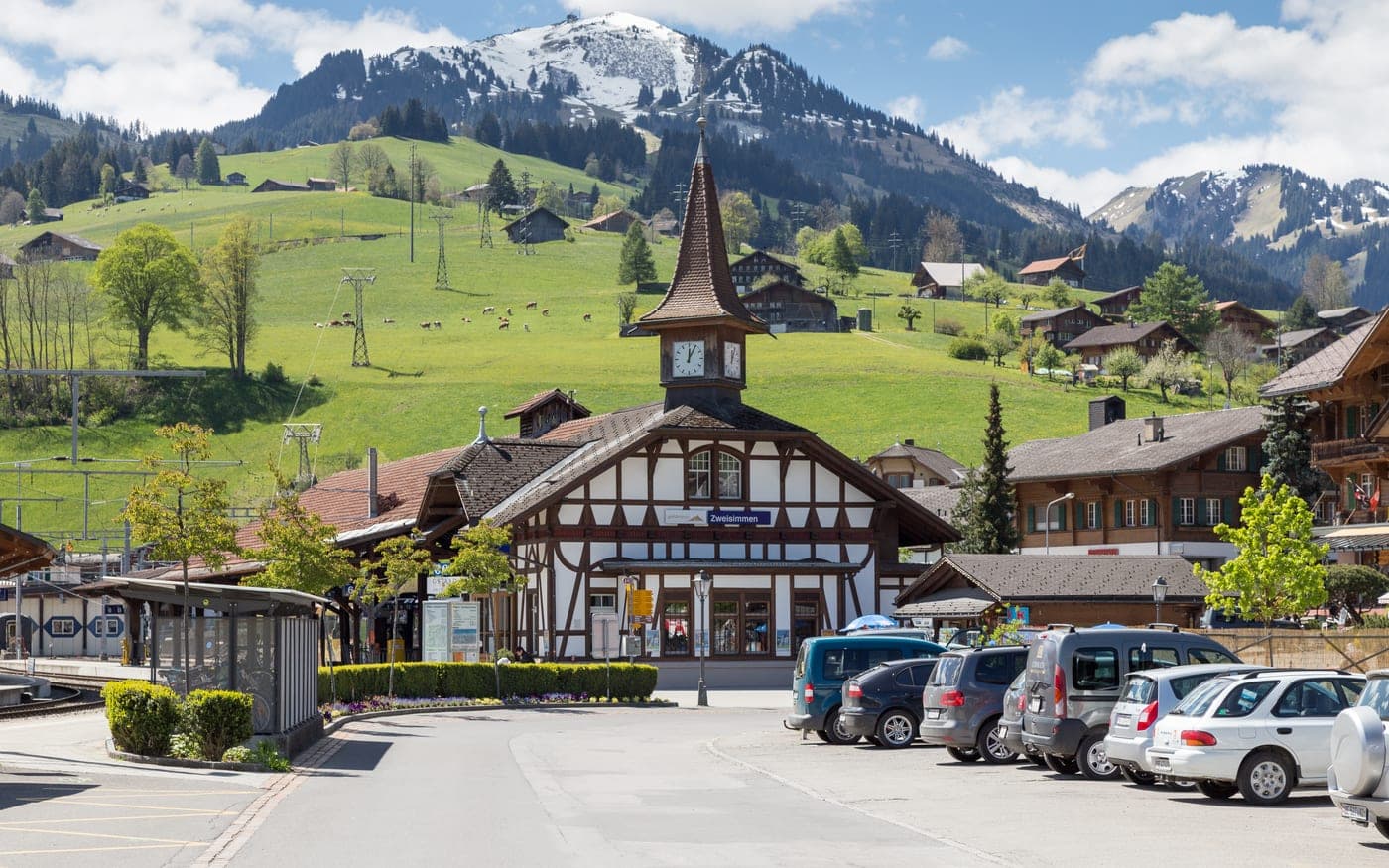
Romantisks kalnu ciems, pazīstams ar tradicionāliem Šveices šķūņiem un pārgājienu takām.

⌬Dzelzceļa mezgls⌬kalnaina kurorta vieta⌬Hiking
04Pieturvieta · Viduspunkts
Gstaad
Panorāmas vilcieni·Šveice

Gstaad

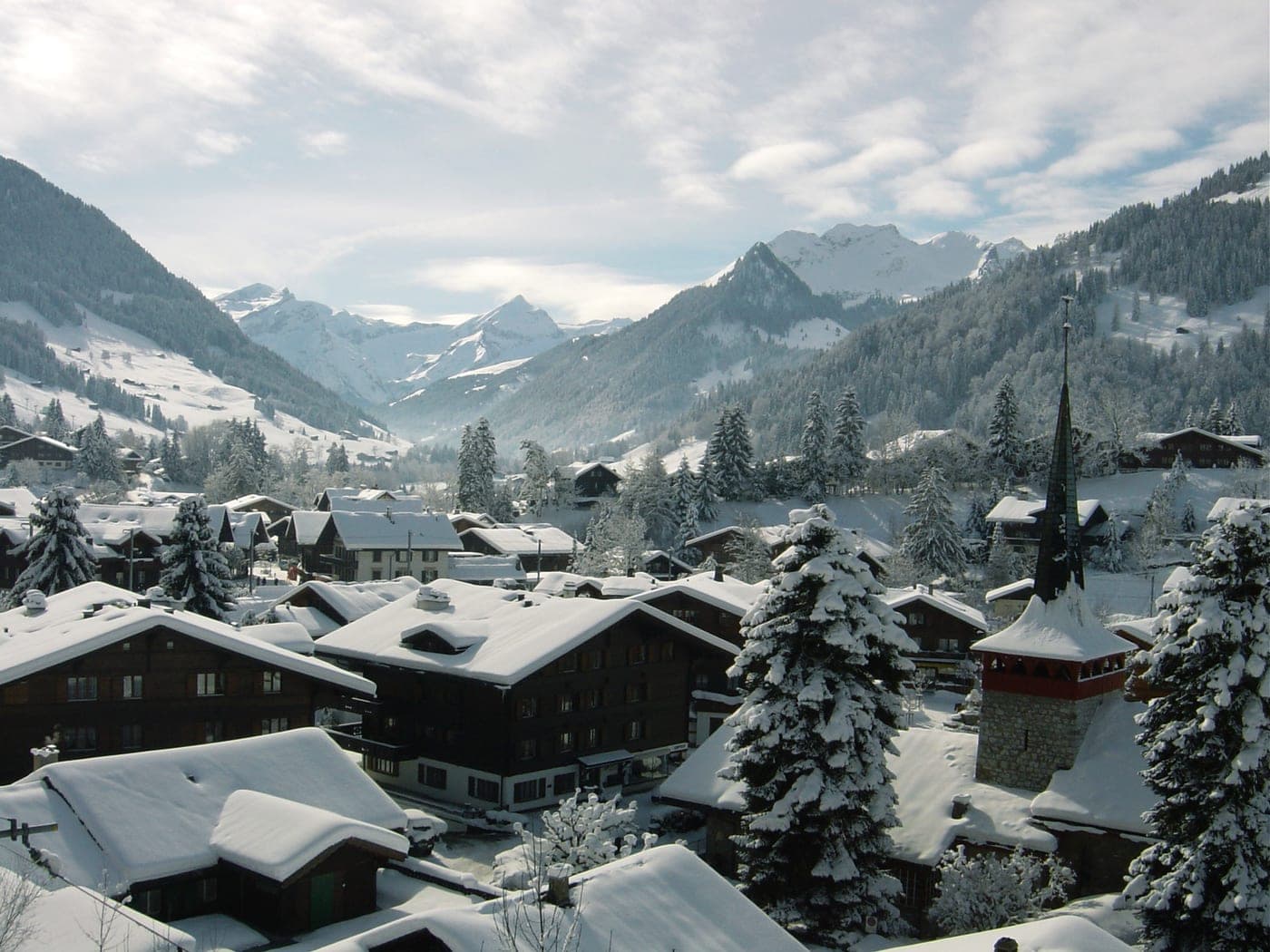
Pievilcīga Alpu ciematiņa ar luksusa šalēm un aizraujošiem kalnu skatiņiem.

⌬Luksusa kūrorts⌬šaletes arhitektūra⌬ziemas sports⌬Hiking
05Pieturvieta · Beigas
Montbovon
Panorāmas vilcieni·Šveice

Montbovon

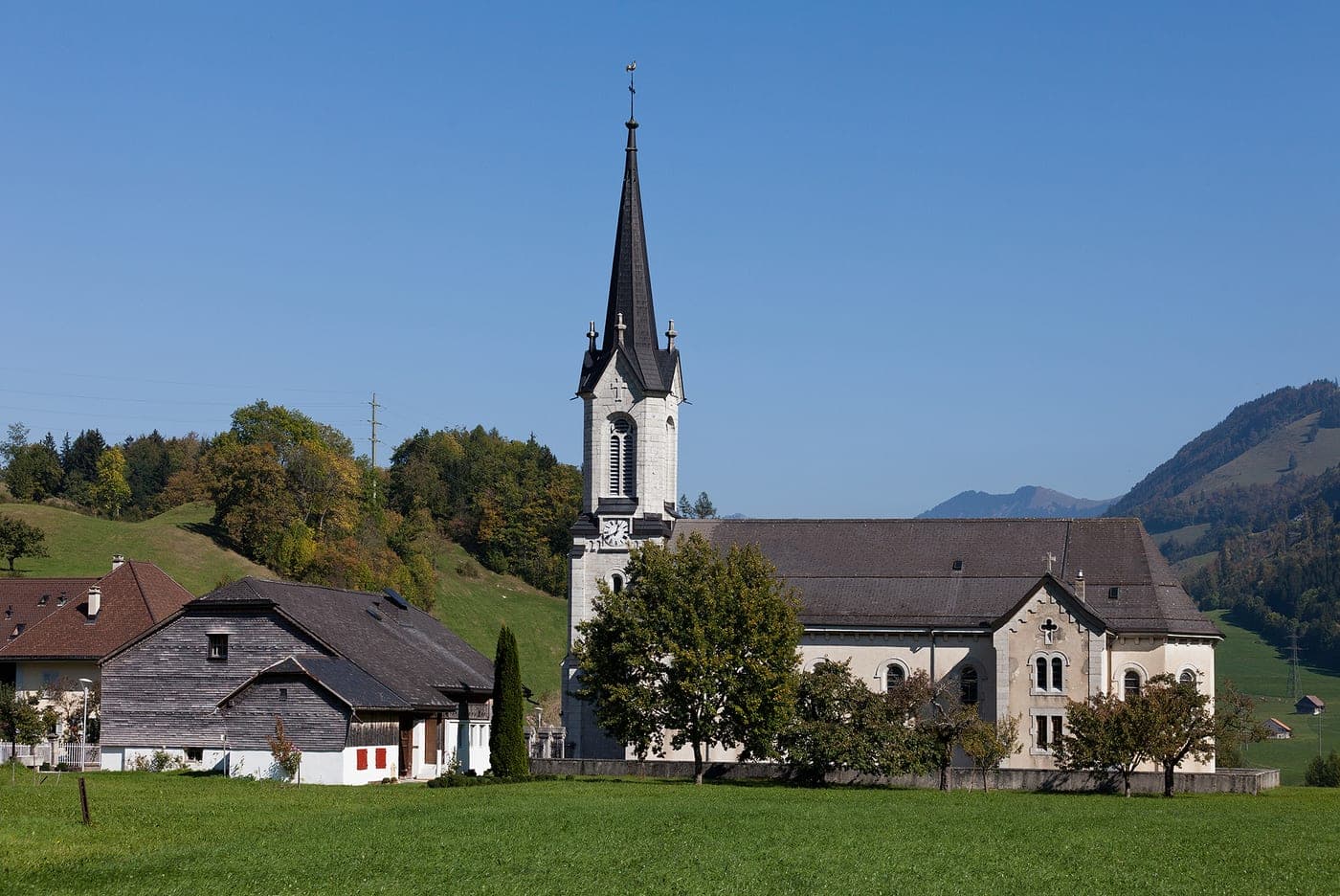
Kalnu ciemats, kur satiekas Zeltā Pāreja un Šokolādes vilciens.

⌬Golden Pass un šokolādes vilciena krustojums⌬mierīga kalnu ieleja⌬tradicionālais Grujēres reģiona raksturs⌬maļesks dzelzceļa novietojums
Maršruta forma

Maršruta karte.

5 pieturvietas · 4 posmi
Kāpēc šis maršruts

Šīs maršruta highlights.

01

Interlakena starp diviem ezeriem un piekļuve Jungfrau

Pilsēta atrodas starp Thunersee un Brienzersee, tuvumā atiešot Jungfrau vilcieniem.

02

Špīcas pils virs vīna dārzu krasta

Viduslaiku pils pārrauga terašu vīnogulājus, kas nolaižas uz ezeru.

03

Zimmentāles šaletes un alpu pļavu pastaigas pie Cveizimmenas

Tradicionālās koka mājas klāj zaļās Simmental ielejas zem alpu virsotnēm.

04

Zānenlandes ciemati un kalnu takas ap Gstādu

Koka mājas pulcējas augstās ielejās, kur pārgājienu takas šķērso vasaras ganības.

Rezervējiet savu pieredzi

Kas tiešām ir pieejams jums.

5 pieturas
01.InterlakenŠveice
GoldenPass Express
Panorāmas vilcieni
Hiking trails
Pārgājieni
02.SpiezŠveice
GoldenPass Express
Panorāmas vilcieni
Hiking trails
Pārgājieni
03.ZweisimmenŠveice
GoldenPass Express
Panorāmas vilcieni
Hiking trails
Pārgājieni
04.GstaadŠveice
GoldenPass Express
Panorāmas vilcieni
Hiking trails
Pārgājieni
05.MontbovonŠveice
GoldenPass Express
Panorāmas vilcieni
Hiking trails
Pārgājieni
Soli atpakaļ

Reģioni šajā maršrutā.

2 reģioni
Bern
Switzerland13 galamērķi

Bern

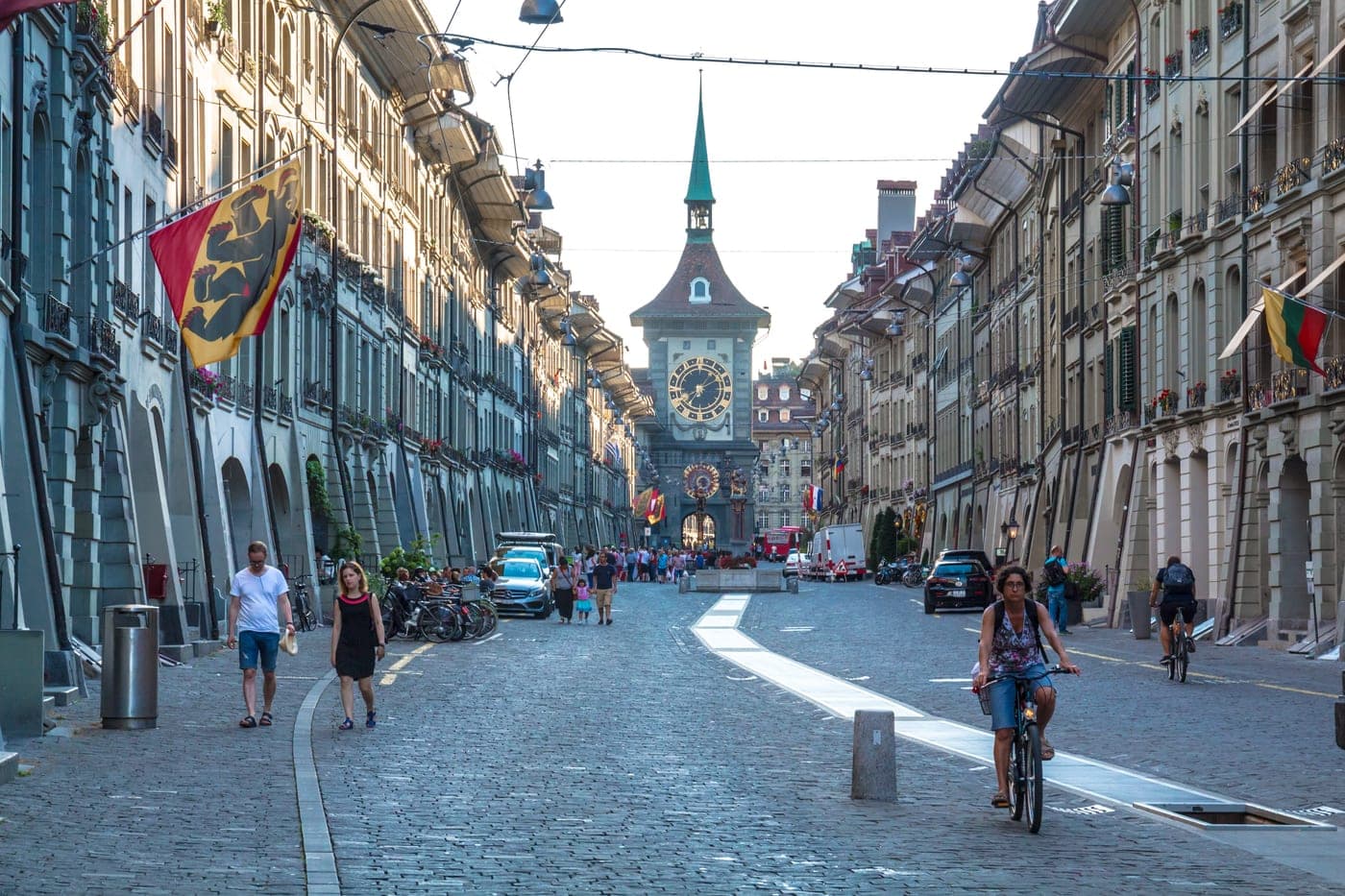
Bern is the capital of Switzerland, known for its well-preserved medieval architecture and unique UNESCO World Heritage site status. The old town features the iconic Zytglogge clock tower and the Federal Palace, showcasing the city’s political significance. Beyond Bern, the Emmental region is famous for its rolling hills and the production of Emmental cheese, with local farms offering tasting experiences. The Aare River provides opportunities for nature walks and swimming in summer. Nearby, the picturesque town of Thun offers stunning views of Lake Thun and the Alps. The region is less frequented by tourists, allowing for a deeper connection with Swiss culture and traditions.

Kemperu nomaPārgājieniPanorāmas vilcieniLaivu noma
Fribourg
Switzerland3 galamērķi

Fribourg

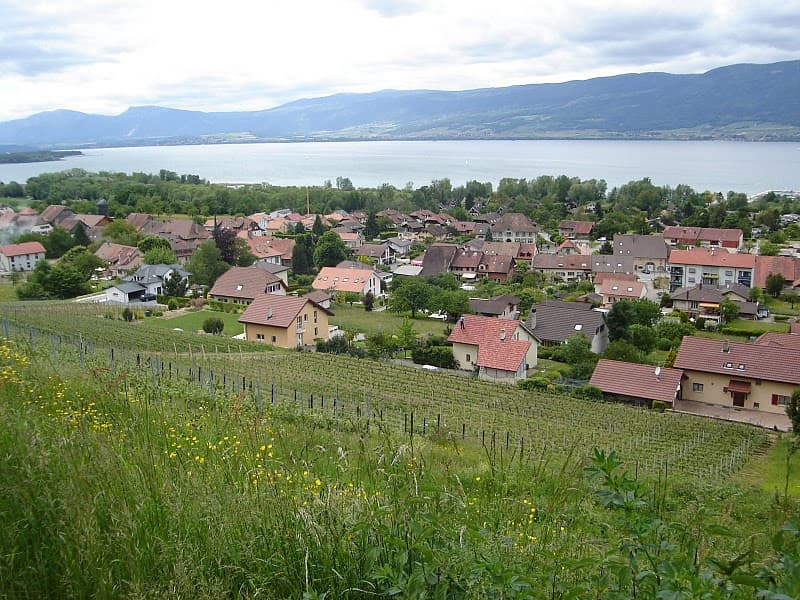
Fribourg is a Swiss region built for a slower pace. It sits between the French- and German-speaking parts of the country, and that mix still shapes daily life here — road signs change language partway through the canton, and the same cheese is sold under two names at the same market stall. The regional capital, also named Fribourg, sits on a sandstone hill above a bend in the Sarine river. Its old town is one of the larger medieval centres in Switzerland, with covered wooden bridges, a Gothic cathedral, and streets so steep that some are built as steps rather than roads. From the ramparts, the river loops below and the rest of the canton spreads out towards the hills. South of the city, the land softens into rolling dairy country. This is Gruyère territory, named after both the cheese and the small walled town of Gruyères that still gives it its name. Around Gruyères and the nearby town of Bulle, farms and mountain huts still make cheese by hand through the summer months, when herds move up to the high pastures. Several dairies open their doors to visitors watching a wheel of Gruyère being pressed and salted, a process that has changed very little over generations. The landscape rises further south into pre-alpine terrain: green terraces, scattered timber barns, and villages built from wood that has weathered dark over centuries. Walking paths here follow old cattle tracks between pasture and forest, gentle enough for an unhurried afternoon rather than a full day's climb. In autumn, cattle are led back down from the alpine pastures in a tradition still marked with flowers, bells, and a village gathering — one of the few moments when the summer's quiet farm work becomes a public event. To the north and west, the canton reaches Lake Neuchâtel and Lake Murten. Murten itself is a walled medieval town on the water, small enough to circle on foot within the hour, with a lakeside promenade that fills with café tables in summer. In warmer months, passenger boats cross the lake to nearby towns, a pleasant way to spend an afternoon without hurrying. One of the quieter pleasures of the region is its local railway, which climbs from the lowland towns into the hills in short, unhurried stages, following the river through farmland before a hilltop town's towers come into view above the tracks. These are working regional trains rather than tourist rides, and that is much of their charm — riders share the carriage with people going to market or coming home from the fields. Food shapes much of what there is to do here. Beyond cheese, the region is known for its double cream, for meringues eaten with that cream, and for a dried, air-cured meat found across French-speaking Switzerland. Village markets, especially in Bulle and Fribourg itself, are where these products change hands directly between maker and buyer, often with a taste offered first. A comfortable way to see Fribourg is over three to five days: a day or two in the old town and along the Sarine, a day around Gruyères and its cheese dairies, and a day or two further into the hills or out to Murten and the lake. Trying to fit it into a single day usually means choosing between the city and the countryside, and both reward more time than that. What makes the region worth this pace is less any single sight than how its parts connect — a cathedral town, a cheese-making valley, alpine pastures, and a lakeside village, all within a canton small enough to move between slowly and still see plenty. Fribourg does not have the scale of the Bernese Oberland or the fame of Lake Geneva, but it holds a quieter version of the same Swiss countryside, with fewer crowds and more time to notice the details: the smell of a cheese cellar, a wooden bridge underfoot, the particular green of a pasture after rain.

Laivu nomaPārgājieniPanorāmas vilcieni
Palieciet iedvesmoti

Saņemiet lēnas ceļošanas padomus savā e-pastā

WhatsApp

Īsa ziņa, kad parādās kaut kas, kura dēļ vērts ceļot. Atbildi STOP, kad vēlies.

Pierakstoties piekrīti, ka sazināsimies ar tevi pa WhatsApp. Privātuma politika
vai

Pa e-pastu

Reizēm vēstules tavā pastkastē — ar ieteikumiem, kartēm un maršrutiem.

Piesakoties jaunumiem, jūs piekrītat mūsu privātuma politikai.