01Pieturvieta · Sākums
Laivu noma·Horvātija
Rovinj
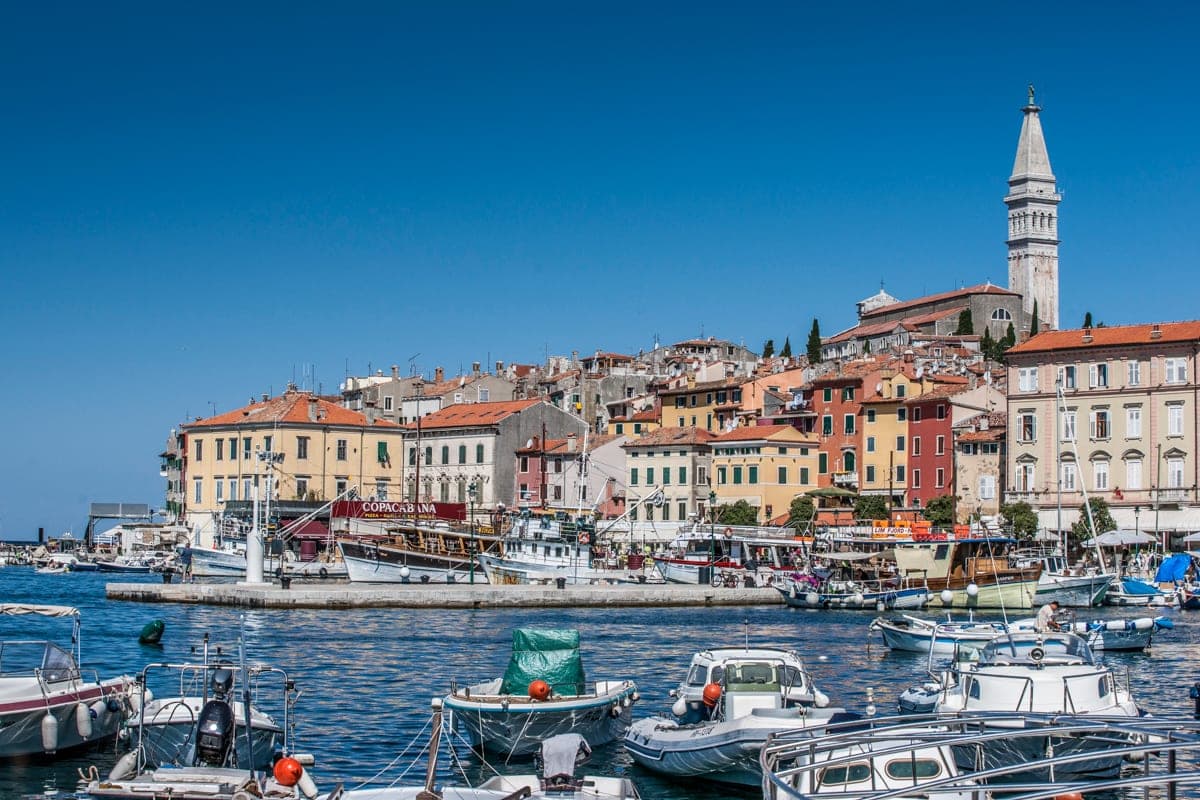
Burvīga Istrijas zvejnieku pilsēta Rovinj ar krāsainiem ostas namiem un baznīcu kalnu virsotnē.
⌬Venēcijas arhitektūra⌬Piekrastes skati⌬Laivu noma⌬Jūras veltes
RovinjBurvīga Istrijas zvejnieku pilsēta Rovinj ar krāsainiem ostas namiem un baznīcu kalnu virsotnē.
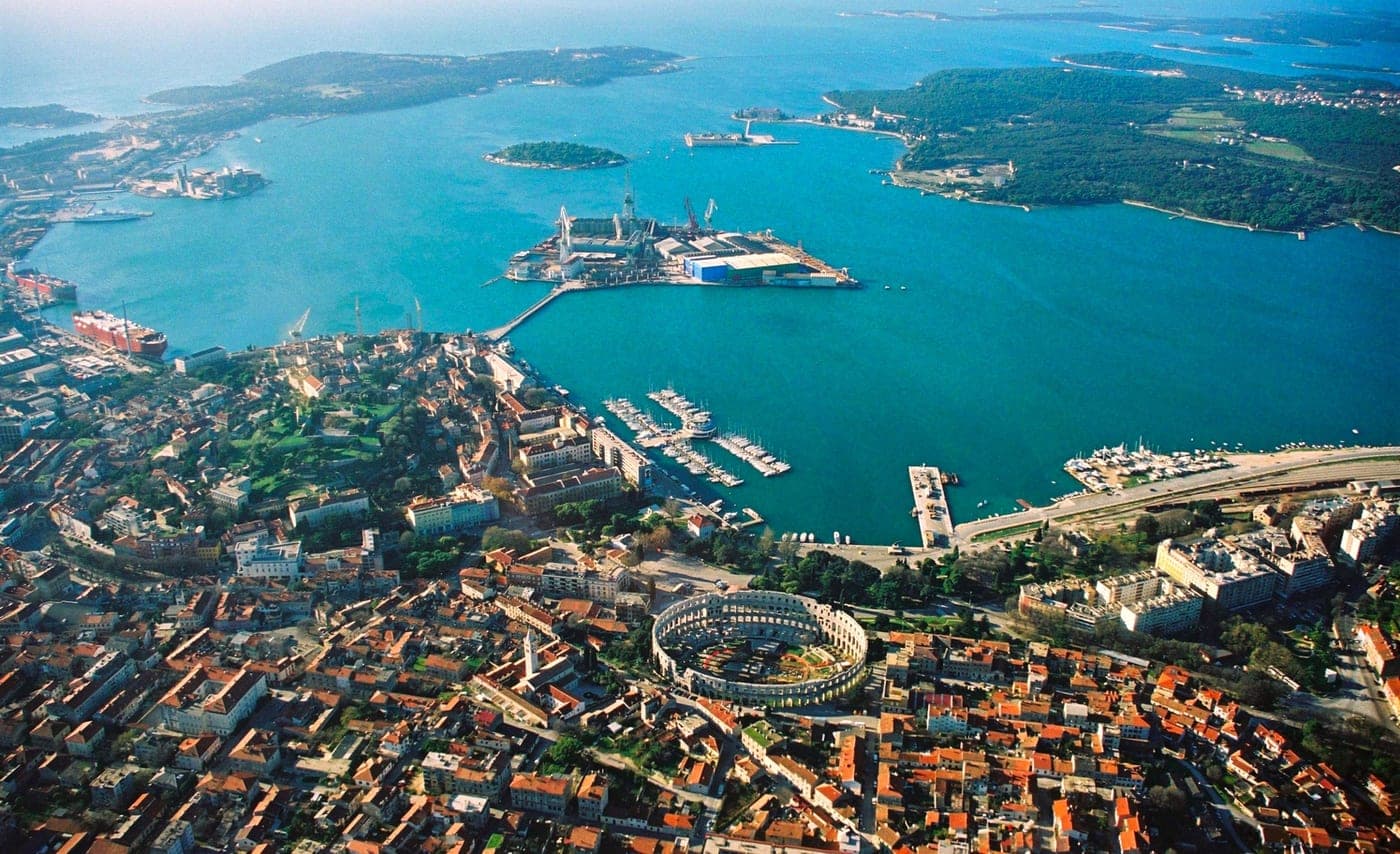
Sena Istras pilsēta ar labi saglabātu Romas amfiteātri un ostu.
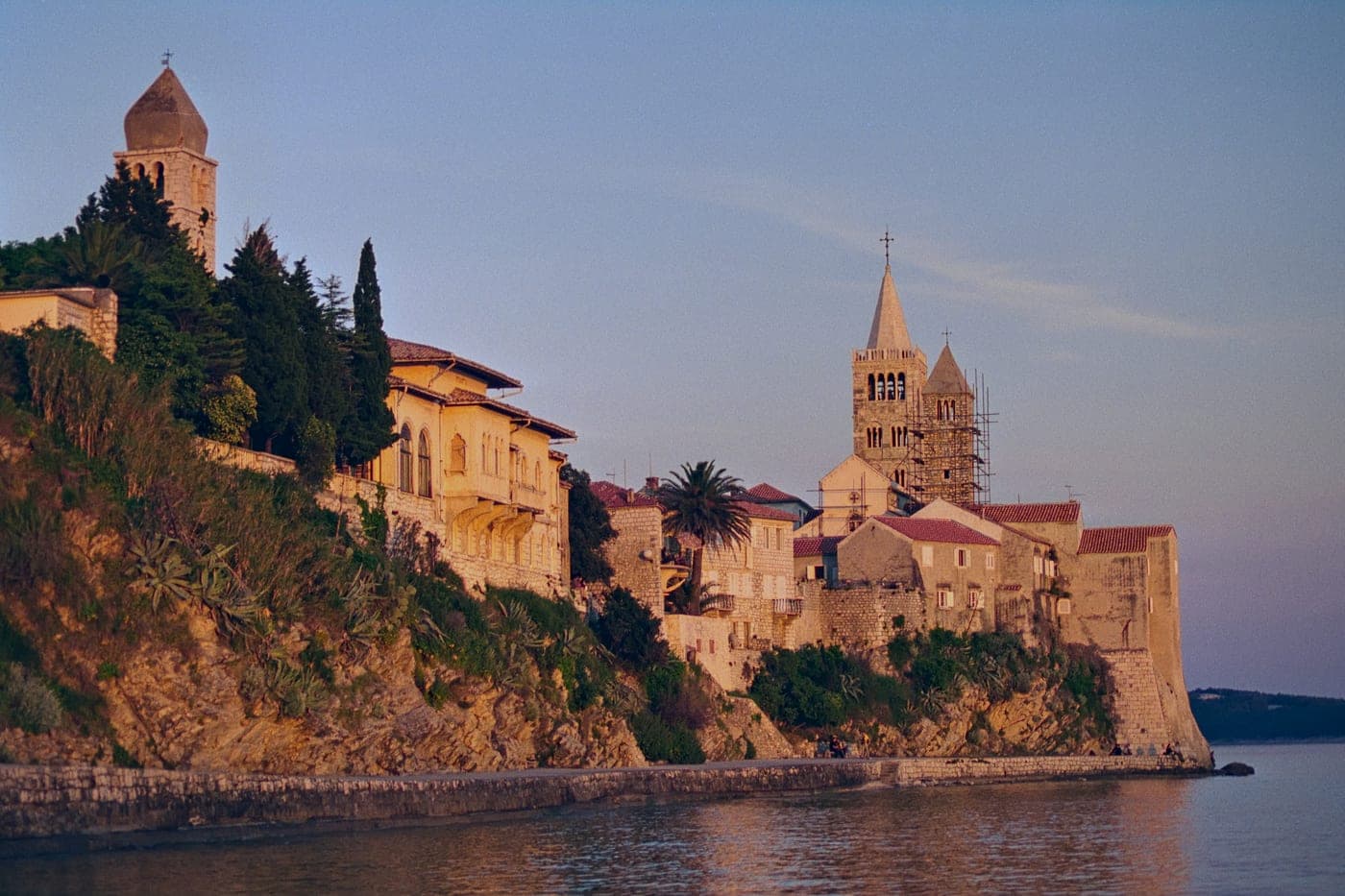
Viduslaiku salas pilsēta ar četriem zvanu torņiem un smilšu pludmalēm.
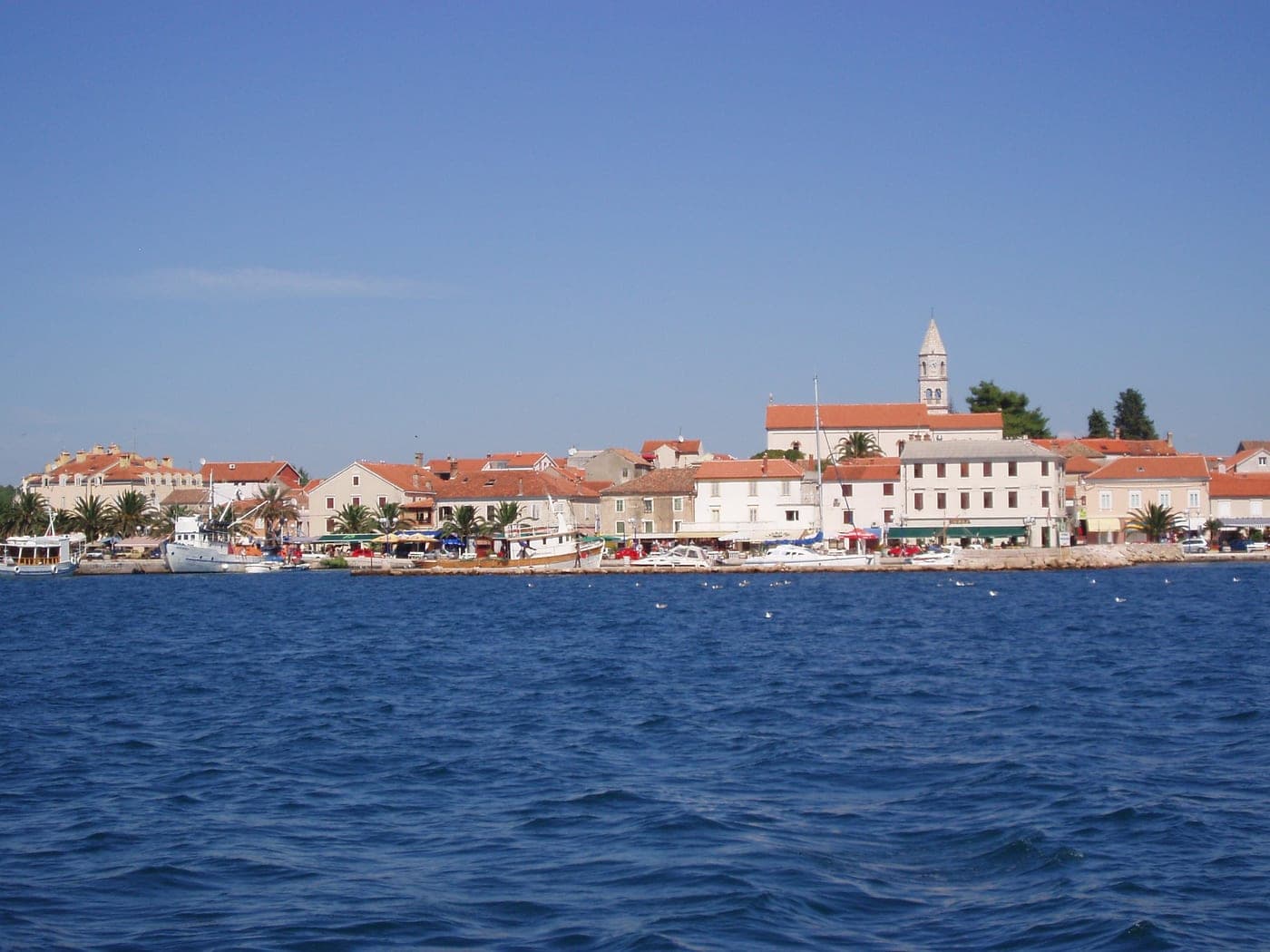
Piekrastē pilsēta ar lielu mariņu un izciliem laivas nomas pakalpojumiem Adrijas jūras pētniecībai.
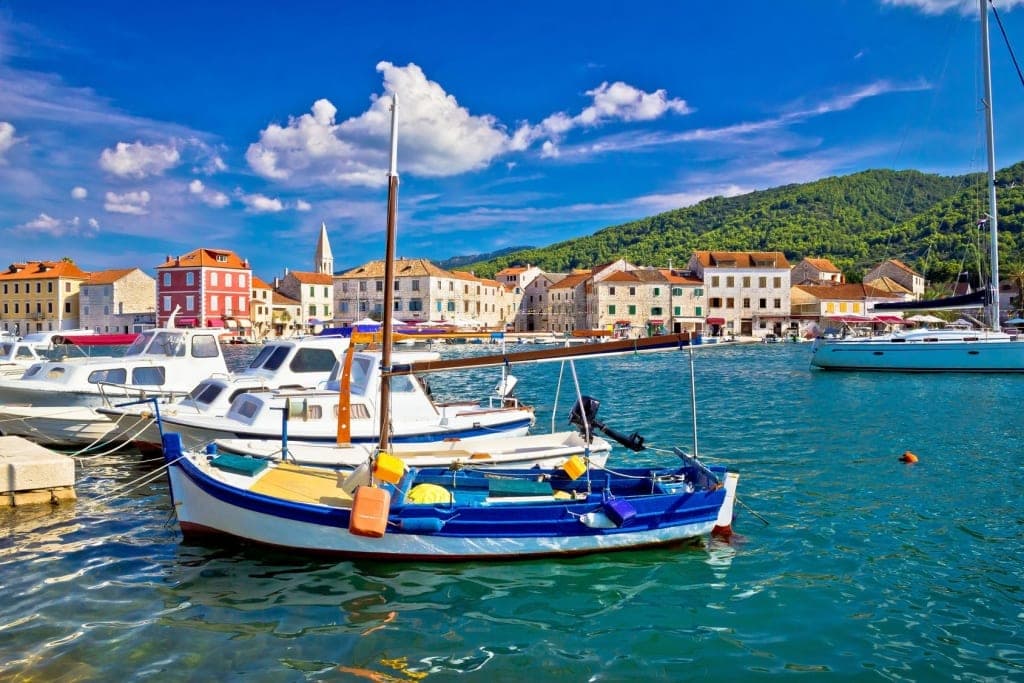
Sena ostas pilsēta Hivarā ar UNESCO grieķu lauksaimniecības plakumiem.
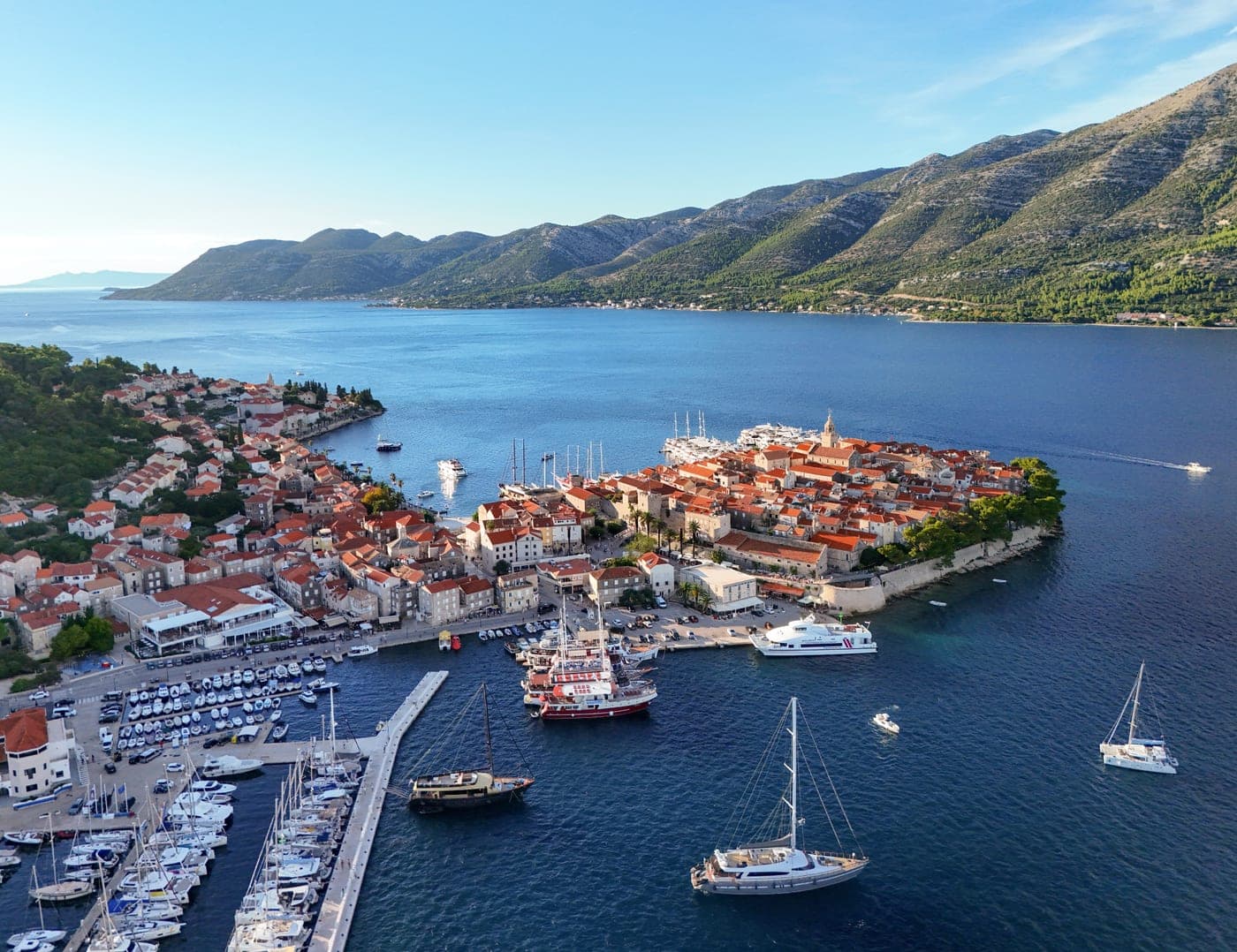
Viduslaiku mūrēta salu pilsēta, Marko Polo dzimtā vieta ar vīnogu dārziem.
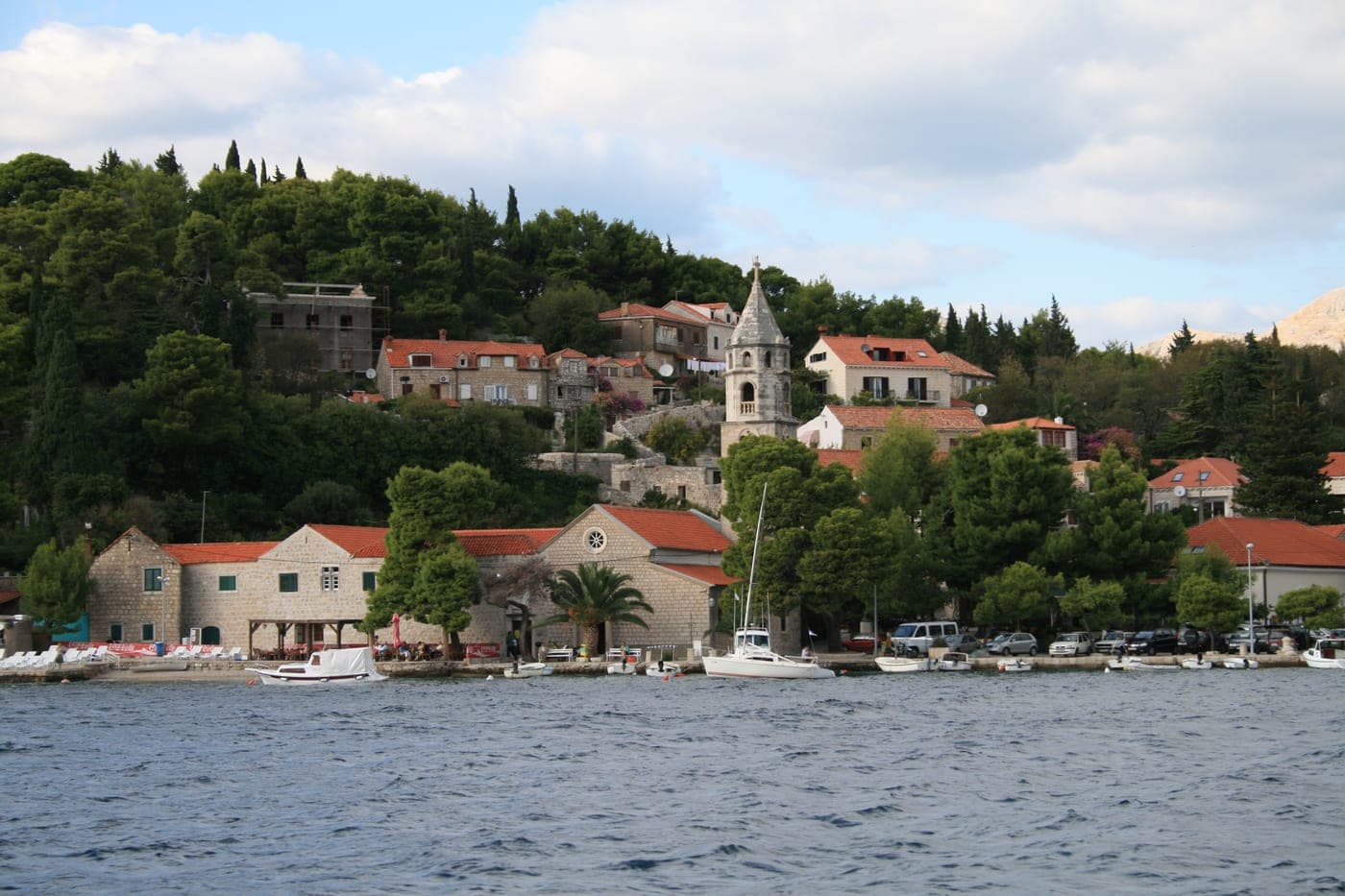
Valdzinošs piekrastes pilsēta netālu no Dubrovnika ar priežu nožņaugtiem ostiem un pludmalēm.
Svētās Eifēmijas zvanu tornis paceļas virs Rovinjas ostas, kur tradicionālās batana laivas piestāj pie ekomuzeja.
Pulas Romiešu amfiteātrī vasarā notiek koncerti, kamēr tuvumā forumā stāv Augusta templis.
Rabas smilšainā Paradīzes pludmale stiepjas zem viduslaiku mūriem, kur vasaras festivālos uzstājas tērpoti bruņinieki.
Mazās laivas manevrē starp Kornatu kailo kaļķakmens salu no Biogradas marīnas.
Dubrovnik-Neretva is Croatia's southernmost region, known for its stunning coastline and rich history. The city of Dubrovnik, a UNESCO World Heritage site, is famous for its well-preserved medieval walls and baroque architecture. Nearby, the Neretva River valley offers lush landscapes and unique cultural experiences, particularly in the town of Metković, known for traditional Neretva cuisine and eco-tourism. The region is also home to the Elaphiti Islands, where visitors can explore secluded beaches and local fishing villages. Enjoy local specialties like the white wine from the Pelješac Peninsula and the sweet Neretva mandarin. This region balances cultural heritage with natural beauty, perfect for those seeking deeper connections with their surroundings.
Zadar is a coastal city in Croatia, known for its rich history and stunning architecture. It features Roman ruins, medieval churches, and vibrant street life. The region encompasses several islands, including Ugljan and Pašman, offering secluded beaches and hiking trails. Zadar is home to the unique Sea Organ, an architectural marvel that plays music through the sea waves. The city is the oldest continuously inhabited city on the Croatian mainland, with roots dating back to the Roman Empire. Beyond the city, the nearby National Parks of Krka and Paklenica showcase diverse landscapes, perfect for nature lovers. Zadar's local cuisine highlights fresh seafood and traditional pastries, making it a culinary gem in the region.
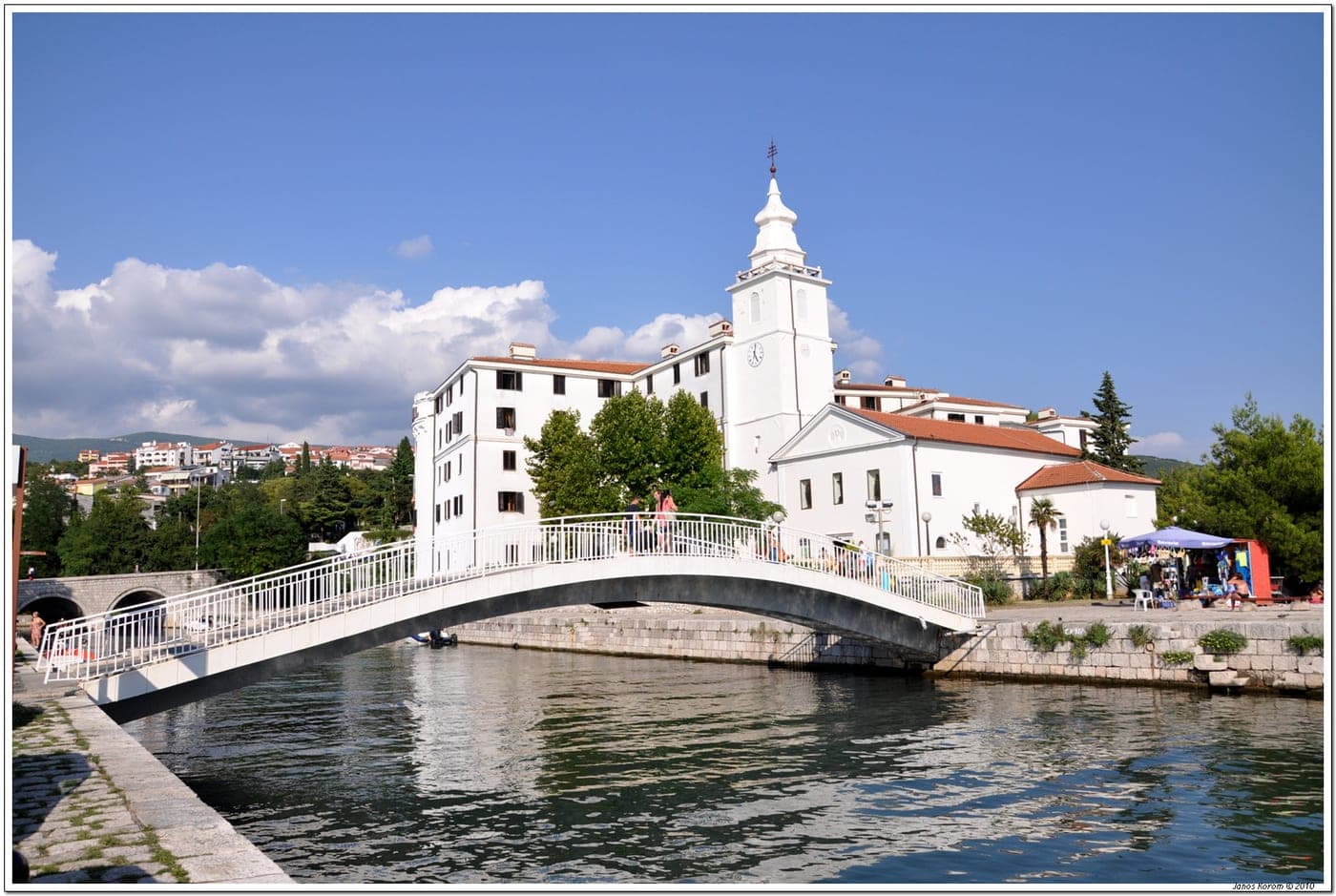
Nestled along the northern Adriatic, this region is the largest in Croatia by area, featuring a diverse landscape of mountains, islands, and coastal towns. The city of Rijeka serves as a cultural hub, known for its vibrant festivals and rich maritime history, including the Trsat Castle overlooking the city. Opatija, with its historic villas and seaside promenade, offers a glimpse into the 19th-century Austrian Riviera. Nearby, the islands of Cres and Lošinj boast stunning natural parks and traditional fishing villages. Nature lovers can explore the Risnjak National Park, while wine enthusiasts can taste local Vrbnička Žlahtina. This region thrives on its rich cultural tapestry and local gastronomy, emphasizing sustainable practices and authentic experiences that reflect its heritage.
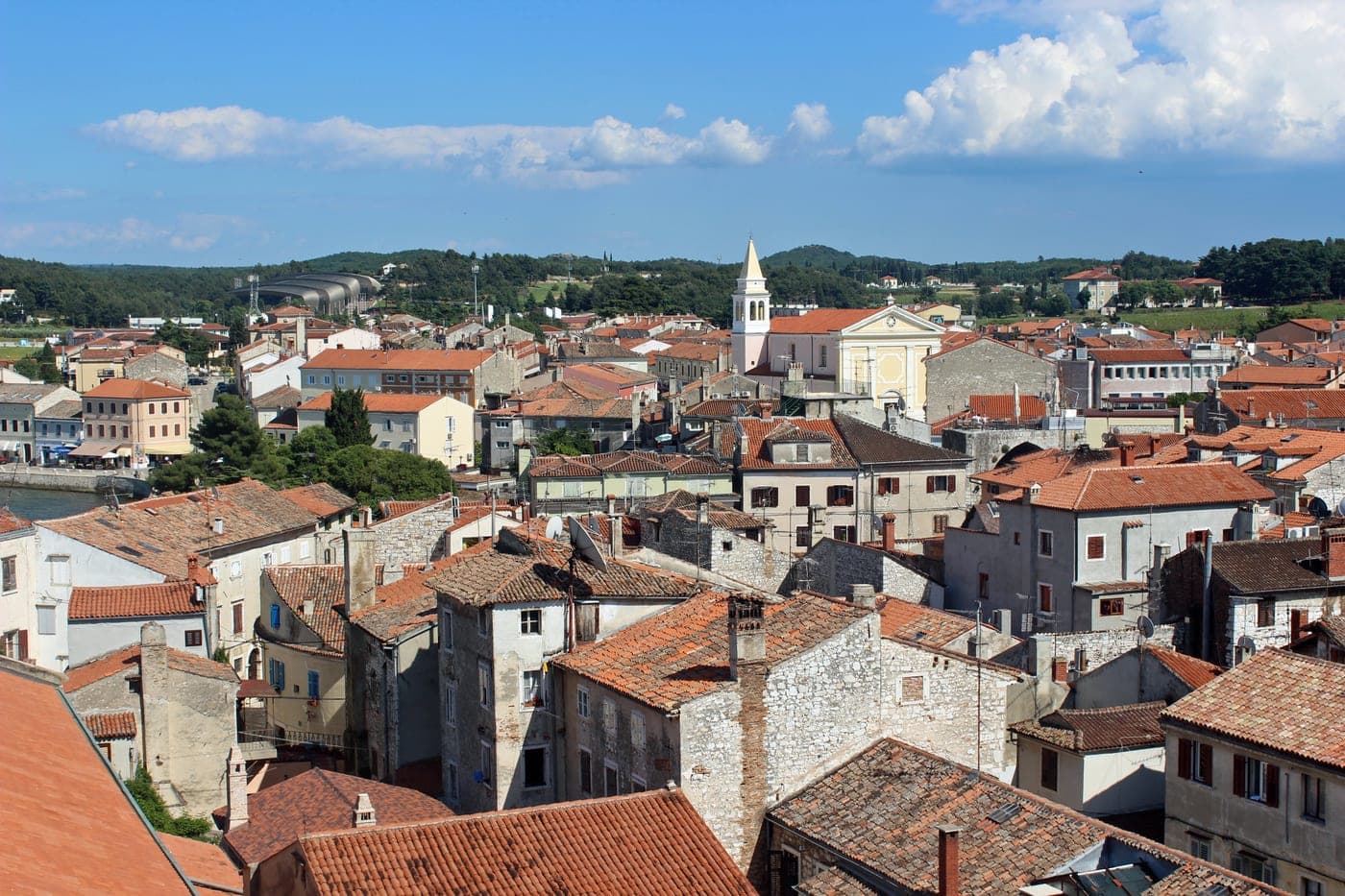
Istria is Croatia's largest peninsula, known for its diverse landscape of rolling hills, vineyards, and olive groves. This region features charming towns like Rovinj, famous for its colorful waterfront and Venetian architecture, and Pula, home to one of the best-preserved Roman amphitheaters in the world. The coastal areas provide access to beautiful beaches, while inland, the hilltop villages of Motovun and Grožnjan offer stunning views and rich history. Istria is celebrated for its culinary delights, particularly truffles and local wines like Teran and Malvazija. The region also hosts various cultural festivals, showcasing its vibrant traditions and arts. It's a place where ancient history meets rich gastronomy, ideal for those who wish to explore beyond typical tourist paths.
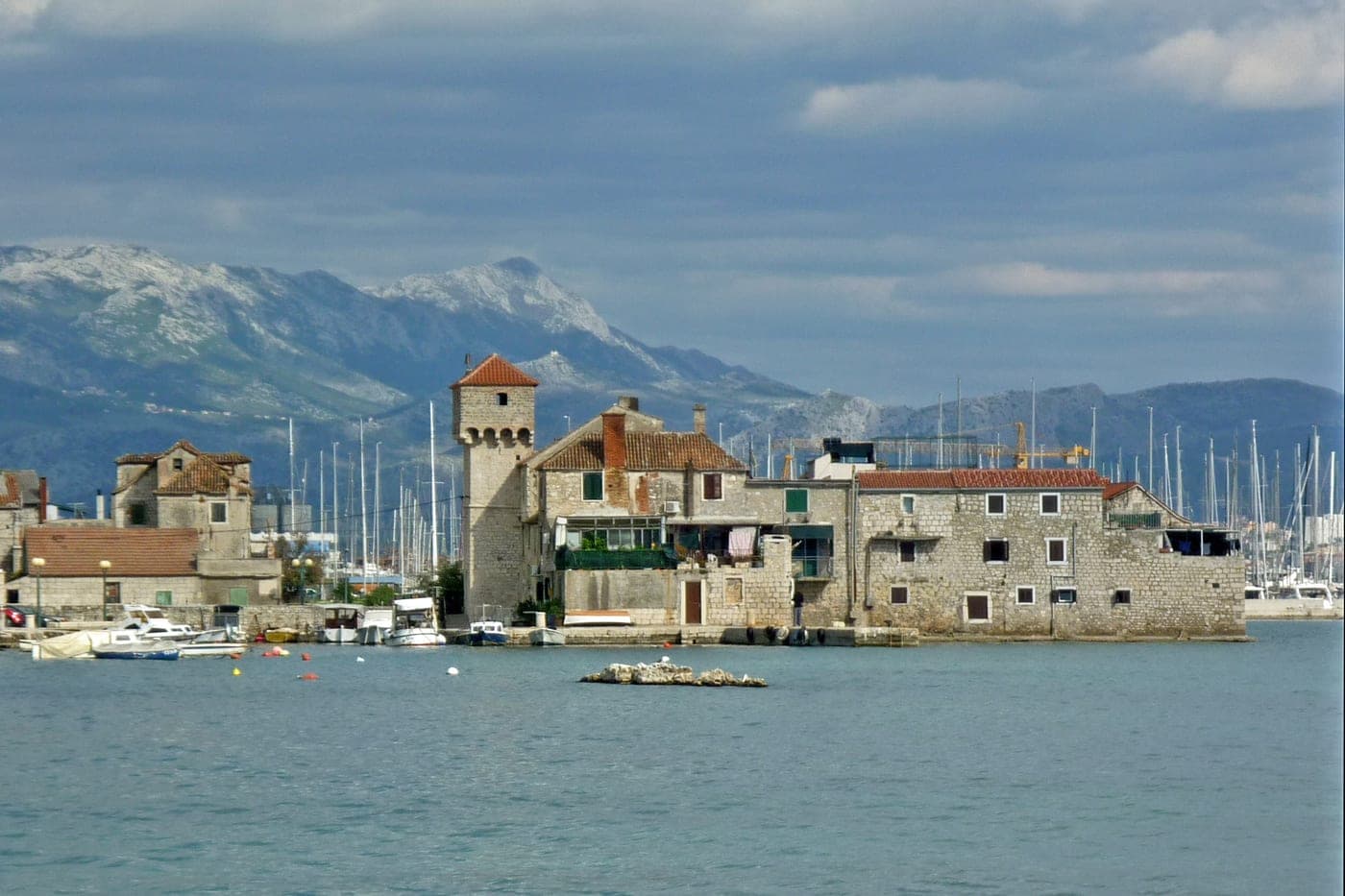
Split-Dalmatia is the largest county in Croatia, known for its stunning coastline along the Adriatic Sea. The city of Split, with its UNESCO-listed Diocletian's Palace, serves as the region's cultural heart. Beyond the city, the county boasts lesser-known gems like the historic town of Trogir, famous for its medieval architecture, and the serene islands of Hvar and Brač, known for their local wines and olive oil. Nature lovers can explore the rugged beauty of the Biokovo Mountain range or the hidden coves along the coast. This region is rich in traditional gastronomy, featuring fresh seafood, local cheeses, and the unique wines of the Dalmatian hinterland. Festivals such as the Split Summer Festival showcase local arts and culture, providing an authentic glimpse into life here.
Saņemiet lēnas ceļošanas padomus savā e-pastā
Īsa ziņa, kad parādās kaut kas, kura dēļ vērts ceļot. Atbildi STOP, kad vēlies.
Pierakstoties piekrīti, ka sazināsimies ar tevi pa WhatsApp. Privātuma politikaReizēm vēstules tavā pastkastē — ar ieteikumiem, kartēm un maršrutiem.
Piesakoties jaunumiem, jūs piekrītat mūsu privātuma politikai.