01Peatumine · Algus
Panoraamrongid·Šveits
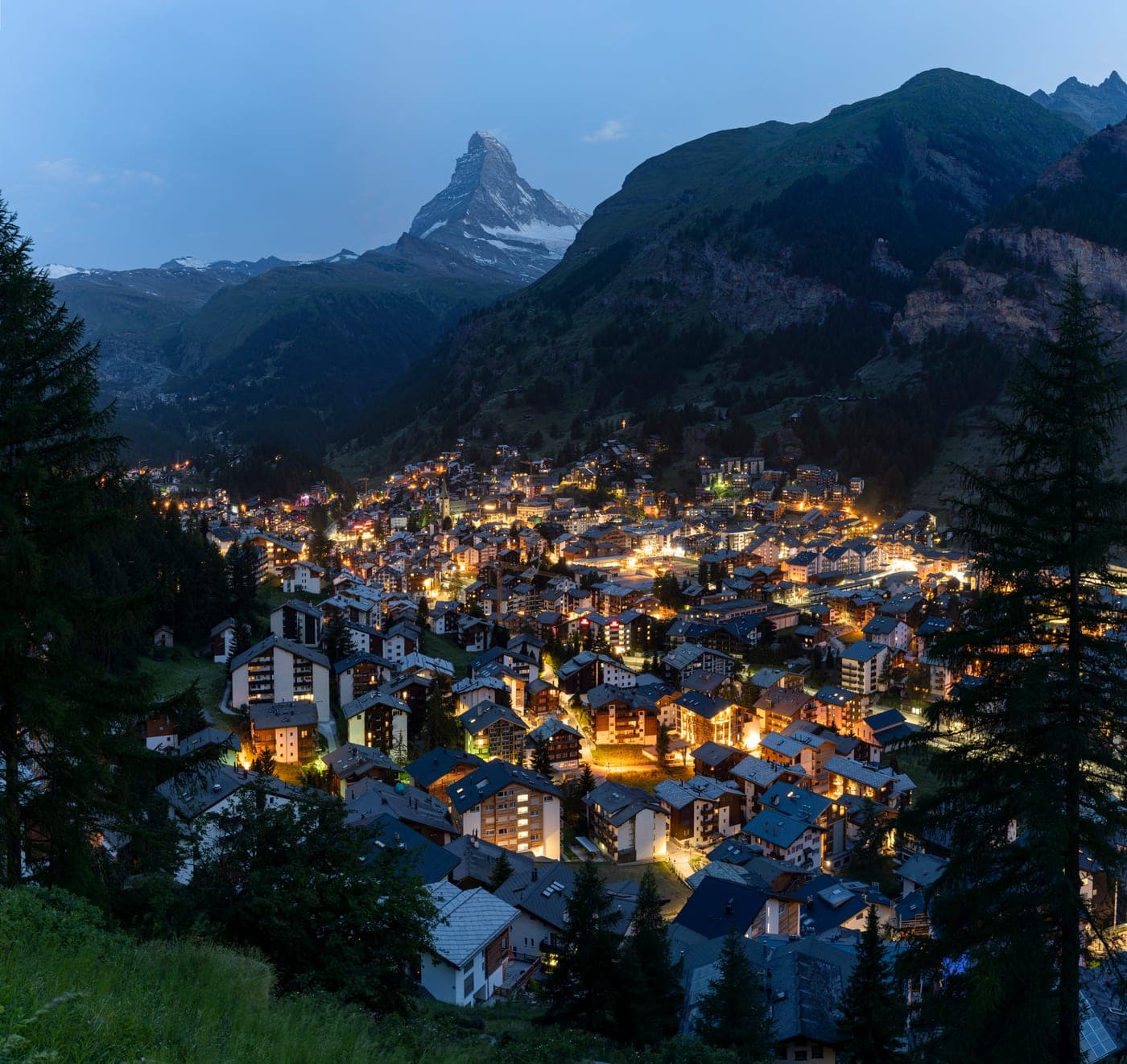
Zermatt
Ikoonilise mägikurort Matterhorni jalamil, kus liiklumine autoga on keelatud.
⌬Matterhorni mägi⌬autovabaks Alpide külaks⌬maailmaklas suusatamine ja mäkronimis⌬Gornergrat raudtee ja vaatamisvaarsus
ZermattIkoonilise mägikurort Matterhorni jalamil, kus liiklumine autoga on keelatud.
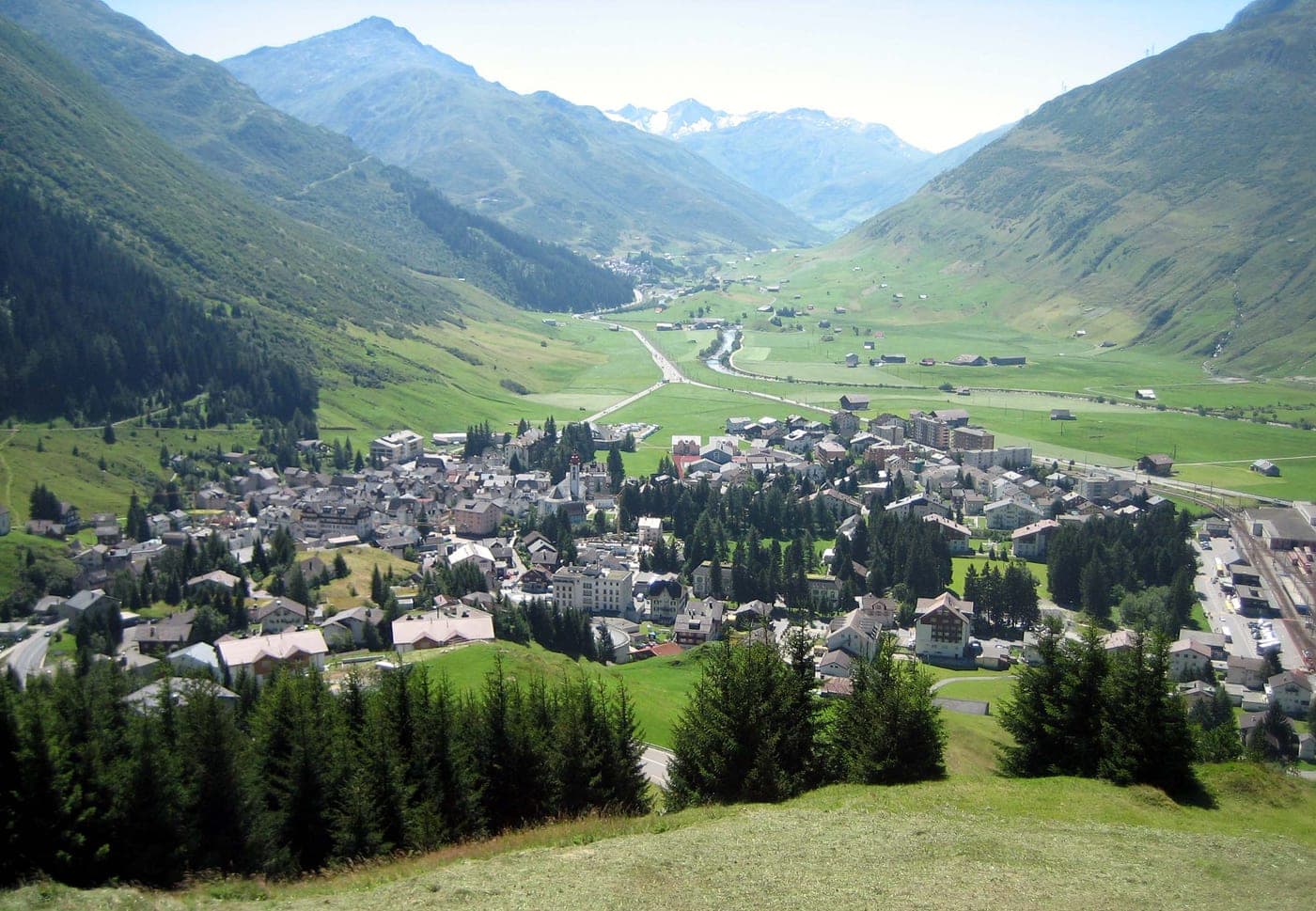
Alpi küla ajalooliste mäejangude ristmikul. Pealine siht neile, kes otsivad Sveitseri mägede rahu ja ajaloot.
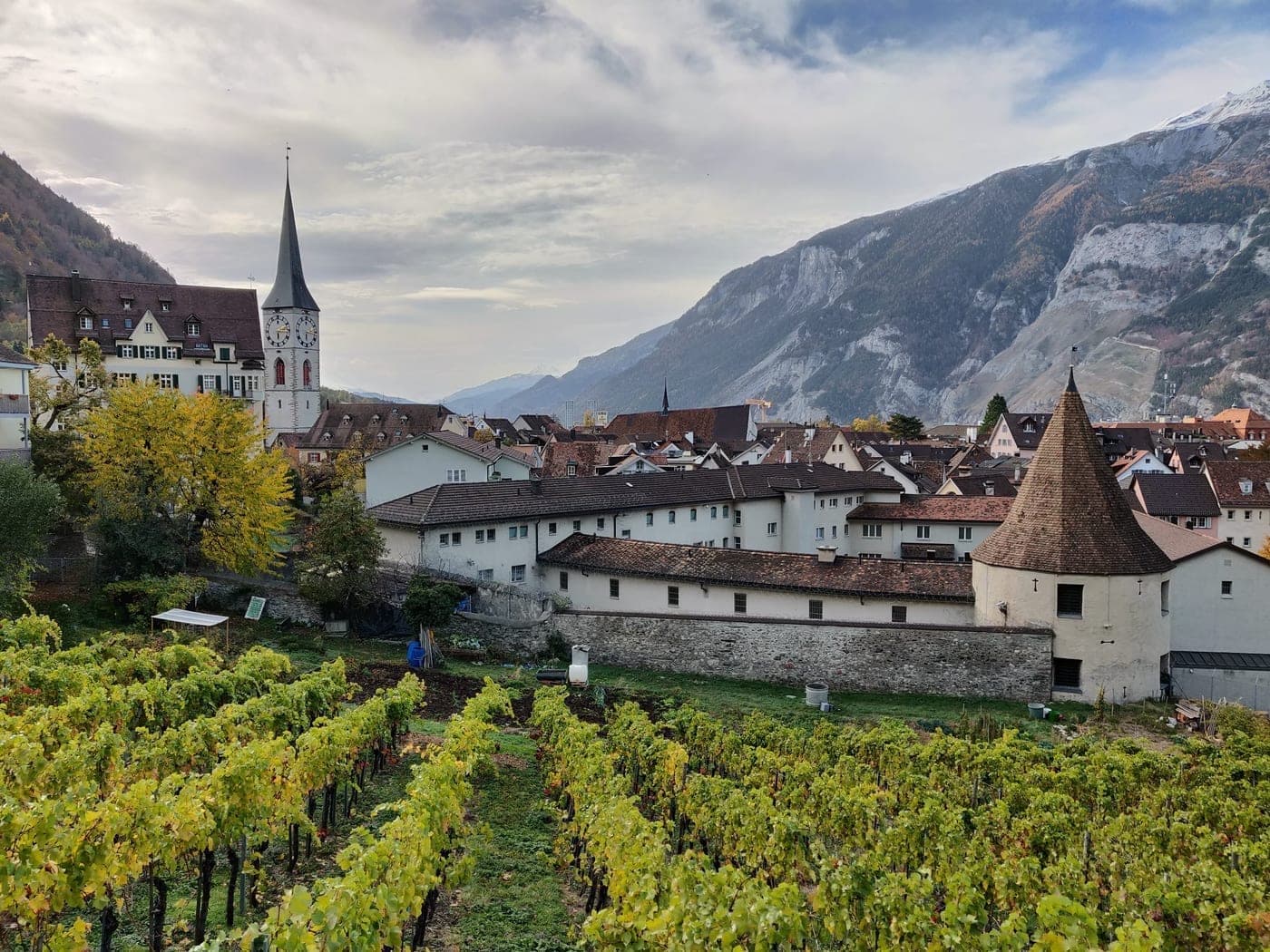
Ajalooline linn võluvate vanalinna ja rikka kultuuripärandiga.
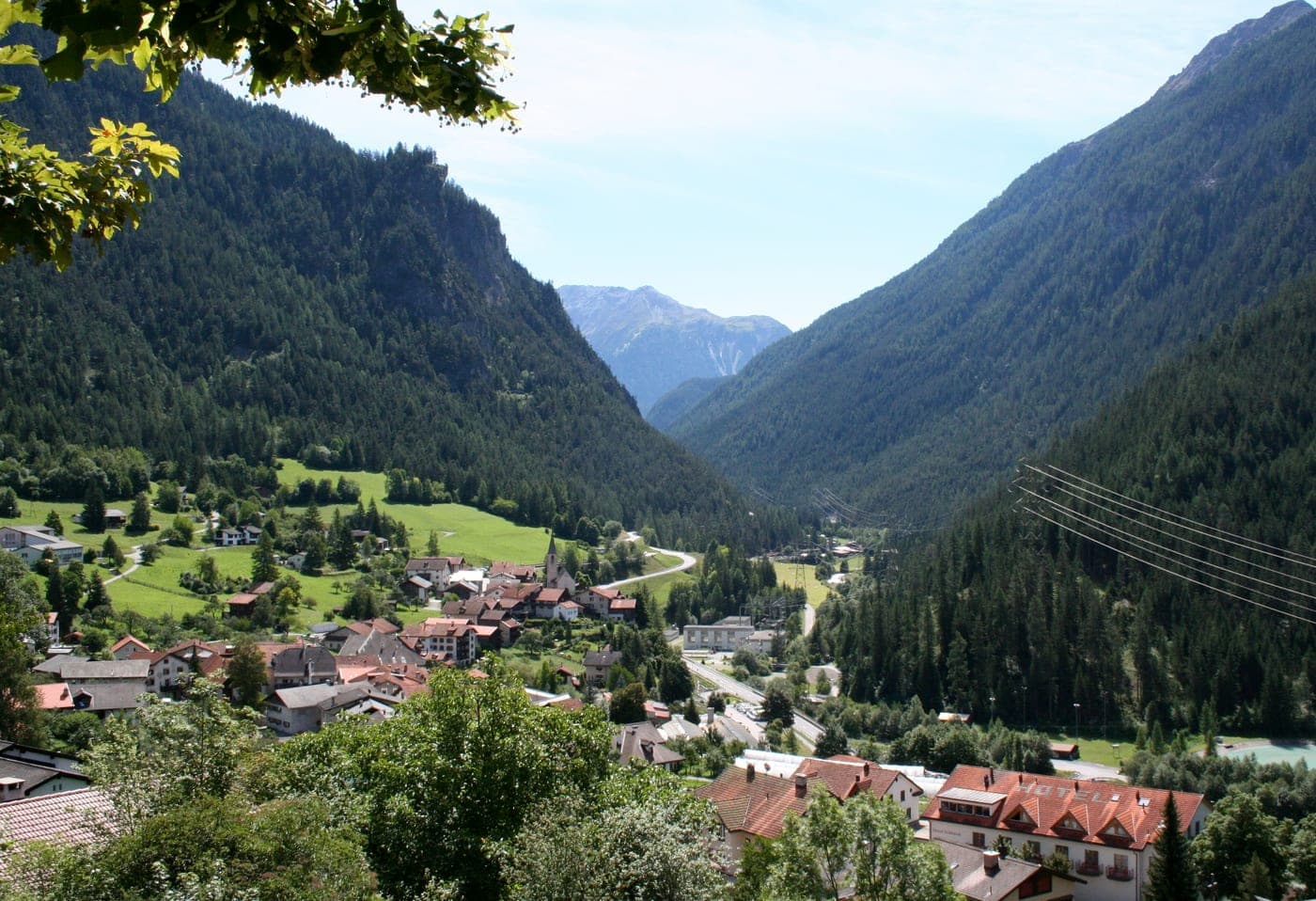
Alpides paiknev küla, mis on tuntud oma võimsate viaduktide poolest.
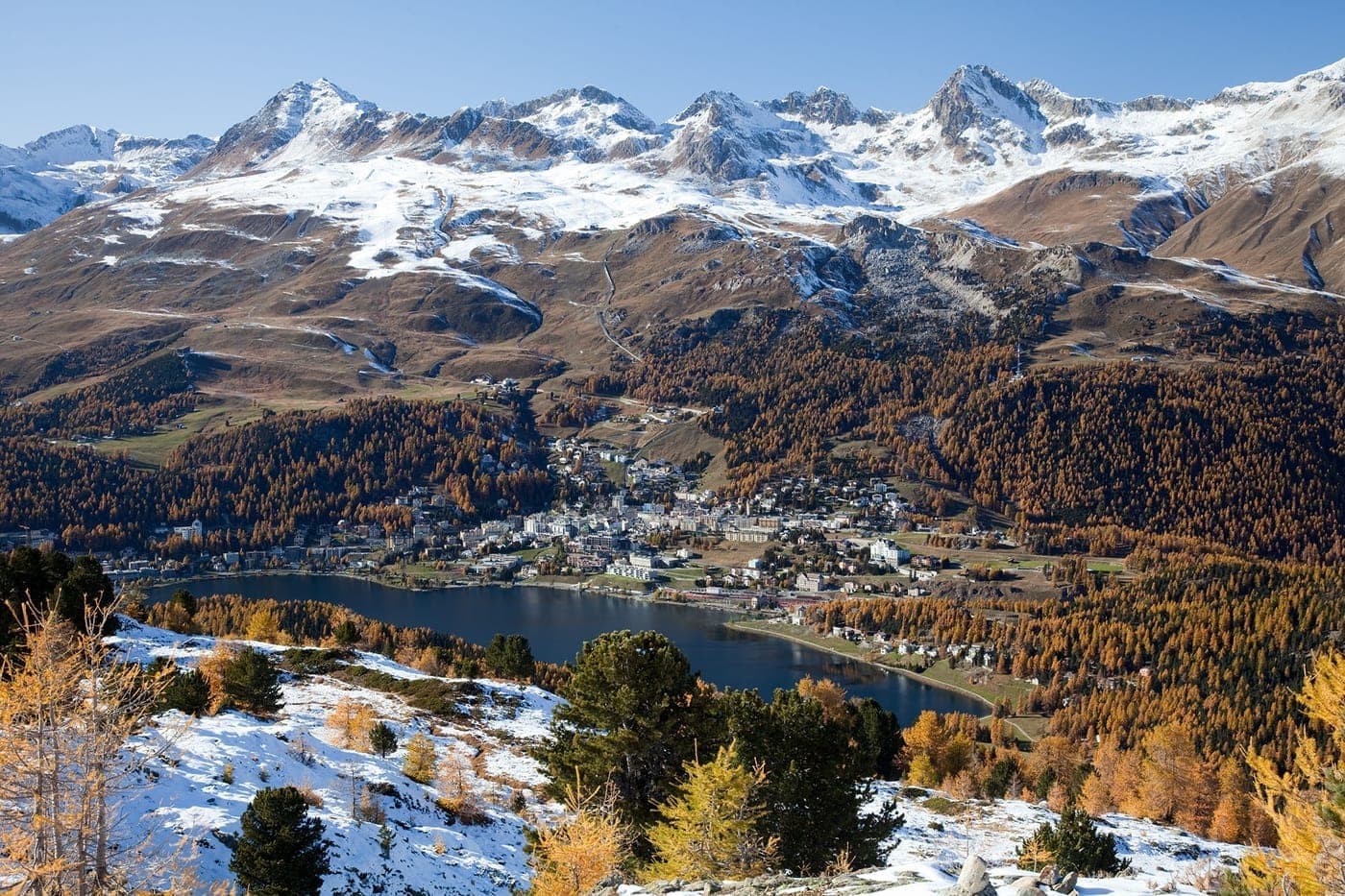
Luksuslik mägikurort, mis on tuntud talvespordialade ja vapustavate järvaadete poolest.
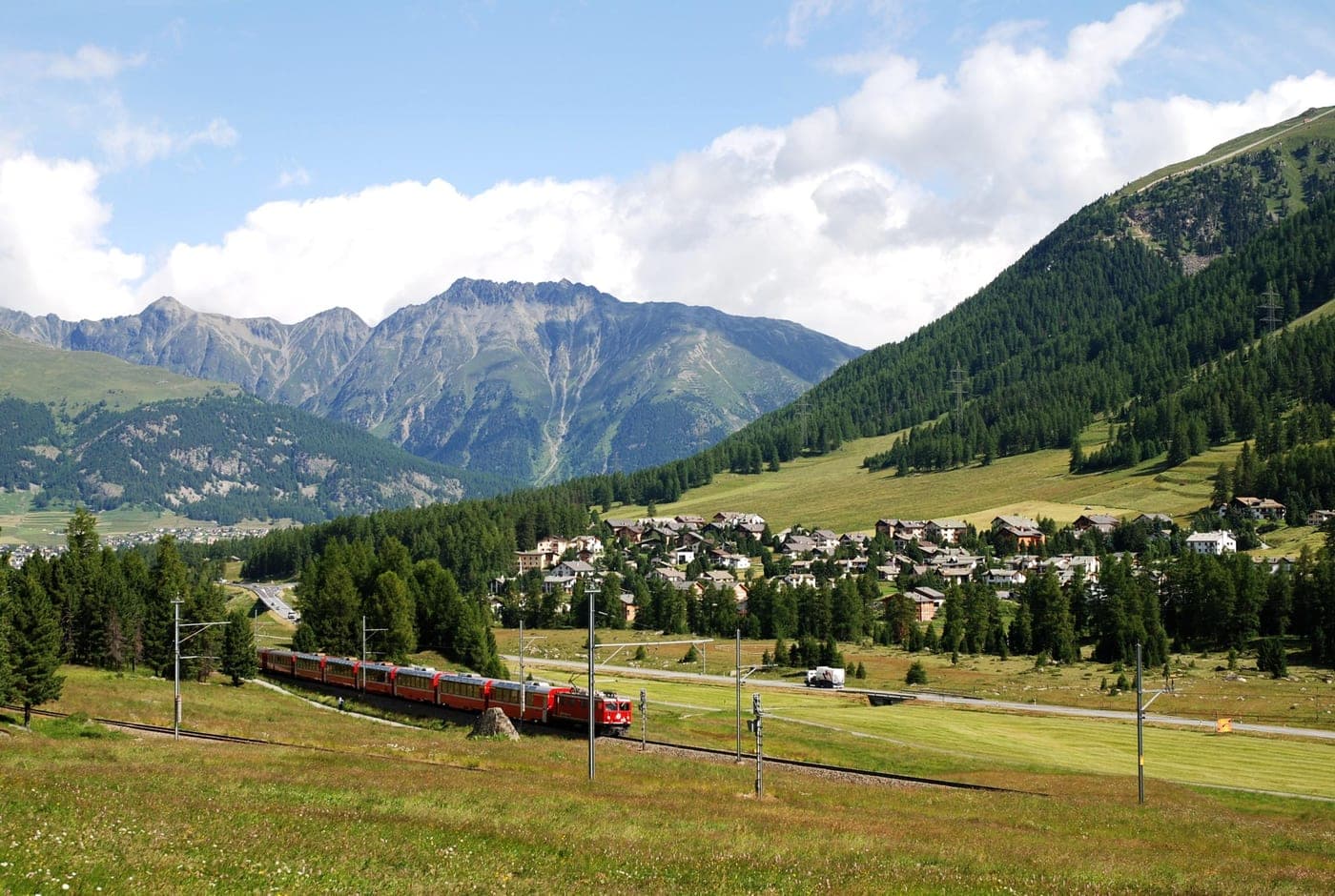
Alpi kuurortlinn St. Moritzi lähedal võluvate mägipanoraamidega.
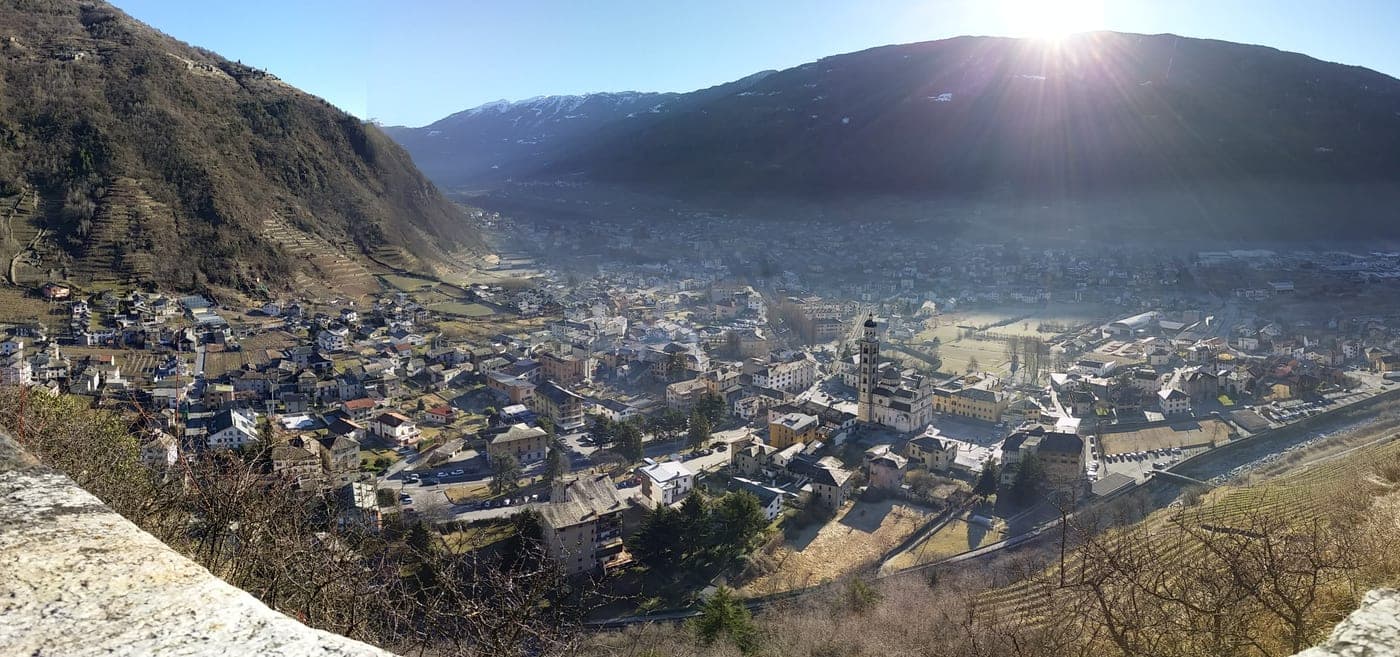
Alpi linn palverännupühamu ja terrasseeritud Nebbiolo viinamägedega.
Hammasraudtee kerkib Zermatist Gornegrati harjale, pakkudes otseseid vaateid Matterhornile põhjaküljelt.
18. sajandi kiviasisi sild ületab Schöllenen kuru, kus Reussi jõgi lõikab läbi graniidikalju Andermatti lähedal.
Churi keskaegsetel munakivisillutatud tänavatel asub Räti muuseum barokksetes patriitsipalatites.
Kumerjas lubjakivisild viib punased Räti raudteed 65 meetrit kõrgemale Landwasseri orust Filisuri lähedal.
Valais is a prominent region in Switzerland, known for its striking alpine landscapes and rich cultural heritage. It is home to the famous Matterhorn and the largest ski area in the country. The region is characterized by its terraced vineyards, which produce unique wines like Fendant and Dôle. Sion, the capital, boasts a medieval old town and ancient castles. Zermatt, a car-free village, offers access to breathtaking hiking trails. The region is also famous for its local cheeses and traditional festivals, including the Fête de la Saint-Bernard. With stunning mountain scenery and charming villages, Valais invites exploration beyond the typical tourist path.
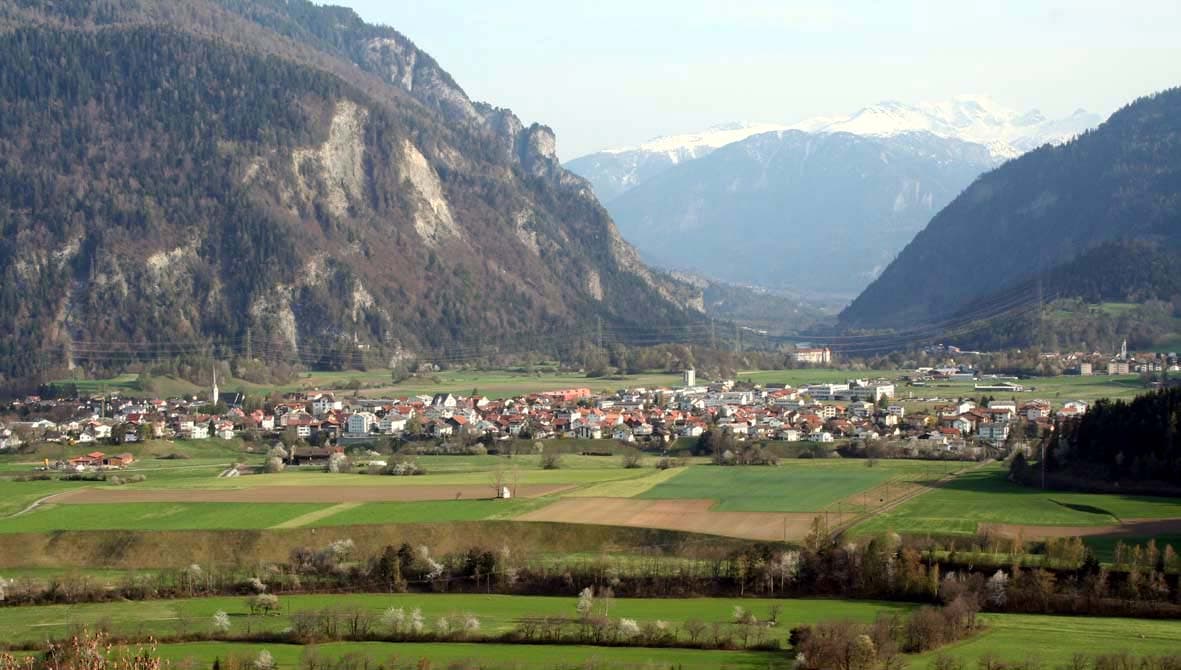
Graubünden is Switzerland's largest canton, known for its stunning alpine landscapes and unique cultural heritage. The region is famous for its diverse languages, with Romansh being one of the official languages. Notable cities include Chur, the oldest city in Switzerland, and the resort town of St. Moritz, renowned for winter sports and luxury. The area boasts the breathtaking Engadin Valley, home to picturesque villages like Sils and Maloja, and offers excellent hiking trails in the Swiss National Park. Graubünden is also known for its traditional cuisine, including hearty dishes like Capuns and Pizzoccheri, reflecting its rich agricultural roots. The region hosts lesser-known festivals that celebrate local traditions, adding to its authentic character.
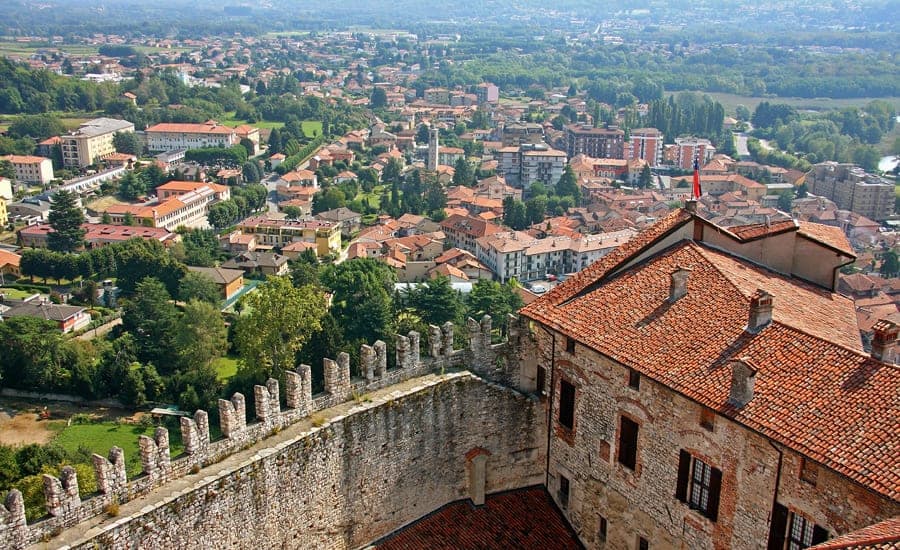
Lombardy runs from Alpine peaks in the north down to the flat rice fields of the Po valley in the south, and this range sits behind almost everything the region does well for slow travel. Milan anchors it as a capital of fashion and finance, but the quieter pace that draws travellers who like to slow down lives outside the city, spread across lake villages, hill towns, and wine roads that ring it on every side. Lombardy rewards a traveller who picks one valley, one lake shore, or one wine road and stays with it rather than trying to cover the whole region at once. Lake Como is one of Lombardy's most recognisable landscapes, its stone villages stacked against steep slopes and its old villas opening their gardens to the water. Bellagio, Varenna, and Menaggio each keep a small working harbour where boats still connect the shoreline settlements. Further east, the region also touches the western shore of Lake Garda, where towns like Sirmione sit on a narrow peninsula with Roman ruins at its tip, and Lake Iseo sits quieter still, ringed by Franciacorta's vineyards on one side and Monte Isola, the largest lake island in southern Europe, on the other. Between the lakes, the Brianza hills and the lower Alpine valleys hold smaller villages built around a single church square, a mill, or a market that still runs on its traditional day, largely untouched by the crowds that gather on the main lake shores in summer. Wine gives the region another rhythm, and Lombardy's wine roads are built for slow exploring rather than a single tasting stop. Franciacorta, in the hills east of Brescia, produces Italy's best-known sparkling wine made in the traditional method, and its cellars sit among vineyards that climb gently toward Lake Iseo, many open for visits by appointment. Further south, the Oltrepò Pavese hills near Pavia grow both still and sparkling wines on slopes that agriturismo farms have worked for generations, offering rooms and meals built around what the land produces that season. In the far north, the Valtellina valley grows Nebbiolo on narrow terraces held up by dry stone walls, alongside the mountain cheeses and cured meats the valley is known for; the Strada del Vino e dei Sapori della Valtellina links the terraced vineyards to the villages and cellars below them. The hill towns carry this same unhurried character. Bergamo's upper town, the Città Alta, sits behind a ring of stone walls built by Venice when the city belonged to its inland territories; inside them, narrow lanes lead to a Renaissance chapel and a quiet main square that empties out once the day-trippers head back down. Mantua, ringed by three artificial lakes, kept its Gonzaga-era palaces and squares largely intact and shares a joint UNESCO listing with the smaller fortress town of Sabbioneta, built from scratch as an ideal Renaissance city. Cremona, on the Po plain, has built violins since the Amati and Stradivari workshops opened there, and the craft continues in small workshops around its cathedral square. Pavia, a university town south of Milan, holds a Carthusian monastery on its outskirts whose carved marble façade is one of the region's finest. Smaller villages such as Clusone in the Val Seriana or Gromo, with its old ironworking streets, keep the same rhythm on a smaller scale, each built around a single square, a mill stream, or a covered market. Food ties all of this together, and it is where Lombardy's slow food traditions show clearest. The region cooks with butter and rice rather than the olive oil of the south: risotto alla milanese, coloured with saffron, is the signature dish, while polenta remains a staple in the mountain valleys, often served alongside stewed meat or local cheese. Grana Padano is made across much of the Po plain, and the mountain dairies of Valtellina produce their own aged cheeses, including Bitto and Casera. Markets in the smaller towns still run on a weekly schedule, selling produce grown within a short distance of the stall, and many agriturismo farms across Oltrepò Pavese and Franciacorta serve meals built entirely from what they grow or raise themselves. Landscape and table hold Lombardy together: a lake village built around its harbour, a wine road that climbs from valley floor to ridge line, a hill town that keeps its own pace once the tour groups leave. The towns and wine roads below each hold a different piece of this pattern, from the Renaissance squares of Mantua to the terraced vineyards of the Valtellina, and together they map out a version of Lombardy built for slow travel rather than a checklist of sights.
Uri sits at the very centre of Switzerland, wrapped around the long southern arm of Lake Lucerne that locals call Lake Uri. Steep forested slopes rise straight from the water here, and behind them the valley narrows and climbs toward the Gotthard massif, one of the great watersheds of the Alps. Uri is one of the original cantons that formed the Swiss Confederation in 1291, and the region still moves at the pace that history left it: small villages in side valleys, cattle grazing on steep meadows, and church bells marking the hours rather than traffic. This is a canton built for slow days rather than long checklists. Altdorf, the cantonal capital, keeps the legend of William Tell alive with a statue in its main square and a small museum on the story, but it is otherwise a quiet market town where the pace suits a morning coffee more than a rushed photo stop. Further down the lake, Flüelen sits right on the water. Bürglen, Tell's supposed birthplace, keeps its own chapel and archive dedicated to him. Higher up the valley, Andermatt has grown from a farming village into a small alpine resort without losing its old stone-house core. Farming still shapes daily life across Uri. Alpine terraces above the villages are used for haymaking in summer, and many families still move their cattle up to high pastures for the warmer months, following a rhythm called Alpaufzug. Small dairies on these alps turn the summer milk into mountain cheese, often sold directly at the farm or at village markets. Local restaurants tend to keep menus short and seasonal, built around this cheese, cured meat, and whatever vegetables the short alpine summer allows. The Gotthard Pass has shaped Uri's history more than almost anything else. For centuries it was the main route linking northern and southern Europe, and the old cobbled road still climbs over the summit past stone bridges and staging posts built for mule trains and early travellers. Away from the pass, Uri's side valleys hold quieter walking country: the Schächental below the Klausen road, the Maderanertal with its glacier views, and countless smaller trails linking one village to the next through larch forest and open alp.
Saa aeglase reisimise nõuandeid otse postkasti
Lühike sõnum, kui ilmub midagi, mille pärast tasub reisida. Vasta STOP, millal soovid.
Tellides nõustud, et võtame sinuga ühendust WhatsAppi kaudu. PrivaatsuspoliitikaAeg-ajalt kirjad sinu postkasti — soovituste, kaartide ja marsruutidega.
Uudiskirjaga liitudes nõustute meie privaatsuspoliitikaga.