Slowfoxes
Ruta de viaje lento·🇪🇸 España

Ruta del Vino de Cataluña – Itinerario de 7 días

Sendero del Cava y Priorat

Duración7 días
Paradas4 paradas
Mejor épocaOtoño — vendimia en ambas regiones, visitas al monasterio abiertas, trekking del Priorat más fresco
CategoríasCata de vinos
Añadir a favoritos
Sant Sadurní d'AnoiaSant Sadurní d'Anoia
El itinerario

Las paradas.

4 paradas04
02Parada · A mitad de camino
Sant Pau d'Ordal
Cata de vinos·España

Sant Pau d'Ordal

Pueblo vinícola del Penedès con bodegas ecológicas y encanto rural.
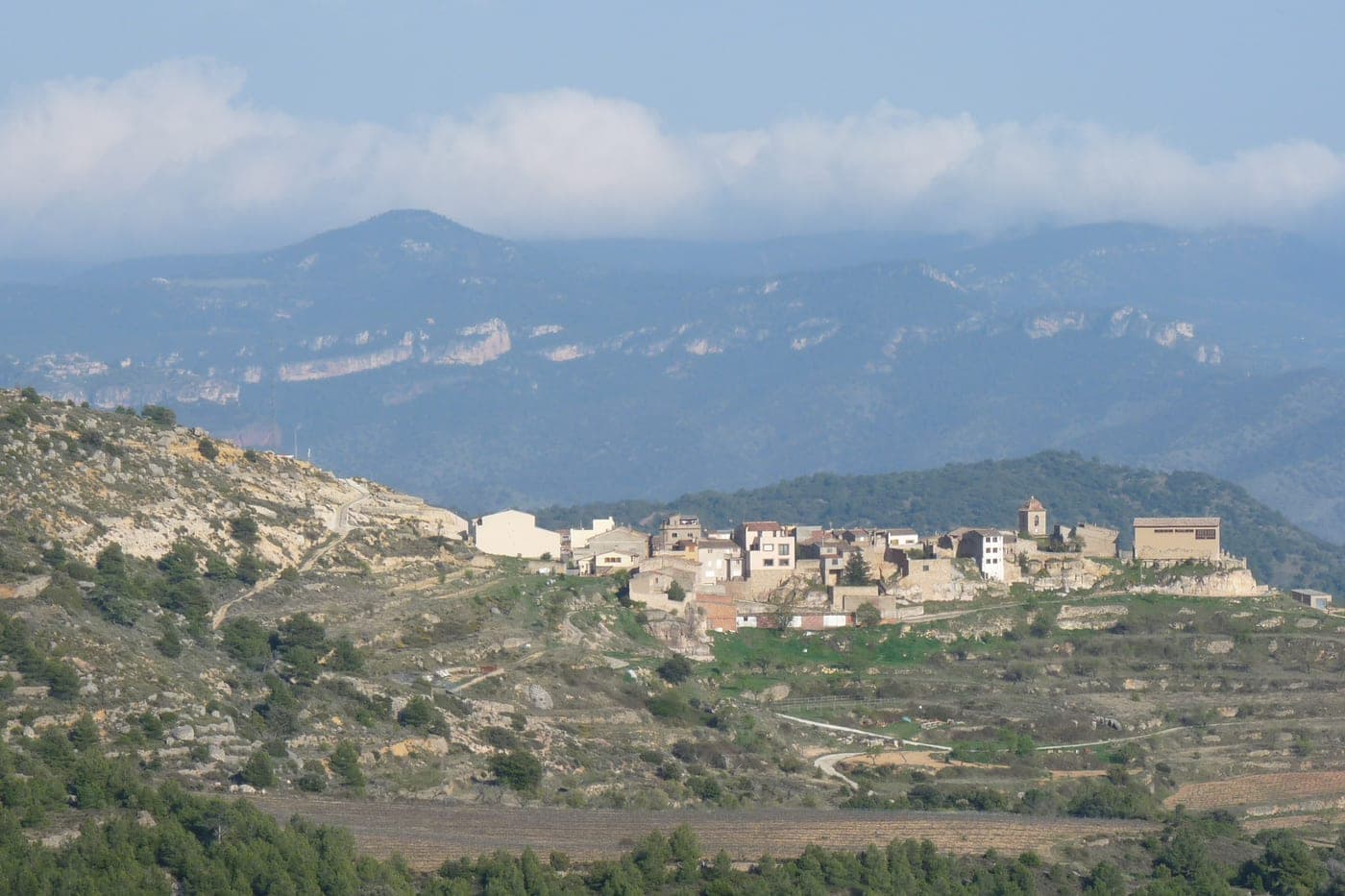
⌬Región vinícola del Penedès⌬Bodegas⌬Paisajes rurales⌬Gastronomía local
03Parada · A mitad de camino
La Morera de Montsant
Cata de vinos·España

La Morera de Montsant

Pueblo en la región vinícola de Montsant con tintos potentes y paisajes montañosos.
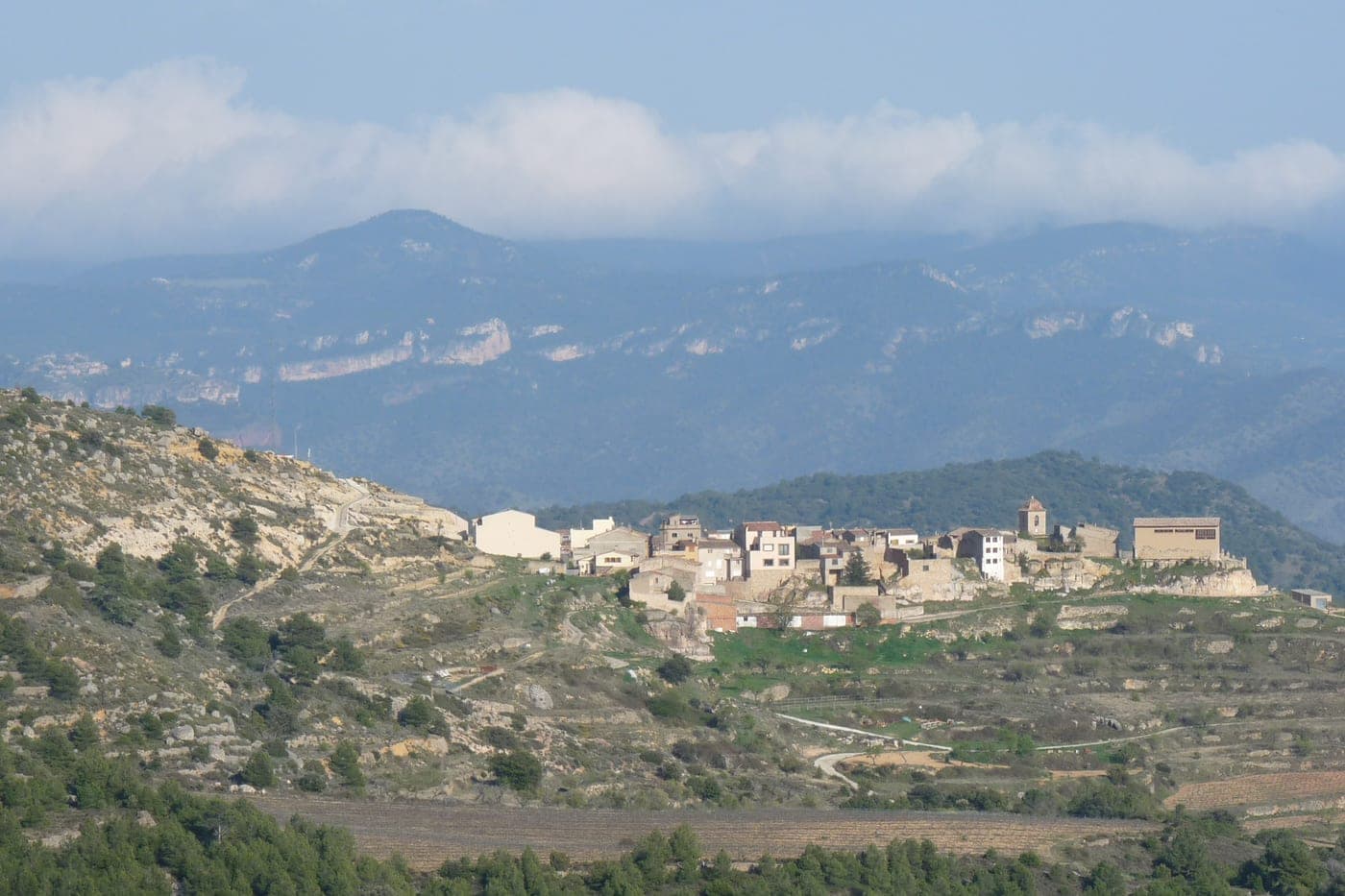
⌬Vino de Montsant⌬Vistas a la montaña⌬Gastronomía local⌬Rutas de senderismo
04Parada · Final
Escaladei
Cata de vinos·España

Escaladei

Pueblo vinícola histórico alrededor del monasterio cartujo en ruinas en el Priorat.

⌬Monasterio cartujo en ruinas⌬Región vinícola del Priorat⌬Laderas empinadas de viñedos en esquisto⌬Producción vinícola
La forma de la ruta

Mapa de la ruta.

4 paradas · 3 tramos
Por qué esta ruta

Destacados de esta ruta.

01

Bodegas de la capital del cava en Sant Sadurní d'Anoia

Bodegas de cava se extienden bajo Sant Sadurní d'Anoia donde el vino espumoso burbujea desde la década de 1870.

02

Paseos por el Penedès colinoso desde Sant Pau d'Ordal

Senderos de viñedos serpentean cuesta arriba desde Sant Pau d'Ordal por las laderas del Penedès hacia vistas montañosas distantes.

03

Laderas de llicorella pizarra de La Morera de Montsant

Anfiteatros de pizarra llicorella acunan las empinadas viñas del Priorat alrededor del pueblo montañoso de La Morera de Montsant.

04

Cartoixa d'Escaladei monasterio y viñedos originales del Priorat

Ruinas del monasterio cartujo del siglo XII marcan donde los monjes plantaron por primera vez viñas en las montañas del Priorat.

Reserva tu experiencia

Lo que realmente está disponible para ti.

4 paradas
Cata de vinos
Cal Pere del Maset
Cocina Local
Cata de vinos
Hiking trails
Senderismo
04.EscaladeiEspaña
Cata de vinos
Alejar

Regiones en esta ruta.

1 región
Catalonia
Spain21 destinos

Catalonia

Catalonia stretches from the high Pyrenees down to the Mediterranean, and that range gives it a slow-travel character all its own: stone villages tucked into mountain valleys, a jagged coastline of small harbours, and an inland plain still shaped by farming and pilgrimage. Barcelona sits at one edge of the region, but Catalonia's quieter identity is built elsewhere — in places most visitors reach only if they choose to look beyond the capital. In the north, the Pyrenean valleys hold Romanesque churches and hamlets built from dark local stone, many still working farming communities. Villages like these keep a rhythm set by the seasons and the land, and walking between them reveals bell towers and hay meadows. Further south and inland, the Camí de Sant Jaume, a Catalan branch of the Camino de Santiago, crosses rolling wheat country and passes through small towns built around a church square. The coast has its own version of slowness. Cadaqués, with its whitewashed harbour houses and steep lanes, once drew Dalí and other artists. The Costa Brava's smaller coves still keep this feel in the off-season: fishing boats pulled up on shingle, a handful of restaurants serving the day's catch, cliff paths connecting one cove to the next. Inland from the coast, medieval towns like Besalú preserve their fortified bridges and Jewish quarters largely intact. Catalonia's regional cuisine reflects this pace. Cava is made using the same traditional method as Champagne, and small family cellars around Sant Sadurní d'Anoia still open their doors for tastings. Calçotada season, when charred spring onions are dipped in romesco sauce and eaten by hand, is a communal meal built around fire and patience. Elsewhere, pa amb tomàquet, botifarra sausage, and mountain cheeses reflect a cuisine shaped by both the sea and the high pastures. History runs close to the surface here. Poblet Monastery, one of Catalonia's Cistercian foundations, still follows a monastic routine largely unchanged for centuries, and some of Gaudí's early works outside Barcelona show the same architectural language in quieter settings. A handful of Catalan paradors occupy restored castles and monasteries — the one at Cardona, built into a medieval fortress on a hilltop, is among the most striking examples of this in Spain. Mountain villages, pilgrim paths, whitewashed coves, cava cellars, and monastery towns give Catalonia a landscape suited to slow travel: a dialect (Catalan) still spoken in daily life, a cuisine tied closely to what grows and grazes nearby, and villages that have kept their own pace as the region around them has modernised.

Cata de vinosAlquiler de barcosSenderismoAlquiler de autocaravanas

Mantente inspirado

Recibe consejos de viaje lento en tu bandeja de entrada

En WhatsApp

Un mensaje breve cuando aparece algo que vale el viaje. Responde STOP cuando quieras.

Al suscribirte aceptas que te contactemos por WhatsApp. Política de privacidad
o

Por email

Cartas ocasionales en tu bandeja — con recomendaciones, mapas y rutas.

Al suscribirte al boletín, aceptas nuestra política de privacidad.