Slowfoxes
Ruta de viaje lento·🇩🇪 Alemania

Ruta de los Castillos de Baviera – Itinerario de 9 días

Visita los Castillos de Franconia

Duración9 días
Paradas5 paradas
Mejor épocaFinal de primavera a inicio de otoño — castillos abiertos, largas jornadas de caminata
CategoríasCastillos
Añadir a favoritos
AichachAichach
El itinerario

Las paradas.

5 paradas05
01Parada · Inicio
Aichach
Castillos·Alemania

Aichach

Pequeña ciudad mercantil bávara al noreste de Augsburgo, cuna de la dinastía Wittelsbach y hogar de las ruinas del castillo que dio origen a una de las casas reales más poderosas de Europa.

⌬Orígenes de los Wittelsbach⌬Torre puerta medieval⌬Wittelsbacher Land⌬Hiking
02Parada · A mitad de camino
Leitheim
Castillos·Alemania

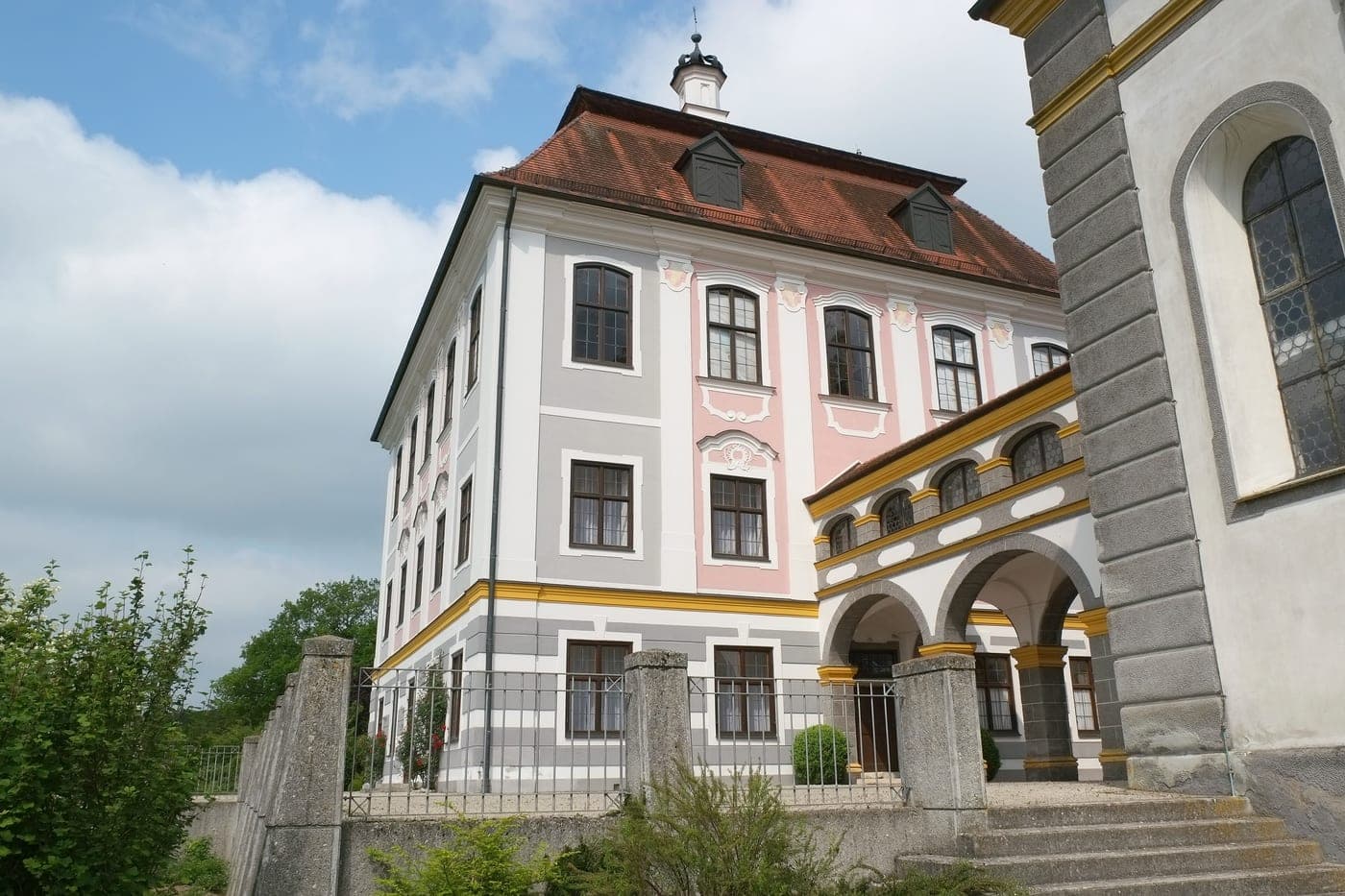
Leitheim

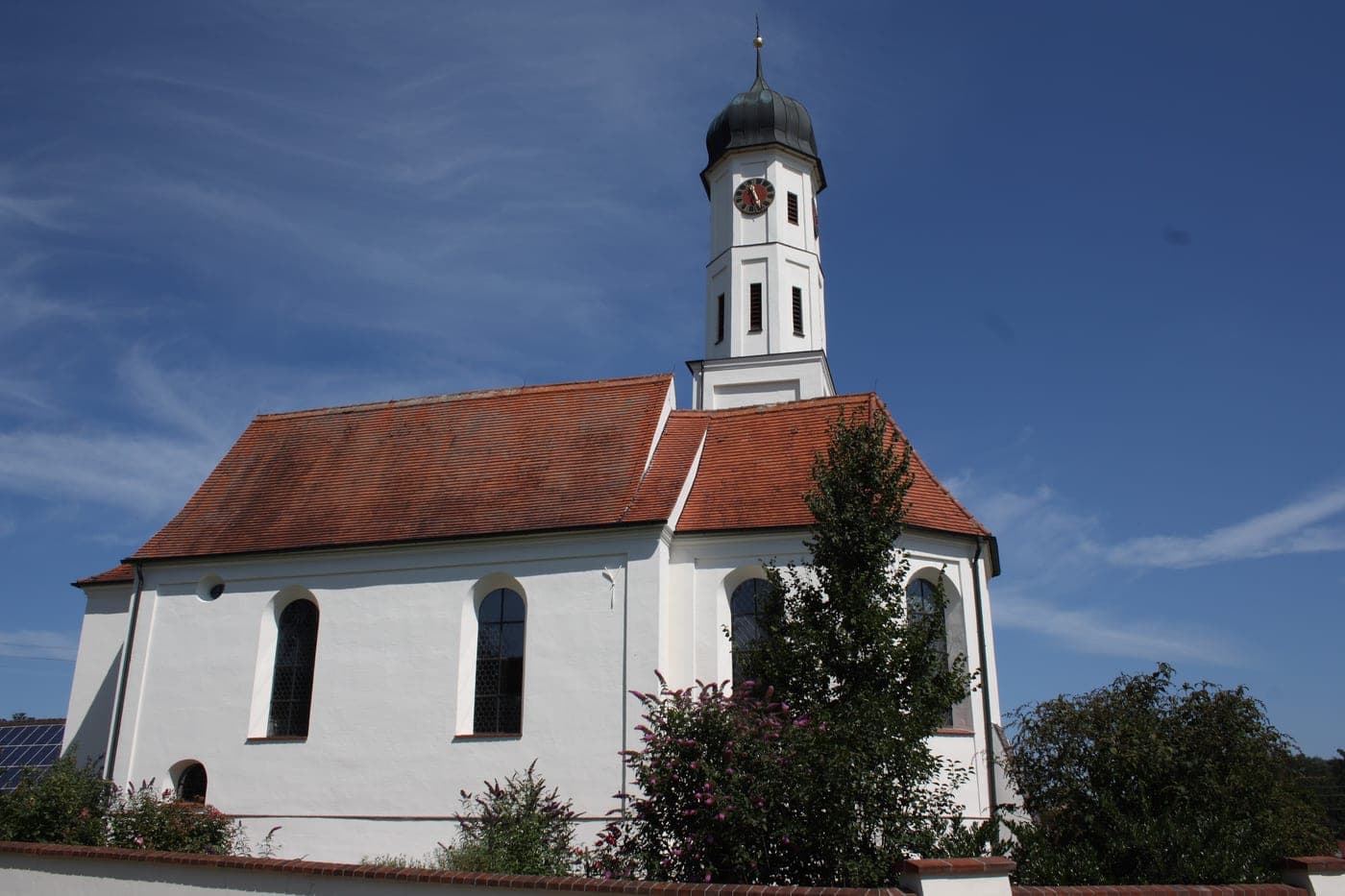
Diminuta aldea danubiana en la Suabia bávara con un magnífico castillo barroco sobre el río, ahora hotel balneario en la Ruta Romántica y puerta de entrada al Parque Natural de Altmühl.

⌬Castillo Leitheim⌬Entorno del Danubio⌬Ruta Romántica
03Parada · A mitad de camino
Kirchahorn
Castillos·Alemania

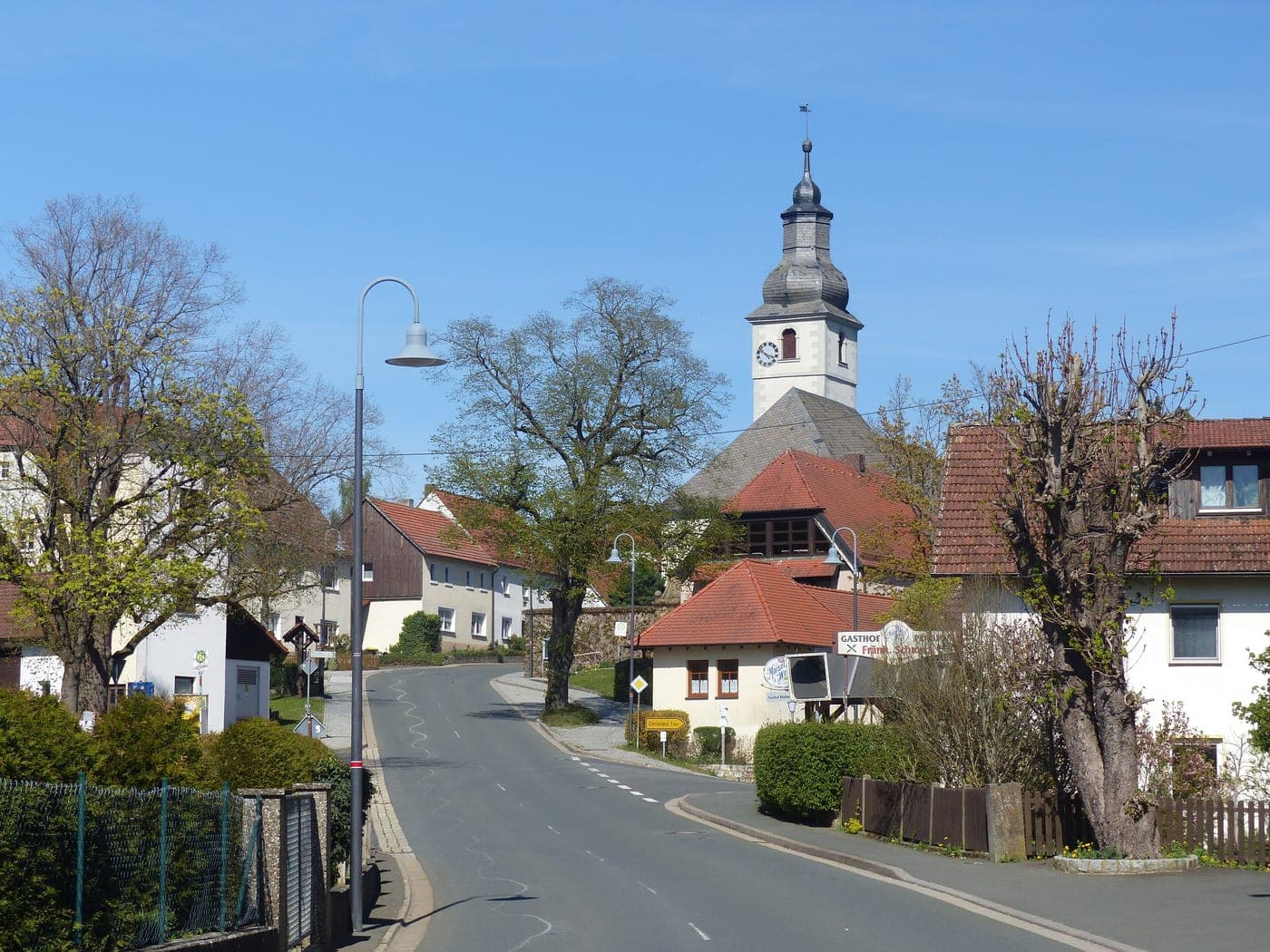
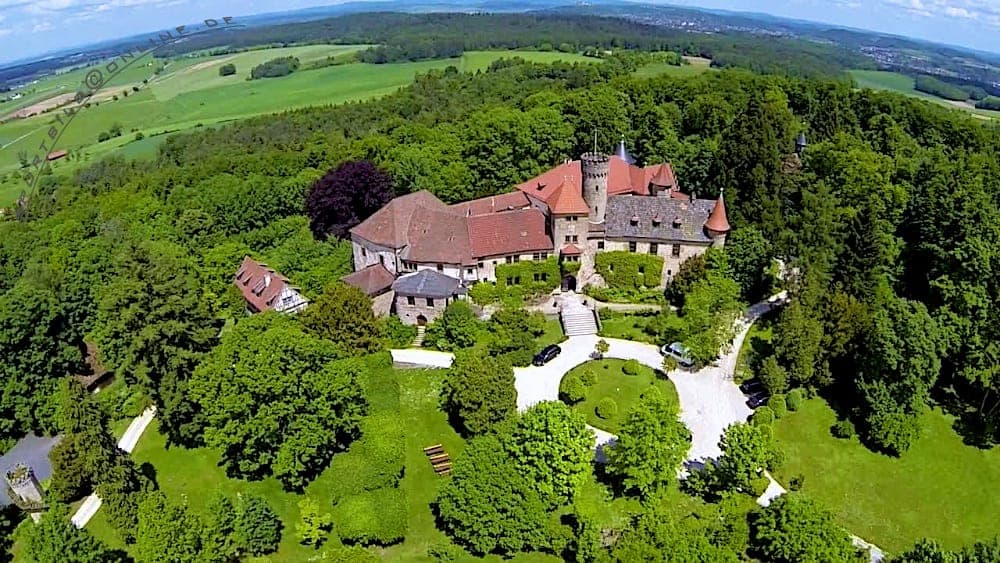
Kirchahorn

Diminuto pueblo francón en un valle boscoso de la Suiza Francona, hogar del Burg Rabenstein: un hotel-castillo medieval con cuevas de piedra caliza, cetrería y cervecería al aire libre.

⌬Castillo de Rabenstein⌬Suiza de Franconia⌬Cueva y cetrería
04Parada · A mitad de camino
Scheßlitz
Castillos·Alemania

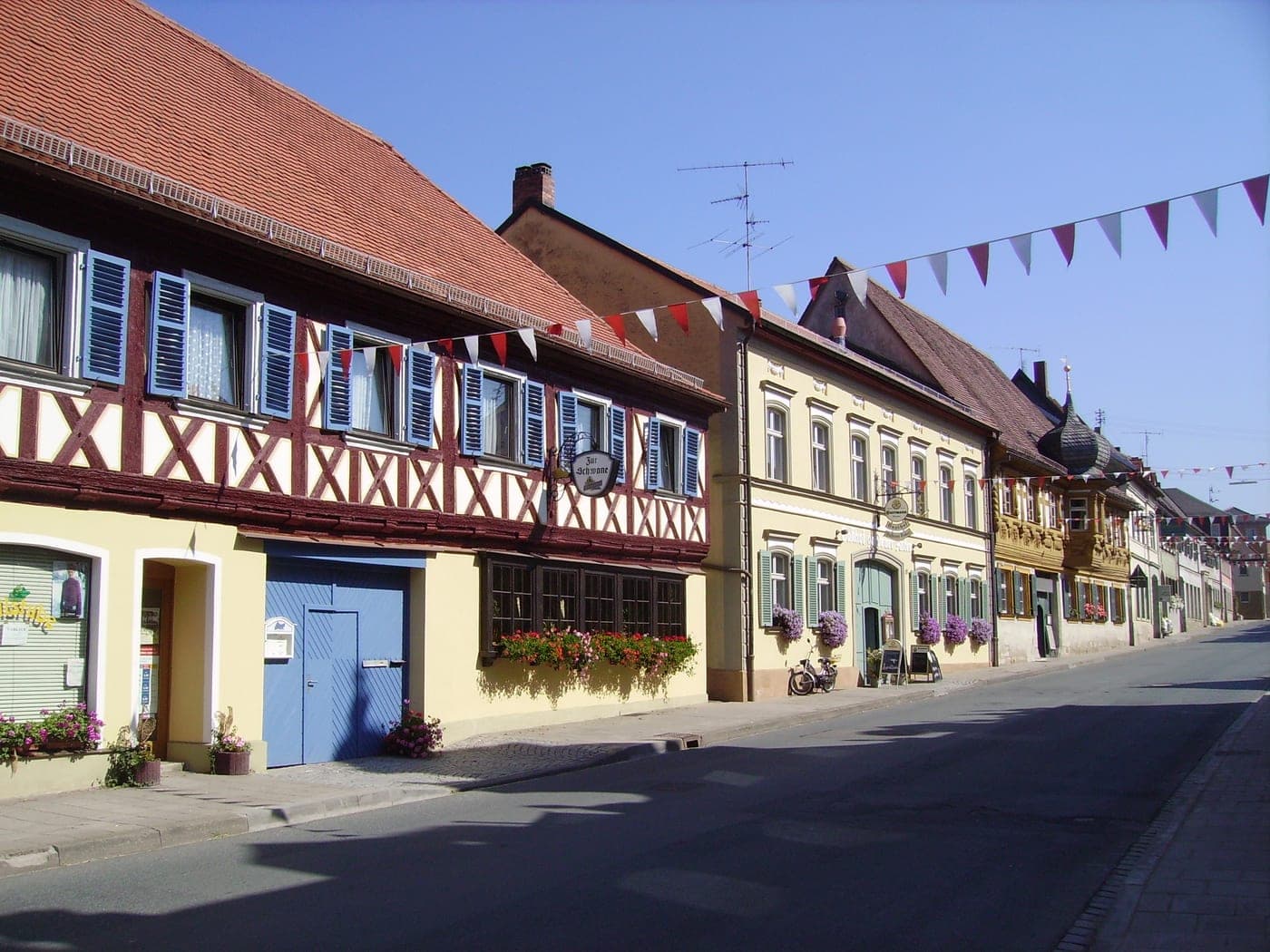
Scheßlitz

Pequeña ciudad de la Alta Franconia bajo las ruinas del castillo de Giechburg, rodeada por las colinas ondulantes de la Suiza Francona y que cuenta, sorprendentemente, con cinco cervecerías en funcionamiento.

⌬Castillo de Giechburg⌬Cinco cervecerías locales⌬Suiza de Franconia⌬Hiking
05Parada · Final
Ahorn
Castillos·Alemania

Ahorn

Tranquilo pueblo franconio cerca de Coburgo con un compacto castillo del siglo XVI que sirvió como centro administrativo, situado en un paisaje agrícola de suaves colinas.

⌬Castillo Ahorn⌬Proximidad a Coburgo⌬Campiña de Franconia⌬Hiking
La forma de la ruta

Mapa de la ruta.

5 paradas · 4 tramos
Por qué esta ruta

Destacados de esta ruta.

01

Mercado medieval de Aichach y herencia Wittelsbach

Los puestos del mercado llenan la plaza medieval de Aichach bajo las torres de los orígenes familiares Wittelsbach.

02

Schloss Leitheim barroco sobre el Donau-Ries

El barroco Schloss Leitheim se asienta en jardines aterrazados sobre el valle de Donau-Ries.

03

Rocas-castillo de la Suiza Franconia alrededor de Kirchahorn

Ruinas de castillos coronan las rocas calcáreas que emergen de los valles boscosos de Franconian Switzerland cerca de Kirchahorn.

04

Colinas jurásicas de peregrinación sobre Scheßlitz cerca de Bamberg

Las colinas jurásicas sobre Scheßlitz albergan capillas de peregrinación a poca distancia de las agujas de Bamberg.

Reserva tu experiencia

Lo que realmente está disponible para ti.

5 paradas
01.AichachAlemania
Hotel Schloss Blumenthal
Castillos
Hiking trails
Senderismo
02.LeitheimAlemania
Hotel Schloss Leitheim
Castillos
03.KirchahornAlemania
Burg Rabenstein
Castillos
04.ScheßlitzAlemania
Das Schloss Burgellern
Castillos
Hiking trails
Senderismo
05.AhornAlemania
Romantik Hotel Schloss Hohenstein
Castillos
Hiking trails
Senderismo
Alejar

Regiones en esta ruta.

1 región
Bavaria
Germany31 destinos

Bavaria

Bavaria is Germany's largest state, and one of its most varied. In the south, the land rises into the Alps, with peaks above Berchtesgaden and Garmisch-Partenkirchen, and lakes such as the Chiemsee and the Königssee nearby. Further north, the hills flatten into the Franconian wine country, where Silvaner and Müller-Thurgau vines cover slopes above the Main river. Between these two landscapes sit market towns, river cities, and castle villages that reward slow attention. Munich, the state capital, has its beer gardens, its baroque churches, and its markets selling Weißwurst in the morning. But much of Bavaria's character lives outside the capital, in places built for a quieter pace. Regensburg, on the Danube, keeps a medieval old town of narrow lanes, stone bridges, and merchant houses that once served river trade. Bamberg spreads across seven hills and several arms of the Regnitz river, and is known for its smoked Rauchbier, brewed in local taverns much as it always has been. Rothenburg ob der Tauber sits inside its own medieval walls, with half-timbered houses and a walkway along the ramparts that circles the whole old town. Franconia, in the north, is Bavaria's wine country. Vineyards climb the terraces above Würzburg and along the Main, and small wine villages sell their own vintages from cellar doors and courtyard taverns. The wine here is usually bottled in the round Bocksbeutel flask, a shape associated with the region. Cycling paths follow the river through the vines, linking one village to the next at an easy, level pace, past chapels, wine presses, and stone crosses set among the rows. In the Allgäu, close to the Austrian border, the town of Füssen sits below the castle hill of Neuschwanstein, built by King Ludwig II in the nineteenth century. The castle draws attention, but the surrounding countryside holds its own appeal: lakes, foothills, and villages where farming and dairy traditions continue much as before. Bavaria's lakes add another layer of slowness. The Chiemsee, the largest, can be crossed by boat to its island monasteries, where former royal buildings and quiet cloisters sit surrounded by water and reed beds. Smaller lakes near the Alpine foothills, such as the Staffelsee and the Ammersee, are ringed by paths used for walking and cycling rather than for speed. Food and drink run through the region's identity. Beer gardens, some centuries old, work on a simple principle: food brought from home, a beer ordered at the counter, a seat under chestnut trees for as long as the weather allows. Franconian taverns serve local wine alongside dishes built around potatoes, dumplings, and river fish. Bakeries sell pretzels still warm from the oven, and markets in towns like Nuremberg keep old traditions of spiced gingerbread and roasted sausages. A morning market in Regensburg, an afternoon among the Franconian vines, an evening in a Bamberg tavern: each has its own pace. Villages across Bavaria keep their own customs — wine festivals in Franconia, woodcarving and dairy traditions in the Alpine foothills. Mountains and vineyards, river cities and castle villages: Bavaria fits them into a single state, each within reach of the next.

CabañasSenderismoCastillosAlquiler de autocaravanas
Mantente inspirado

Recibe consejos de viaje lento en tu bandeja de entrada

En WhatsApp

Un mensaje breve cuando aparece algo que vale el viaje. Responde STOP cuando quieras.

Al suscribirte aceptas que te contactemos por WhatsApp. Política de privacidad
o

Por email

Cartas ocasionales en tu bandeja — con recomendaciones, mapas y rutas.

Al suscribirte al boletín, aceptas nuestra política de privacidad.