Dürnstein
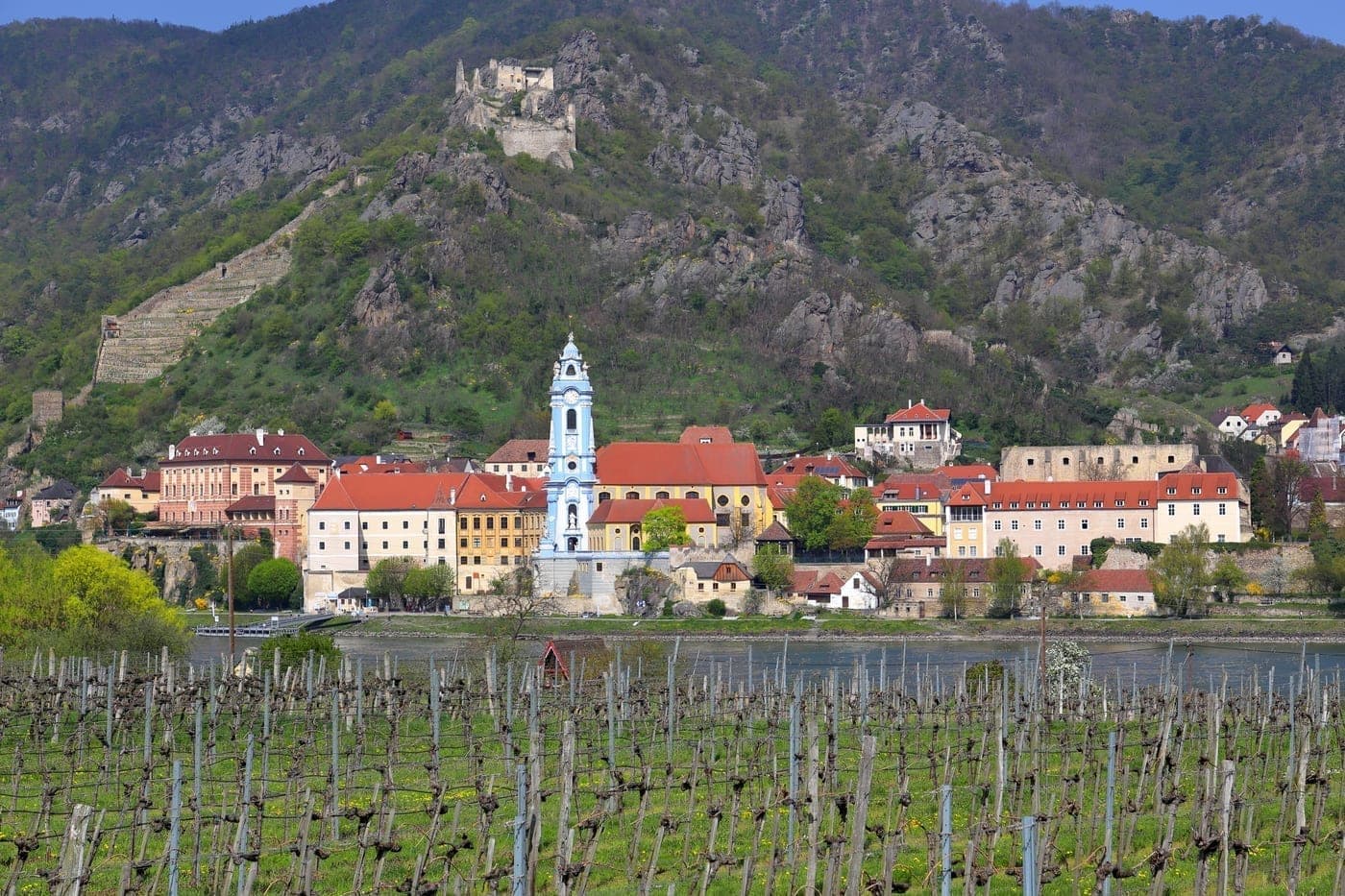
Εμβληματική πόλη του Βάχαου με μεσαιωνικά ερείπια κάστρου και κρασιά παγκόσμιας κλάσης.
Λάβετε συμβουλές αργού ταξιδιού στα εισερχόμενά σας
Ένα σύντομο μήνυμα όταν εμφανίζεται κάτι που αξίζει το ταξίδι. Απάντησε STOP όποτε θέλεις.
Με την εγγραφή συμφωνείς να επικοινωνούμε μέσω WhatsApp. Πολιτική απορρήτουΣποραδικά γράμματα στα εισερχόμενά σου — με προτάσεις, χάρτες και διαδρομές.
Εγγραφόμενοι στο ενημερωτικό δελτίο, αποδέχεστε την πολιτική απορρήτου μας.
Dürnstein
Εμβληματική πόλη του Βάχαου με μεσαιωνικά ερείπια κάστρου και κρασιά παγκόσμιας κλάσης.

Η γενέτειρα του Μότσαρτ, το μπαρόκ κόσμημα της Αυστρίας

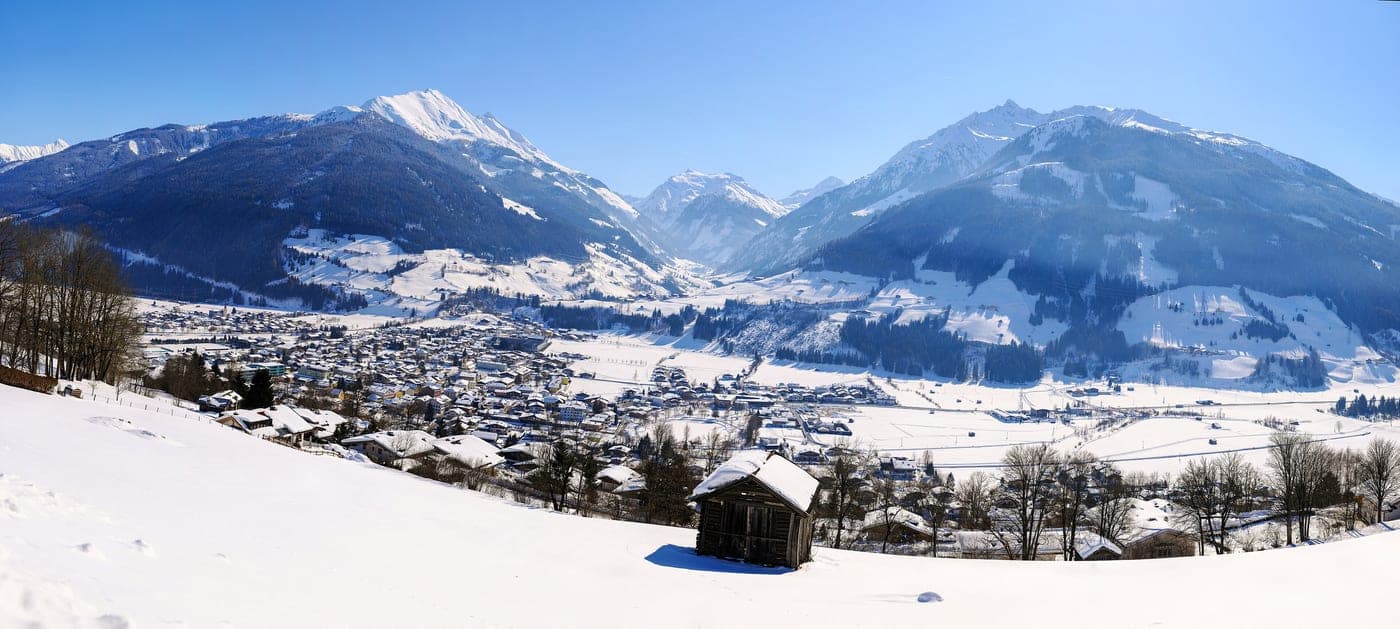
Μικρή αλπική πόλη στην περιοχή Πίντσγκαου του Σάλτσμπουργκ, έδρα ενός κάστρου 900 ετών που κοιτάζει την κοιλάδα του Σάλτσαχ και πύλη προς το Εθνικό Πάρκο Χόε Τάουερν.

Belle Époque παραλίμνιο θέρετρο στη Wörthersee όπου έγραφε μουσική ο Brahms, με κομψές βίλες και ένα ιστορικό ξενοδοχείο-κάστρο στο κέντρο του.

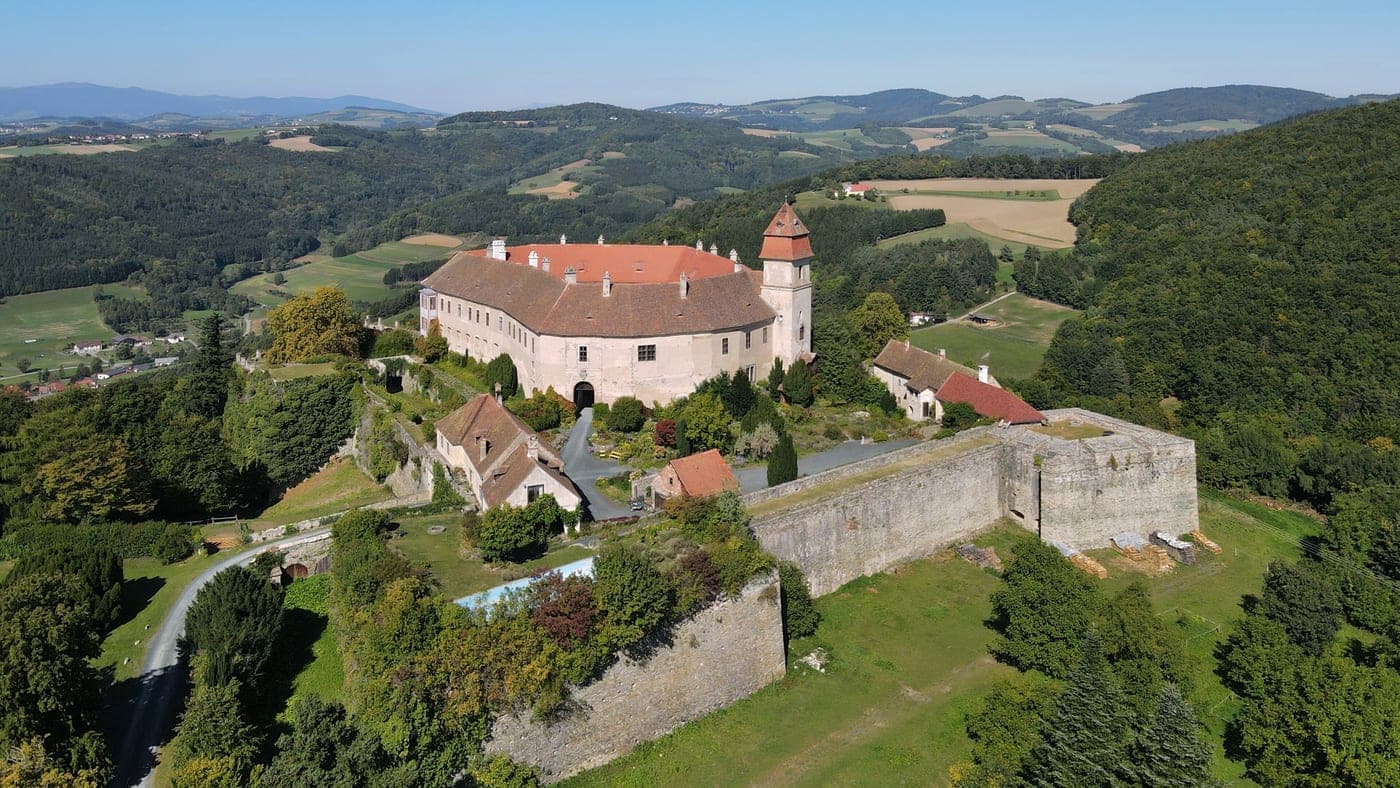
Απομονωμένο ορεινό χωριό στο νότιο Μπουργκενλάντ, σπίτι του ψηλότερου κάστρου της Αυστρίας και το μοναδικό μέρος στην Ευρώπη όπου εξορύσσεται το πολύτιμο πράσινο πέτρωμα σερπεντίνη.
Ο πύργος φυλακής του Ριχάρδου Λεοντόκαρδου καταρρέει στους γκρεμούς του Δούναβη πάνω από το μπαρόκ μοναστήρι και αμπελώνες του Dürnstein.
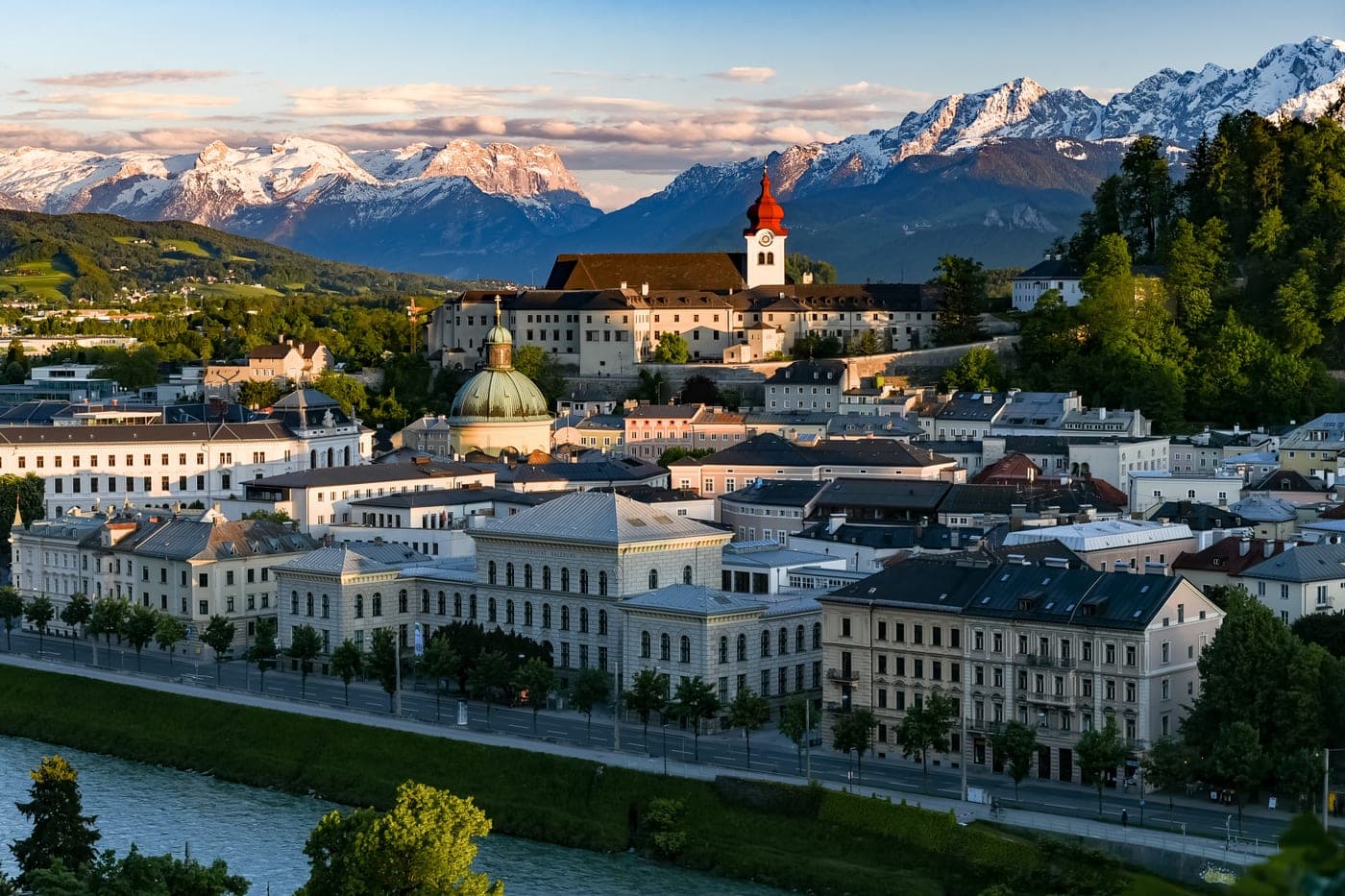
Το κάστρο Hohensalzburg κυριαρχεί στην μπαρόκ παλιά πόλη του Salzburg όπου το σπίτι που γεννήθηκε ο Μότσαρτ βρίσκεται στην Getreidegasse.
Ο ορεινός δρόμος ανεβαίνει μέσα από τα περάσματα Hohe Tauern στους αναγεννησιακούς πύργους του Schloss Mittersill.
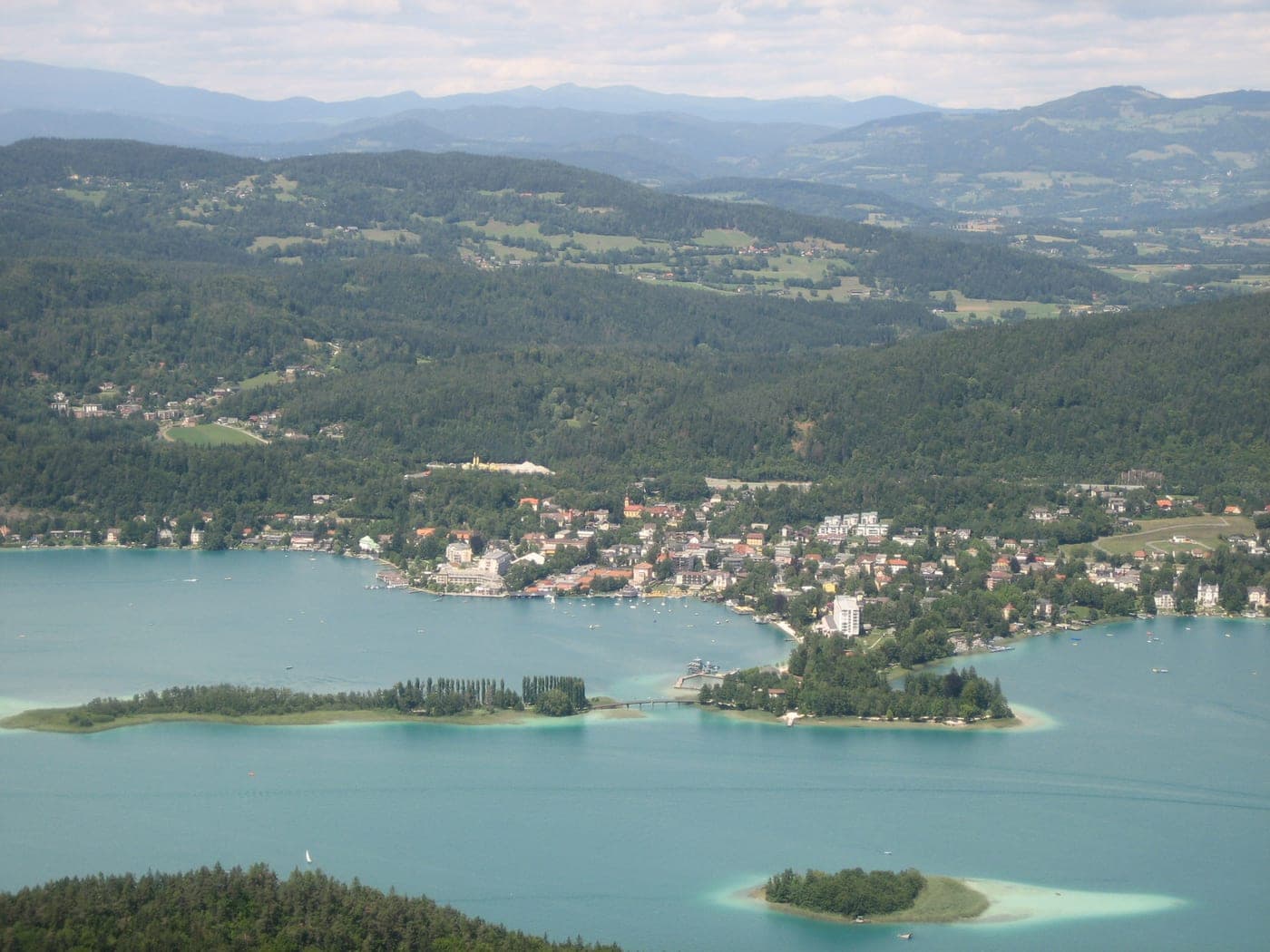
Κάστρα της εποχής των Αψβούργων αντανακλώνται στα αλπικά νερά του Wörthersee γύρω από τις παραλιακές προμενάδες του Pörtschach.

Nestled in the Alps, this region is renowned for its baroque architecture and stunning landscapes. Salzburg is the birthplace of Mozart and boasts a rich musical heritage. The region is characterized by picturesque lakes, including the beautiful Wolfgangsee, and the majestic peaks of the surrounding mountains. Hidden gems like the charming village of St. Gilgen and the historical town of Hallein invite exploration. Salzburg's unique salt mines, dating back to prehistoric times, reveal its historical significance in trade. The region hosts various local festivals, including the Salzburg Festival, celebrating music and theater, making it an intriguing locale for cultural exploration. Ideal for those seeking to connect with both nature and history, this area offers a wealth of experiences off the typical tourist path.

Carinthia, Austria's southernmost region, is renowned for its stunning lakes and mountains. The largest lake, Wörthersee, is famous for its turquoise waters and vibrant summer festivals. Klagenfurt, the capital, features the historic Lindwurm fountain and a beautiful old town. The region boasts rich Slavic heritage, reflected in its cultural events and cuisine, such as hearty stews and local cheeses. Nature enthusiasts will appreciate the Nockberge National Park, offering scenic hiking trails. Carinthia also has a unique blend of Italian and Austrian influences, evident in its architecture and gastronomy, making it a fascinating area for deep exploration.

Burgenland is Austria's easternmost region, known for its diverse landscapes and rich cultural heritage. It is home to the historic city of Eisenstadt, where the Haydn Museum showcases the music of composer Joseph Haydn. The region features the unique Neusiedler See, a UNESCO World Heritage site, famous for its wetlands and birdwatching opportunities. Burgenland is also renowned for its wine production, particularly the sweet wines from the vineyards surrounding the charming town of Rust. Explore lesser-known towns like Lutzmannsburg, known for its thermal baths, or the picturesque village of Mönchhof, celebrated for its local crafts and traditional festivals. Outdoor activities such as hiking and cycling trails along the lake enhance the immersive experience in this less-traveled area.

Lower Austria is the largest province in Austria, known for its diverse landscapes that include rolling vineyards, historic towns, and the Danube River. The region boasts notable sites like the picturesque Wachau Valley, famous for its apricot orchards and terraced vineyards. Krems and Dürnstein are charming towns that offer a glimpse into the region's medieval past, while the vibrant city of St. Pölten serves as the provincial capital. Lower Austria is also home to several castles, such as Schloss Grafenegg, and natural parks like the Thayatal National Park, which provide opportunities for hiking and exploring local flora and fauna. This area is rich in wine culture, particularly known for Grüner Veltliner and Riesling varieties, drawing wine enthusiasts to its many wineries. The blend of nature, history, and gastronomy makes the province a fascinating destination for those looking to explore Austria beyond the usual tourist routes.