01Zastávka · Start
Pronájem lodí·Chorvatsko
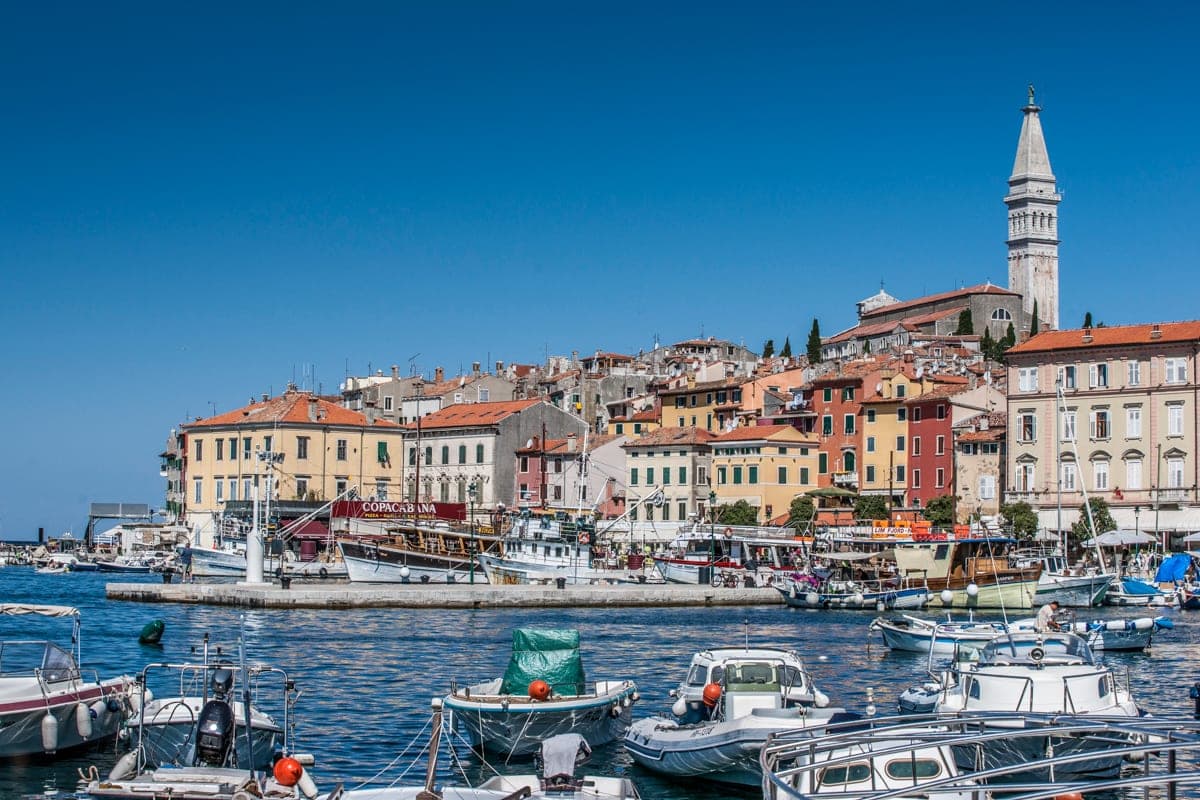
Rovinj
Malebné istrijské rybářské městečko s barevným přístavem a kostelem na kopci.
⌬Benátská architektura⌬Pobřežní výhledy⌬Pronájem lodí⌬Mořské plody
RovinjMalebné istrijské rybářské městečko s barevným přístavem a kostelem na kopci.
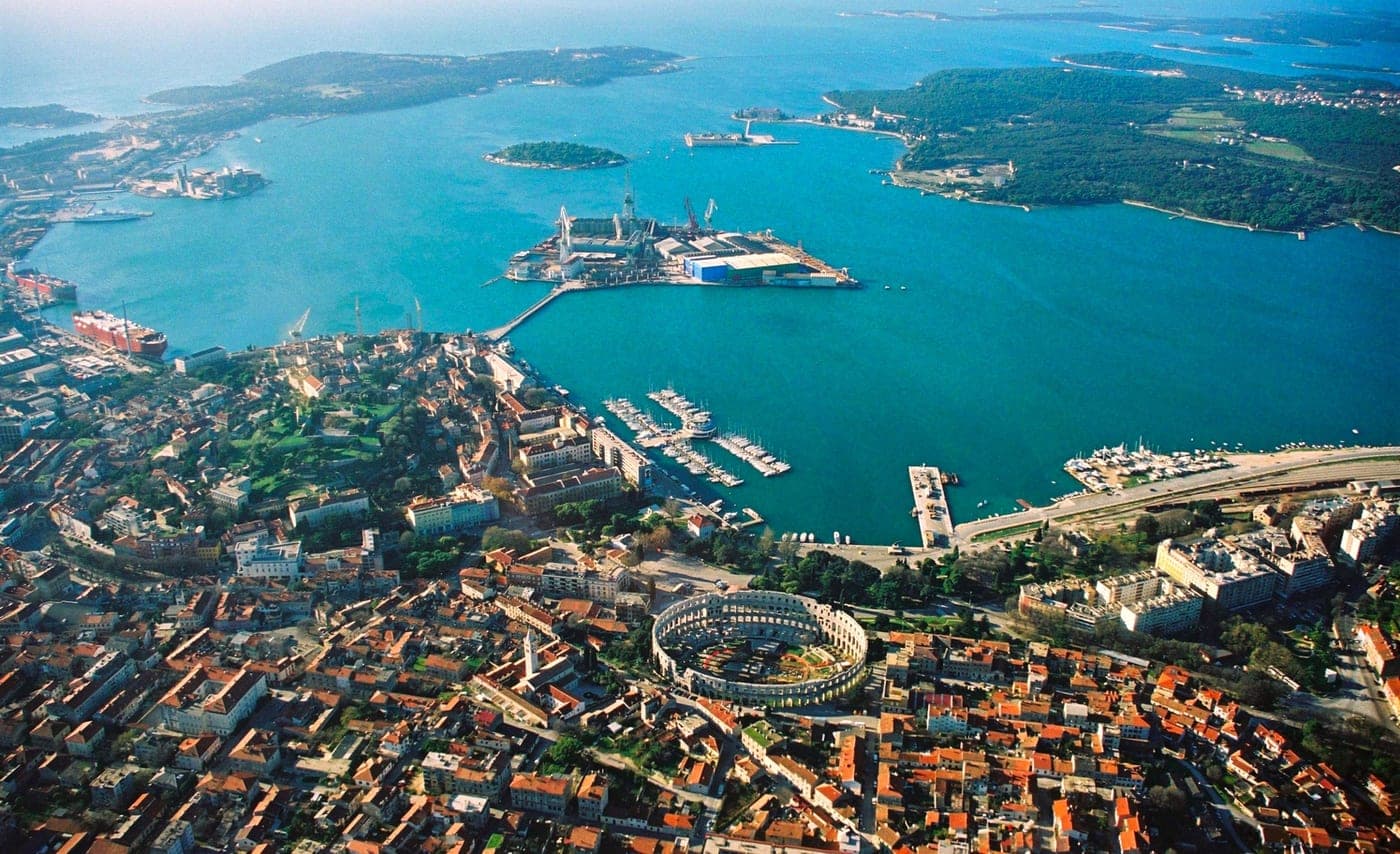
Starobylé istrijské město s pozoruhodně zachovalým římským amfiteátrem a přístavem.
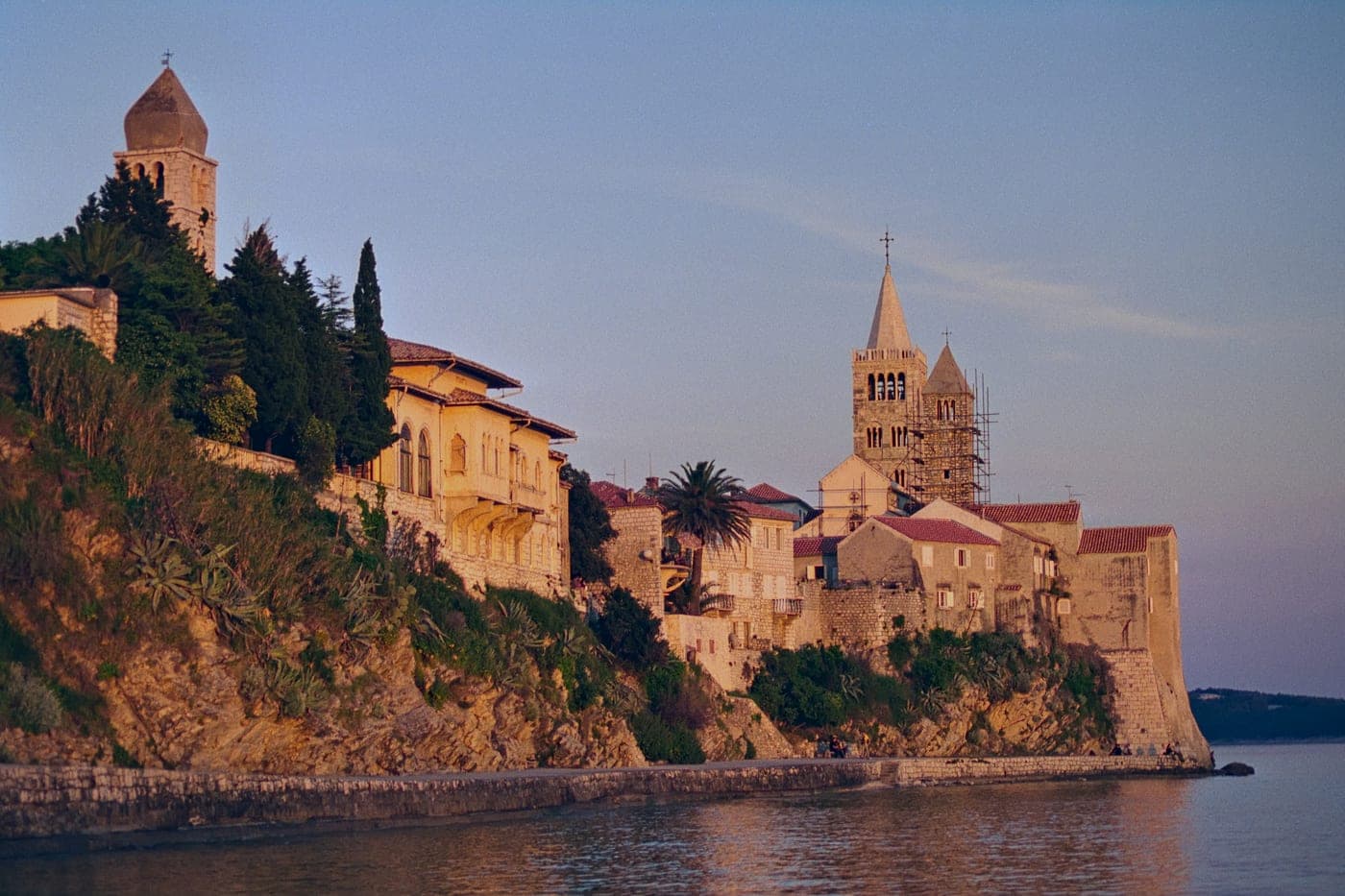
Středověké město na ostrově se čtyřmi zvonicemi a písečnými plážemi.
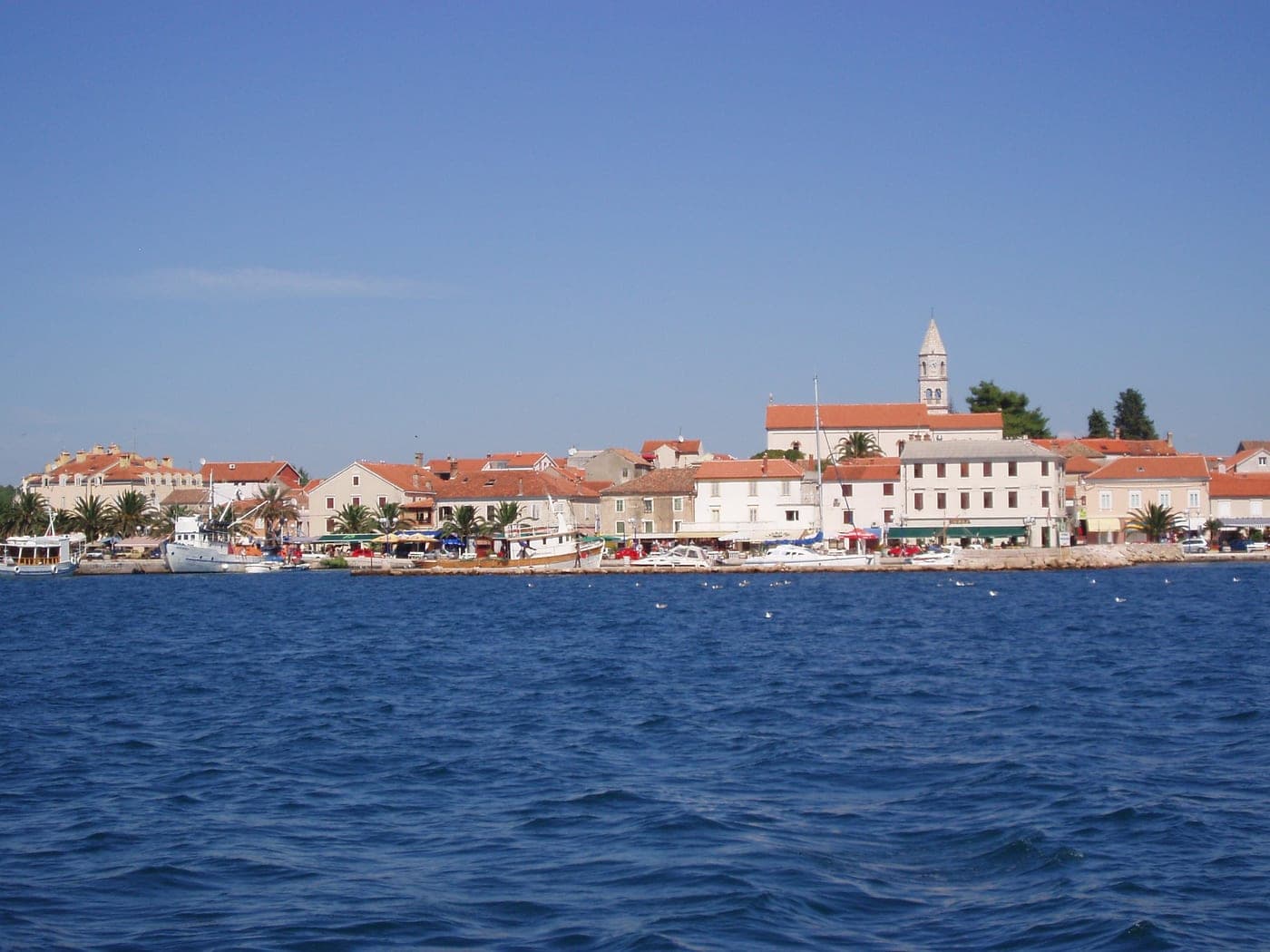
Pobřežní město s velkým přístavem a skvělými možnostmi pronájmu lodí pro objevování Jadranu.
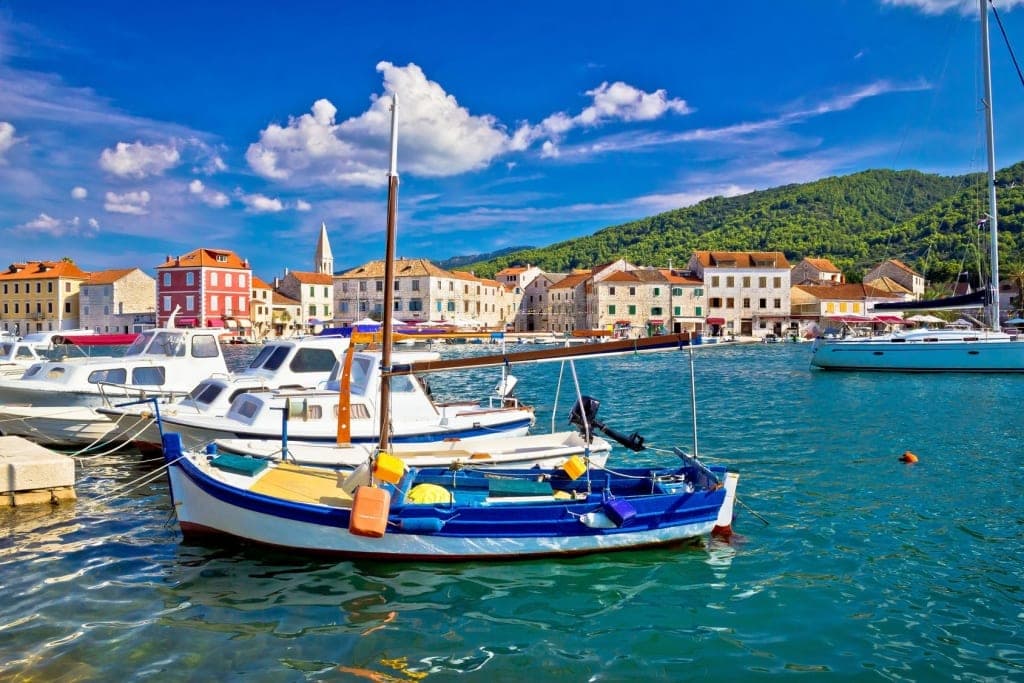
Starobylé přístavní město na ostrově Hvar s řeckou zemědělskou krajinou zapsanou na seznamu UNESCO.
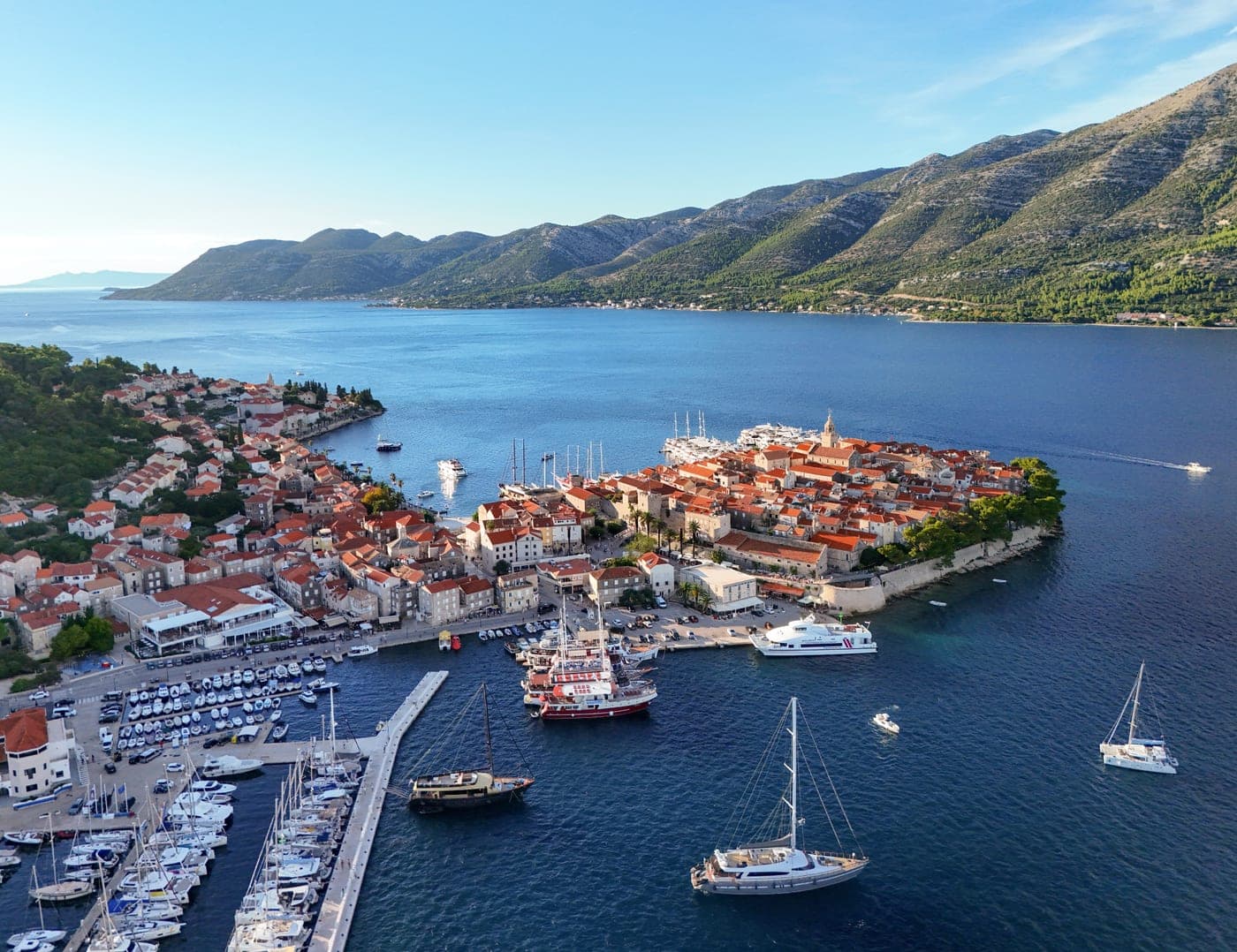
Středověké opevněné ostrovní město a rodiště Marca Pola obklopené vinicemi.
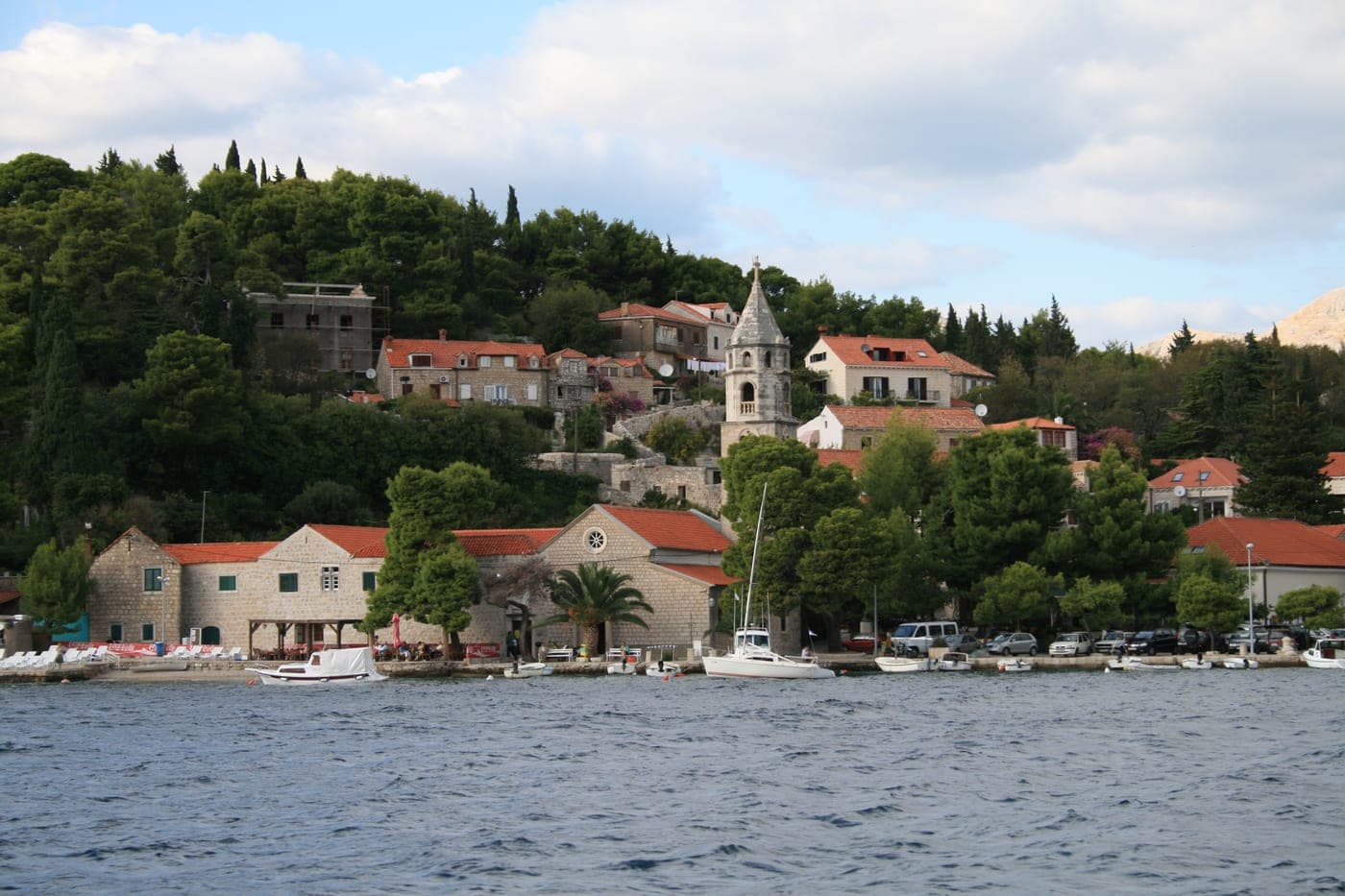
Půvabné pobřežní městečko nedaleko Dubrovníku s přístavem lemovaným borovicemi a plážemi.
Zvonice sv. Eufémie se tyčí nad přístavem Rovinj, kde tradiční lodě batana kotví u ekomuzea.
Římský amfiteátr v Pule hostí letní koncerty, zatímco Augustův chrám stojí poblíž na fóru.
Písečná pláž Paradise se rozprostírá pod středověkými hradbami Rabu, kde letní festivaly přivádějí rytíře v kostýmech.
Malé lodě proplouvají holými vápencovými ostrovy souostroví Kornati z přístavu Biograd.
Dubrovnik-Neretva is Croatia's southernmost region, known for its stunning coastline and rich history. The city of Dubrovnik, a UNESCO World Heritage site, is famous for its well-preserved medieval walls and baroque architecture. Nearby, the Neretva River valley offers lush landscapes and unique cultural experiences, particularly in the town of Metković, known for traditional Neretva cuisine and eco-tourism. The region is also home to the Elaphiti Islands, where visitors can explore secluded beaches and local fishing villages. Enjoy local specialties like the white wine from the Pelješac Peninsula and the sweet Neretva mandarin. This region balances cultural heritage with natural beauty, perfect for those seeking deeper connections with their surroundings.
Zadar is a coastal city in Croatia, known for its rich history and stunning architecture. It features Roman ruins, medieval churches, and vibrant street life. The region encompasses several islands, including Ugljan and Pašman, offering secluded beaches and hiking trails. Zadar is home to the unique Sea Organ, an architectural marvel that plays music through the sea waves. The city is the oldest continuously inhabited city on the Croatian mainland, with roots dating back to the Roman Empire. Beyond the city, the nearby National Parks of Krka and Paklenica showcase diverse landscapes, perfect for nature lovers. Zadar's local cuisine highlights fresh seafood and traditional pastries, making it a culinary gem in the region.
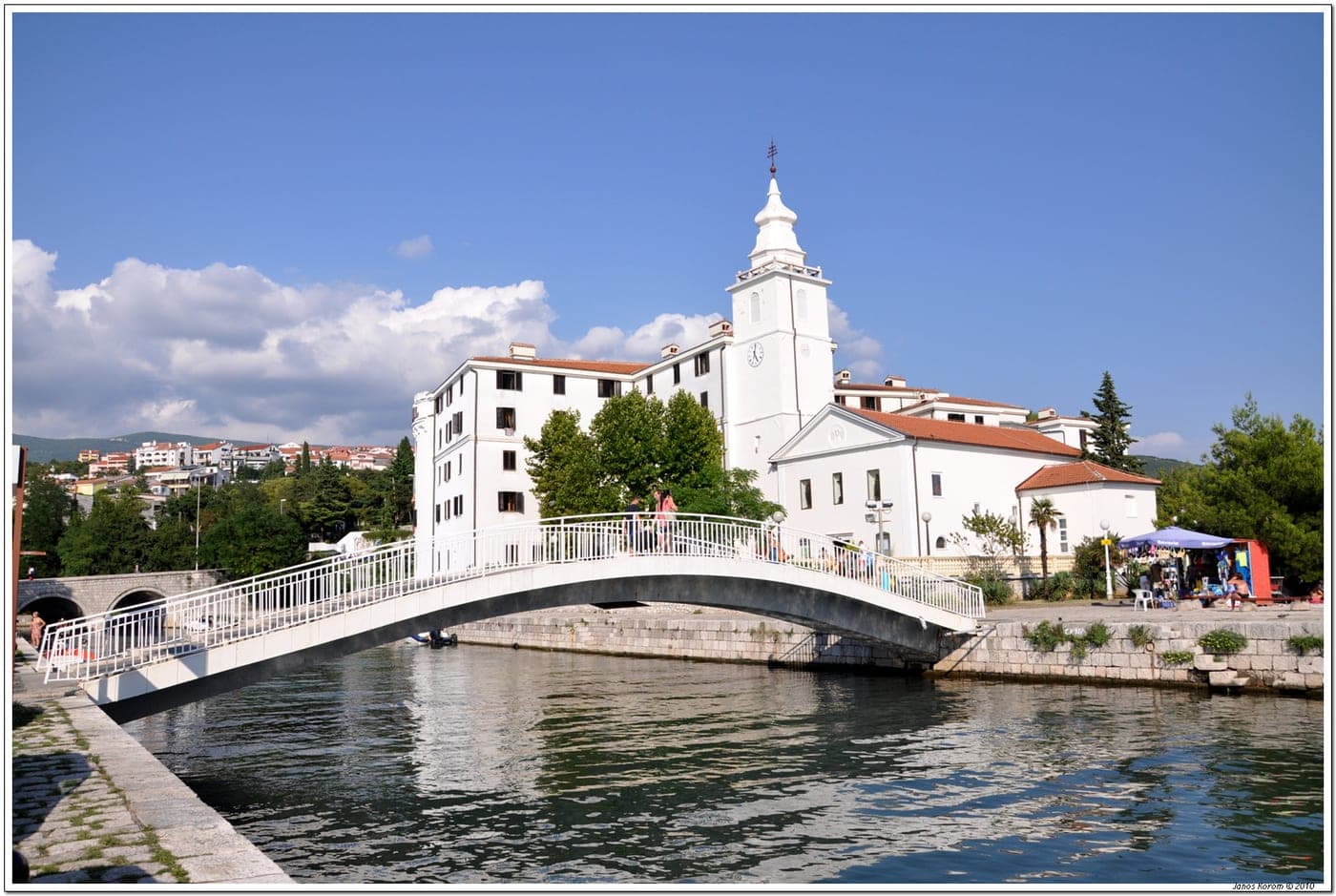
Nestled along the northern Adriatic, this region is the largest in Croatia by area, featuring a diverse landscape of mountains, islands, and coastal towns. The city of Rijeka serves as a cultural hub, known for its vibrant festivals and rich maritime history, including the Trsat Castle overlooking the city. Opatija, with its historic villas and seaside promenade, offers a glimpse into the 19th-century Austrian Riviera. Nearby, the islands of Cres and Lošinj boast stunning natural parks and traditional fishing villages. Nature lovers can explore the Risnjak National Park, while wine enthusiasts can taste local Vrbnička Žlahtina. This region thrives on its rich cultural tapestry and local gastronomy, emphasizing sustainable practices and authentic experiences that reflect its heritage.
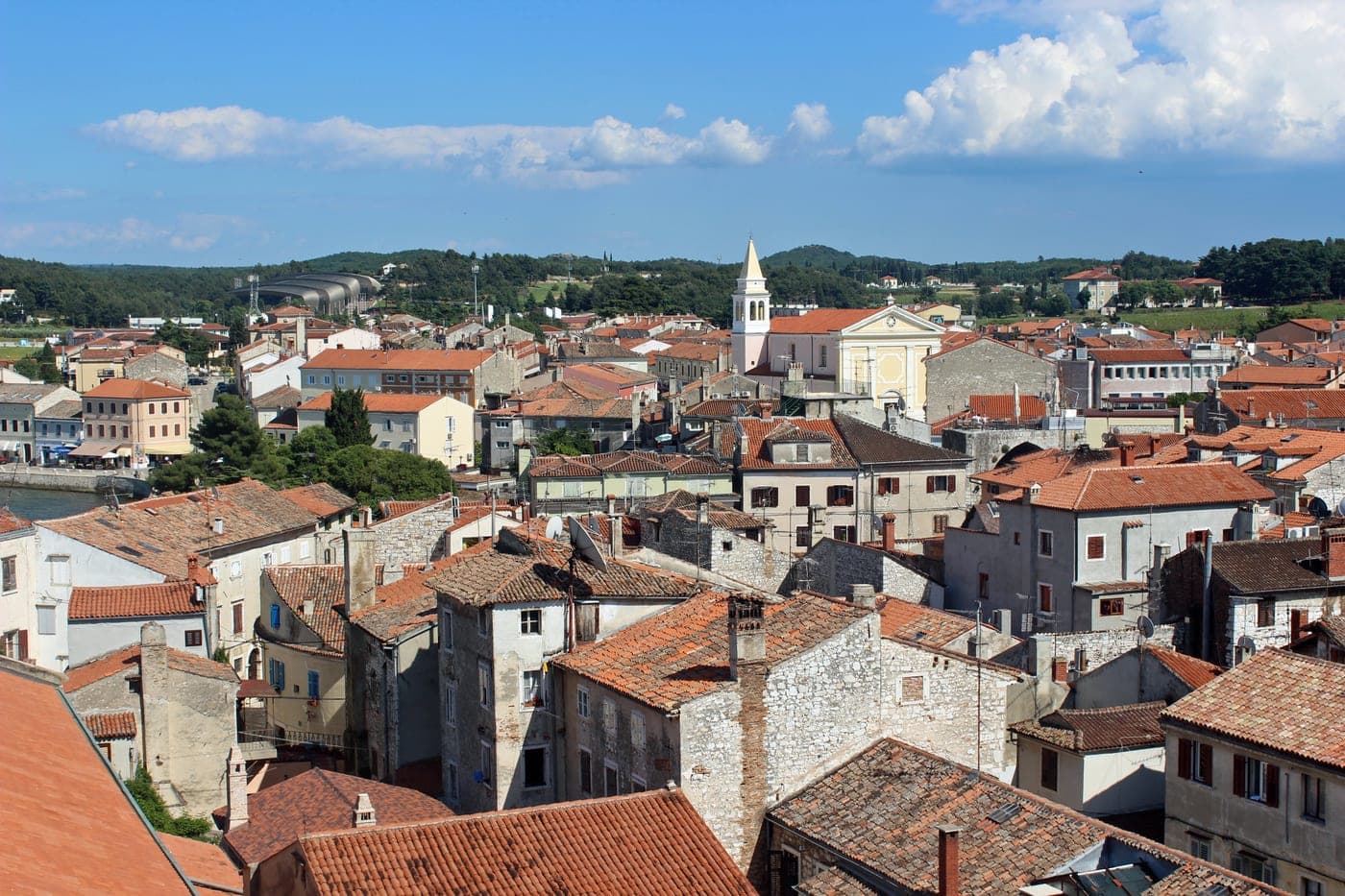
Istria is Croatia's largest peninsula, known for its diverse landscape of rolling hills, vineyards, and olive groves. This region features charming towns like Rovinj, famous for its colorful waterfront and Venetian architecture, and Pula, home to one of the best-preserved Roman amphitheaters in the world. The coastal areas provide access to beautiful beaches, while inland, the hilltop villages of Motovun and Grožnjan offer stunning views and rich history. Istria is celebrated for its culinary delights, particularly truffles and local wines like Teran and Malvazija. The region also hosts various cultural festivals, showcasing its vibrant traditions and arts. It's a place where ancient history meets rich gastronomy, ideal for those who wish to explore beyond typical tourist paths.
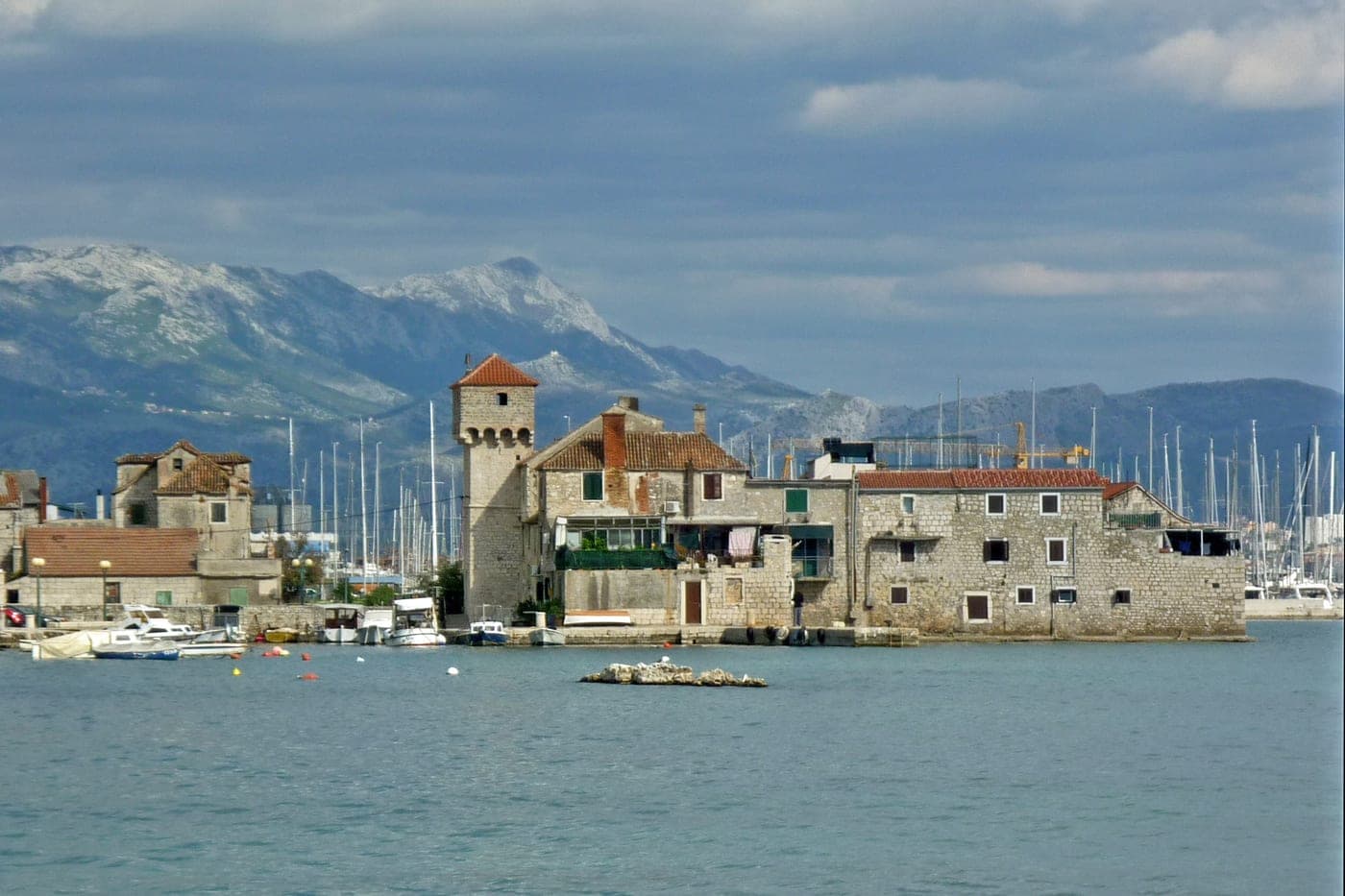
Split-Dalmatia is the largest county in Croatia, known for its stunning coastline along the Adriatic Sea. The city of Split, with its UNESCO-listed Diocletian's Palace, serves as the region's cultural heart. Beyond the city, the county boasts lesser-known gems like the historic town of Trogir, famous for its medieval architecture, and the serene islands of Hvar and Brač, known for their local wines and olive oil. Nature lovers can explore the rugged beauty of the Biokovo Mountain range or the hidden coves along the coast. This region is rich in traditional gastronomy, featuring fresh seafood, local cheeses, and the unique wines of the Dalmatian hinterland. Festivals such as the Split Summer Festival showcase local arts and culture, providing an authentic glimpse into life here.
Tipy na pomalé cestování přímo do vaší schránky
Krátká zpráva, když se objeví něco, kvůli čemu stojí za to vyrazit. Kdykoli odpověz STOP.
Přihlášením souhlasíš, že tě budeme kontaktovat přes WhatsApp. Zásady ochrany soukromíObčasné dopisy ve tvé schránce — s tipy, mapami a trasami.
Přihlášením k odběru novinek souhlasíte s našimi zásadami ochrany osobních údajů.